
A trainee dig near Cambridge revealed a brutal ninth-century burial with dismembered bodies and an unusually tall man.
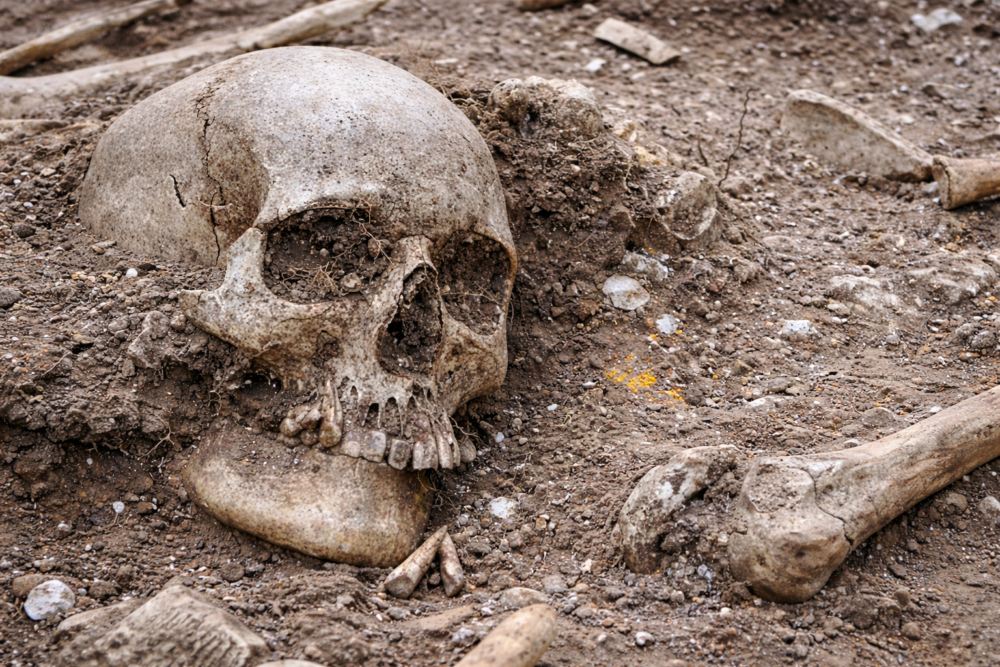
Over the last year, archaeology students from the University of Cambridge made a shocking discovery during a routine training excavation at Wandlebury Country Park in eastern England. What began as a standard field dig unearthed a narrow burial pit dating back to the ninth century, filled with at least ten individuals. Among the remains were dismembered bones, skulls without bodies, and, strikingly, the skeleton of a man well over six feet tall with evidence of ancient head surgery.
The grave sits in a landscape once marked by conflict between Anglo-Saxon kingdoms and Viking forces. Its mix of complete and dismembered skeletons, signs of binding and trauma, and the unusual physiology of one individual combine to make this one of the most intriguing early medieval finds in recent years. Radiocarbon dating, DNA analysis, and isotopic studies are now underway to untangle who these people were and what circumstances brought them to such a violent end.
1. A student training dig turns extraordinary
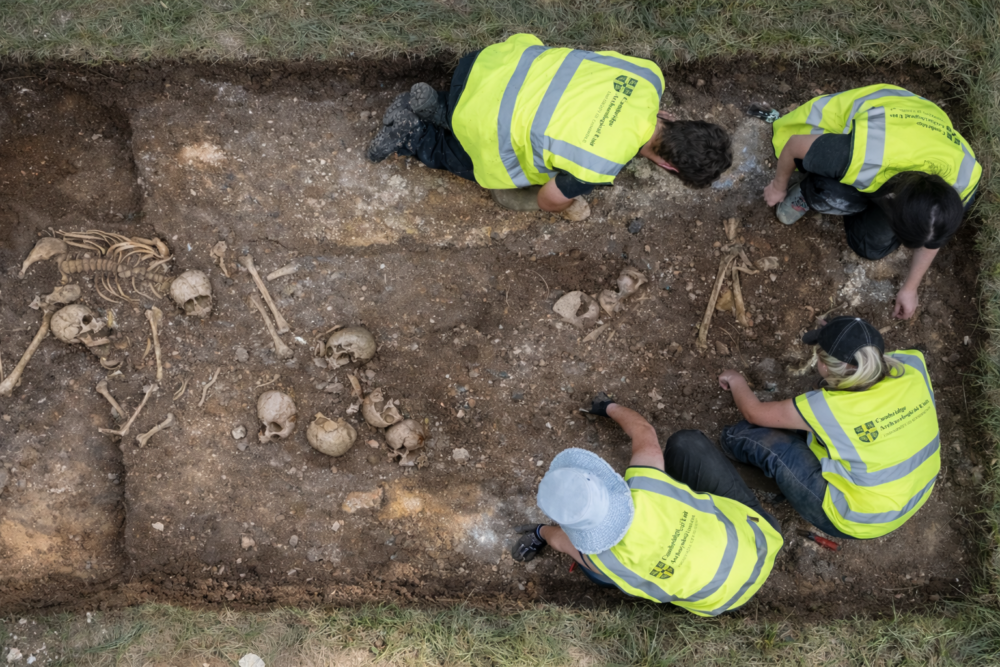
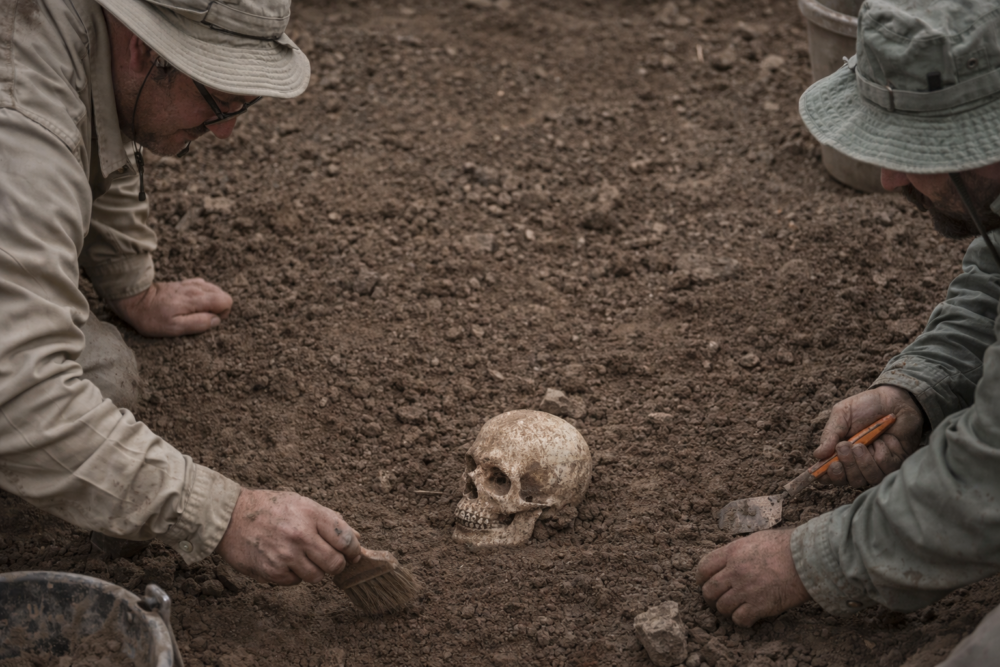
Cambridge University archaeology students were excavating a familiar training site at Wandlebury Country Park when they unearthed human remains far older and more complex than expected. The site had long been used to teach excavation techniques, but nothing prepared the team for what they found.
What appeared initially to be isolated bone fragments soon revealed itself as a narrow burial pit that contained multiple individuals. As the trench was carefully exposed, archaeologists realized they were looking at a mass burial with evidence of violent death and unusual burial practices.
2. A pit filled with human remains
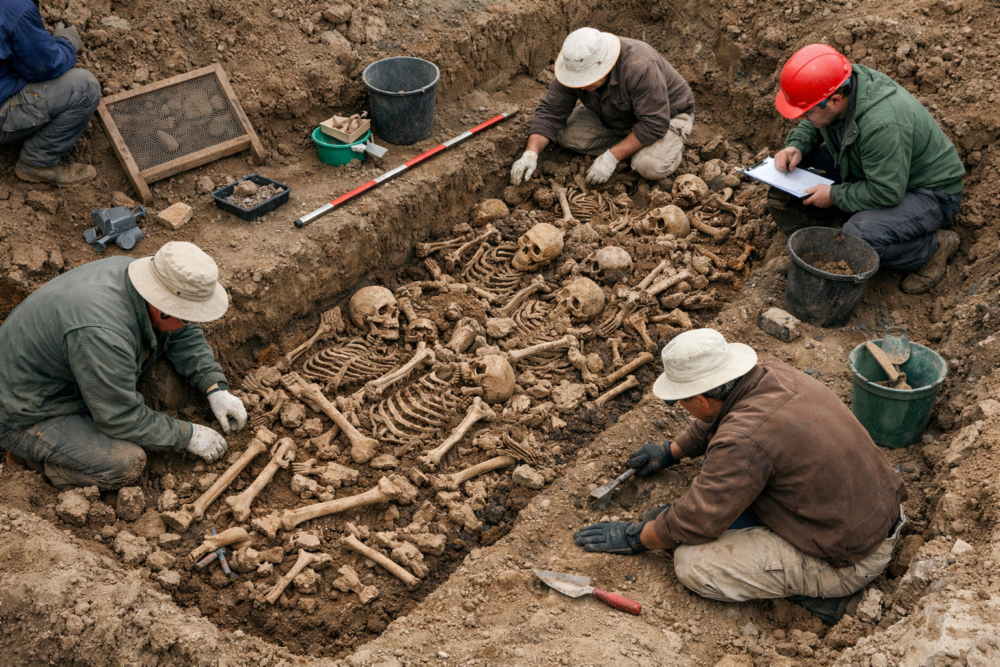
The burial pit extended roughly four meters long and one meter wide, filled with a mix of complete skeletons and scattered bones. Among the remains were whole bodies as well as clusters of skulls and limbs that did not align with intact skeletons.
The mixture suggests the bodies were not interred as a single funeral event. Instead, different remains appear to have been collected, possibly after death on a battlefield or through other violent means, and deposited together in a way that would have been deliberate and purposeful.
3. Signs of violence and restraint
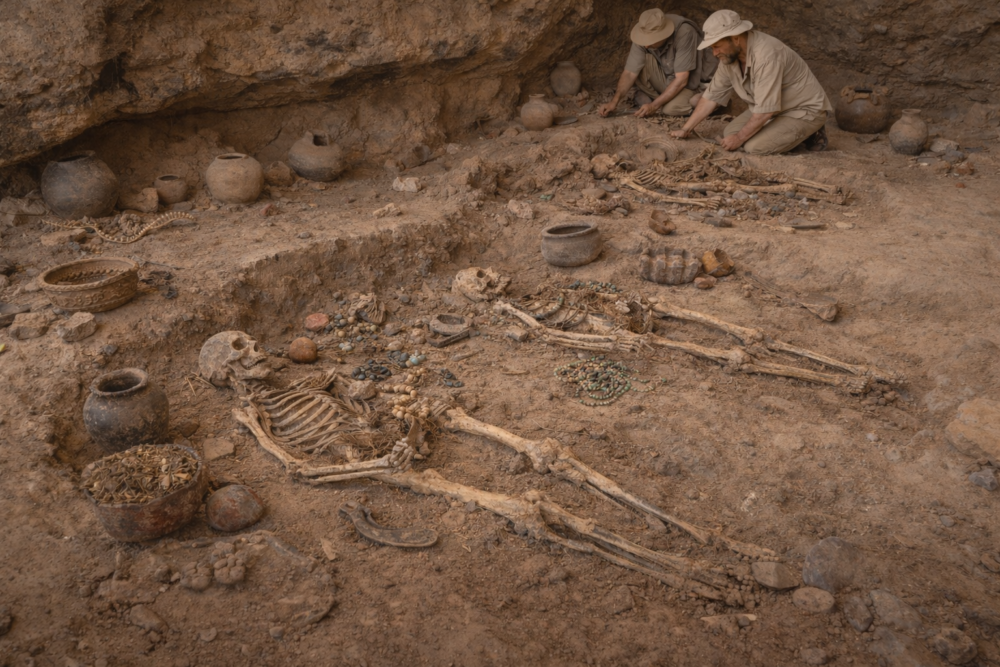
Some skeletons showed evidence suggesting their wrists may have been tied at the time of death, and at least one skull bore clear cut marks near the jaw. Those kinds of injuries hint at decapitation or close-range violence rather than simple burial after natural death.
These clues point scholars toward interpretations that include execution, battle casualties, or punishment, though the exact circumstances, whether war, raid, or judicial killing, are still debated.
4. The “giant” among the dead
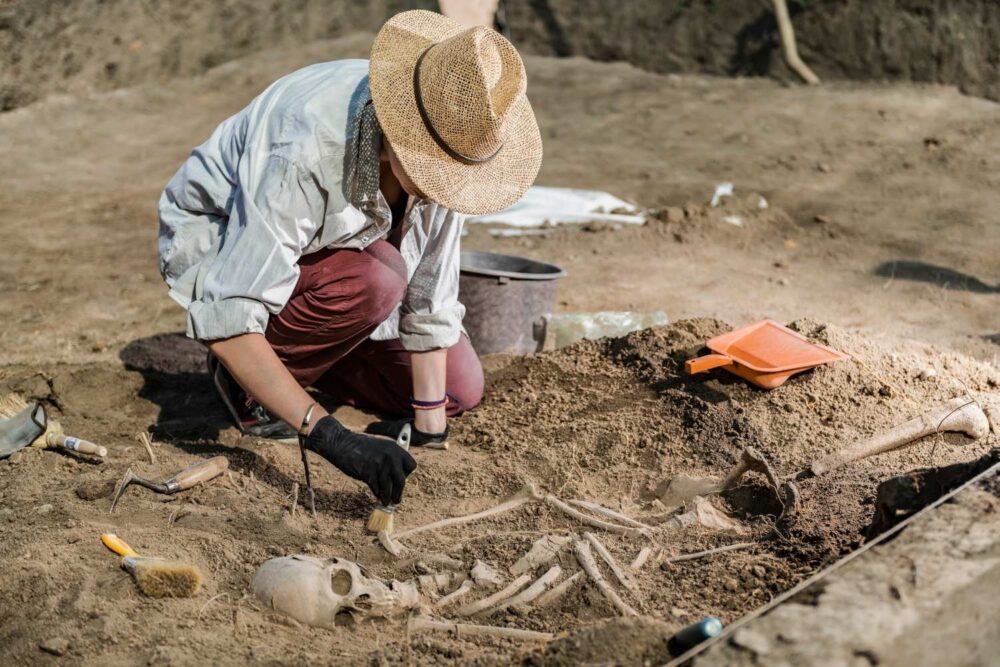
Of particular note was the skeleton of a young man between 17 and 24 years old who stood about 6 feet 5 inches tall, nearly a foot taller than average for the period.
His unusual height, preserved in the skeletal record, marks him out as extraordinary in life as well as in death. It suggests he may have had a hormonal condition that promoted excess growth.
5. Evidence of ancient cranial surgery
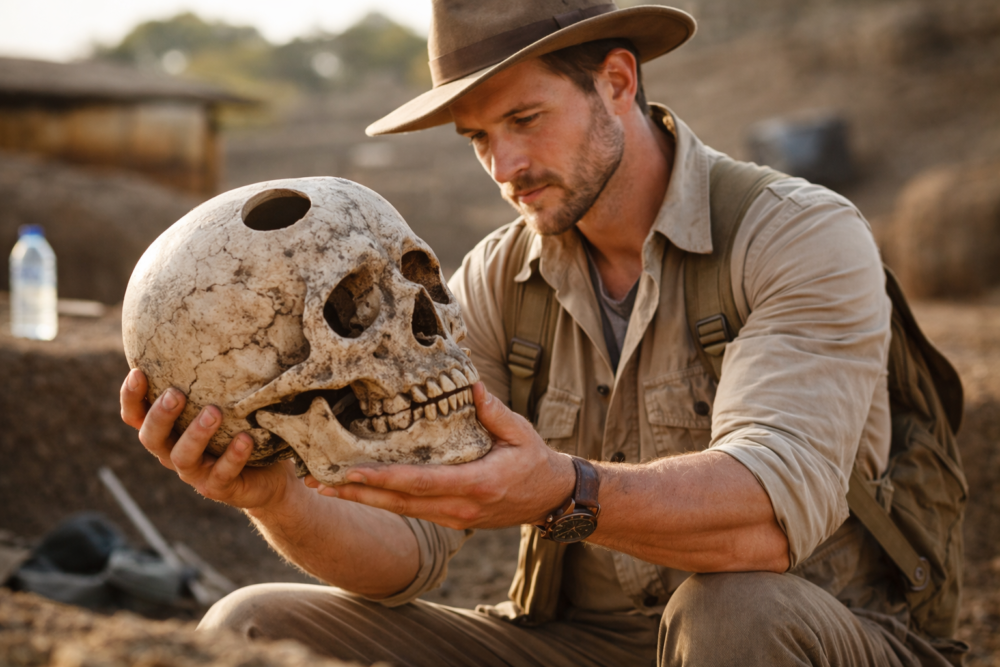
Perhaps even more remarkable than his height was evidence of a hole bored into the young man’s skull. The edges of the opening show healed bone growth, indicating he survived the procedure for some time.
This practice, called trepanation, is one of the earliest known forms of cranial surgery and was used in many ancient cultures to relieve pressure from headaches, seizures, or other neurological issues.
6. What trepanation tells us about ancient care
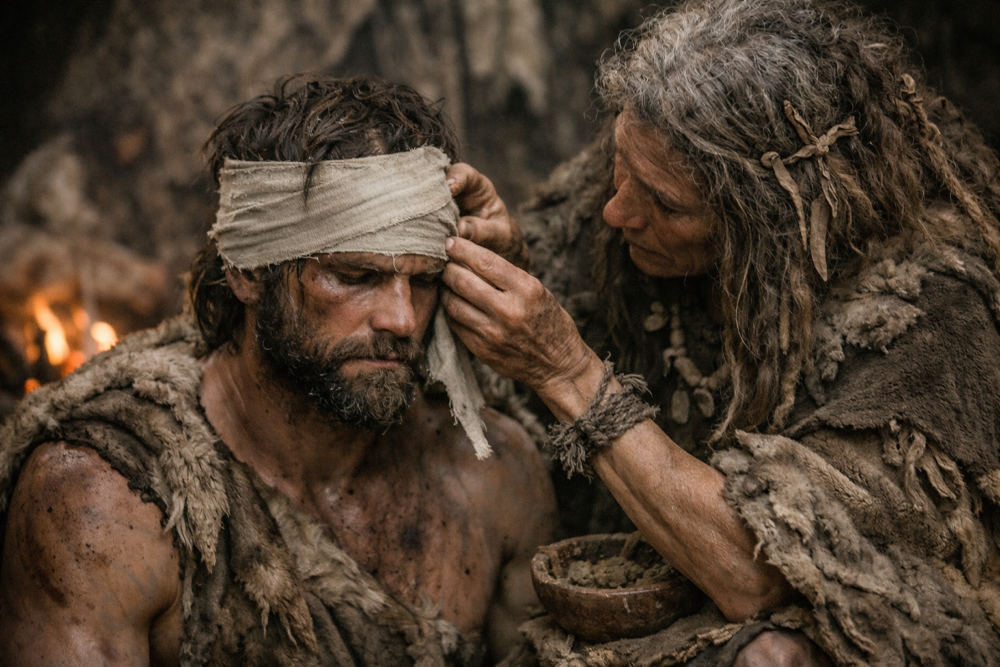
The presence of healing around the skull hole suggests the young man lived for a period after the surgery, hinting at medical knowledge and care within his community.
Far from a mere curiosity, the healed trepanation offers insight into early medical practices and the social importance of caring for those suffering from chronic ailments.
7. Context: a turbulent frontier
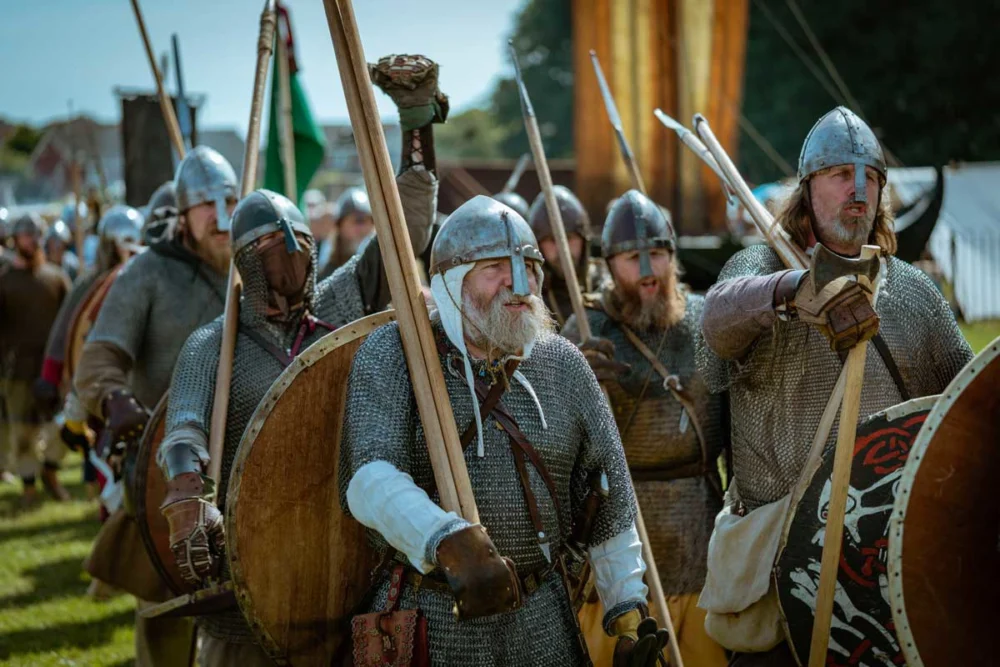
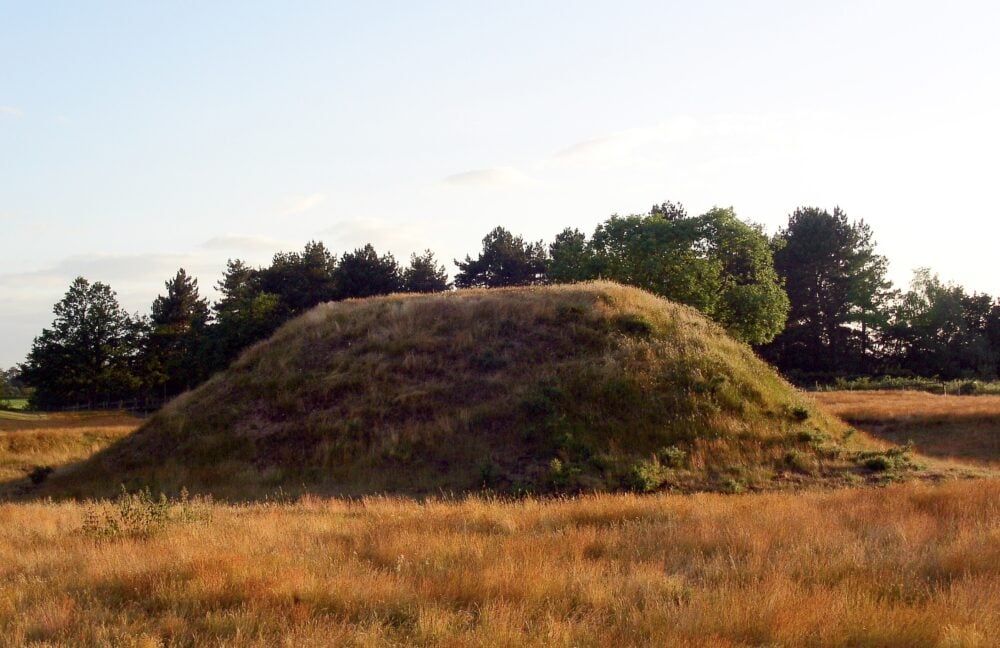
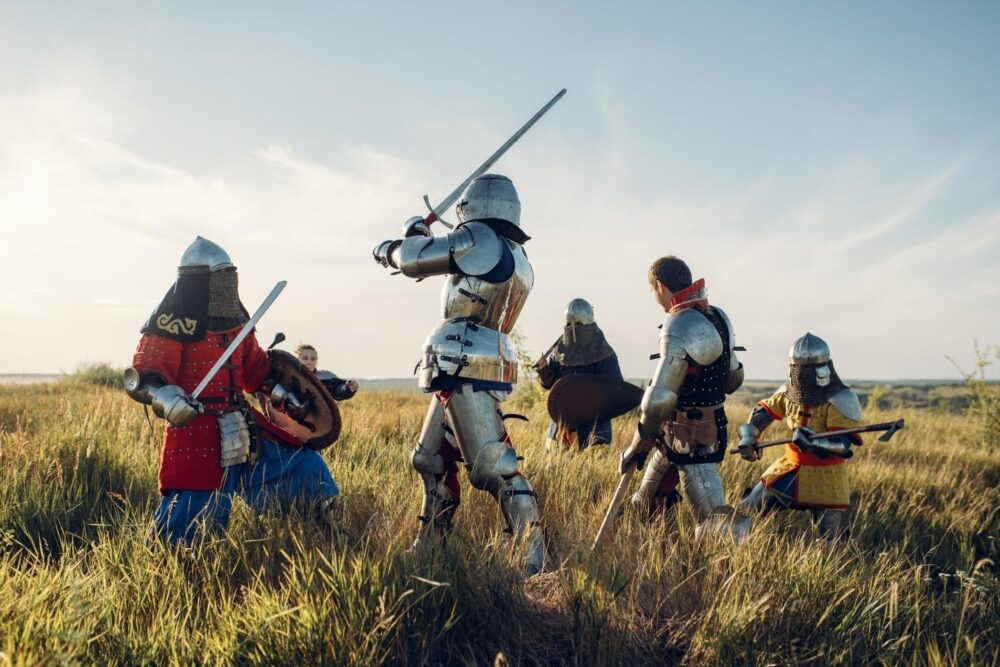
The burial’s date places it in a time of political and military upheaval in eastern England. Around the ninth century, the area that is now Cambridgeshire lay between Anglo-Saxon realms and territories influenced or invaded by Viking forces.
This frontier landscape saw frequent conflict, shifting alliances, and the kind of violence that could easily produce mass graves.
8. A mix of complete and scattered remains
That the pit contained both full skeletons and disarticulated bones suggests that not all of the dead were treated the same way before burial. Some may have been laid to rest intact, while others were fragmented after death.
The clustered skulls and stacks of legs resemble burial practices seen in other sites tied to mass violence and post-conflict collection of remains.
9. Ritual, execution, or aftermath of battle?
Archaeologists have not yet reached a consensus on why these individuals were buried together. The possibilities range from battlefield casualties gathered afterward to an execution pit where bound captives were killed.
The combination of trauma, binding evidence, and mixed remains suggests this could have been a punitive act as much as a pragmatic disposal of the dead.
10. What’s next in the investigation
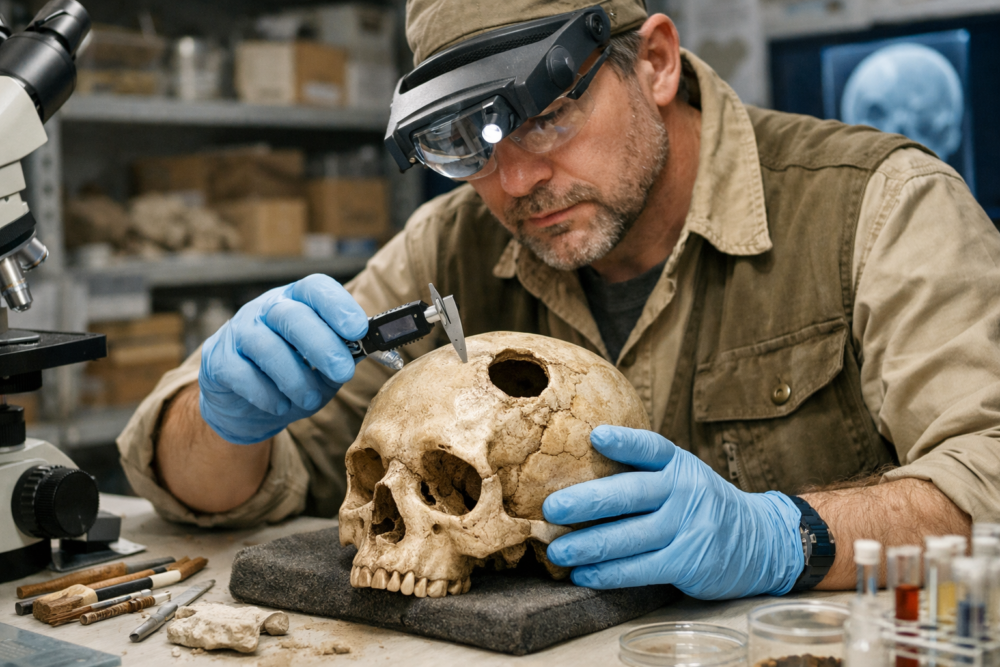
Researchers are planning a series of further studies, including radiocarbon dating to refine the timeframe, DNA analysis to learn about origins and kinship, and isotopic work to understand diet and mobility.
These tests will help paint a fuller picture of who these people were and what their lives, and deaths, can tell us about Viking-era cultures and conflicts.
11. What this discovery reveals about early medieval life
Beyond the sensational details, the mass grave reveals the harsh realities of life on the early medieval frontier. Violence, territorial disputes, and ritual practices all appear etched into the physical record.
Each bone and burial choice offers a narrative about how communities lived, fought, and commemorated their dead.
12. How a training dig became a landmark find
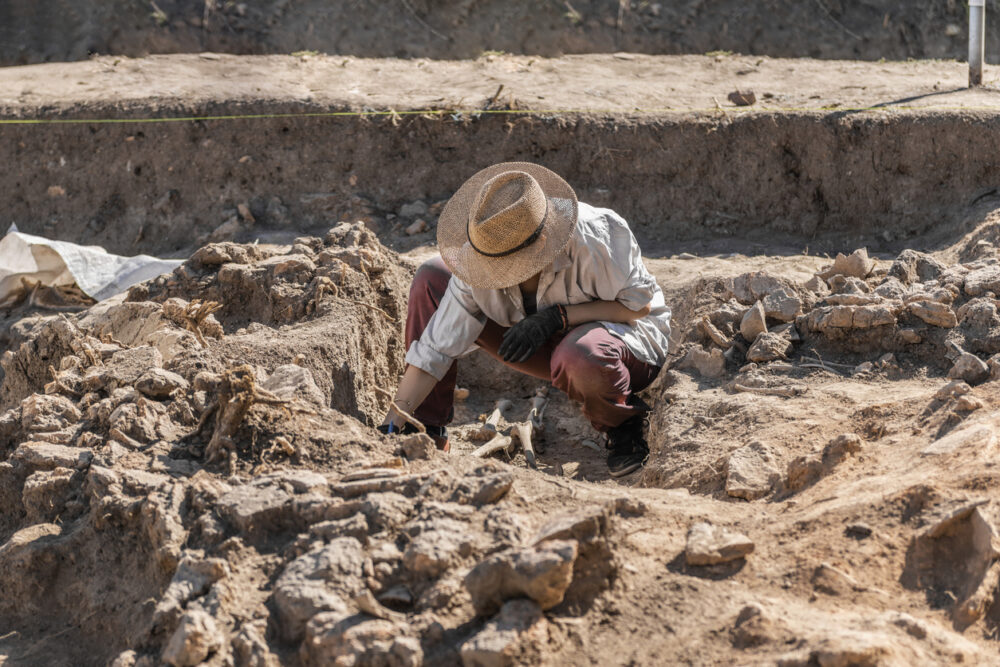
Perhaps most remarkable is that this discovery was made during a student training excavation, reminding us that even routine fieldwork can yield extraordinary insights into the human past.
For the students involved, uncovering a ninth-century burial pit with evidence of ancient surgery and towering stature was a once-in-a-career moment that deepens our understanding of Viking-era Britain.