
A viral claim about a 7,000-year-old Peruvian mummy is colliding with sharp pushback from experts.
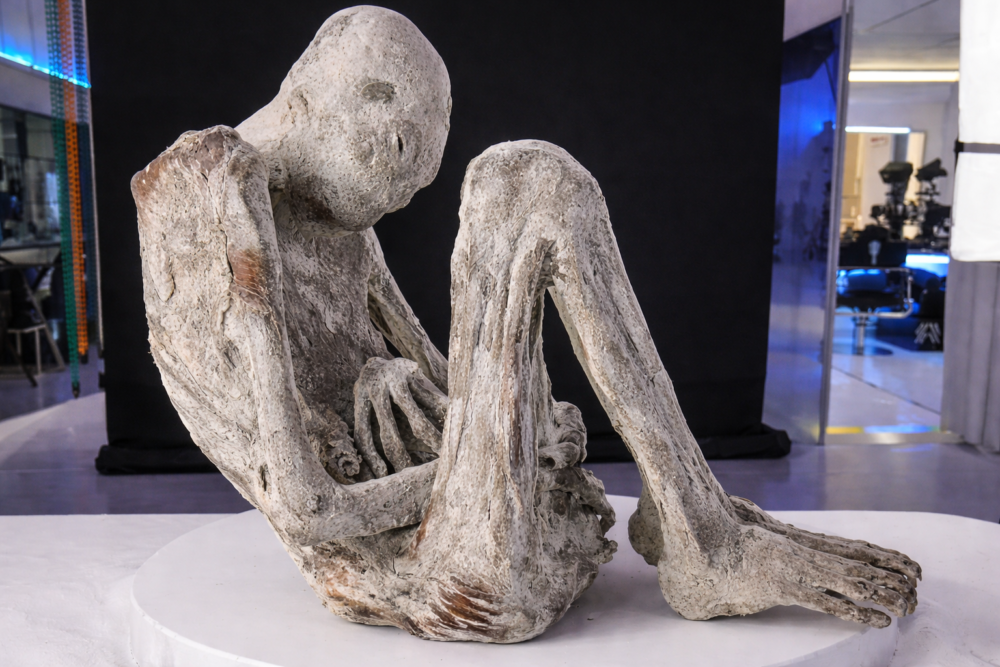
Online headlines say a 7,000-year-old mummy in Peru, along with tiny preserved figures showing elongated heads and three fingers, has DNA that is not human. It is a story built for shock, and it has spread fast.
But when authorities and independent specialists have examined similar “three-finger” specimens tied to the same ongoing saga, they have described them as assembled dolls made with animal and human bones and modern materials. The gap between the claim and the evidence is the real story, and it shows how tricky DNA headlines can be.
1. The story goes viral because the details feel impossible
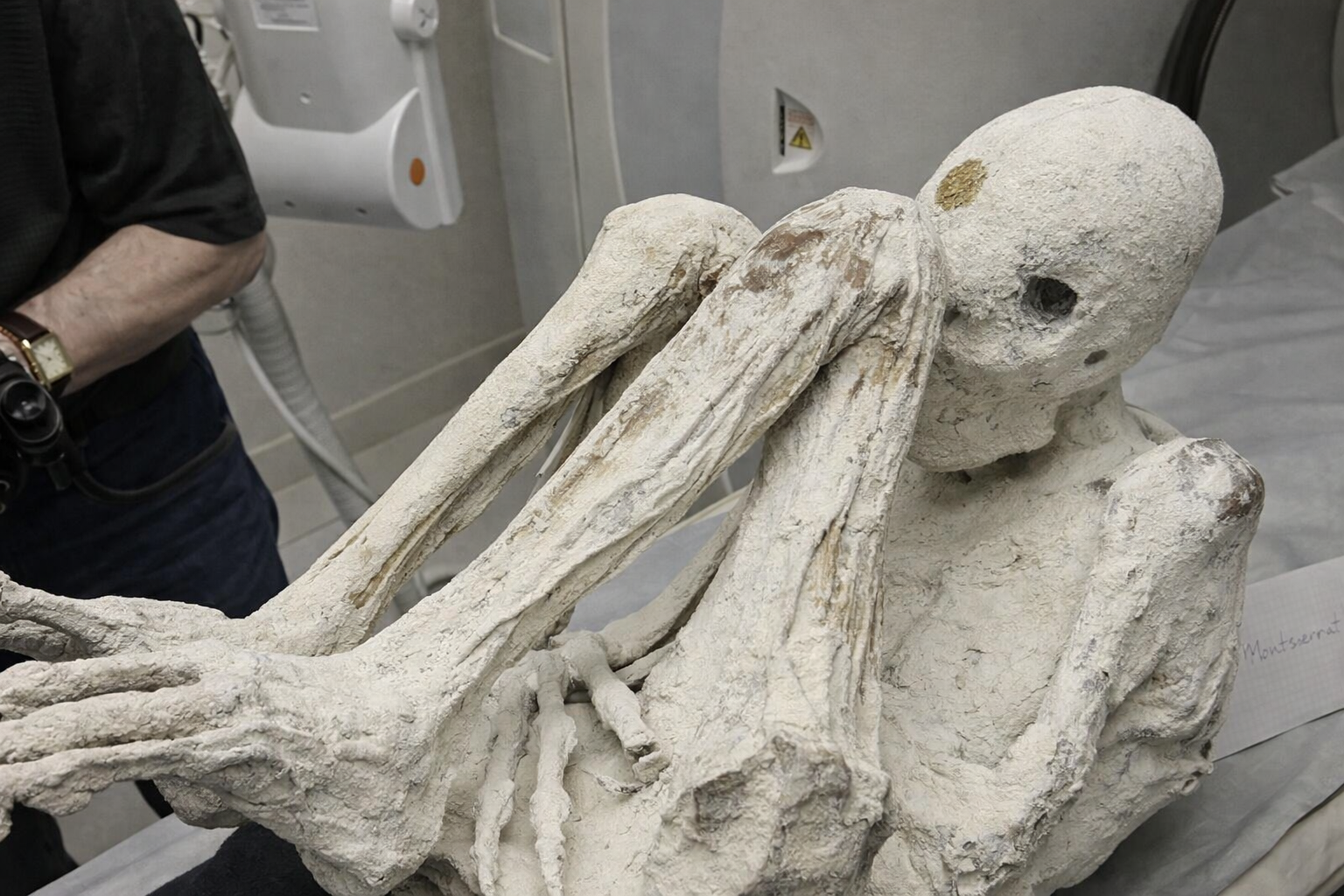
A preserved body, tiny “companions,” elongated heads, and three-fingered hands are the kind of visuals that short-circuit skepticism. Add a dramatic age estimate and a DNA claim, and it sounds like a discovery that rewrites everything.
That combination is exactly why the topic keeps resurfacing. It is not just about archaeology. It is about what people want to be true, what a photo suggests, and what a headline implies, long before careful verification catches up.
2. The first question is always the same: what exactly was tested

With extraordinary claims, “DNA results” can mean many things. Was the sample taken from bone, skin, or residue on the surface? Was it run in a reputable lab with proper contamination controls? Was the full methodology published?
Without that transparency, a DNA headline is just a headline. Ancient samples are fragile, easily contaminated, and hard to interpret. In real science, results are only as strong as the documented chain from specimen to lab to published methods.
3. Chain of custody is the make-or-break detail
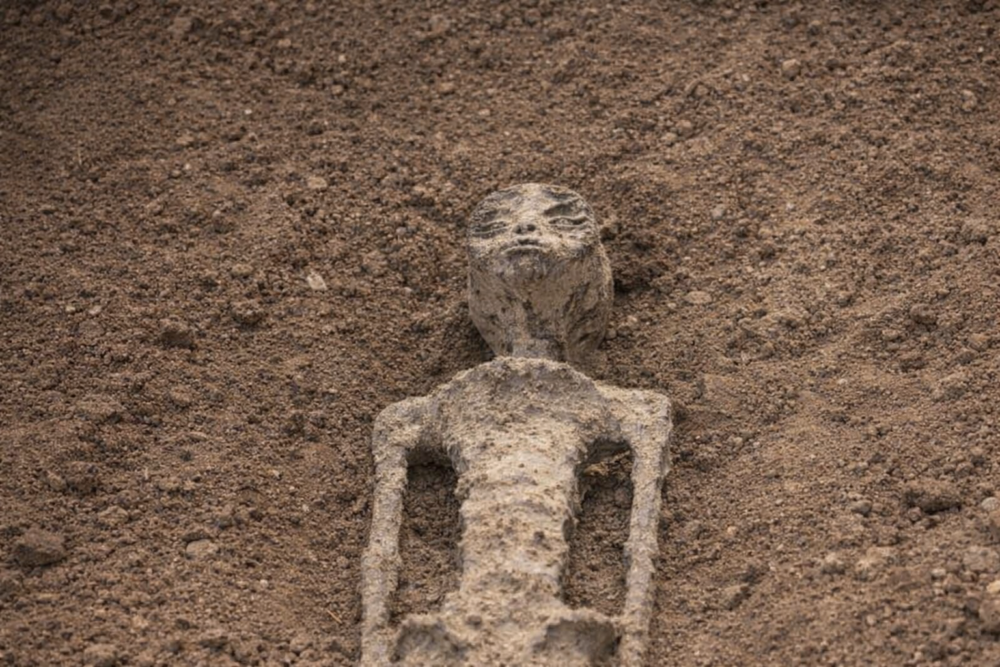
If you cannot clearly track where a specimen came from, who handled it, and how it was stored, everything gets muddy. That is true for art authentication and even more true for biological remains.
In this long-running “Nazca mummies” storyline, officials and critics have repeatedly raised concerns about provenance, handling, and the way specimens move through private hands and media events. That uncertainty makes clean scientific conclusions much harder to trust.
4. Peru’s forensic experts have called similar items modern fabrications
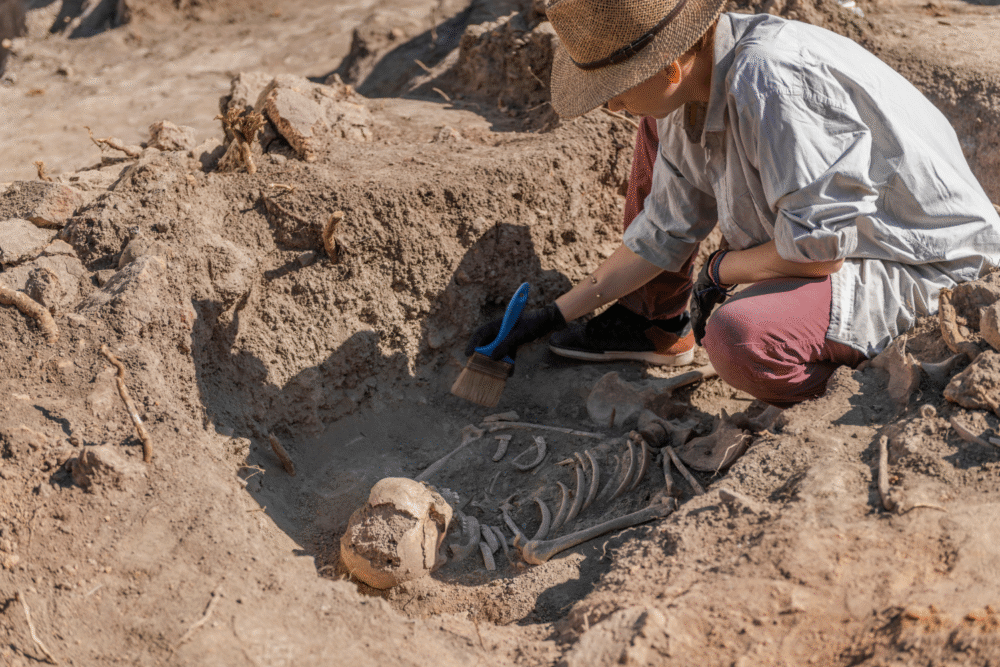
When Peruvian forensic experts examined seized “three-finger” figures connected to this broader controversy, they said the objects were not ancient beings. They described them as dolls assembled from paper, glue, metal, and a mix of animal and human bones.
That finding matters because it provides a grounded alternative explanation for why something might look “non-human.” If the object is assembled, then unusual anatomy is not evidence of a new species. It is evidence of construction.
5. The “not human DNA” line is often a misunderstanding

People hear “doesn’t match human DNA” and assume it means “alien.” In practice, it can mean degraded DNA, contamination, or incomplete coverage, especially with ancient samples.
It can also reflect mixed sources. If a specimen contains materials from different animals or humans, you may get a messy genetic signal. That is not mysterious biology. It is what you would expect if parts were combined or handled without strict controls.
6. Radiocarbon dates do not authenticate the whole object
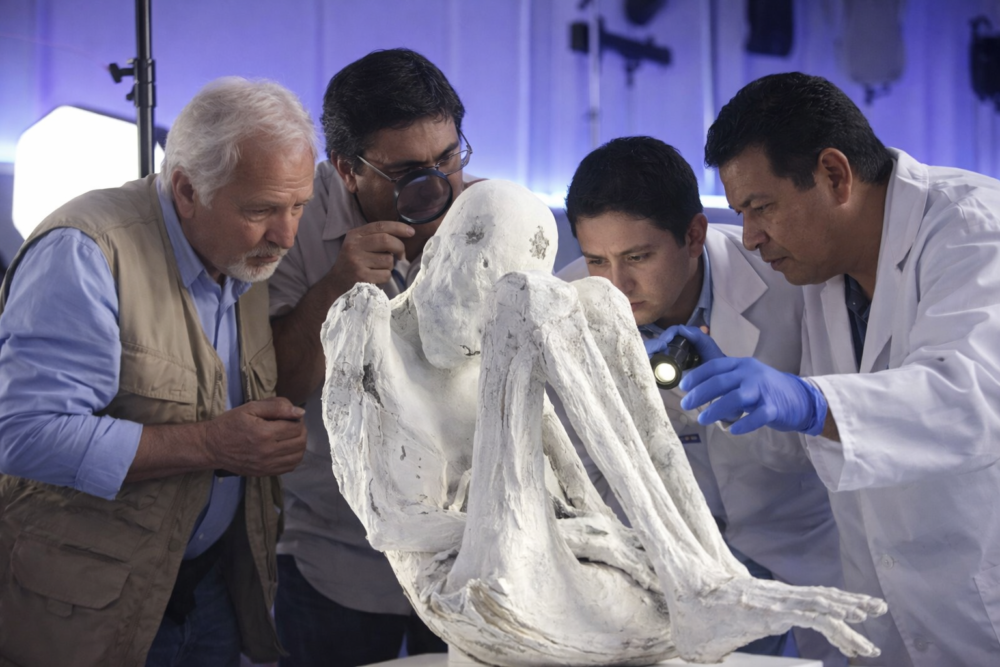
Another common confusion is dating. Radiocarbon testing can tell you the age of the organic material you tested, not the age of an assembled artifact as a whole.
If an object contains genuinely old bone plus newer adhesives or modern assembly, one test can produce an ancient date while the final “body” is modern. That is why dating must be paired with anatomy, materials analysis, and provenance, not treated as a single knockout punch.
7. Public spectacles can outrun the science

This saga has repeatedly played out in press events and political settings, including high-profile presentations that generate attention before peer review. That format rewards certainty, not careful language.
Scientists who have reviewed publicly presented results have concluded they point to normal Earth life, not something beyond biology as we know it. That does not end the debate for believers, but it shows why credible review matters more than dramatic stagecraft.
8. Anatomy clues often tell a clearer story than the headline
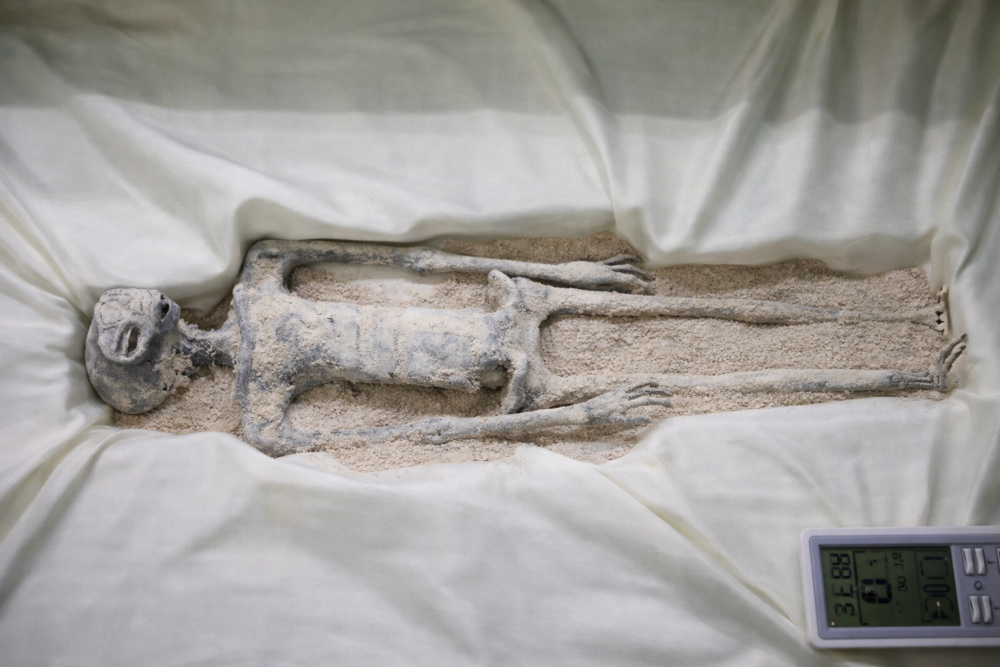
When specialists evaluate questionable “mummies,” they look for basic biological coherence: do joints articulate naturally, do bones align, and do proportions make sense for movement and growth?
In examined “three-finger” items, authorities have described construction methods and mismatched materials that do not behave like a real organism. If anatomy looks engineered rather than evolved, that strongly undercuts claims of a genuine new species.
9. The most honest conclusion right now is “unproven and disputed”
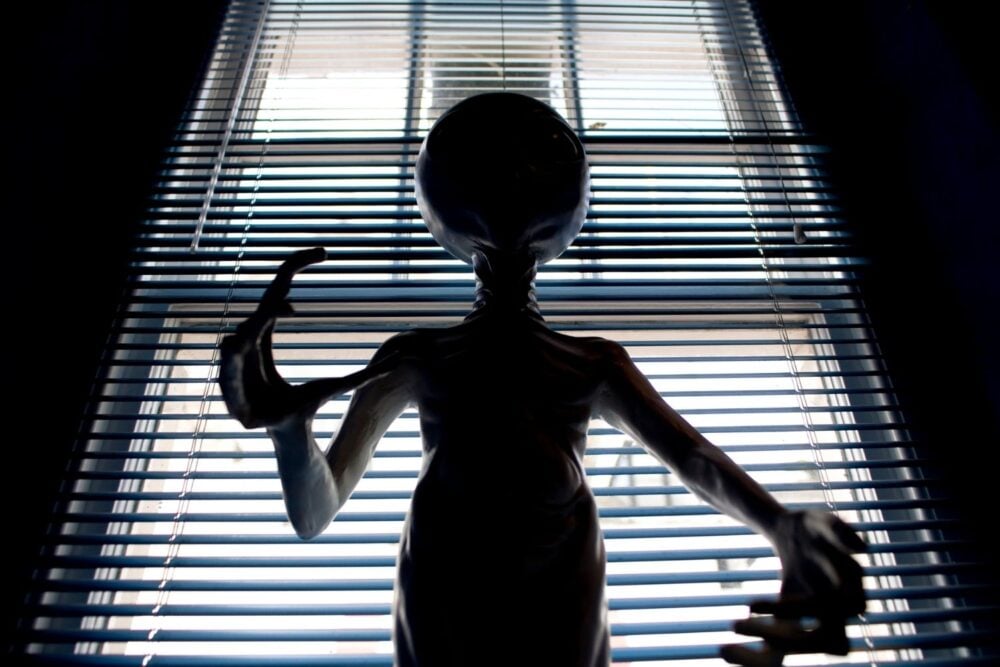
Some outlets and online sources present the story as solved: “not human.” But the most reliable reporting shows active dispute, serious provenance concerns, and official findings that at least some related specimens are fabricated.
So for a mainstream audience, the responsible angle is not “aliens confirmed” or “mystery solved.” It is how extraordinary claims spread, and how real verification works when sensational visuals collide with lab reality.
10. A good rule: extraordinary claims need extraordinary paperwork
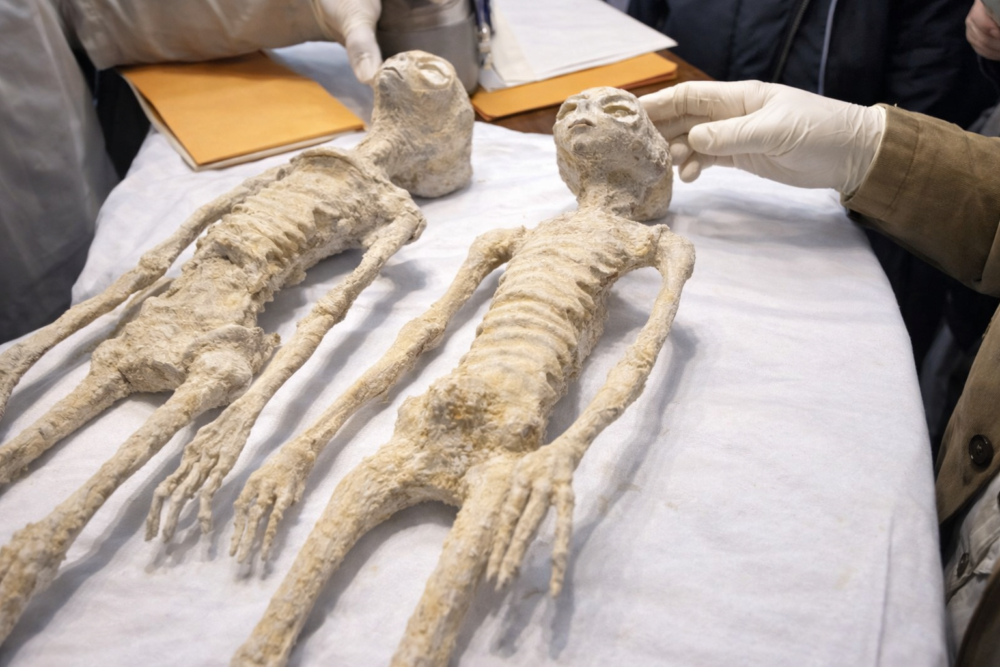
If a claim is real, it should survive sunlight: full lab methods, independent replication, clear chain of custody, and publication that allows other experts to challenge it.
Until that exists, the safest takeaway is simple. The internet can turn uncertainty into certainty in a day. Science moves slower, on purpose, because the cost of being wrong is higher than the cost of waiting for stronger evidence.