
Scientists warn falling oxygen in oceans and freshwater could push Earth closer to a dangerous environmental tipping point.
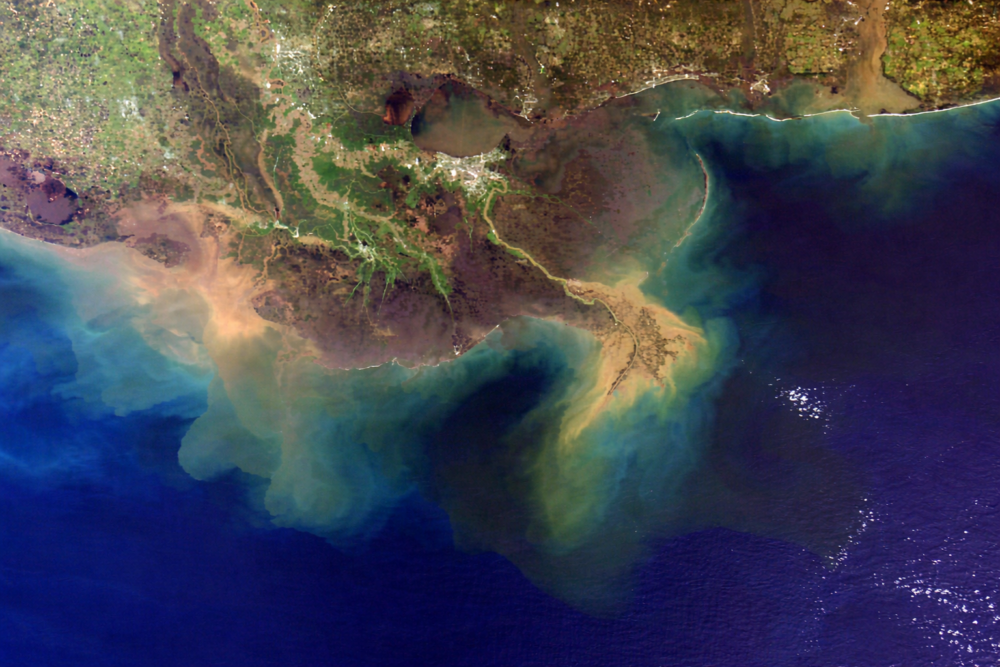
For decades, researchers have tracked a quiet but accelerating change in the world’s waters. Oxygen levels in oceans, lakes, and rivers are steadily declining, and the shift is happening almost everywhere scientists look.
This phenomenon, often called aquatic deoxygenation, is driven by warming temperatures, nutrient pollution, and disrupted water circulation. Its effects ripple through ecosystems, food systems, and even the climate itself, leading some researchers to argue it may represent Earth’s next planetary tipping point.
1. What aquatic deoxygenation really means
Aquatic deoxygenation refers to the long-term decline of dissolved oxygen in oceans, lakes, rivers, and reservoirs. Dissolved oxygen is essential for most aquatic organisms, from fish and shellfish to microscopic plankton.
When oxygen levels drop, animals struggle to breathe, reproduction declines, and ecosystems become stressed. Unlike sudden pollution events, deoxygenation often unfolds slowly, making it harder to notice until damage is widespread.
2. Why water is losing oxygen
Warming temperatures are a major driver because warmer water physically holds less oxygen. As climate change heats oceans and inland waters, their capacity to retain oxygen steadily decreases.
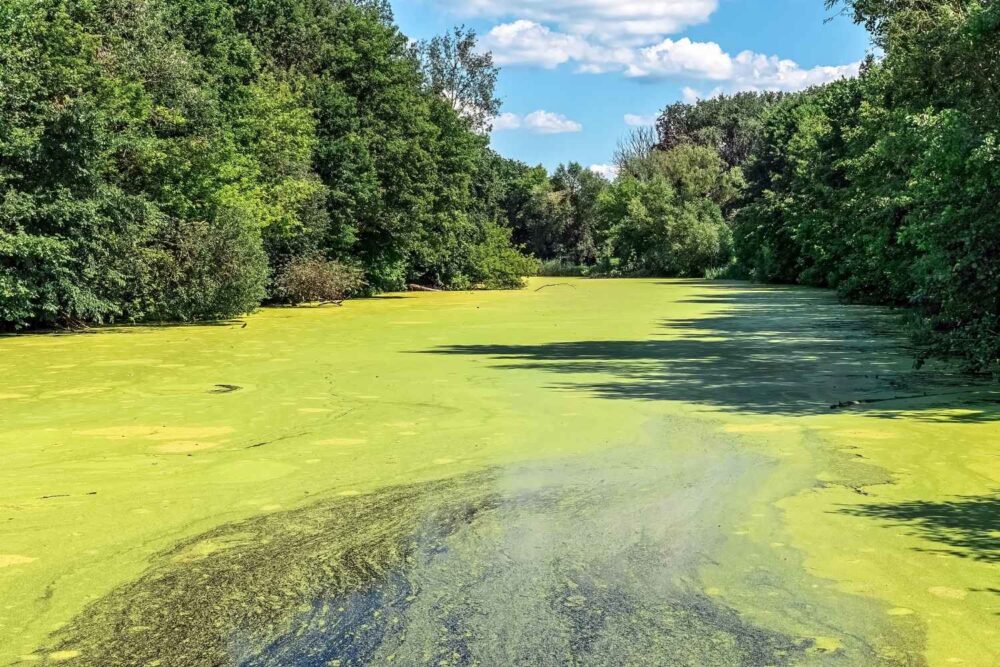
At the same time, nutrient pollution from agriculture and wastewater fuels algae blooms. When these blooms die and decompose, bacteria consume large amounts of oxygen, further depleting already stressed waters.
3. A planetary boundary in the making
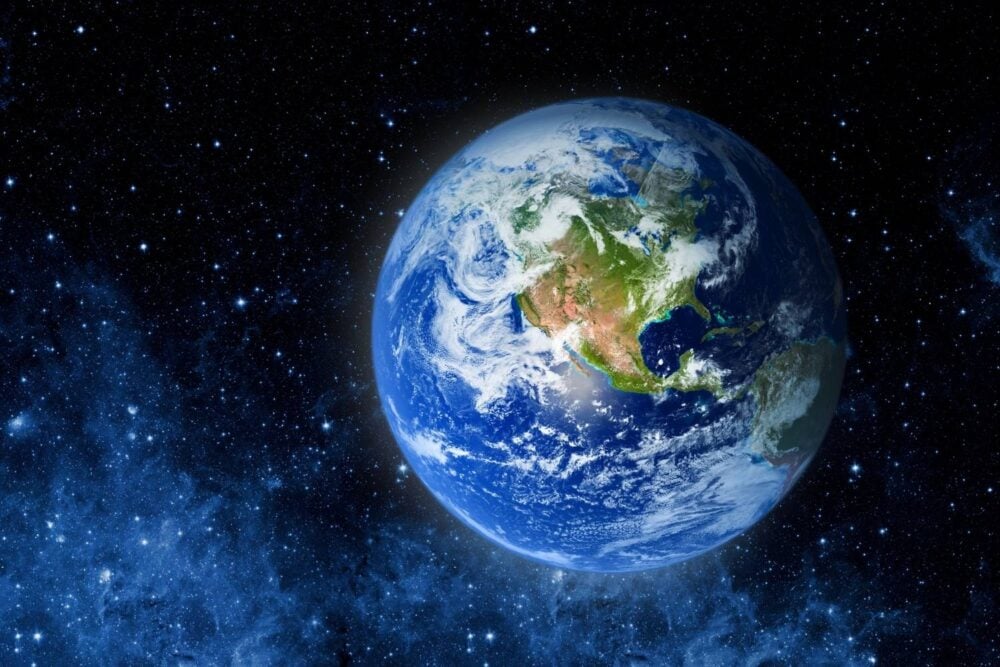
Scientists use the concept of planetary boundaries to describe limits beyond which Earth systems may become unstable. Climate change and biodiversity loss are already considered breached boundaries.
Researchers now argue that widespread oxygen loss in water could deserve similar status. Crossing this threshold could trigger large-scale, difficult-to-reverse changes in ecosystems and global chemical cycles.
4. How much oxygen has already disappeared

Since the mid-20th century, global ocean oxygen levels have declined by roughly 1 to 2 percent. While that number may sound small, the losses are uneven and severe in certain regions.
In parts of the Pacific, Atlantic, and Indian oceans, oxygen-poor zones have expanded dramatically. These regional declines can reshape entire marine habitats and food webs. Scientists warn that continued warming could accelerate these losses faster than ecosystems can adapt.
5. Dead zones and hypoxia
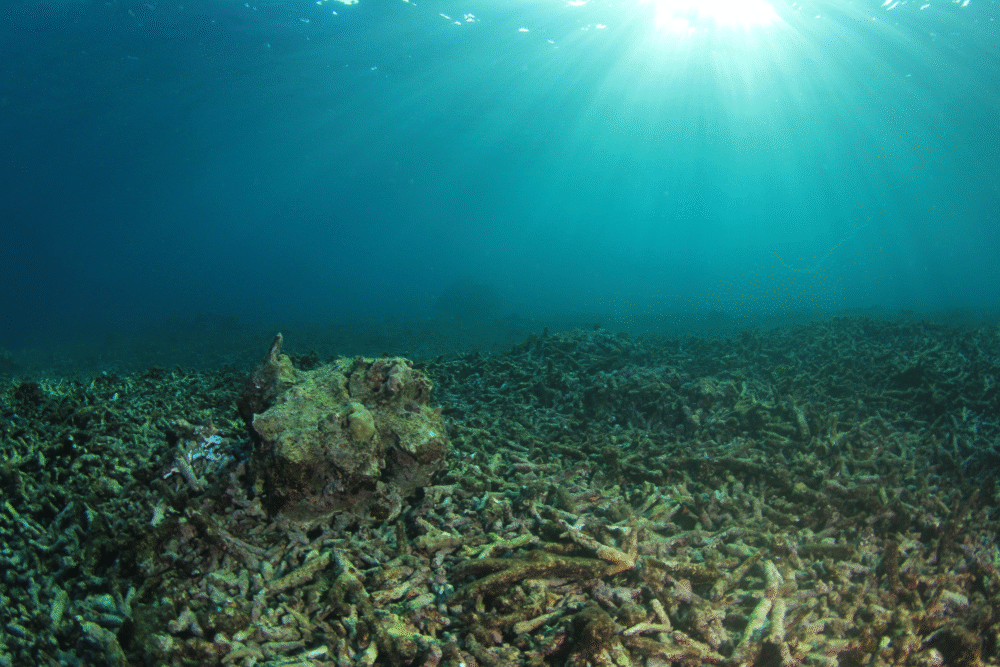
In areas where oxygen drops to extremely low levels, so-called dead zones can form. These zones support little to no marine life and are becoming more frequent near coastlines.
Fish and invertebrates either flee or die when oxygen falls below critical thresholds. Over time, recurring dead zones can devastate fisheries and permanently alter local ecosystems. Some coastal regions now experience these conditions seasonally instead of occasionally.
6. What this means for marine species
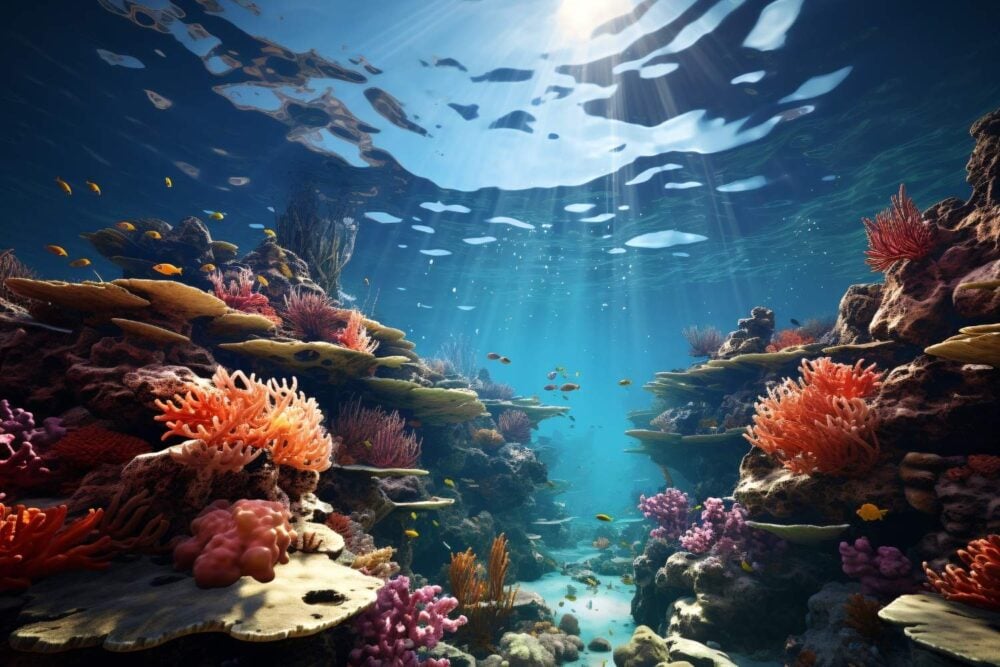
Many marine animals rely on narrow oxygen ranges to survive. As oxygen declines, their habitable zones shrink, forcing species into smaller areas where competition increases.
Some species migrate, others decline, and many disappear entirely. This loss of biodiversity weakens ecosystems and makes them more vulnerable to other stresses like warming and overfishing. The result is a less stable ocean system overall.
7. How lakes, rivers, and reservoirs are affected
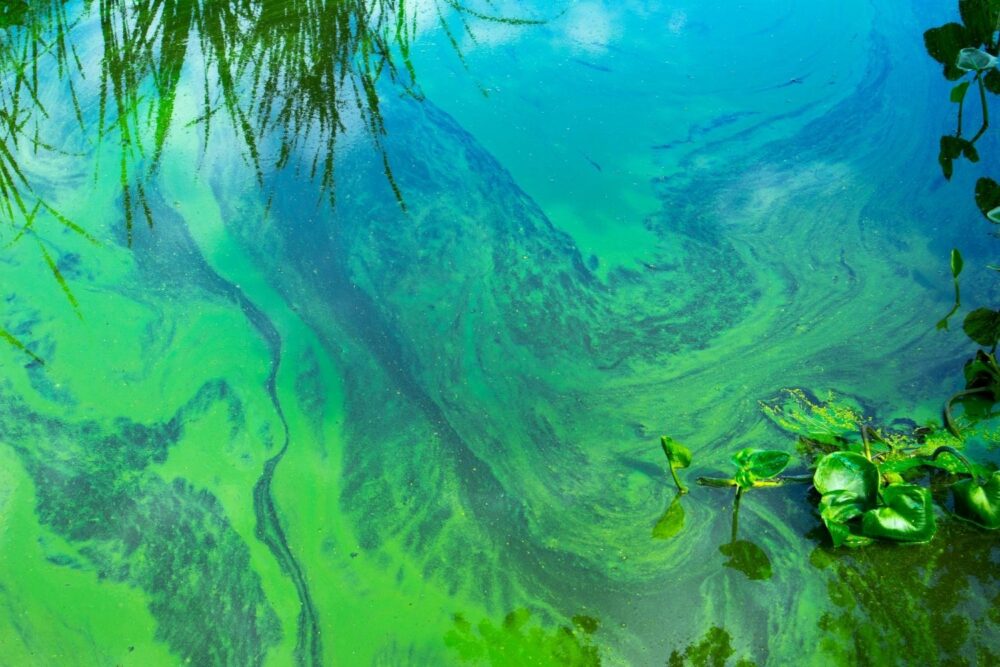
Deoxygenation is not limited to oceans. Freshwater systems are also losing oxygen, in some cases at even faster rates than marine environments.
Low oxygen in lakes and reservoirs can trigger fish kills, promote harmful bacteria, and degrade drinking water quality. These impacts directly affect communities that depend on freshwater for food, recreation, and supply. Warmer summers and nutrient runoff are making these freshwater problems more frequent and severe.
8. Why it matters to humans
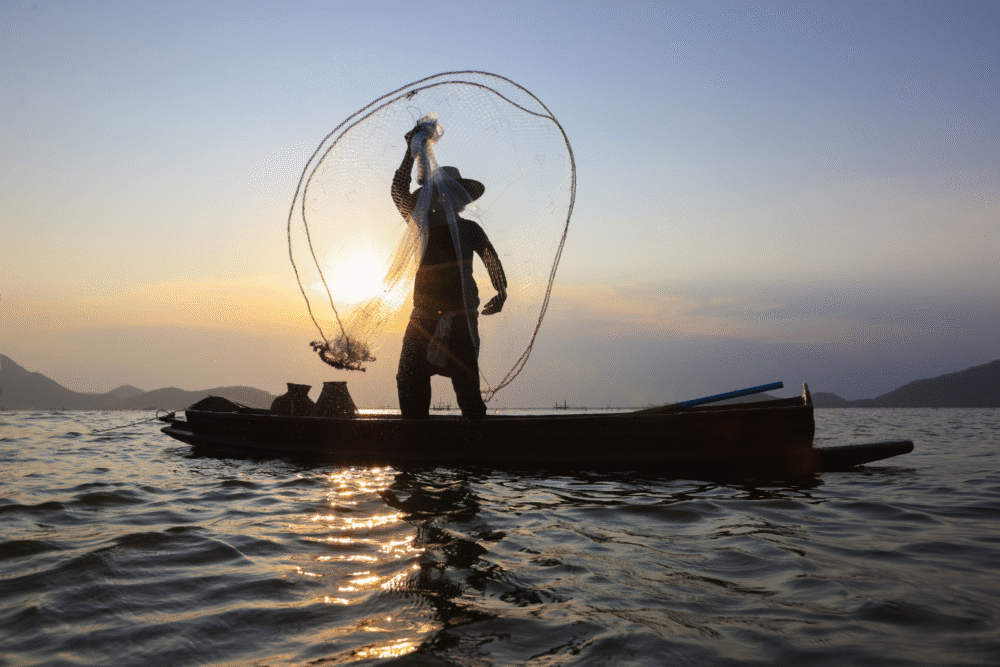
Oxygen-rich waters support fisheries, aquaculture, and ecosystems that feed and employ millions of people worldwide. As oxygen declines, those systems become less productive and less reliable.
The consequences extend beyond economics. Cultural traditions, food security, and public health are all tied to the stability of aquatic ecosystems that are now under growing strain. Coastal and inland communities are often the first to feel these impacts.
9. The feedback loop with climate change

Aquatic deoxygenation doesn’t just result from climate change. It can also intensify it by altering how gases move between water and the atmosphere.
Low-oxygen conditions can increase the release of powerful greenhouse gases like nitrous oxide and methane. These emissions further warm the planet, creating a feedback loop that accelerates both climate change and oxygen loss. Scientists worry this cycle could be difficult to break once fully underway.
10. A looming crisis or a chance to reverse course
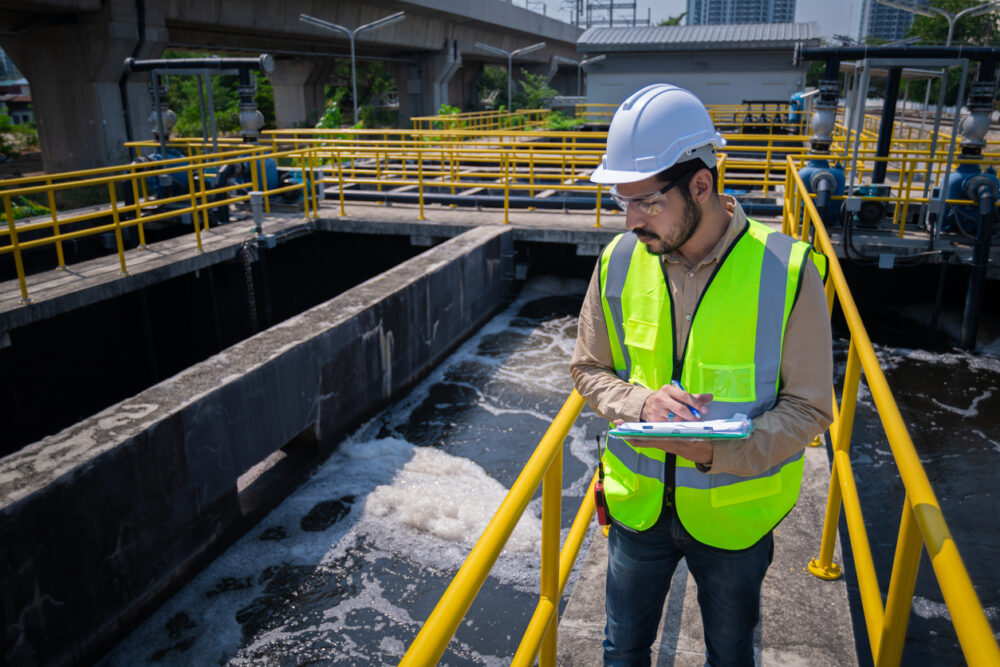
Scientists emphasize that oxygen loss is not inevitable. Reducing greenhouse gas emissions, cutting nutrient runoff, and improving wastewater treatment can slow or even reverse some damage.
Actions that protect oxygen levels also improve water quality and ecosystem health. Addressing the problem now could prevent more severe and costly interventions later. Delaying action increases the risk of crossing ecological thresholds.
11. Why this hidden crisis deserves attention
Unlike storms or droughts, oxygen loss happens largely out of sight, beneath the surface of water bodies. That invisibility has kept it out of public awareness for years.
Researchers warn that ignoring it could be costly. Bringing deoxygenation into the spotlight now may be essential to preventing cascading ecological and climate consequences. Awareness is the first step toward meaningful policy and behavioral change.