
A find sealed behind sediment for 57,000 years is pointing to a maker most people never expect.
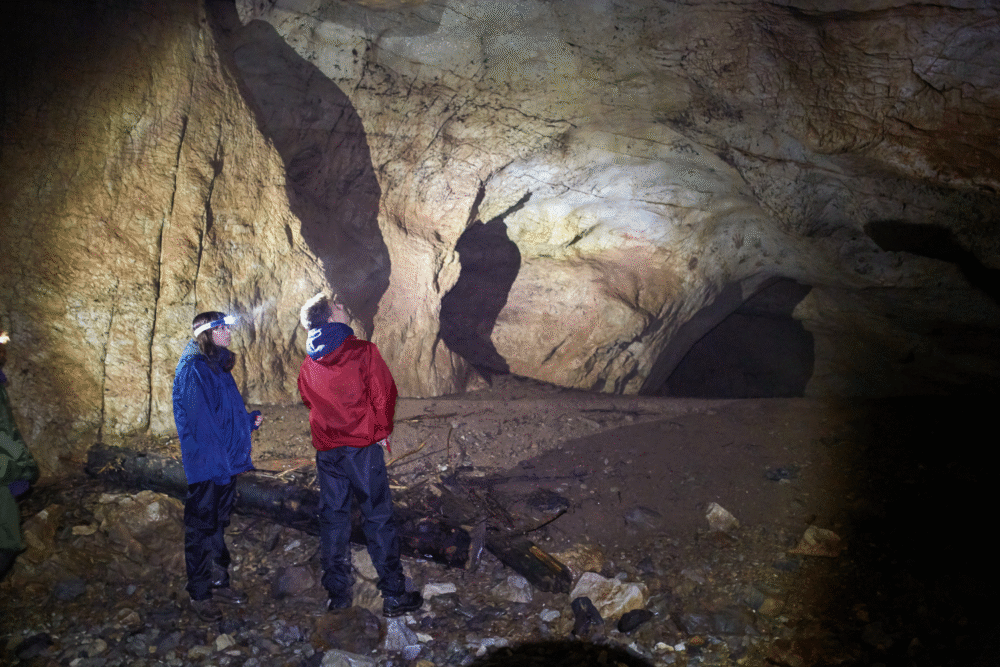
For generations, the La Roche-Cotard cave in France’s Loire Valley sat cut off from the outside world. Natural sediment blocked its deepest chambers, sealing fragile wall surfaces the way a vault locks away documents.
New research now suggests markings inside the cave were deliberately made before that seal formed. That timing rules out Homo sapiens and instead points to Neanderthals, raising new questions about abstract behavior and creativity long before modern humans arrived in Europe.
1. A Cave That Became Its Own Time Capsule
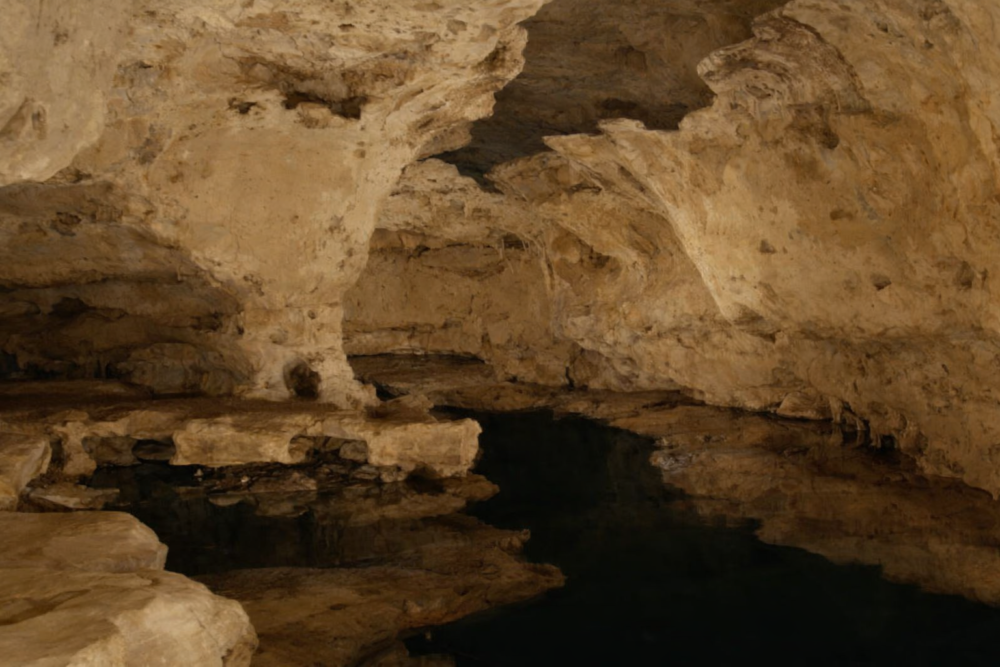
La Roche-Cotard is not just another prehistoric site. After ancient visits, parts of the cave were sealed by cold-period sediments, blocking access and preserving fragile traces on the walls.
That sealing matters because it limits later disturbance. If the cave was closed more than 57,000 years ago, anything made on those interior walls must be older than that closure, and that timing becomes the key to the entire mystery.
2. The “Discovery” Was Not a Skeleton
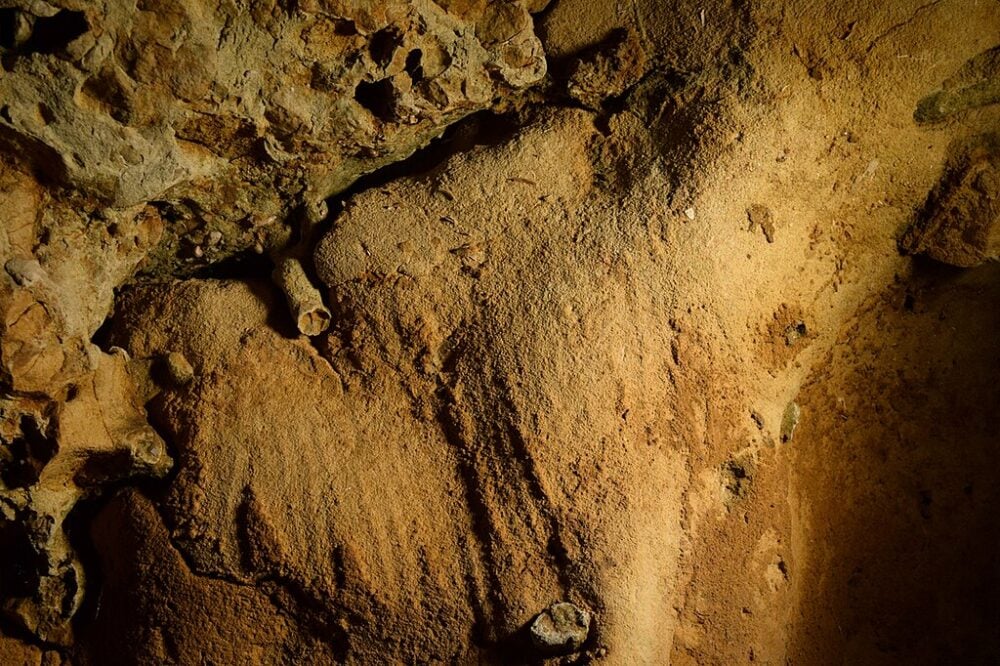
The headline-grabbing find is not a new fossil or a buried body. It is a set of non-figurative wall markings made on soft rock surfaces inside the cave.
Researchers describe them as deliberately produced lines, dots, and finger-traced impressions arranged in structured patterns. They are not random scratches from animals or erosion, and their placement suggests purposeful activity rather than natural damage.
3. Why Scientists Say It Was Not Homo Sapiens

The argument hinges on timing. Scientists dated the cave’s closure to about 57,000 years ago using sediment analysis tied to when those layers were last exposed to light.
In western Europe, there is no accepted evidence of Homo sapiens in the region that early. If the cave was already sealed, later humans could not have entered to make the markings, narrowing the list of possible makers.
4. The Likely Makers Were Neanderthals

Neanderthals lived in Europe until roughly 40,000 years ago and were present long before that. If the cave walls were marked prior to a 57,000-year closure, Neanderthals become the most plausible candidates.
Researchers interpret the engravings as intentionally created and attribute them to Neanderthals. That places deliberate marking behavior well before the period most people associate with cave art.
5. These Are Not Animal Claw Marks or Bear Scrapes

One of the first questions researchers addressed was whether animals could have made the marks. The patterns show repeated, organized actions consistent with fingers or tools being dragged across a soft surface.
Their spacing and orientation differ from random clawing or incidental contact. The wall appears to have been treated as a surface meant to be worked, not merely brushed against.
6. They Are “Abstract” and That Is the Point
The markings inside La Roche-Cotard do not resemble animals, people, or recognizable scenes. There are no outlines, symbols, or figures that can be easily interpreted. Instead, the walls display lines, dots, and finger-made impressions arranged in ways that appear deliberate but non-representational.
This absence of imagery is central to the discovery. The significance lies not in what the markings depict, but in the decision to make them at all. Creating abstract marks suggests focused attention, repeated action, and a willingness to engage with a surface for reasons beyond immediate survival.
7. How the Cave Was Dated

Scientists relied on multiple sediment samples inside and around the cave to estimate when access was blocked. These methods date when mineral grains were last exposed to light.
That provides a minimum age for the engravings. If the cave became inaccessible around 57,000 years ago, the markings must be older than that, even if their exact age cannot be pinpointed.
8. Why This Site Stands Out From Other Claims

Claims of Neanderthal symbolism have often been debated because dates or contexts were uncertain. La Roche-Cotard stands out because the cave closure creates a firm boundary that is difficult to challenge.
The markings also appear across multiple panels, suggesting repeated behavior rather than a single accidental event.
9. A Site Already Linked to Neanderthal Debate

La Roche-Cotard is also known for a debated stone object sometimes described as a face-like form associated with Neanderthal layers.
Whether or not that interpretation is accepted, the site has long played a role in discussions about Neanderthal cognition. The wall markings add a different kind of evidence, directly tied to the cave interior.
10. What Researchers Are Careful Not to Claim
The study does not claim the markings represent language, writing, or storytelling. There is no attempt to assign meaning to the patterns.
Instead, the conclusion focuses on intentionality. The evidence supports that Neanderthals deliberately created structured, non-figurative marks, without overstating what those marks meant.
11. The Bigger Shift Hidden Inside the Cave

For decades, symbolic behavior was often treated as exclusive to Homo sapiens. Discoveries like this continue to blur that boundary.
If Neanderthals were making abstract markings more than 57,000 years ago, it suggests their cultural and cognitive abilities were more complex than once assumed. The cave preserves not just marks on stone, but a challenge to long-standing ideas about what it means to be human.