
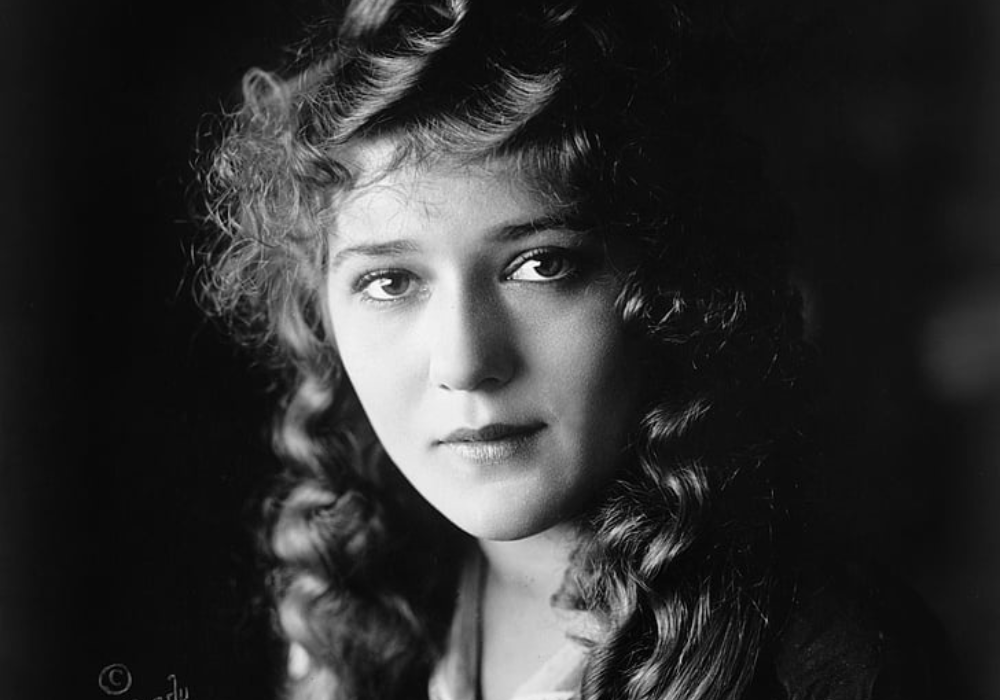
Some of the women who changed Hollywood most never looked like the ones in the spotlight. Their work was folded into credits, hidden behind studio politics, or swallowed by the myth of a single “great man.”
But when you follow the paper trail, the patents, the contracts, and the edits, you start to see the real story. Hollywood’s biggest shifts often began with someone audiences barely knew.
Here are 12 women whose moves still shape what you watch, even if their names feel like secrets the industry forgot to keep.
1. Alice Guy-Blaché, the storyteller before Hollywood had a language
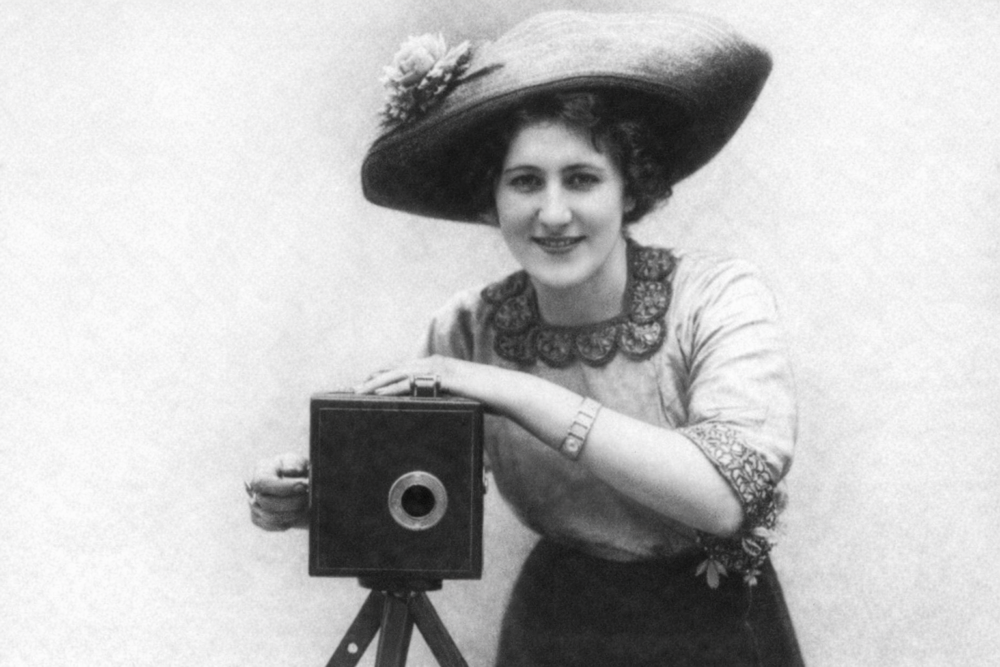
Before “movies” meant feature films, Alice Guy-Blaché was already experimenting with narrative, performance, and effects. She is widely regarded as the first woman to direct a film and one of the earliest fiction filmmakers overall.
She later founded and ran her own company, Solax, helping prove that audiences would follow stories, not just moving images. Much of early film history erased her role, but the foundations of cinematic storytelling bear her fingerprints.
2. Mary Pickford, the star who built a power escape hatch
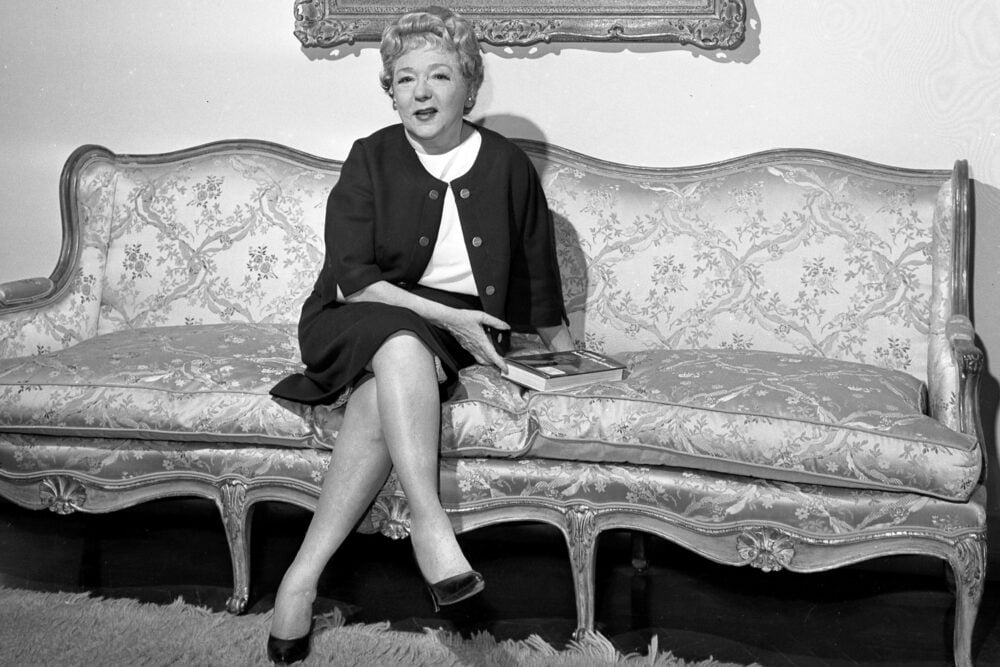
Mary Pickford wasn’t only “America’s Sweetheart.” She was also a shrewd businesswoman who negotiated creative control at a time when studios held most of the power.
In 1919, she co-founded United Artists with Charlie Chaplin, Douglas Fairbanks, and D.W. Griffith. The move created a new path for major talent to distribute films without surrendering total control to the studio system.
3. Lois Weber, the director who became too powerful to ignore
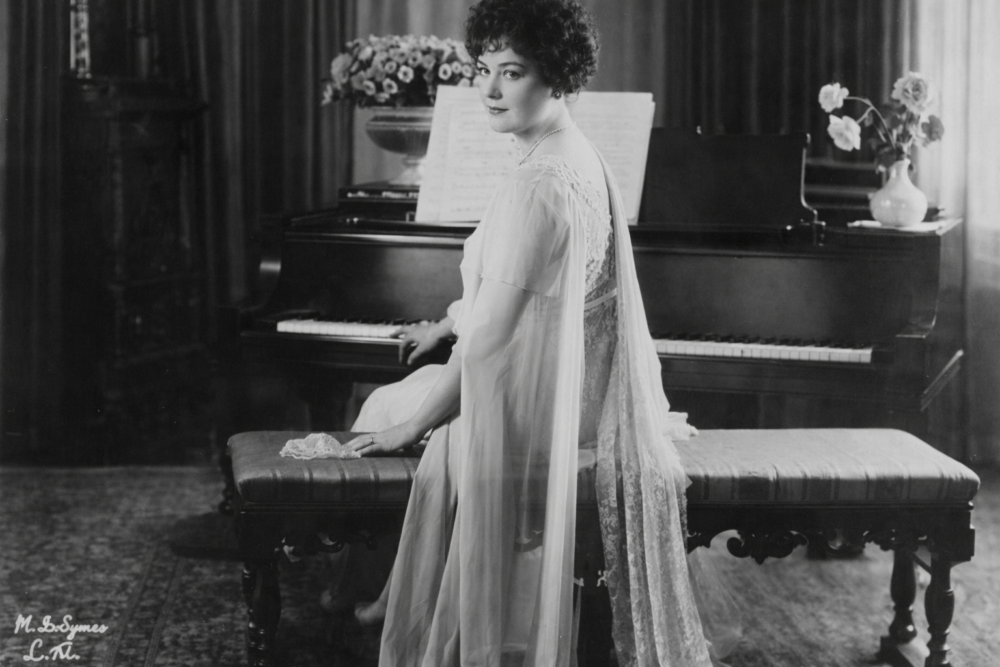
During the silent era, Lois Weber rose to become one of Hollywood’s most influential writer-directors. She tackled social issues, drew large audiences, and demonstrated that serious themes could succeed commercially.
By the mid-1910s, she was reportedly one of the highest-paid directors in the industry. Her career is a clear reminder that women held real power in early Hollywood, even if later histories tried to erase it.
4. Frances Marion, the pen behind hundreds of films
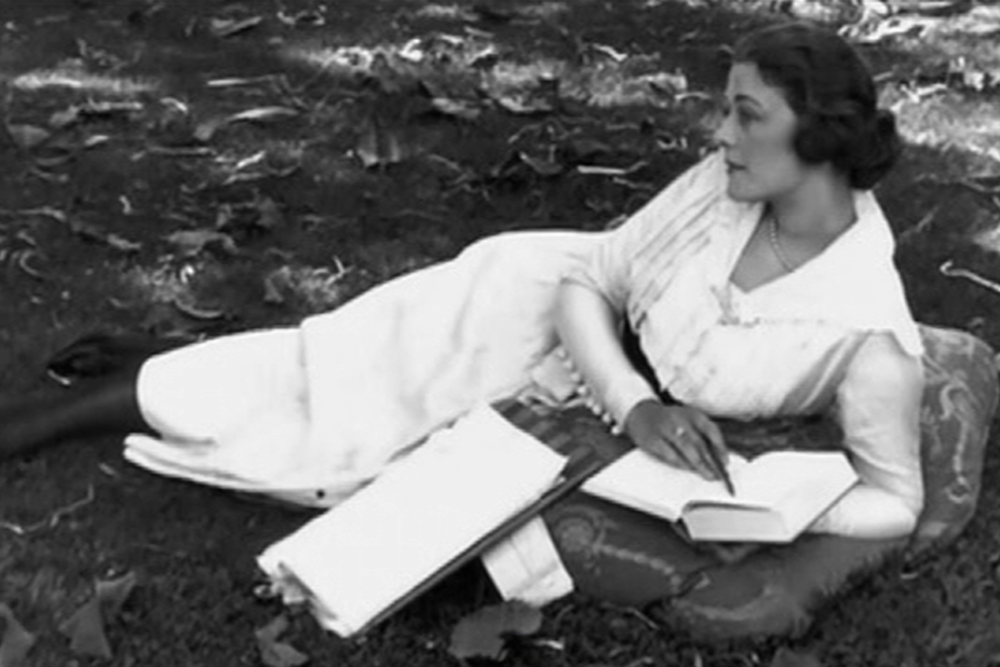
Frances Marion was one of the most prolific and influential screenwriters of the studio era. She helped define what a “movie story” looked like when the industry was still inventing its narrative grammar.
She won Academy Awards for The Big House and The Champ and wrote hundreds of scripts. If Hollywood ran on stories, Marion was one of its primary engines.
5. Dorothy Arzner, the director who changed the technology on set
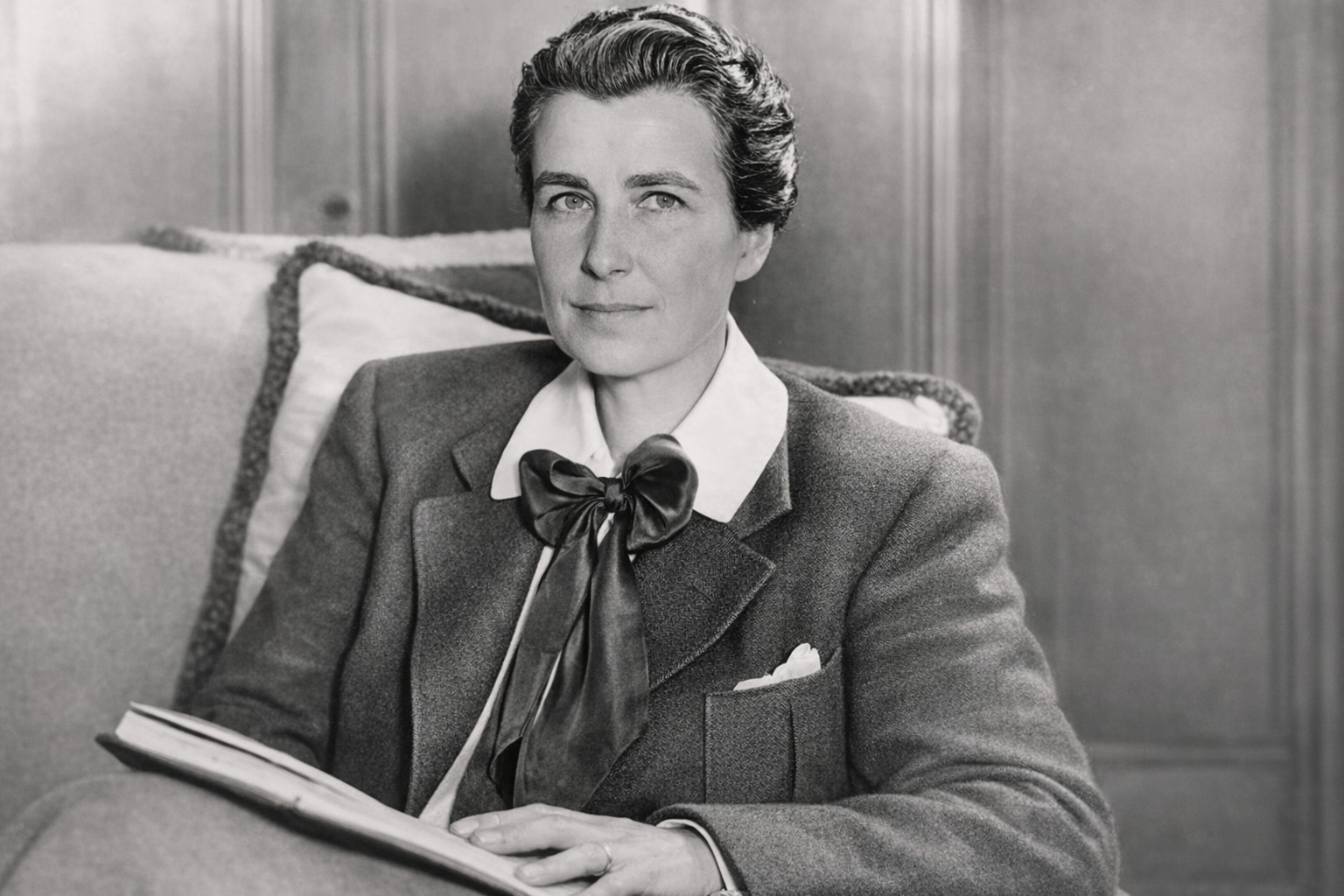
Dorothy Arzner directed major studio films at a time when few women were allowed behind the camera. She was also a practical innovator who solved problems the industry had not yet addressed.
She is often credited with developing an early boom microphone setup so actors could move freely while recording sound. She also became the first female member of the Directors Guild of America.
6. Ida Lupino, the actor who seized the director’s chair
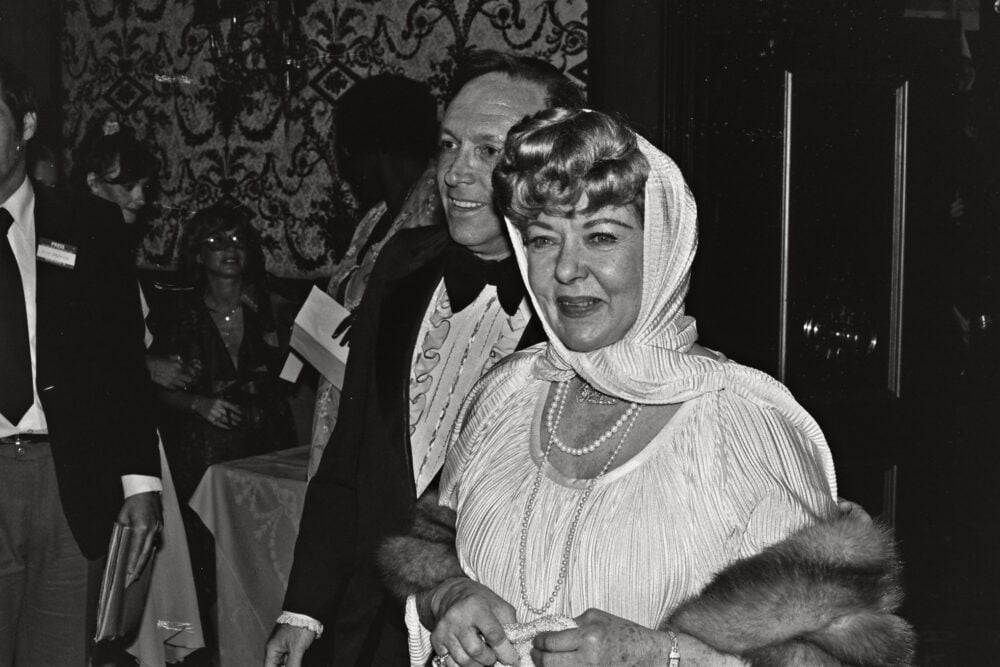
Ida Lupino knew the studio system from the inside and eventually decided acting was not enough. She formed an independent production company and directed films that tackled subjects studios avoided.
In 1953, she directed The Hitch-Hiker, often cited as the first film noir directed by a woman. Her work challenged the idea that women could not lead darker or traditionally “male” genres.
7. Hedy Lamarr, the star whose invention outlived the spotlight
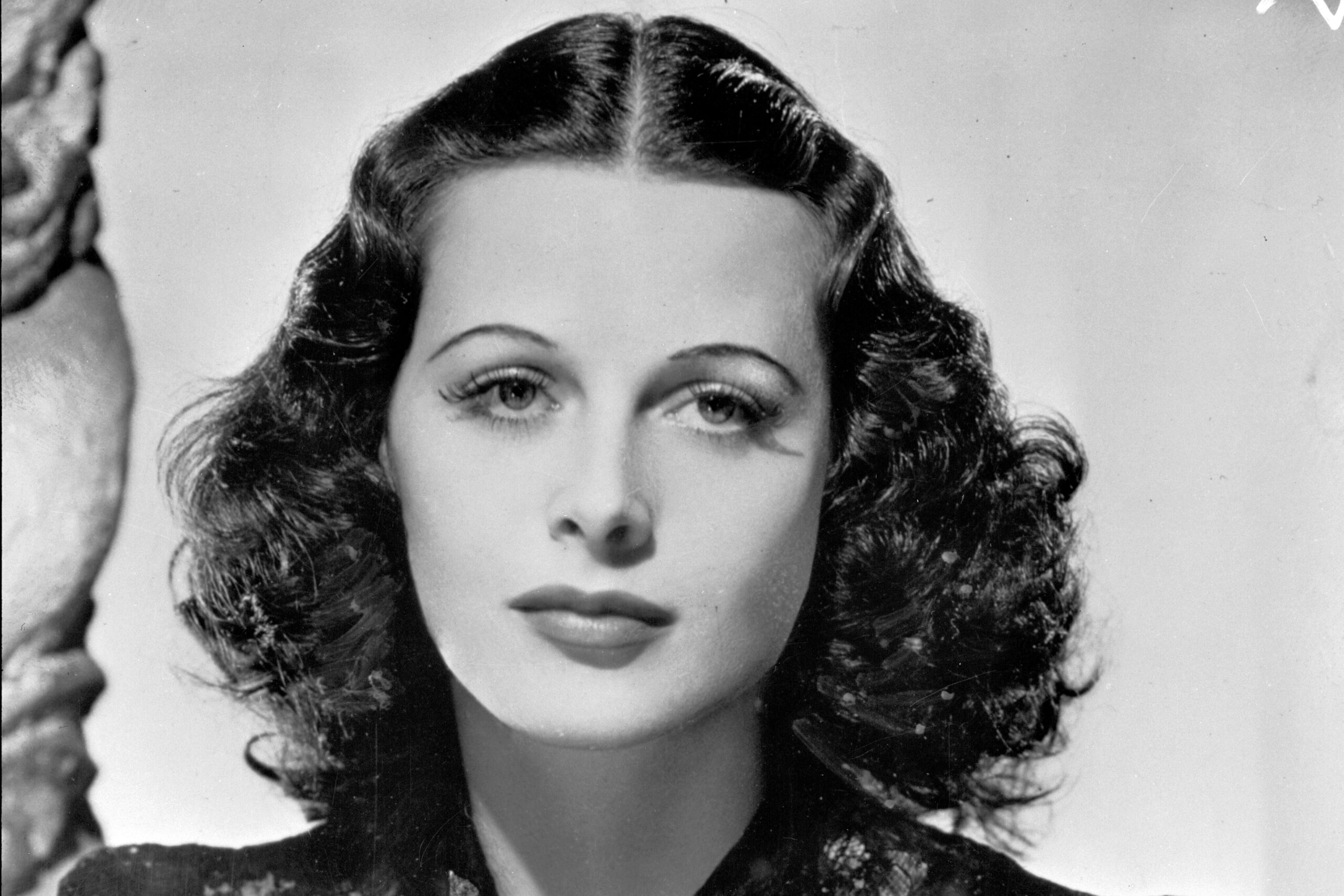
Hedy Lamarr’s legacy stretches far beyond her screen presence. During World War II, she collaborated on a frequency-hopping communication system intended to prevent signal interception.
The idea later became part of the foundation of spread-spectrum technology. It is one of the clearest examples of a Hollywood icon whose most lasting contribution had nothing to do with acting.
8. Hattie McDaniel, the first Oscar win that changed the room
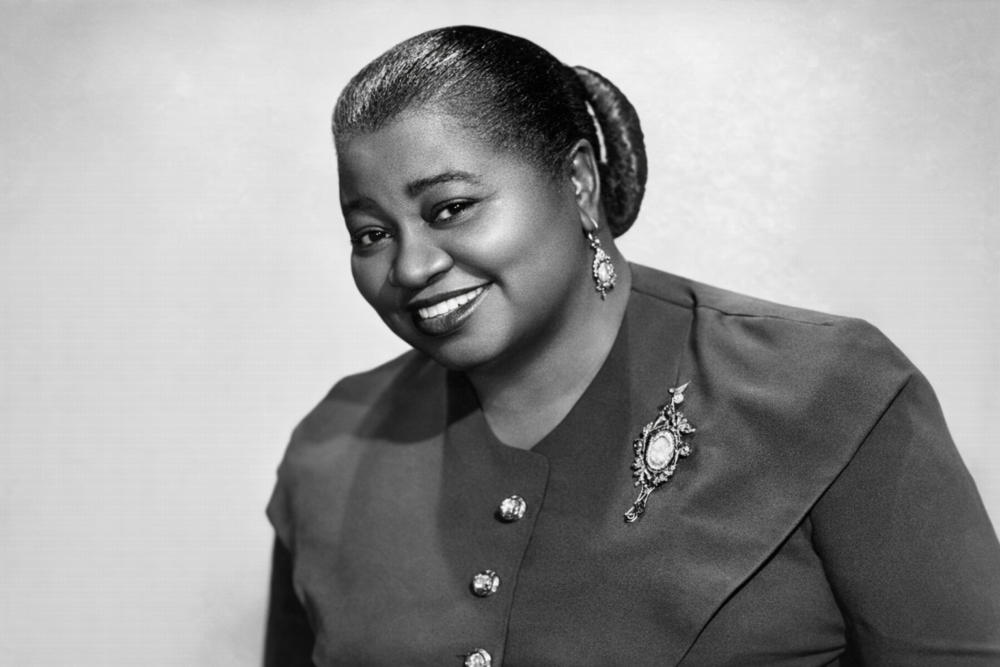
Hattie McDaniel became the first Black performer to win an Academy Award for her role in Gone with the Wind. The moment broke a barrier Hollywood had treated as immovable.
The achievement came within a deeply segregated industry, making it both historic and painful. Still, her win permanently altered who could be recognized by Hollywood’s highest honors.
9. Anna May Wong, the star Hollywood wouldn’t let be a romantic lead
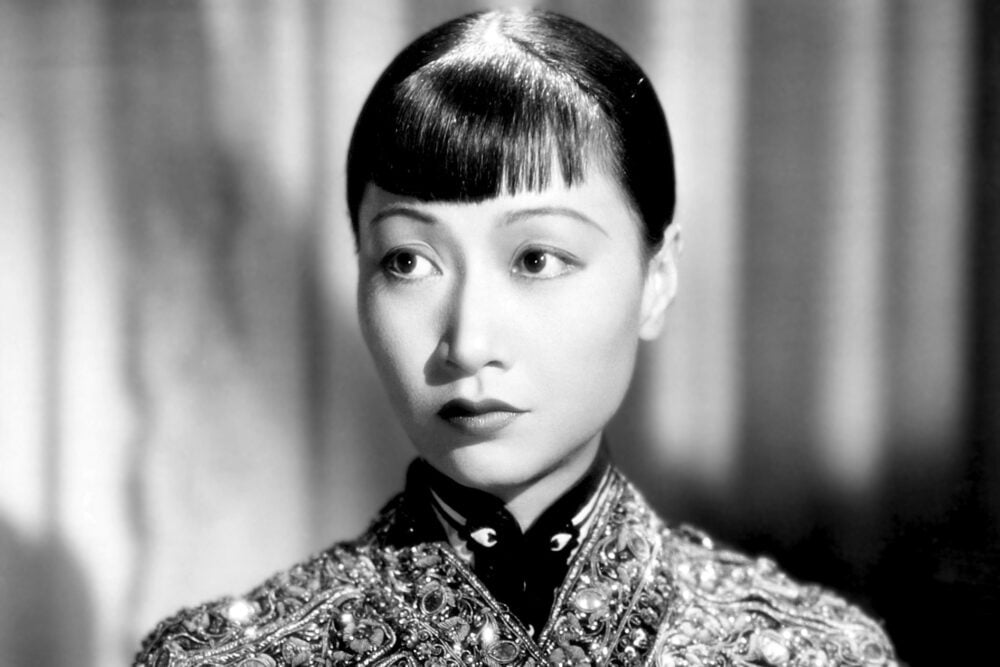
Anna May Wong was one of the first Chinese American movie stars, but racist casting practices and anti-miscegenation laws limited the roles Hollywood would allow her to play.
She left for Europe to find better opportunities, then returned to a system still unwilling to cast her fully. Her career reveals how early and persistent the fight for representation truly was.
10. Edith Head, the designer who built movie character through clothing
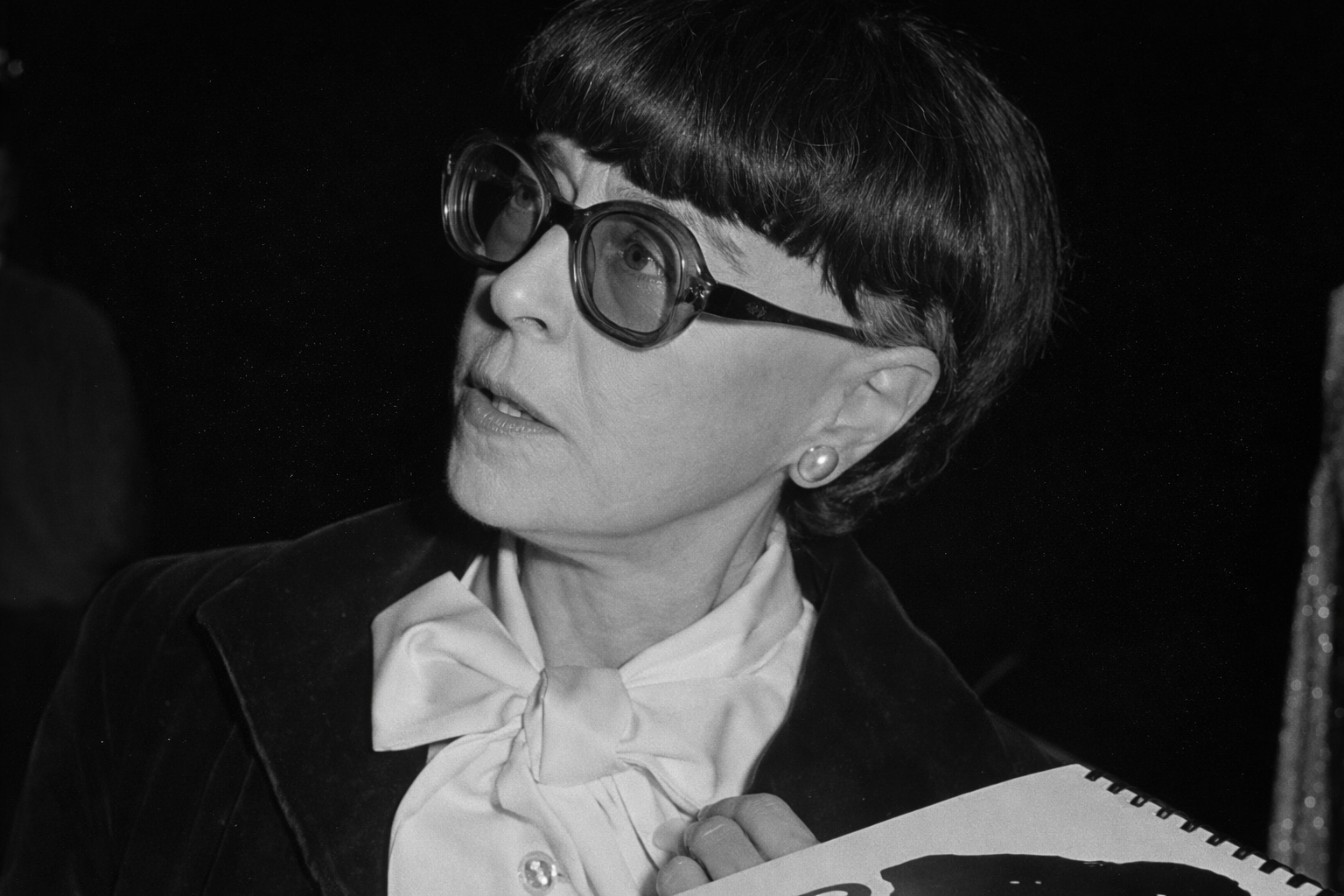
Edith Head didn’t simply design costumes. She shaped how audiences understood characters before they spoke a word.
She won eight Academy Awards for costume design and received more nominations than any other person in the category. Her influence turned wardrobe into a storytelling tool rather than background decoration.
11. Thelma Schoonmaker, the editor who made time feel different
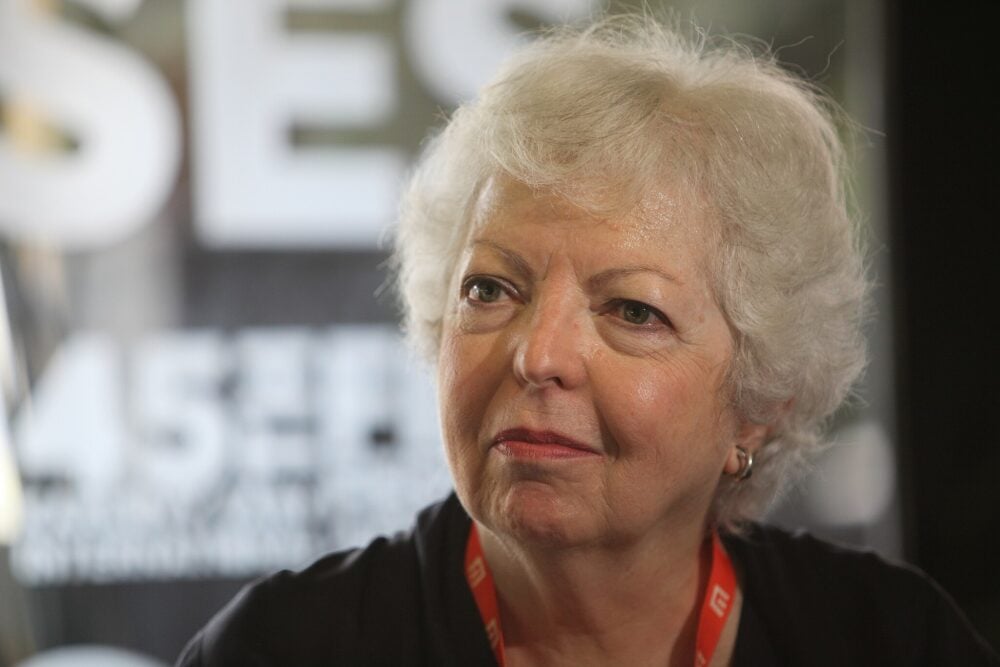
Editing can transform a film without changing a single line of dialogue. Thelma Schoonmaker did this through rhythm, pacing, and emotional logic.
She has won three Academy Awards and received a record number of editing nominations. Her long collaboration with Martin Scorsese helped cement editing as a creative force, not just technical assembly.
12. Kathryn Bigelow, the win that rewired a Hollywood assumption
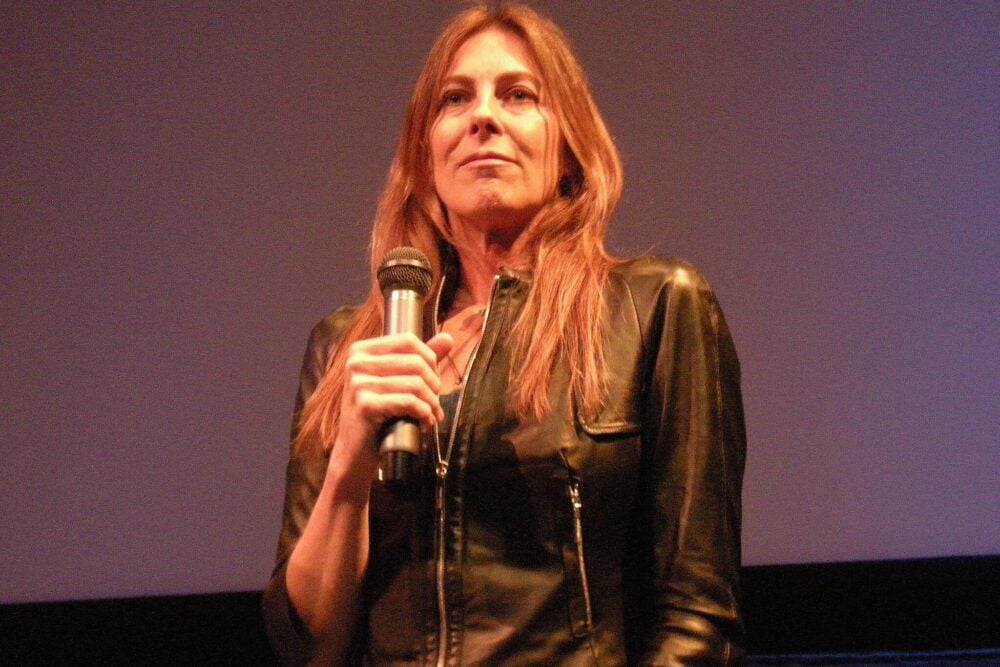
For decades, Best Director was treated as an unreachable category for women. Kathryn Bigelow shattered that assumption.
She became the first woman to win the Academy Award for Best Director for The Hurt Locker. The moment mattered not because it was symbolic, but because it proved the old excuses were never facts, only habits.