
Privacy concerns, data access questions, and growing distrust are pushing some users to disconnect their devices.
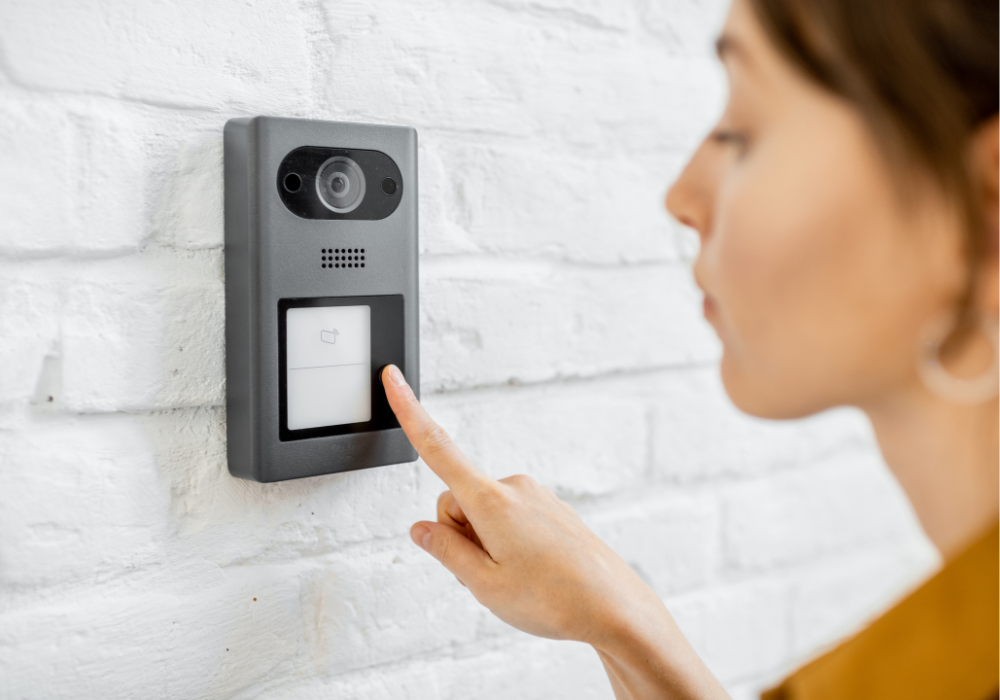
For years, video doorbells promised peace of mind. A small camera at the front door could deter crime, capture deliveries, and help homeowners feel safer. But for a growing number of people, that sense of security has started to feel more complicated
Across the U.S., some users are unplugging or even destroying their Ring cameras after learning more about how footage is stored, shared, and accessed. What was once seen as a simple safety tool is now raising serious questions about privacy, surveillance, and control.
1. Ring Cameras Were Sold as Simple Home Security
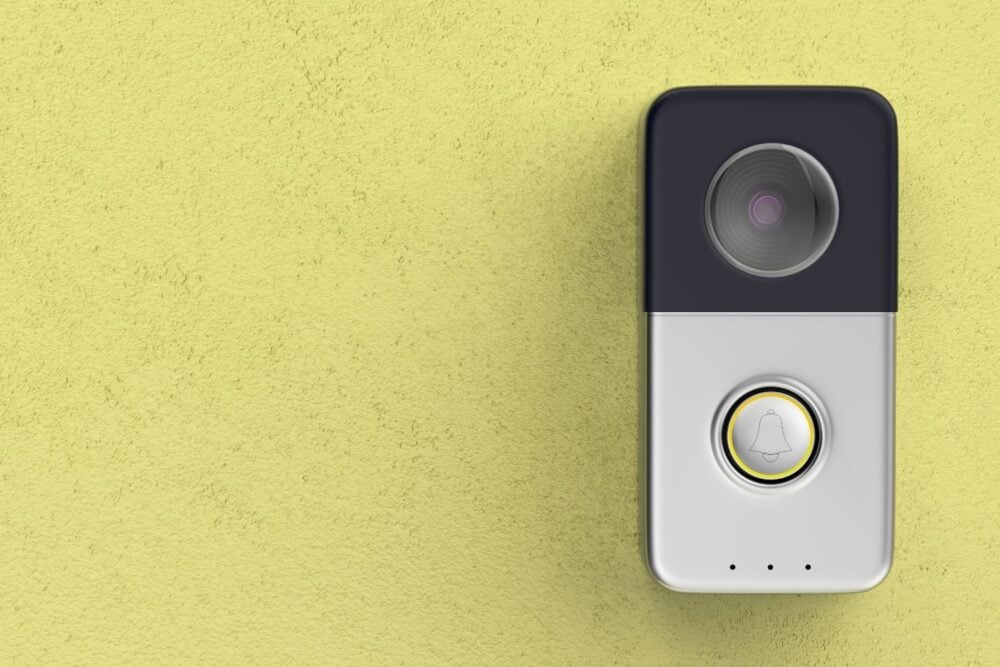
When Ring cameras became popular, they were marketed as an easy way to keep an eye on your home. Motion alerts, live video, and recorded clips gave homeowners more visibility than ever before.
For many people, the appeal was convenience. The cameras were affordable, easy to install, and connected directly to a smartphone. Few users thought much about where their footage went once it was recorded.
2. Growing Awareness About Data Storage
As more people looked into how smart devices work, questions about data storage started to surface. Ring videos are stored in the cloud, not just on the device itself.
That means footage exists on remote servers and can be retained for set periods of time. For some users, realizing their front door recordings were not fully under their personal control changed how they felt about the device.
3. Concerns Over Law Enforcement Access

One of the biggest sources of backlash has been Ring’s past relationships with police departments. These partnerships allowed law enforcement to request footage from users in certain areas.
While users were not required to share videos, critics argued the system blurred the line between private security and public surveillance. Even after changes to these programs, the concerns left a lasting impression.
4. Fear of Being Watched Without Consent

Some users worry that cameras do not just record strangers. They can also capture neighbors, passersby, and even conversations near the door.
This raised ethical questions about consent. People began asking whether a device meant to protect one home was quietly monitoring everyone else who walked by.
5. Hacking and Security Breach Anxiety

Reports of hacked smart cameras added another layer of fear. While not widespread, stories of unauthorized access made headlines.
For some homeowners, the idea that a stranger could potentially view or speak through a camera aimed at their home was enough to outweigh the benefits of keeping it installed.
6. Changes to Features and Policies

Over time, Ring introduced new features and adjusted its policies. Even when changes were legal and disclosed, some users felt uncomfortable with how quickly things evolved.
People who bought the device years ago did not always feel they signed up for the current version of the service. That sense of shifting expectations fueled frustration.
7. A Broader Pushback Against Surveillance Culture
The Ring backlash is part of a larger conversation about surveillance technology. From phones to cars to doorbells, more aspects of daily life are being recorded.
Some users see unplugging their cameras as a way to reclaim a sense of privacy in a world that increasingly tracks behavior by default.
8. Social Media Amplified the Movement

Stories of people disabling or destroying their cameras spread quickly online. Videos and posts turned personal decisions into public statements.
Seeing others take action encouraged more users to reevaluate their own devices. What started as individual concern became a visible trend.
9. Not Everyone Is Giving Up Their Camera
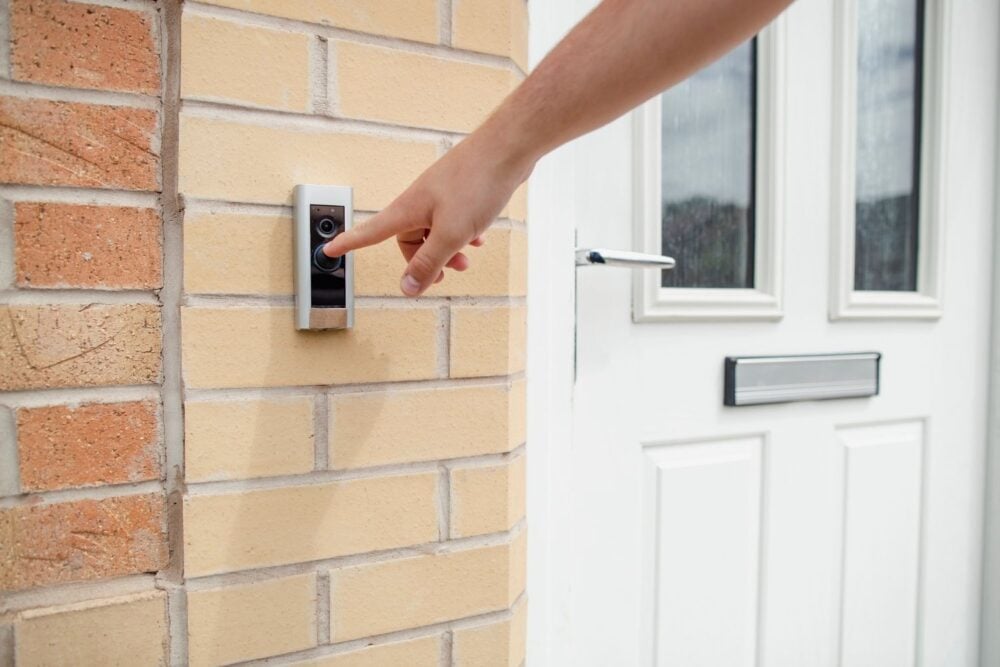
It is important to note that millions of people still use Ring cameras and feel comfortable doing so. Many appreciate the safety benefits and believe the risks are manageable.
The divide highlights how differently people weigh convenience versus privacy. There is no single response that fits everyone.
10. What Ring Says About Privacy
Ring states that users control their footage and that privacy protections have been strengthened over time. The company has emphasized transparency and user choice.
Still, trust can be hard to rebuild once doubts take hold. For some former users, reassurance came too late.
11. Why This Debate Is Not Going Away
As smart home devices become more common, questions about ownership, consent, and surveillance will only grow louder. Ring cameras are just one example of a much bigger shift.
Whether people unplug their devices or keep them, the conversation has changed. Home security is no longer just about safety. It is also about who is watching, who controls the data, and what privacy means in a connected world.