
A giant fossil shark in Arkansas is rewriting what we know about ancient oceans and life before dinosaurs.
When most people picture prehistoric seas, images of dinosaurs don’t immediately come to mind. But long before the age of dinosaurs, Earth’s oceans were ruled by other massive predators.
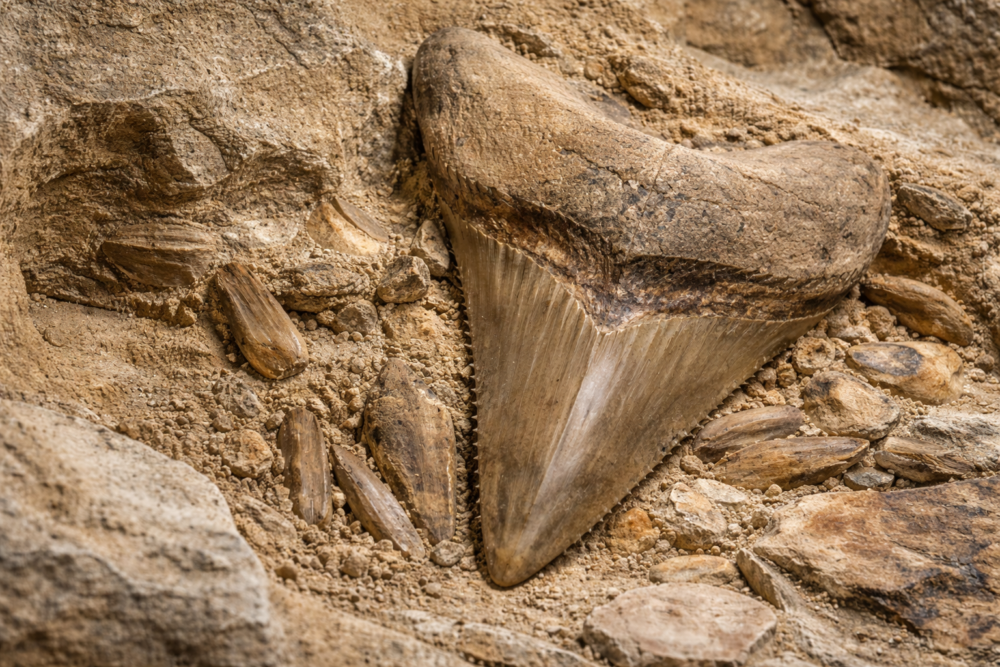
Recently, paleontologists uncovered fossil remains of an enormous ancient shark in what is now Arkansas. It lived around 300 million years ago, and its size and features are revealing new details about the ecosystems of deep time.
This wasn’t just a big fish; it was part of a world where sea levels, climates, and animal communities were very different from today’s oceans. The discovery gives scientists a rare snapshot of how life adapted in ancient waters long before familiar creatures emerged.
1. Arkansas wasn’t always land—ancient seas once covered it

Today’s Arkansas is far from the ocean, but 300 million years ago the region lay beneath subtropical seas. Layers of sedimentary rock formed from those ancient waters have preserved the remains of long-dead creatures.
Finding a shark fossil here isn’t random. It reflects a time when shallow, warm seas teemed with life, setting the stage for huge predators to evolve and dominate the food chain.
2. The fossil comes from a giant shark previously unknown to science
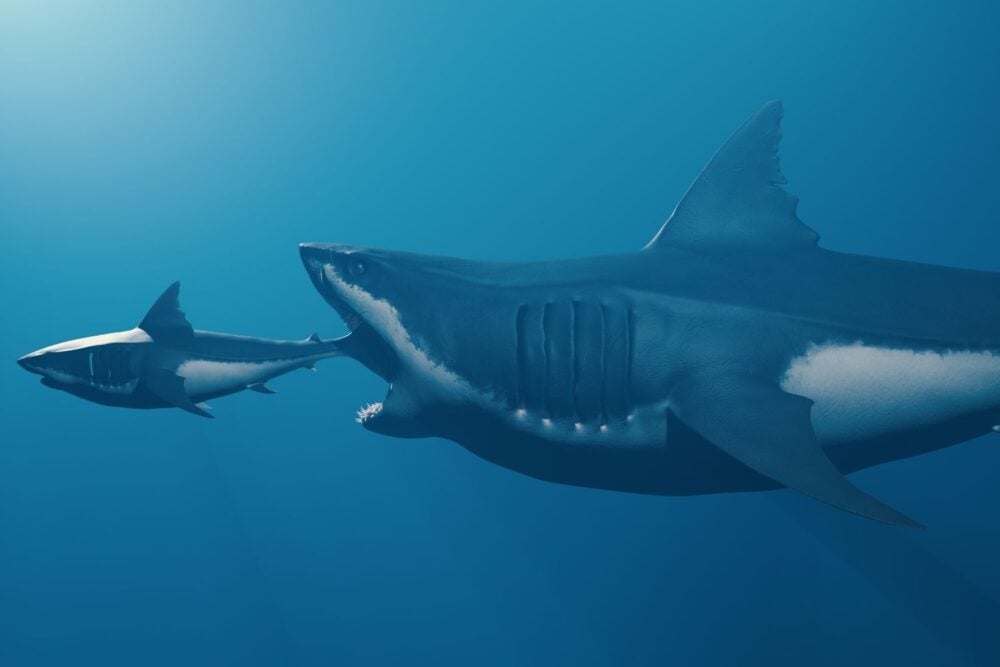
The remains belong to an enormous shark species that grew far larger than most modern sharks. Its teeth and skeletal fragments show a creature adapted to hunt and scavenge in deep prehistoric waters.
This shark lived long before Great White or Megalodon ancestors, at a time when evolutionary pathways were still being explored by early marine life.
3. This shark lived well before dinos dominated land
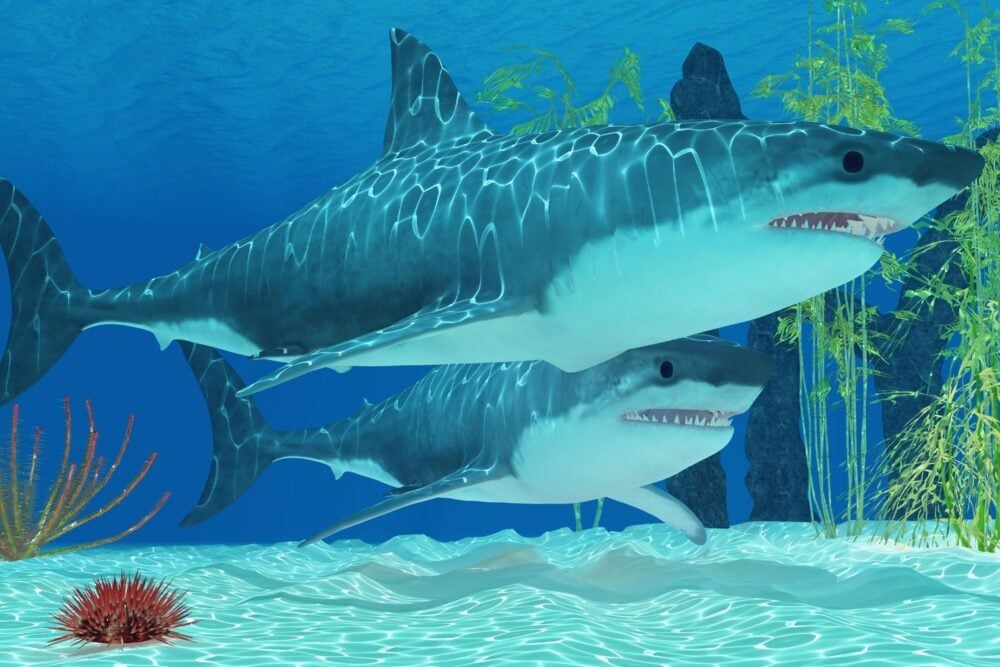
The age of this fossil predates dinosaurs by tens of millions of years. While Earth’s land bridges and forests were beginning to take shape, oceans were filled with different players entirely.
Sharks were among the top predators, evolving early and diversifying into a range of forms much larger and stranger than many people realize.
4. The find helps fill gaps in the fossil record
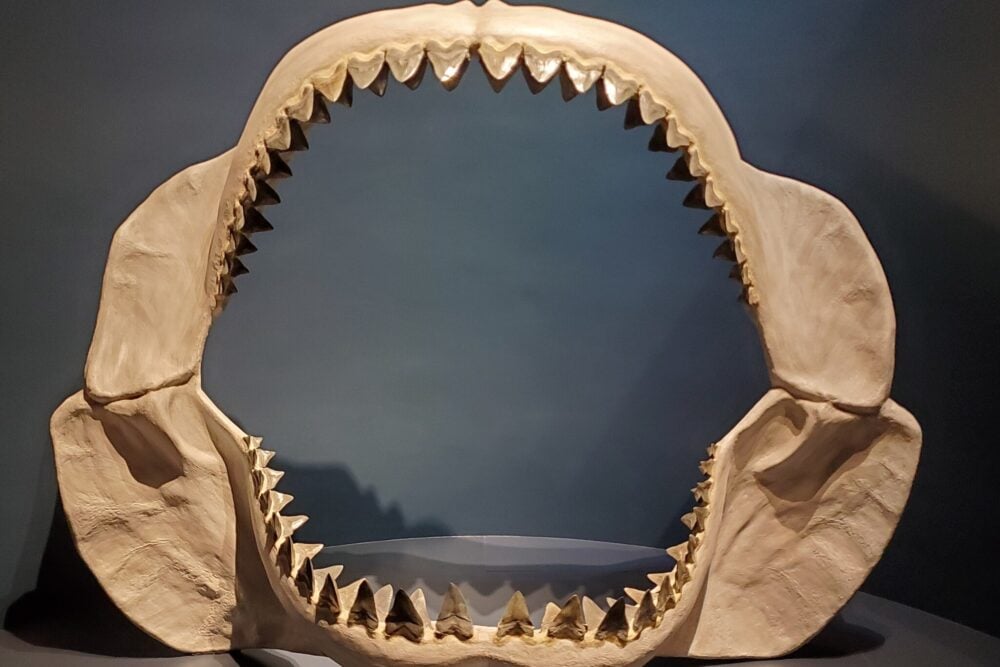
Large shark fossils are rare because cartilaginous skeletons don’t preserve as well as bone. Fossil shark teeth show up more often, but partial skeletons are uncommon.
This Arkansas find provides unusual context, letting scientists see not just teeth but body structure that hints at how these animals swam, hunted, and interacted.
5. Ancient seas were rich, complex ecosystems
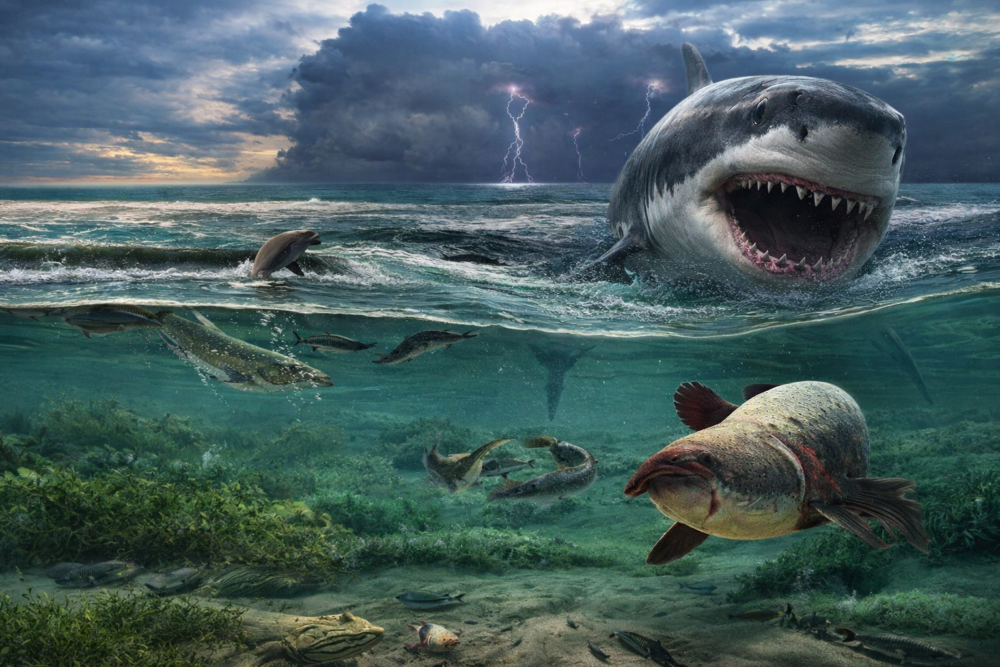
These early oceans weren’t barren. They supported abundant life: invertebrates, fish, jawless predators, and early jawed species that competed for food and space.
A giant shark would have sat near the top of that food web, influencing how other creatures evolved and survived.
6. Comparing old oceans to modern ones reveals big differences

Today’s sharks are impressive, but ancient seas held forms and sizes that don’t match modern patterns. Environmental conditions were very different, with oxygen levels, water temperatures, and ecosystems all in flux.
By understanding what lived then, scientists can better chart how marine life responded to shifting climates and geography over deep time.
7. The fossil helps trace shark evolution
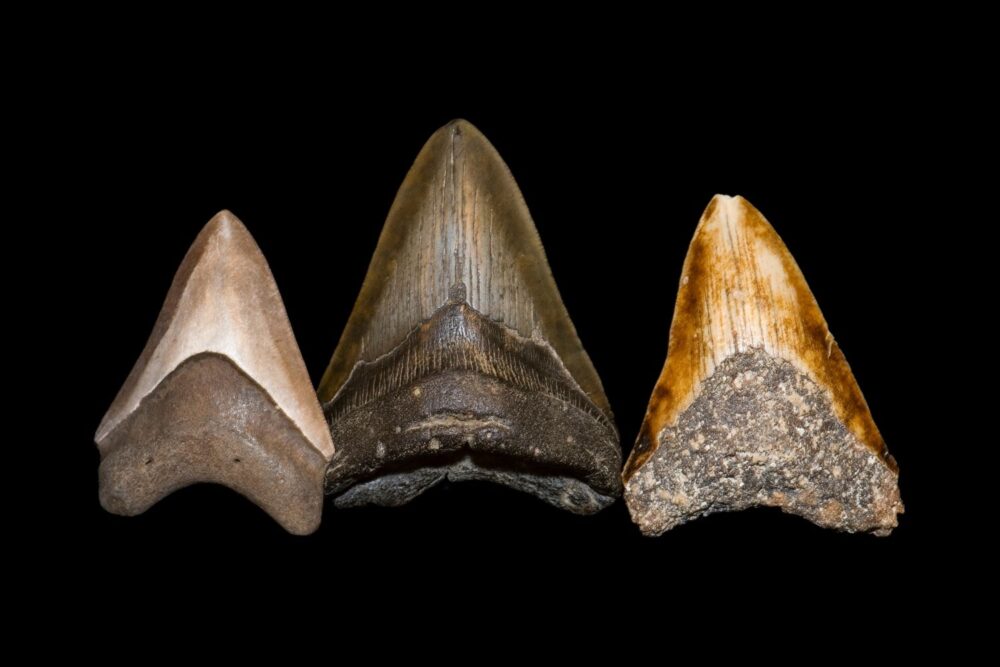
Sharks have been around for hundreds of millions of years, but their early evolutionary history is still emerging from scattered finds.
Each new specimen adds detail to a picture that’s constantly being refined. Arkansas’ giant shark adds a particularly large and informative piece.
8. Geology preserved a moment of deep-time history
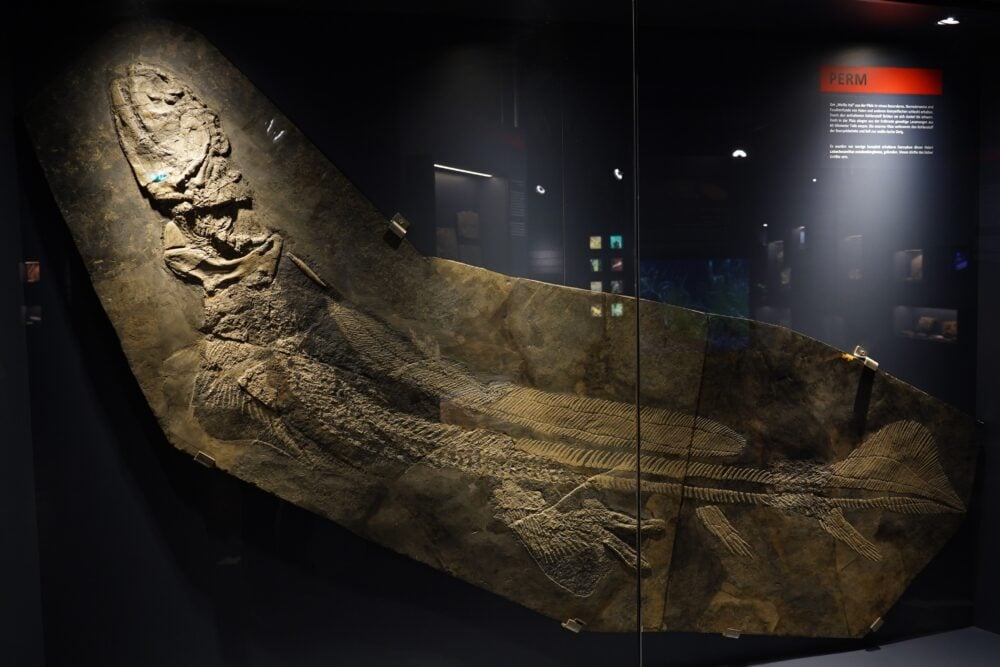
The rocks that preserved this shark’s remains were laid down slowly, layer by layer, as sediments settled in ancient waters.
Over millions of years, those sediments hardened and were buried beneath new layers, preserving snapshots of once-living creatures and letting paleontologists dig them back up today.
9. This shark reflects broader patterns in ancient life
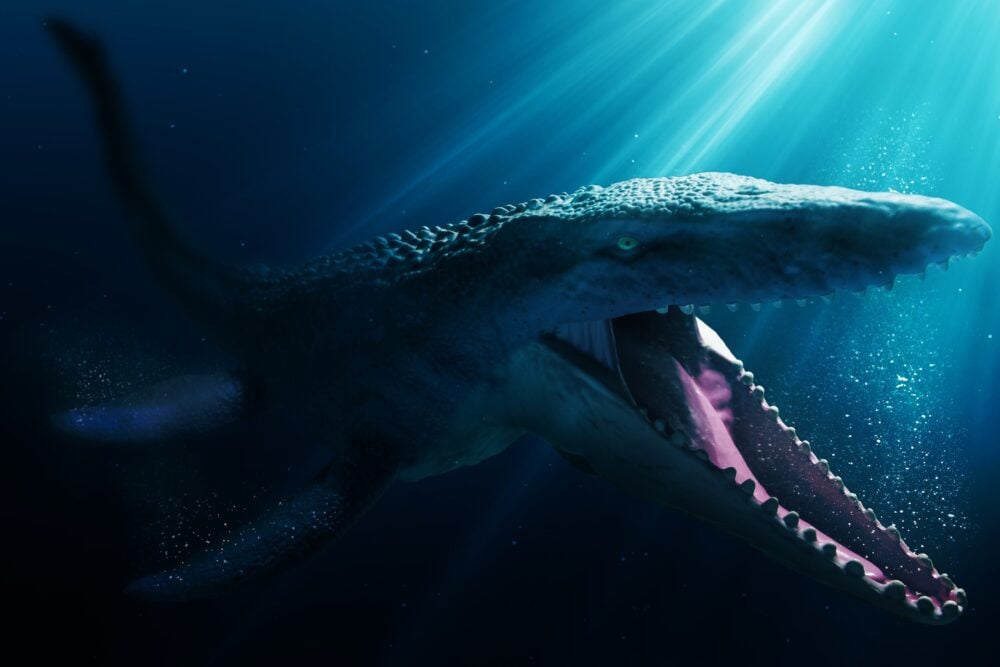
Massive predators weren’t unique to one era. Earth’s history shows repeated appearances of giants—whether marine or terrestrial—as ecosystems maximize opportunities for growth and predation.
Studying these patterns helps scientists understand why certain body plans and behaviors succeed while others fade away.
10. The discovery connects geology and biology
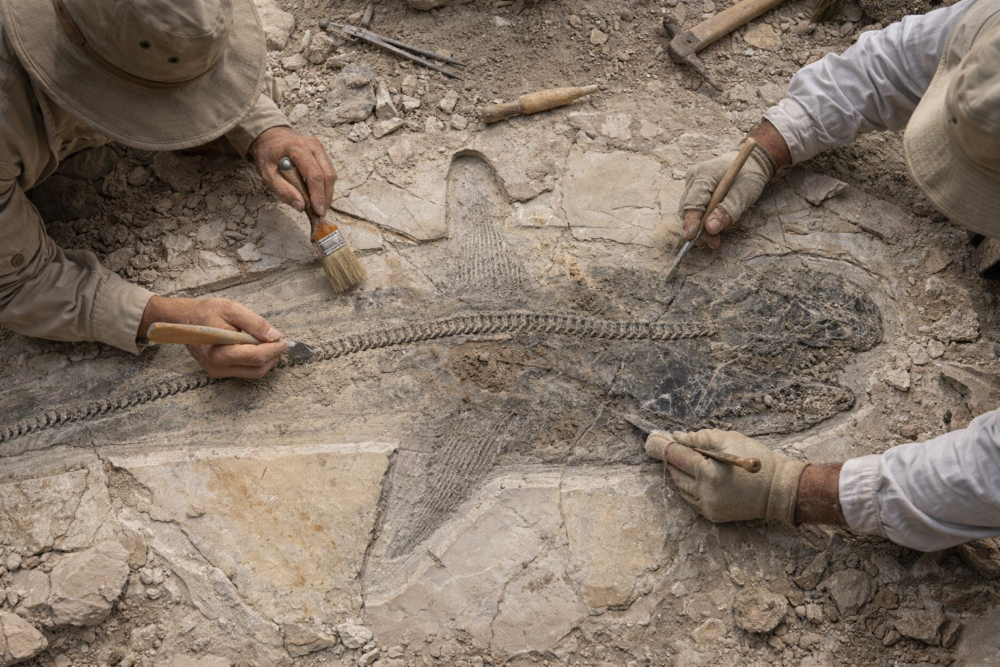
Fossils like this one show how Earth’s shifting continents, climate changes, and sea level fluctuations shaped life’s opportunities.
As seas rose and fell, creatures adapted, migrated, and evolved. The giant Arkansas shark is one chapter in that ongoing story.
11. Public interest in ancient giants fuels scientific curiosity
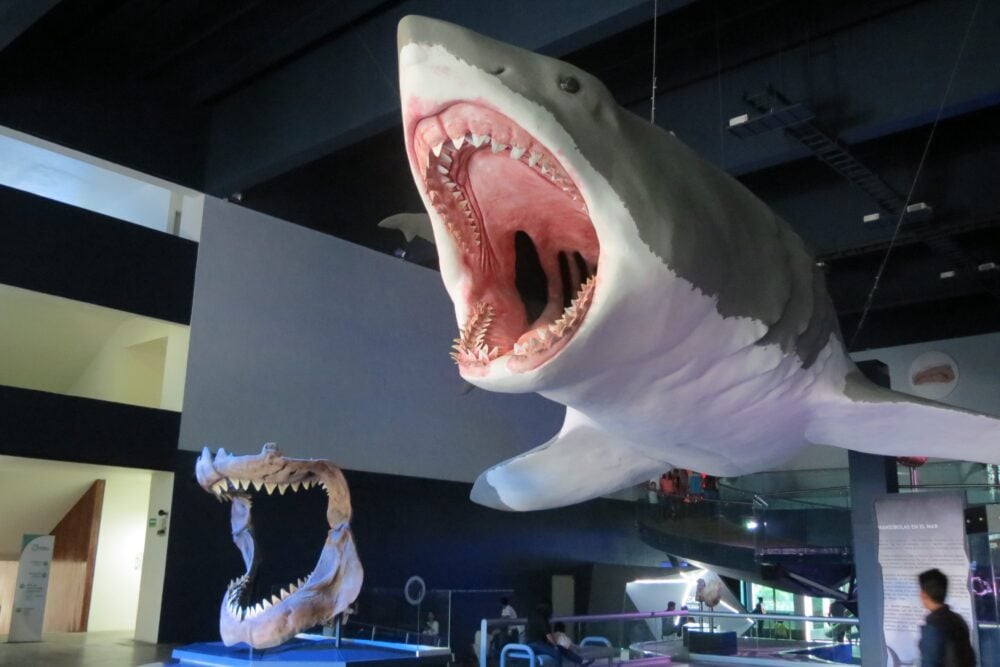
Big animals capture attention because they ignite wonder and imagination. Discoveries like this help the public connect with deep time in emotional, not just intellectual, ways.
That attention also brings funding, collaboration, and new explorations that lead to even more discoveries.
12. Each fossil teaches us about both past and present
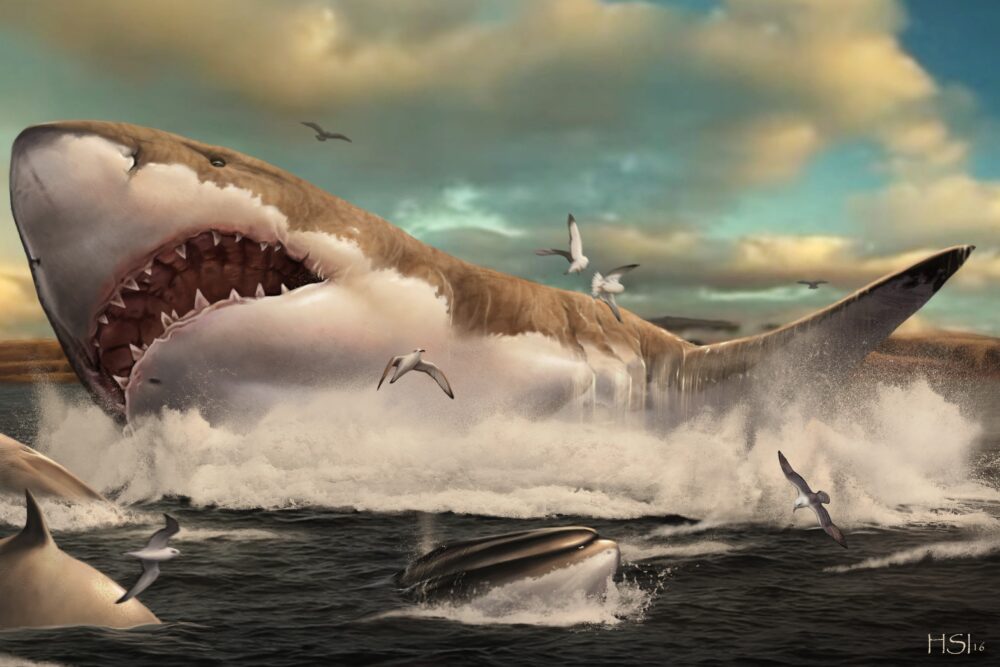
Studying ancient sharks may seem far removed from everyday life. But these fossils help scientists understand how ecosystems respond to change, how biodiversity arises and declines, and how life rebounds after mass extinctions.
In that way, they connect to modern concerns about climate, oceans, and the future of life on a changing planet.