
Ancient societies didn’t vanish overnight. They unraveled slowly, leaving lasting marks on the world.
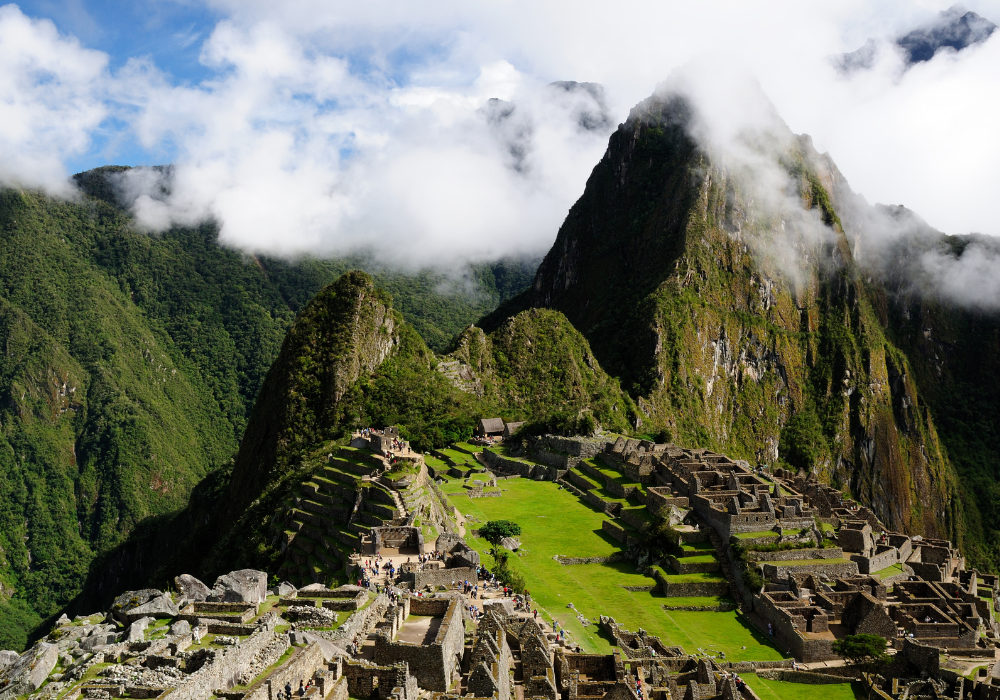
When civilizations disappear, it’s often framed as a sudden mystery or dramatic collapse. In reality, most declines unfolded over generations, shaped by environmental stress, social strain, and decisions that slowly narrowed a society’s options. Collapse was rarely caused by a single event.
Archaeologists now know these cultures left behind detailed clues in landscapes, ruins, and everyday objects. Those remnants reveal not just how people lived, but how pressure built over time.
Taken together, these stories show why civilizations failed—and what they unintentionally left behind for the world that followed.
1. Environmental stress quietly weakened everyday survival

Many civilizations relied on stable weather patterns to grow crops and manage water. When rainfall shifted or droughts became more frequent, food production declined gradually rather than catastrophically. People adjusted at first, planting different crops or expanding irrigation, but those fixes often masked deeper problems.
Over time, environmental stress eroded trust and cooperation. Scarcity increased conflict, migration, and inequality, making societies less resilient. By the time collapse became visible, the foundations of daily life had already been undermined for generations.
2. Resource depletion created problems that couldn’t be reversed
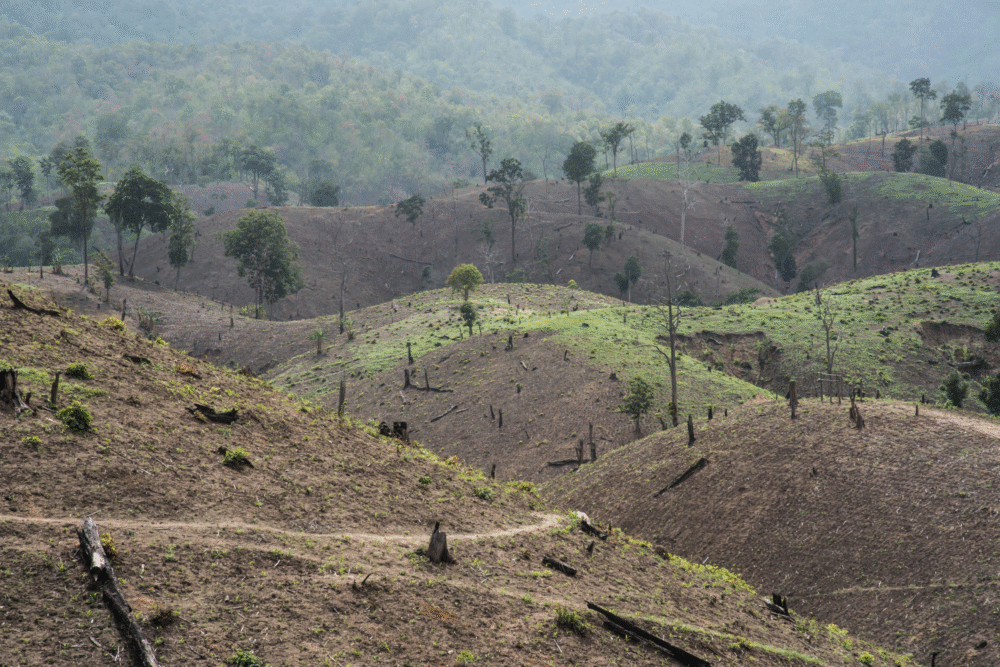
Expanding populations required more timber, farmland, and water. Forests were cleared, soils were overworked, and rivers were diverted to support growth and construction. These choices fueled prosperity early on and reinforced confidence in expansion.
Eventually, resources couldn’t recover fast enough. Crop yields fell, building materials became scarce, and maintenance of infrastructure declined. What once supported success turned into a long-term vulnerability that leaders struggled to manage.
3. Climate shifts pushed societies beyond their limits
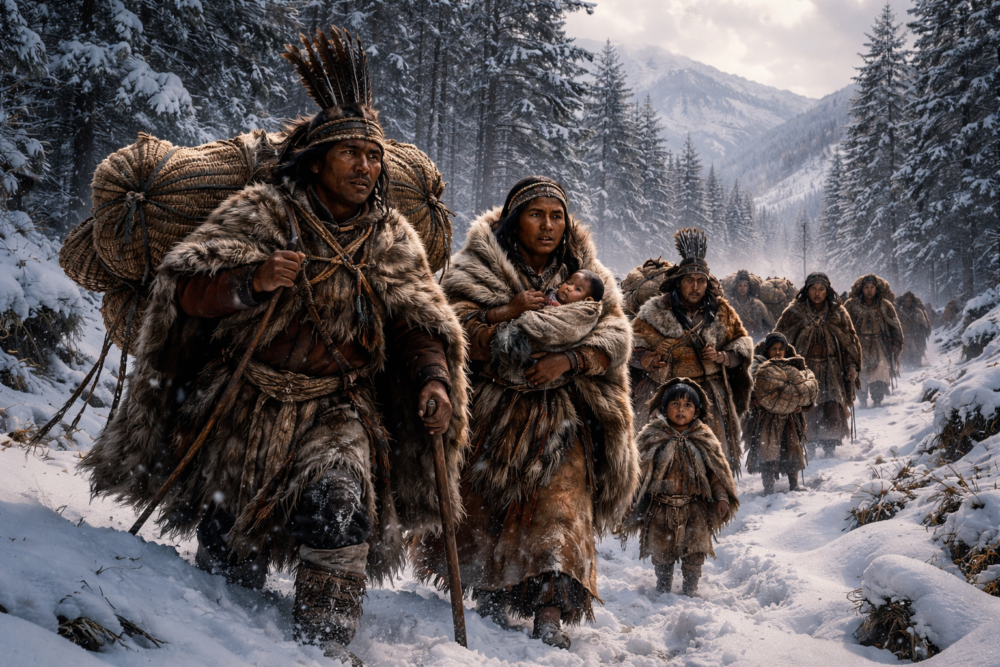
Even small climate changes could have outsized effects on ancient societies. Shorter growing seasons, cooler temperatures, or prolonged droughts disrupted carefully balanced systems.
Without modern forecasting, these shifts were unpredictable and deeply destabilizing. Repeated failures reduced food reserves and strained social bonds. Over time, adaptation gave way to exhaustion, leaving societies unable to absorb additional shocks.
4. Complex systems became fragile under pressure
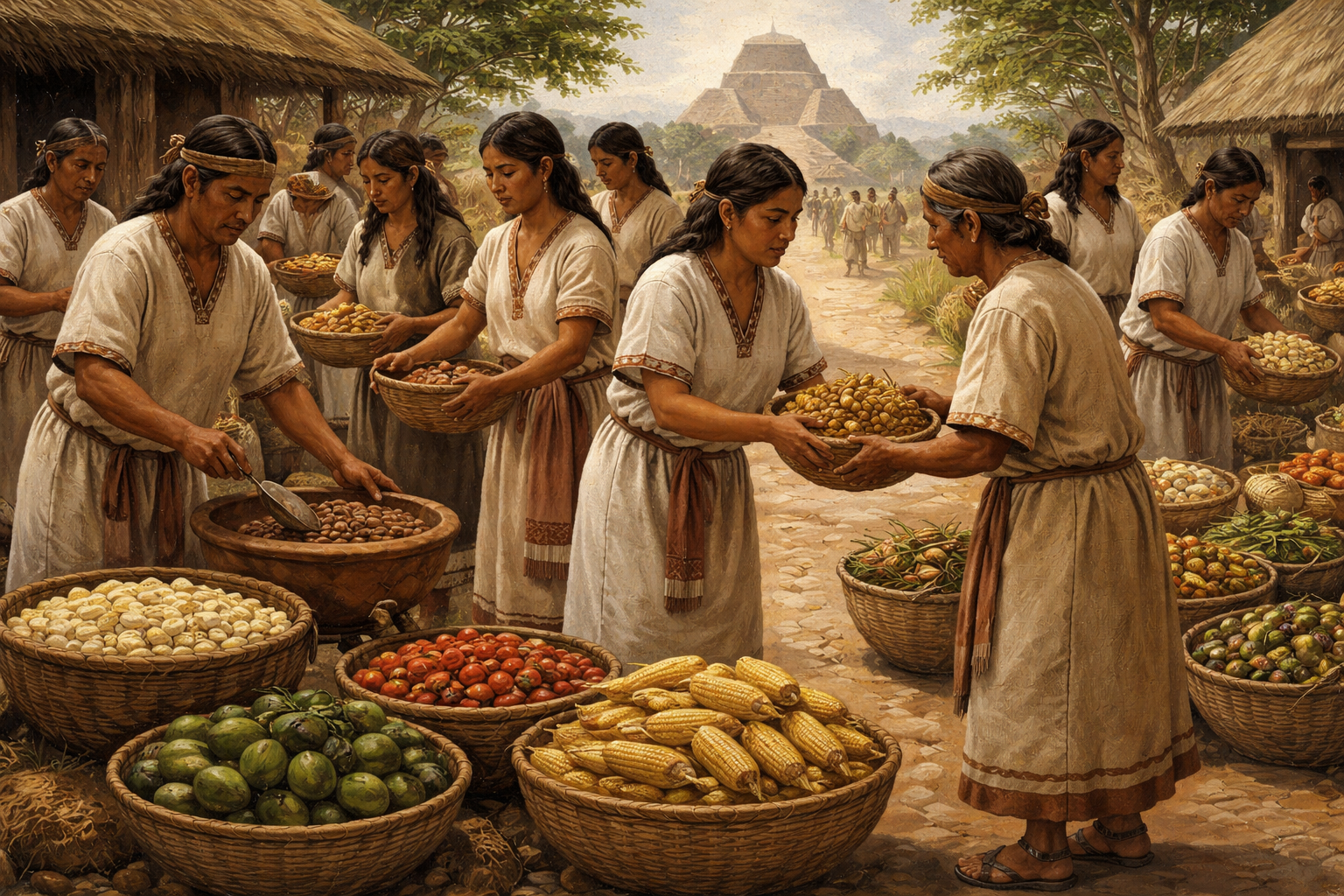
Large civilizations depended on intricate systems of trade, governance, and food distribution. These networks worked well when conditions were stable and trust remained high.
As stress increased, complexity became a weakness. Disruptions in one region cascaded elsewhere. When coordination failed, the systems meant to hold societies together accelerated their breakdown instead.
5. Inequality slowly weakened social trust and cooperation
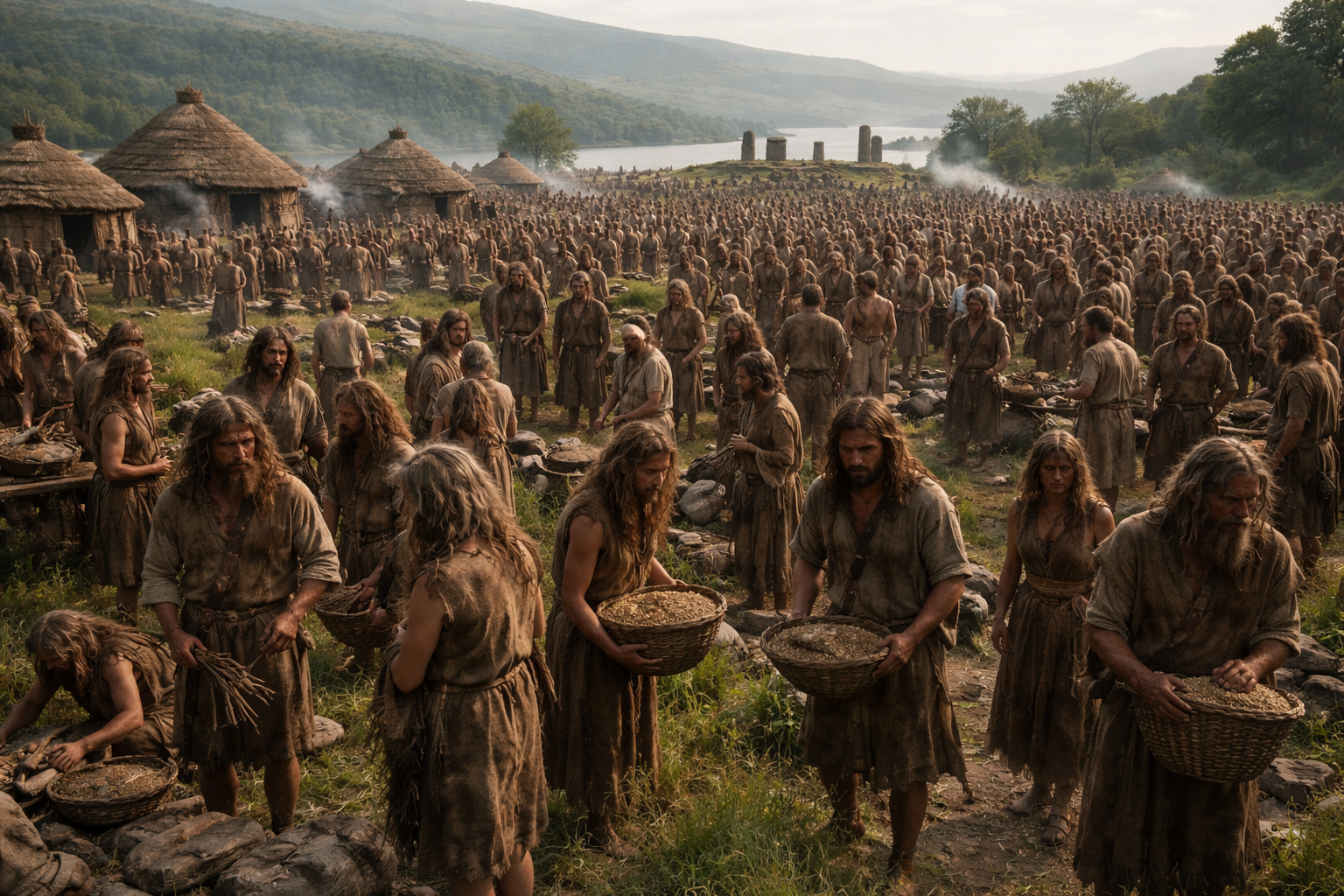
As resources became harder to secure, inequality often grew more visible. Archaeological evidence shows elites maintaining access to food, land, and protection while ordinary people faced shortages and declining health. Burial sites, housing quality, and diet records reveal widening gaps between social classes.
Over time, this imbalance eroded trust in leadership and shared systems. When people felt the rules no longer applied equally, cooperation declined. Societies under stress need collective action to survive, but inequality made unity harder just when it was most needed.
6. Warfare drained strength rather than protecting stability
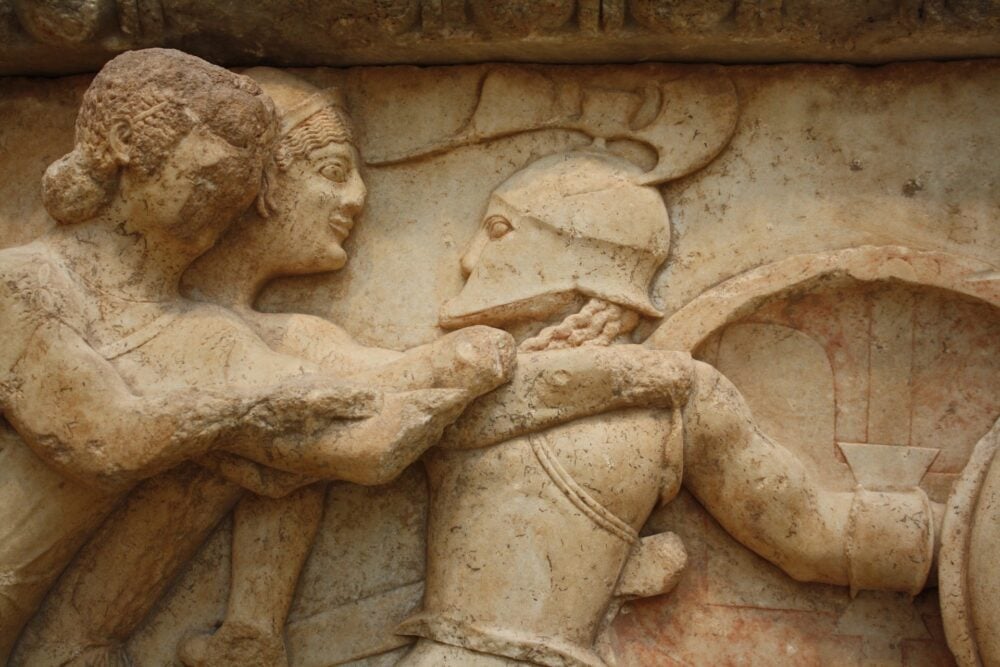
Competition over land, water, and food increased conflict as conditions worsened. What may have begun as defensive measures slowly turned into prolonged warfare that consumed people, materials, and attention.
Maintaining armies required food, labor, and leadership focus that might otherwise have supported recovery. Farmland was damaged, trade routes disrupted, and populations displaced. Even successful campaigns weakened societies by diverting resources from long-term resilience toward short-term survival.
7. Trade networks failed when conditions became unstable
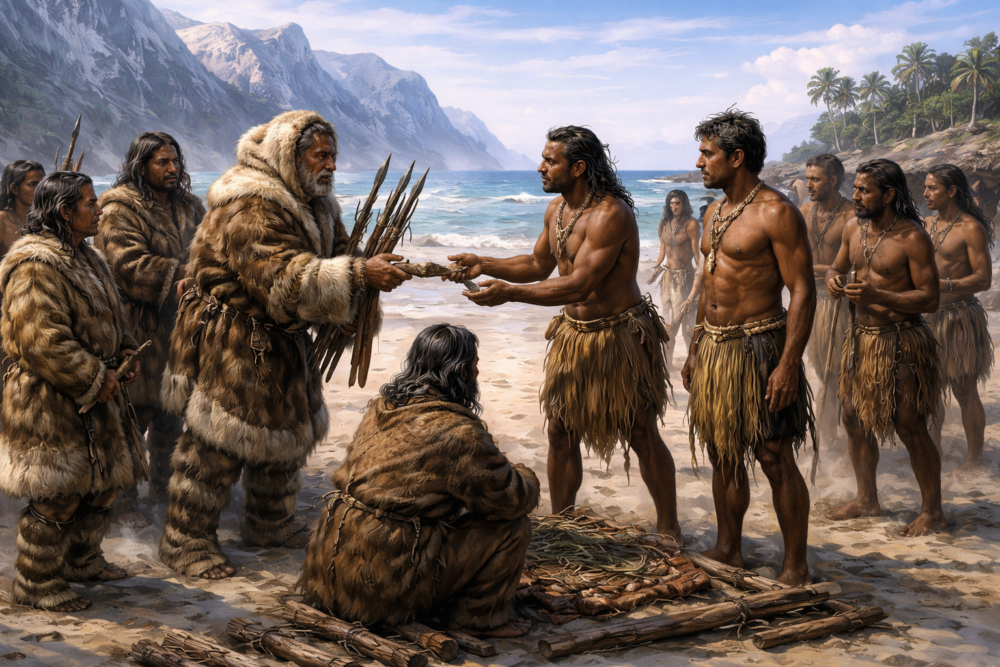
Many civilizations depended on long-distance trade for metals, tools, food, or luxury goods that reinforced political authority. These networks worked well during stable periods but were vulnerable to disruption.
Climate events, conflict, or political collapse in one region could break supply chains elsewhere. As trade faltered, societies lost access to critical resources and specialization declined. Isolation made adaptation harder, accelerating decline from within.
8. Disease exploited crowded and stressed populations
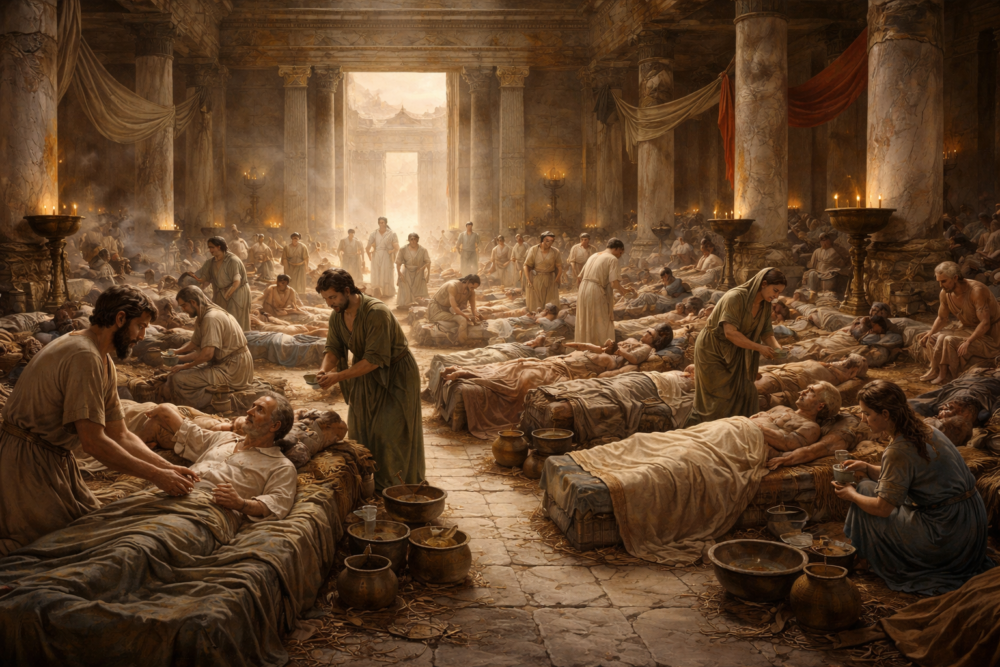
Dense urban centers helped civilizations grow, but they also created ideal conditions for disease. Malnutrition, poor sanitation, and close living quarters increased vulnerability to outbreaks.
Epidemics reduced labor forces and weakened institutions already under strain. With fewer people to farm, build, and govern, recovery became more difficult. Disease didn’t cause collapse alone, but it compounded existing pressures at the worst possible moments.
9. Cultural beliefs sometimes limited necessary adaptation
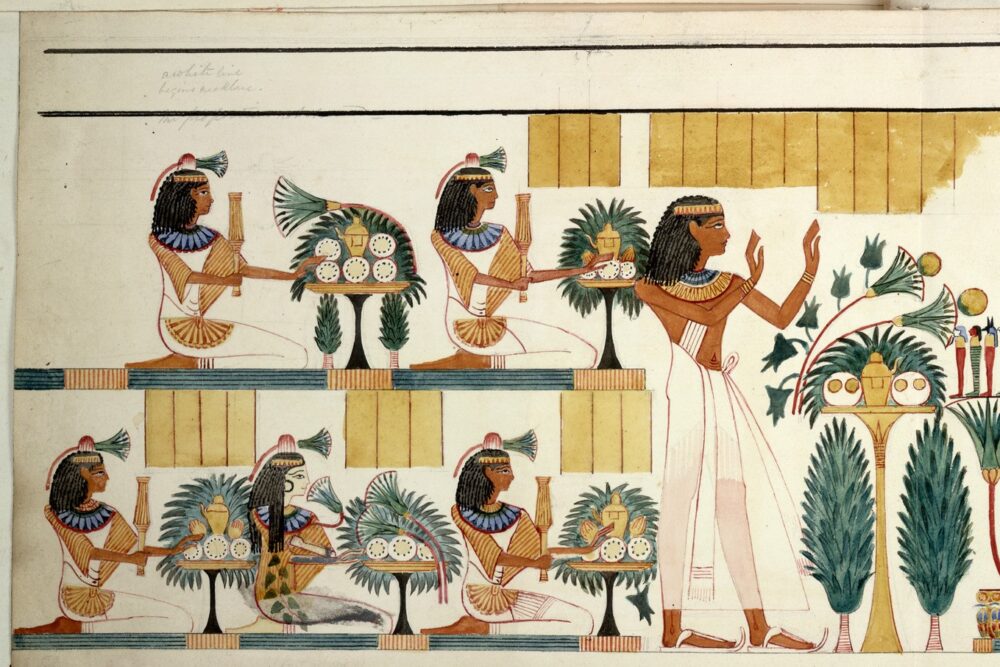
Belief systems and traditions helped societies function by creating shared meaning and order. But during periods of stress, those same systems could slow adaptation. Archaeological evidence suggests some civilizations responded to worsening conditions by reinforcing existing rituals, leadership structures, or explanations rather than changing course.
When belief systems no longer matched lived reality, trust eroded. People struggled to reconcile familiar explanations with mounting hardship. That disconnect made innovation harder at exactly the moment flexibility was most needed, reducing a society’s ability to respond effectively.
10. Collapse unfolded unevenly across regions and generations

Civilizational collapse was rarely a single event. Archaeological records show that some regions declined quickly while others persisted for decades or even centuries. Cities emptied gradually, trade networks frayed, and populations redistributed rather than disappearing outright.
This uneven decline creates the illusion of sudden vanishing when viewed later. In reality, societies fragmented into smaller, less complex forms. Life continued, but without the centralized systems that once defined the civilization at its peak.
11. What vanished civilizations left behind still shapes the world

The remnants of collapsed societies remain etched into landscapes through altered soils, deforested hillsides, irrigation scars, and abandoned cities. These physical traces show how deeply humans can reshape environments, even without modern technology.
They also serve as long-term lessons. The archaeological record preserves not just achievements, but consequences. What vanished civilizations left behind is a record of choices, pressures, and limits that continue to matter as modern societies face similar challenges.