
Breathing issues aren’t always caused by the lungs—and the reason can be surprisingly subtle.

Feeling short of breath can be frightening, especially when tests come back normal. Many people are told their lungs and heart are fine, yet the sensation of not getting enough air keeps returning. That disconnect often leads to frustration and anxiety.
What’s less commonly explained is how closely breathing is tied to the nervous system. Stress responses, muscle tension, and sensory signaling can all change how breathing feels, even when oxygen levels are normal.
Understanding the nervous system’s role can help explain symptoms that feel very real, even without a clear medical cause.
1. The nervous system controls breathing more than you realize
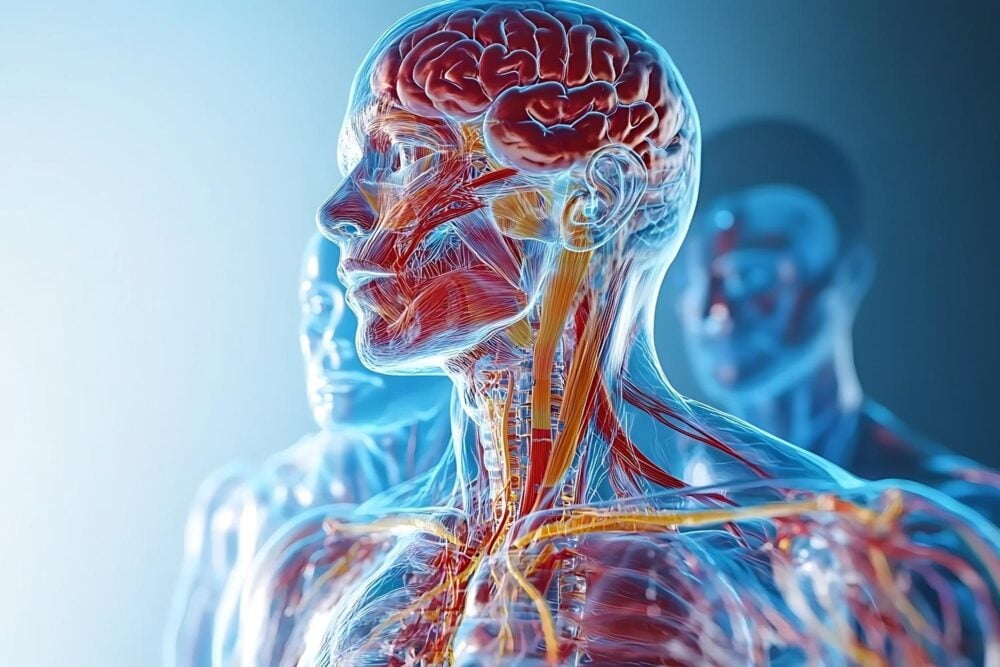
Breathing feels automatic, but it’s tightly regulated by the nervous system. Signals constantly adjust breathing speed and depth based on perceived needs.
When the nervous system becomes overactive, it can change breathing patterns. This can create the sensation of air hunger, even when the lungs are working properly.
2. Stress can trigger shallow or rapid breathing

During stress, the body prepares for action by speeding up breathing. This response is useful short term, but problematic when it stays active.
Shallow breathing can reduce carbon dioxide balance. That imbalance can make breathing feel uncomfortable or insufficient, even without true oxygen problems.
3. Anxiety changes how breathing sensations are perceived

Anxiety heightens body awareness, especially around breathing and the chest. Normal sensations can suddenly feel alarming or intense.
Once attention locks onto breathing, the brain may amplify discomfort. This feedback loop can make shortness of breath feel persistent and hard to ignore.
4. The fight-or-flight response tightens chest muscles

When the nervous system senses danger, muscles tense automatically. That tension often affects the chest, shoulders, and diaphragm.
Tight muscles can restrict natural breathing movement. The lungs may be fine, but the body feels stiff, making breaths feel incomplete.
5. Carbon dioxide levels influence breath comfort

Breathing comfort depends on carbon dioxide balance, not just oxygen. Rapid or shallow breathing can lower carbon dioxide too much.
When levels drop, the brain may signal discomfort. This can trigger frequent sighing or yawning, which people often mistake for lung trouble.
6. Posture and muscle tension play a role

Slouched posture or chronic neck and shoulder tension can limit rib movement. That restriction changes how breaths feel.
The nervous system responds to physical restriction by increasing breathing effort. This can create a sensation of tightness or air hunger.
7. Hypervigilance keeps the nervous system activated

Constantly checking breathing keeps the nervous system alert. That state prevents the body from fully relaxing.
The more breathing is monitored, the more unnatural it can feel. Over time, this awareness alone can maintain the sensation of breathlessness.
8. Past illness or trauma can reset breathing patterns

After illness or stressful events, the nervous system may stay on high alert. Breathing patterns learned during that time can persist.
Even once the original threat passes, the body may continue protective habits. Those habits can feel like unexplained breathing difficulty.
9. The vagus nerve helps regulate calm breathing

The vagus nerve connects breathing, heart rate, and relaxation. When it’s underactive, breathing may feel strained or irregular.
Gentle breathing exercises and relaxation techniques can stimulate this nerve. That support helps restore a calmer breathing rhythm.
10. Normal tests don’t measure nervous system tone

Standard lung tests focus on airflow and oxygen exchange. They don’t assess how the nervous system is influencing breathing sensations.
This gap can leave people feeling dismissed. In reality, the symptoms are real, just driven by a different system.
11. Calming the nervous system can ease breathing symptoms

Improving breathing comfort often starts with nervous system regulation. Slow breathing, posture changes, and stress reduction can help.
When the nervous system settles, breathing often feels easier. Understanding this connection can reduce fear and restore confidence in the body’s signals.