
Bird populations are shifting in subtle ways that often go unnoticed until they’re suddenly gone.
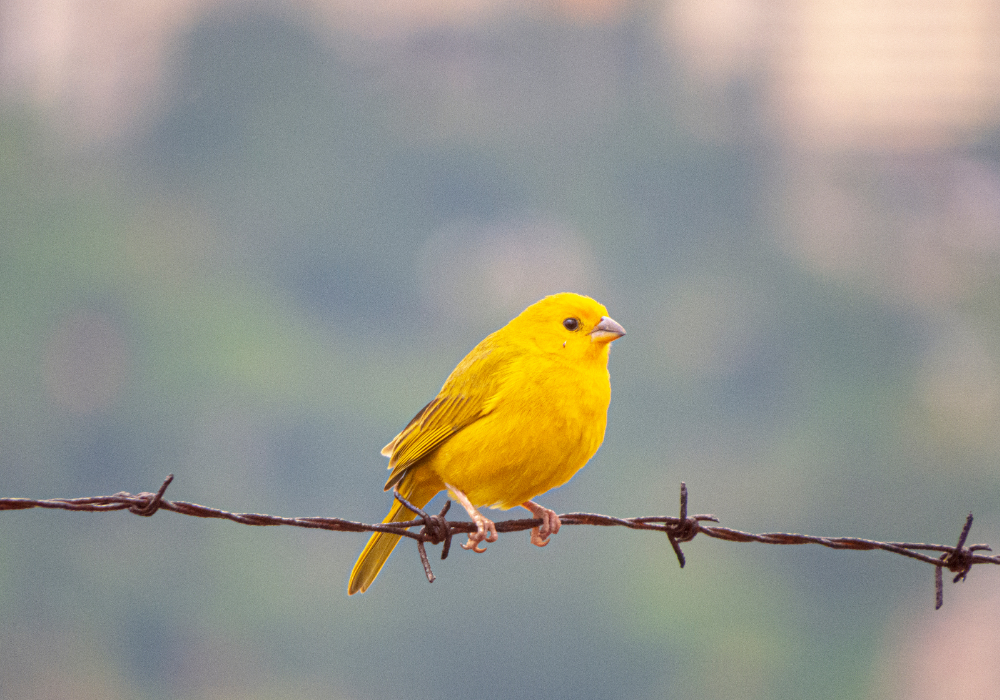
If your neighborhood feels quieter than it used to, you’re not imagining things. Many people are noticing fewer birds at feeders, in parks, and even during early morning hours. What feels like a small local change is often part of a much bigger pattern.
Birds are highly sensitive to their surroundings. Changes in climate, food sources, and human activity affect them quickly, sometimes before people realize anything has shifted.
Understanding why birds disappear from certain areas helps explain what’s happening in the environment—and what those changes may signal next.
1. Habitat loss removes the basics birds need to survive
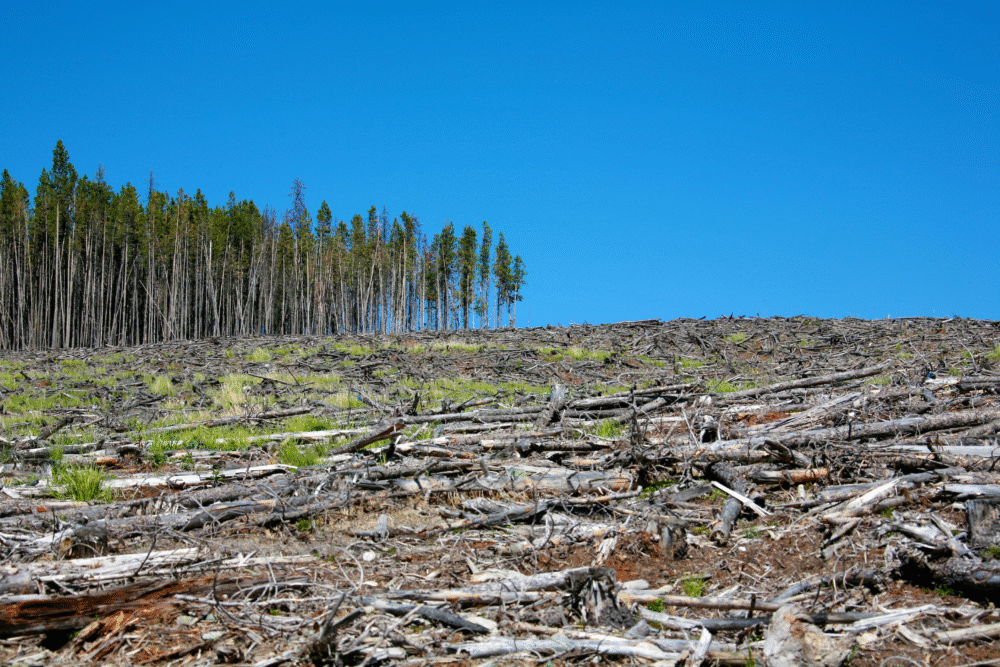
Birds rely on specific trees, plants, and open spaces for nesting and feeding. When land is cleared for development or landscaping becomes more uniform, those essentials disappear.
Even small changes can matter. Removing native plants or trimming trees at the wrong time of year can reduce shelter and nesting opportunities, pushing birds to search elsewhere.
2. Insect populations are declining in many regions
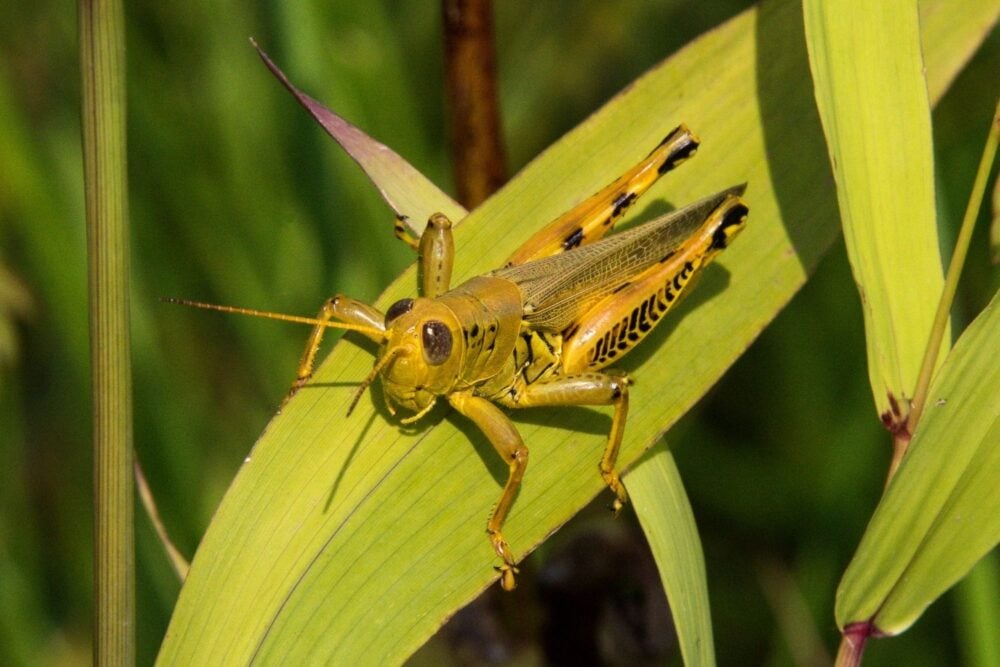
Many birds depend on insects, especially during breeding season when chicks need protein-rich food. When insects decline, birds struggle to feed their young.
Pesticide use, habitat loss, and climate shifts all affect insects. Fewer insects often mean fewer birds, even if seeds and feeders are still available.
3. Climate change is shifting migration patterns
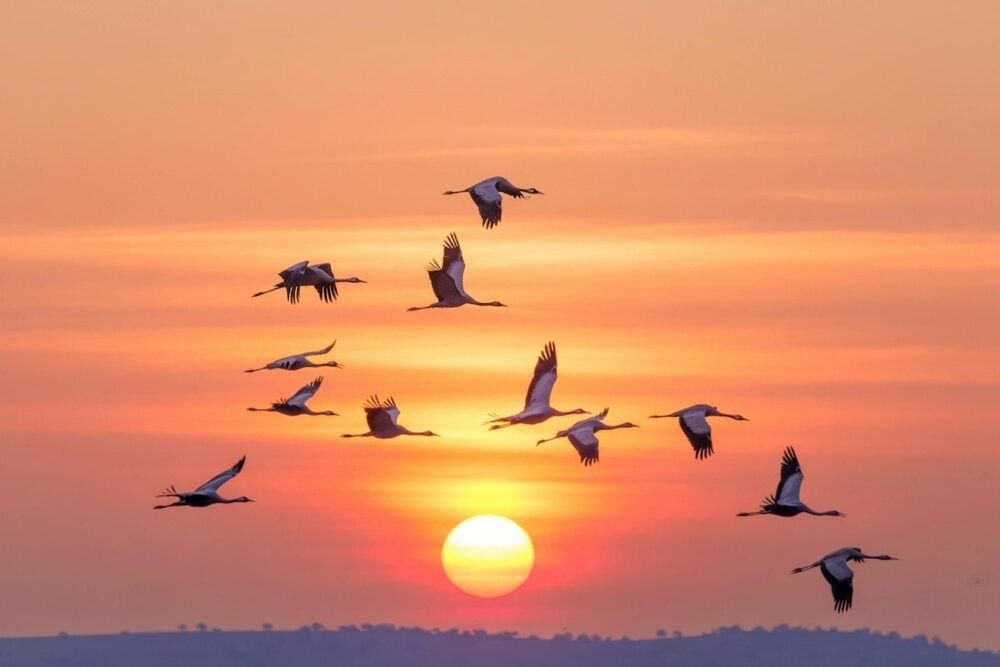
Birds time their migrations based on temperature, daylight, and food availability. As climate patterns change, those cues are shifting.
Some species now arrive earlier, leave later, or skip areas they once relied on. This can make birds seem absent when they’ve simply adjusted their routes.
4. Extreme weather can reduce local bird numbers

Heat waves, cold snaps, droughts, and storms can directly kill birds or destroy nests and food sources. Recovery can take years.
After severe weather, birds may relocate permanently if conditions no longer support them. A single season can reshape local populations.
5. Window collisions quietly kill millions of birds
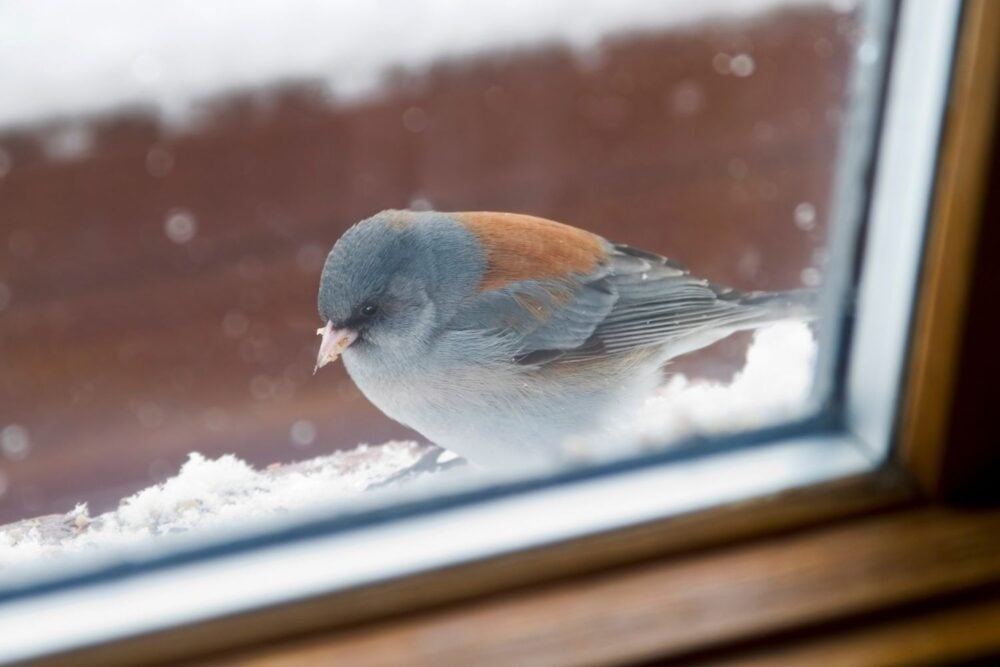
Glass reflects sky and trees, confusing birds in flight. Collisions with windows are one of the leading causes of bird deaths worldwide.
Urban and suburban areas with large windows are especially dangerous. Fewer birds may reflect unseen losses happening close to home.
6. Noise pollution drives birds away
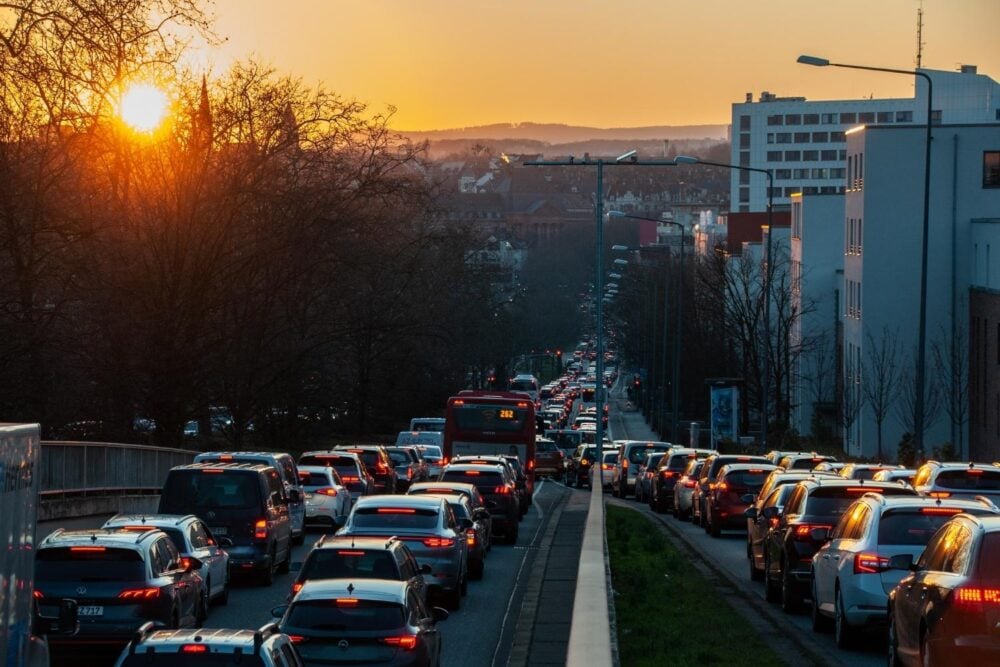
Birds rely on sound to communicate, defend territory, and attract mates. Constant noise from traffic, construction, or machinery interferes with these signals.
When communication becomes difficult, birds may abandon otherwise suitable habitats. Quieter areas often support higher bird diversity.
7. Outdoor cats have a significant impact
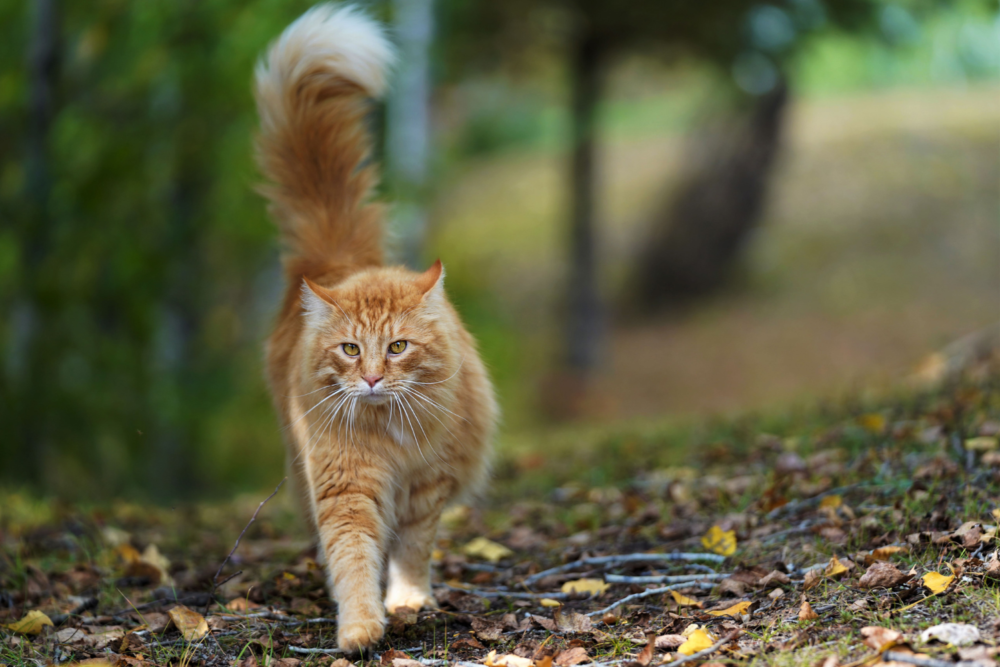
Free-roaming cats hunt birds instinctively, even when well-fed. Their impact is especially strong in residential areas.
Birds often avoid places where predators are common. Over time, repeated losses can reduce local populations dramatically.
8. Light pollution disrupts bird behavior

Artificial lights confuse migrating birds and interfere with sleep and feeding cycles. Nighttime lighting can draw birds off course or exhaust them.
In brightly lit areas, birds may avoid nesting altogether. Darkness, like quiet, turns out to be an important habitat feature.
9. Changes in water availability matter more than people realize
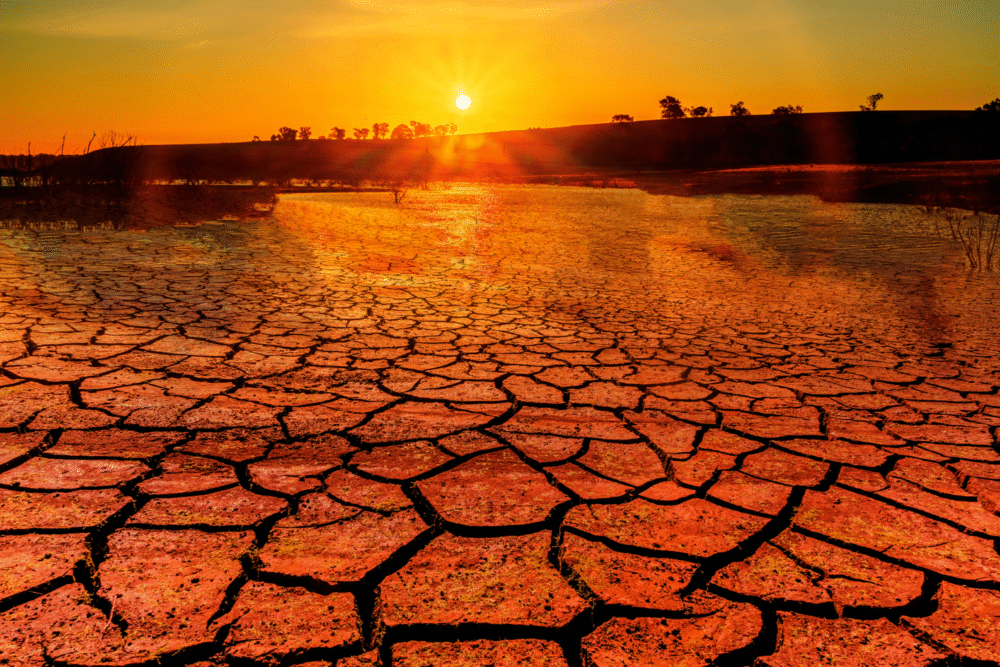
Birds need reliable water sources for drinking and bathing. Droughts, drained wetlands, and altered waterways reduce access.
When water disappears, birds often leave, even if food remains. These movements can happen quickly during dry periods.
10. Disease can spread rapidly through bird populations
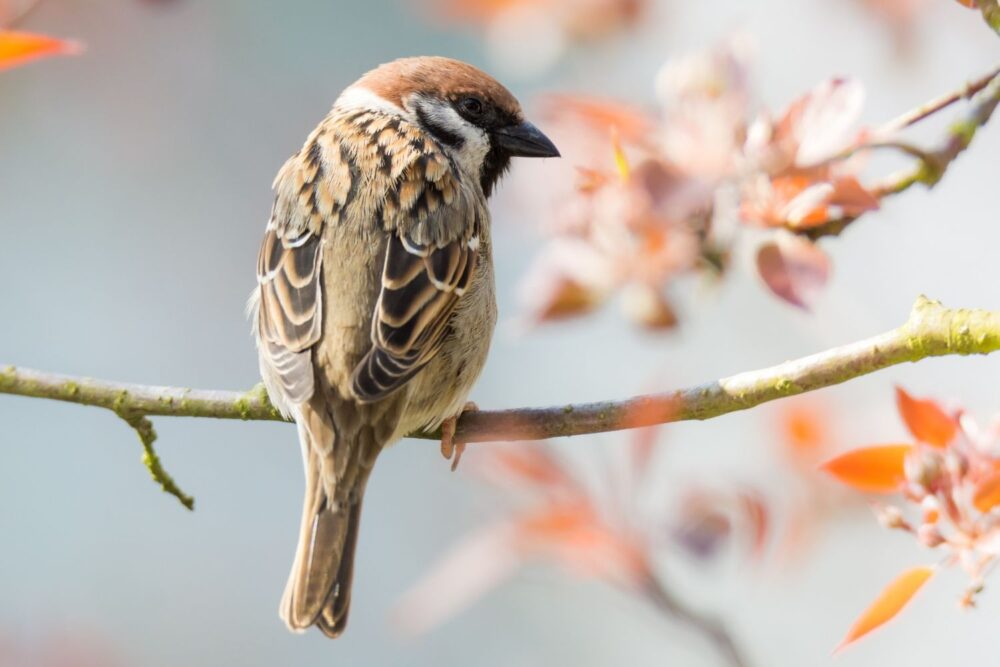
Outbreaks of avian diseases can reduce numbers in a short time. These events often go unnoticed unless they’re severe.
Even mild outbreaks can discourage birds from gathering in certain areas, making populations appear suddenly smaller.
11. Birds are early indicators of environmental stress
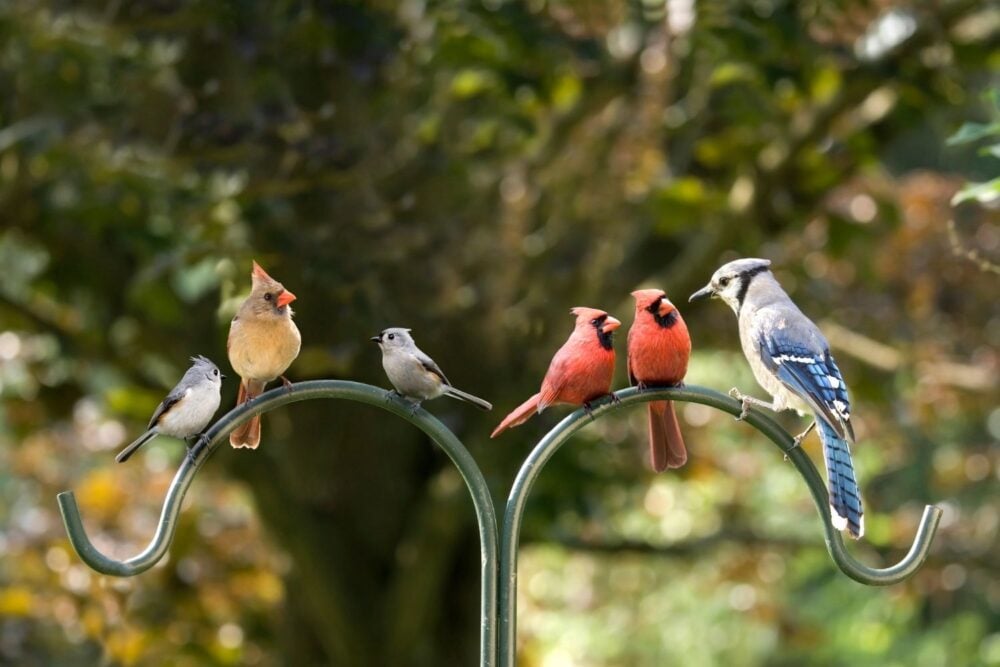
Birds respond quickly to environmental changes, often before humans notice other signs. Their absence can be an early warning.
When birds decline, it’s rarely due to a single cause. It’s usually a combination of pressures adding up over time, reshaping where wildlife can still thrive.