
Certain familiar foods don’t just taste good. They trigger calming responses deep in the brain.
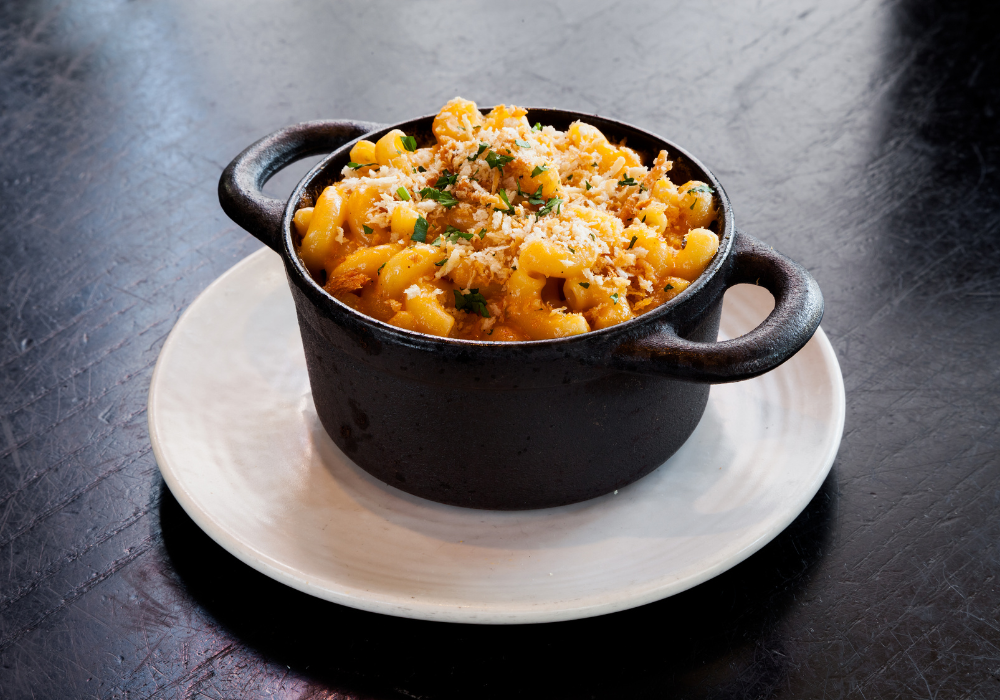
When people reach for comfort food, it’s often dismissed as emotional eating or a lack of willpower. But the urge isn’t random. The brain is wired to associate certain tastes, textures, and smells with safety, relief, and care.
Science shows that some foods can genuinely quiet stress signals and activate reward pathways. They influence hormones, memory, and the nervous system in ways that help the body settle down.
Understanding why comfort foods work doesn’t mean eating without limits. It means recognizing how biology, memory, and emotion combine to create a powerful sense of calm.
1. Comfort foods activate the brain’s reward system

Many comfort foods trigger dopamine release, the chemical tied to pleasure and motivation. This reaction helps explain why familiar dishes can quickly improve mood.
Dopamine doesn’t just create happiness. It signals safety and reward, telling the brain that things are okay for the moment. That reassurance can reduce stress and emotional tension.
2. Warm foods send physical calming signals

Warm meals and drinks stimulate receptors linked to relaxation. Heat can activate the vagus nerve, which helps regulate mood and digestion.
This physical warmth mirrors the sensation of being cared for. The body responds by slowing the heart rate slightly and easing muscle tension, creating a subtle calming effect.
3. Carbohydrates increase serotonin availability

Carb-heavy comfort foods help the brain absorb tryptophan, a building block of serotonin. Serotonin plays a key role in mood stability and calmness.
That’s why foods like pasta, rice, or bread often feel soothing. They support chemical pathways that naturally reduce anxiety and emotional agitation.
4. Familiar flavors reduce uncertainty and stress

The brain craves predictability when stressed. Familiar tastes require little mental effort to process, which lowers cognitive strain.
Eating something known and expected gives the brain a break from decision-making. That sense of certainty can be deeply calming during overwhelming moments.
5. Comfort foods are tied to emotional memory

Smell and taste connect directly to memory centers in the brain. A single bite can activate powerful associations with safety or care.
These memories aren’t always conscious. The brain responds emotionally before logic kicks in, reinforcing the calming effect almost instantly.
6. Chewing itself can lower stress levels

The act of chewing sends signals to the brain that reduce cortisol, the stress hormone. Slow, rhythmic chewing is especially effective.
This mechanical action helps explain why crunchy or hearty comfort foods feel grounding. The body interprets chewing as a sign that immediate danger has passed.
7. Fat content plays a calming role

Dietary fats help stimulate satiety hormones that promote relaxation. They also slow digestion, creating a longer-lasting sense of fullness.
That extended fullness signals stability to the brain. Feeling physically satisfied can translate into emotional calm and reduced restlessness.
8. Comfort foods often regulate blood sugar

Low blood sugar can increase irritability and anxiety. Comfort foods tend to raise glucose levels quickly and predictably.
When blood sugar stabilizes, stress responses ease. The brain functions more smoothly, which can feel like emotional relief.
9. Social conditioning reinforces the calming effect

Many comfort foods are shared during positive social moments. Family meals and celebrations strengthen emotional associations.
Over time, the brain links these foods with belonging and safety. Eating them later can recreate that emotional environment, even when alone.
10. Stress increases cravings for energy-dense foods

During stress, the body seeks quick energy to prepare for action. Comfort foods often deliver fast, efficient calories.
Meeting that biological demand reduces the stress response. The brain interprets the energy intake as preparedness, helping it stand down.
11. Ritual matters as much as the food itself

Preparing or eating comfort food often follows a ritual. Familiar routines create psychological stability.
The brain finds comfort in repetition. Even small rituals signal order and control, which counteract feelings of chaos or overwhelm.
12. Comfort foods calm the brain, but balance still matters

The calming effects are real, not imagined. Comfort foods genuinely interact with brain chemistry and nervous system responses.
Understanding why they work allows for mindful choices. When enjoyed intentionally, comfort foods can support emotional regulation without becoming the only coping tool.