
As everyday tools get smarter, the rules meant to protect people are struggling to keep pace.
Not long ago, new technology arrived slowly enough that people could get used to it. You bought a device, learned how it worked, and only later did society start debating its downsides. That rhythm gave everyone time to catch their breath.
Today, technology slips into daily life almost overnight. Updates appear automatically. Features turn on by default. Tools become essential before most people realize they’ve adopted them.
The problem isn’t innovation itself. It’s the growing gap between how fast technology moves and how slowly the rules meant to protect people are able to respond.
1. Technology now becomes normal before anyone can question it
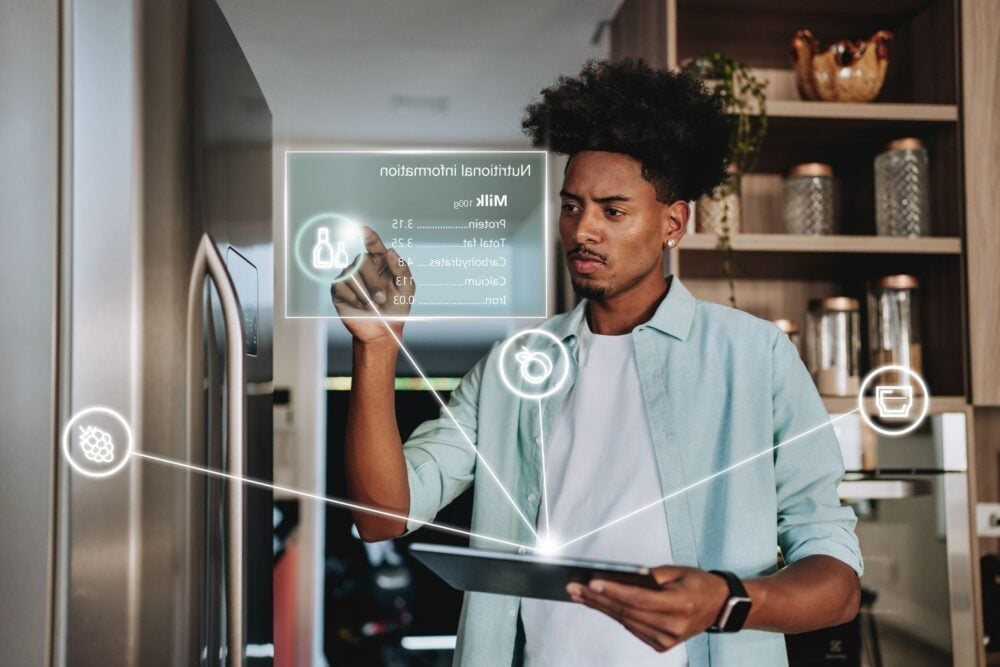
New tools used to arrive with a clear choice. You decided whether to adopt them, and if you didn’t like them, you could often opt out. That’s no longer how things work.
Now, features show up through updates and integrations. Once they’re part of everyday systems, avoiding them can feel impossible. Laws usually don’t catch up until long after the technology feels unavoidable.
2. Most rules were written for a much simpler tech world

Many laws still assume technology does one thing and stays that way. They were built for products that didn’t change much after launch.
Modern tools evolve constantly. They learn, adapt, and expand in ways older rules never anticipated. That mismatch leaves regulators trying to apply yesterday’s language to today’s reality.
3. Data is collected quietly, without much notice

Phones, apps, and smart devices now gather information in the background. You don’t have to type anything or press a button. It just happens.
Most privacy rules depend on the idea of informed consent. But when data collection is invisible, it’s hard to say what people truly agreed to or even knew was happening.
4. Automated systems now make everyday decisions

Algorithms help decide what you see online, what prices you’re offered, and sometimes what opportunities you’re given. When everything works, it feels convenient and efficient.
When something goes wrong, though, it’s unclear who to question. Laws were designed to challenge human decisions, not systems that can’t easily explain how they reached a conclusion.
5. Software can change after you’ve already accepted it
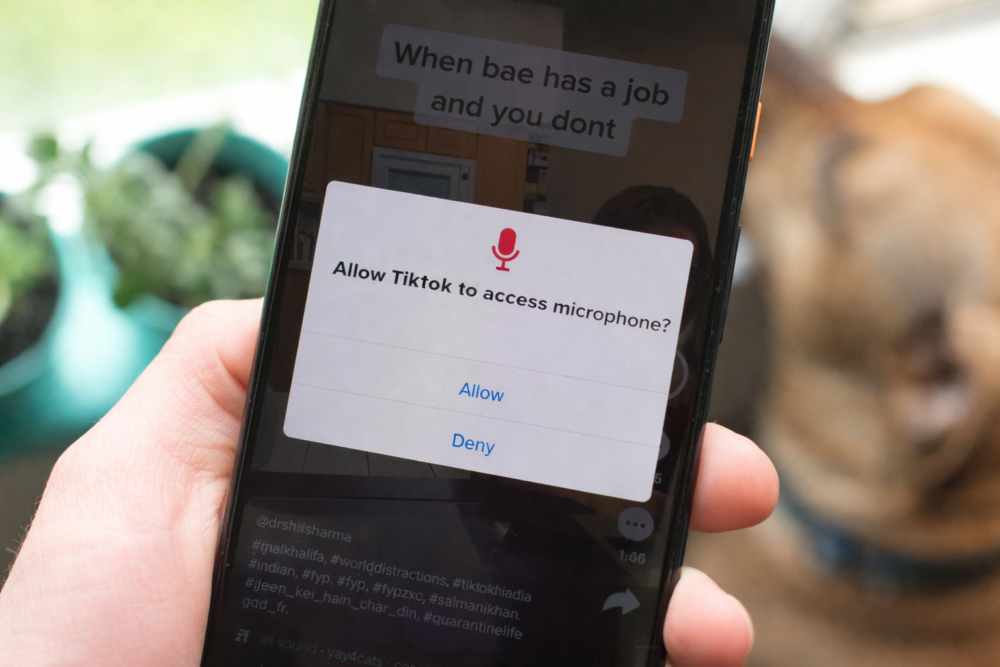
You might sign up for a service or buy a device expecting one set of features. Later, an update quietly adds new capabilities you never asked for.
Consumer protections usually assume products stay the same. Software doesn’t. That makes consent feel slippery, because the thing you agreed to can keep shifting over time.
6. Biometric tools raise the stakes in a new way
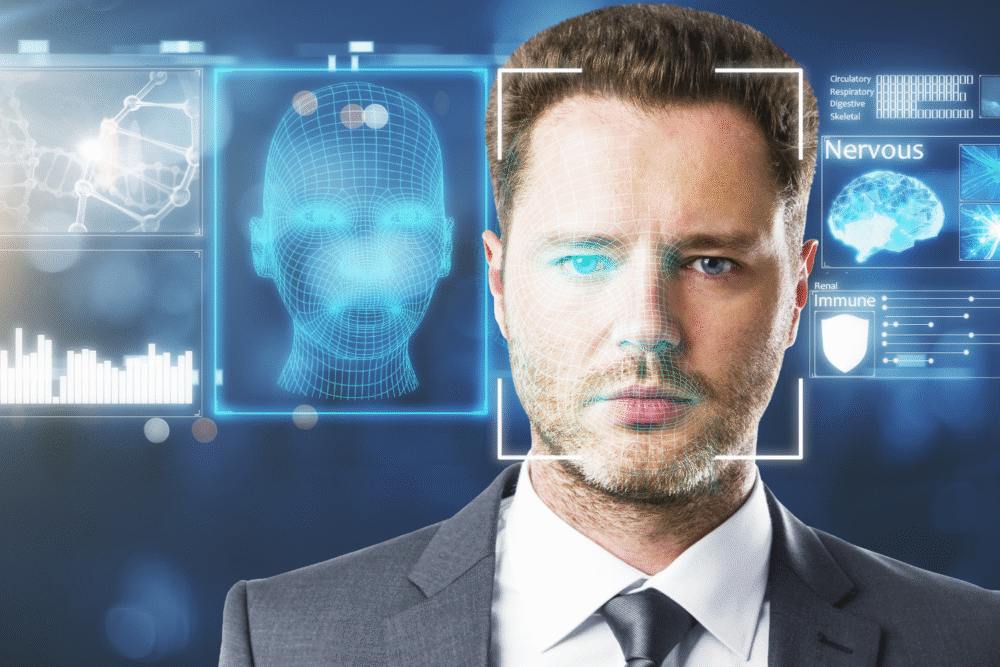
Face scans and voice recognition make life faster. They also rely on data you can’t replace if it’s misused or stolen.
Many laws treat biometric data like a password or email address. In reality, it’s much more personal, and mistakes involving it can follow someone for years.
7. Everyday devices now come with hidden risks

Doorbells, cars, watches, and even household appliances are connected to the internet. That connectivity brings convenience, but it also opens doors most people never see.
Security standards vary widely. Some products launch with minimal protections, leaving users vulnerable until a breach forces improvements after the fact.
8. Design choices quietly shape how people behave

Endless scrolling, autoplay, and constant notifications don’t feel like control, but they influence attention, habits, and sleep more than people realize.
Older laws focus on what content is shown, not how platforms keep people engaged. Regulating subtle behavioral influence is difficult, even when its effects are widespread.
9. Responsibility gets fuzzy when systems overlap

Many services rely on outside vendors, cloud platforms, and third-party tools. When something breaks, no single company always feels fully responsible.
From the user’s perspective, the harm is real. From a legal perspective, accountability can be hard to trace, which helps the same problems repeat.
10. Regulation usually arrives after damage is done

Investigations, hearings, and rulemaking take years. By the time action happens, the technology involved may already look different.
That delay weakens deterrence. If consequences come late and feel manageable, they’re easier to absorb than to avoid.
11. Closing the gap will require a new approach

Some experts argue laws should focus on outcomes like safety, fairness, and transparency instead of naming specific tools. That way, rules still apply as technology changes.
Until then, people are left adjusting on their own. Technology will keep moving quickly. The challenge is building protections that can move with it, not chase it.