
New evidence suggests Earth’s crust is far more dynamic and responsive than scientists once believed.
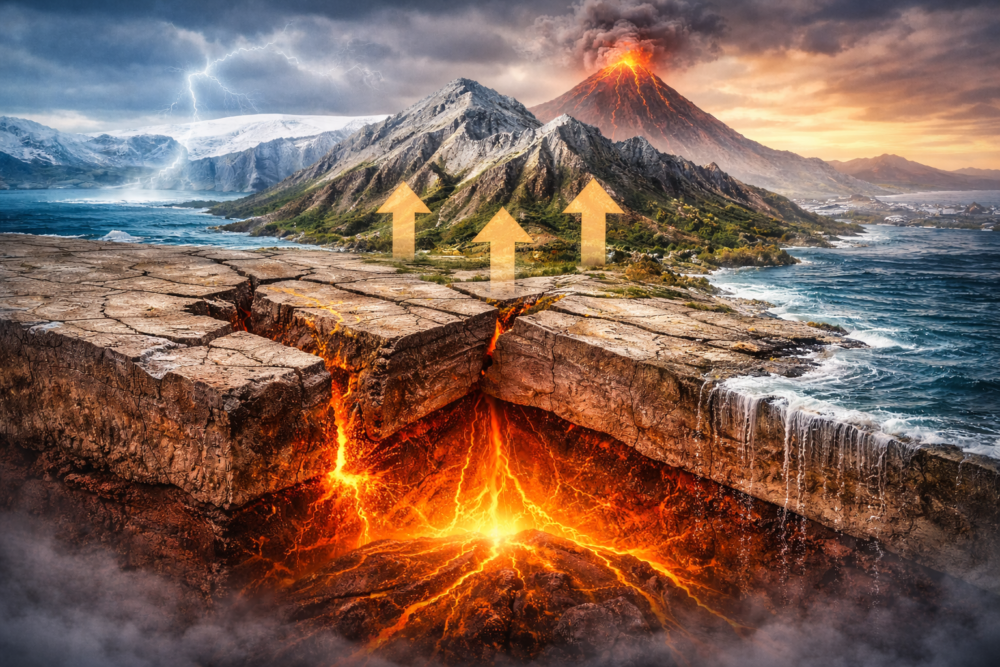
For generations, geology taught that Earth’s surface changes slowly, almost imperceptibly, over immense spans of time. Mountains rose, continents drifted, and landscapes shifted at a pace far removed from daily life. It was a comforting idea that placed humanity far outside Earth’s deeper rhythms.
But recent discoveries are forcing scientists to reconsider that view. From satellite measurements to deep-earth imaging, researchers are finding signs that the planet responds more quickly—and more dramatically—to forces we’re only beginning to understand.
If confirmed, these findings could reshape how we think about earthquakes, land stability, and even the ground beneath our feet.
1. The belief that Earth’s surface barely changes shaped early geology
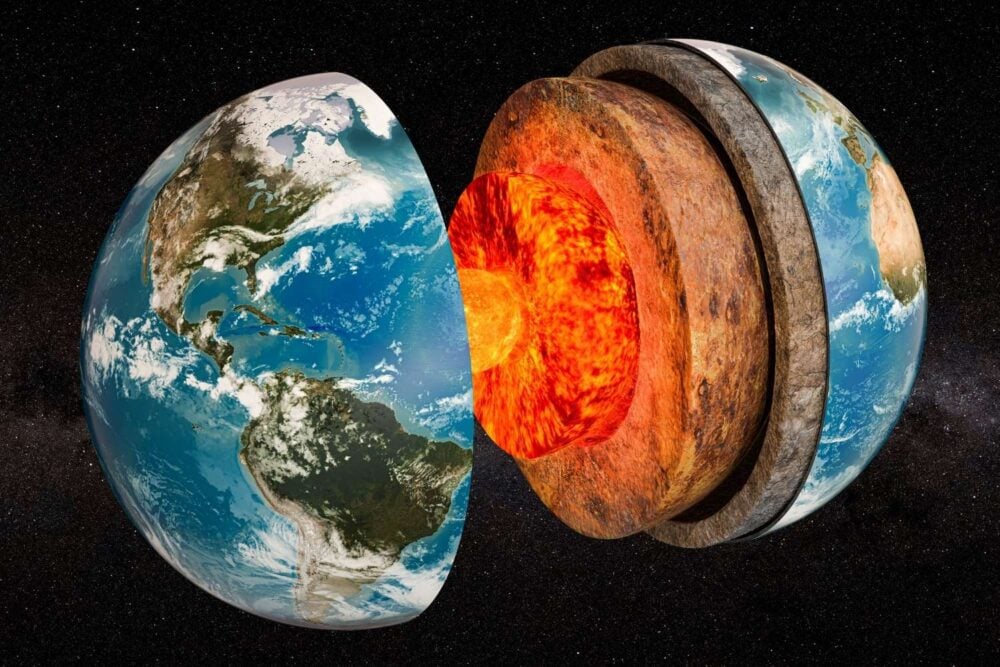
For much of modern science, Earth’s crust was seen as stable and predictable, shifting only through rare, catastrophic events. Changes were thought to take thousands or millions of years, far beyond a human lifetime.
That assumption made sense given the tools available at the time. Without precise measurements, subtle movements went unnoticed, reinforcing the idea that the ground beneath us was mostly fixed and reliable.
2. New technology began revealing motion where none was expected
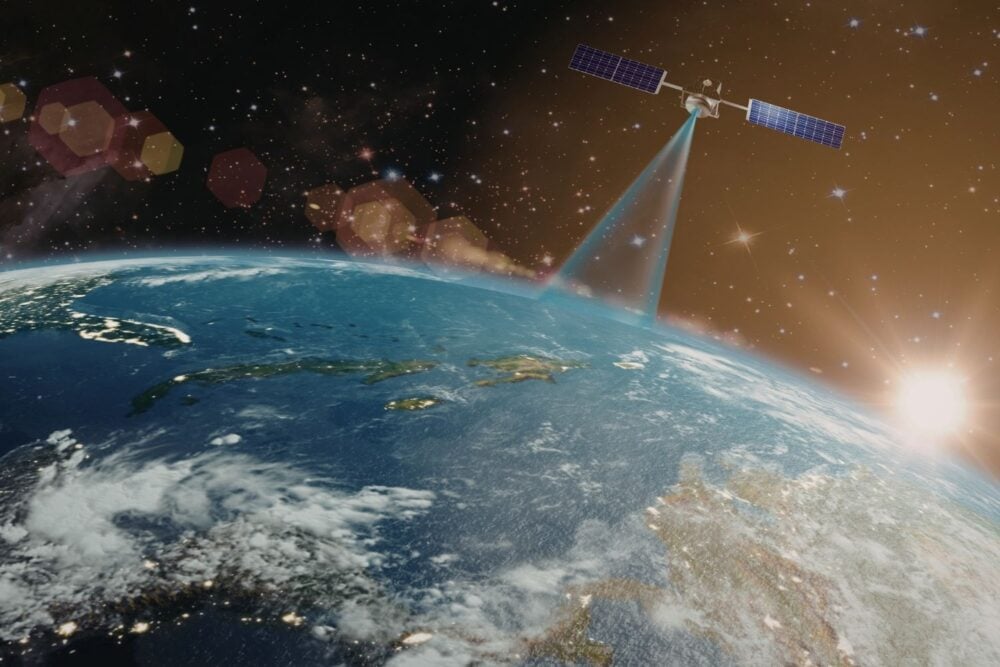
With the rise of satellite tracking and GPS monitoring, scientists gained the ability to measure Earth’s surface down to millimeters. What they found was surprising.
Entire regions were slowly flexing, rising, or sinking in ways that didn’t fit old models. These changes weren’t dramatic enough to see, but they were constant, measurable, and happening right now.
3. Earth’s crust behaves less like rock and more like a slow fluid
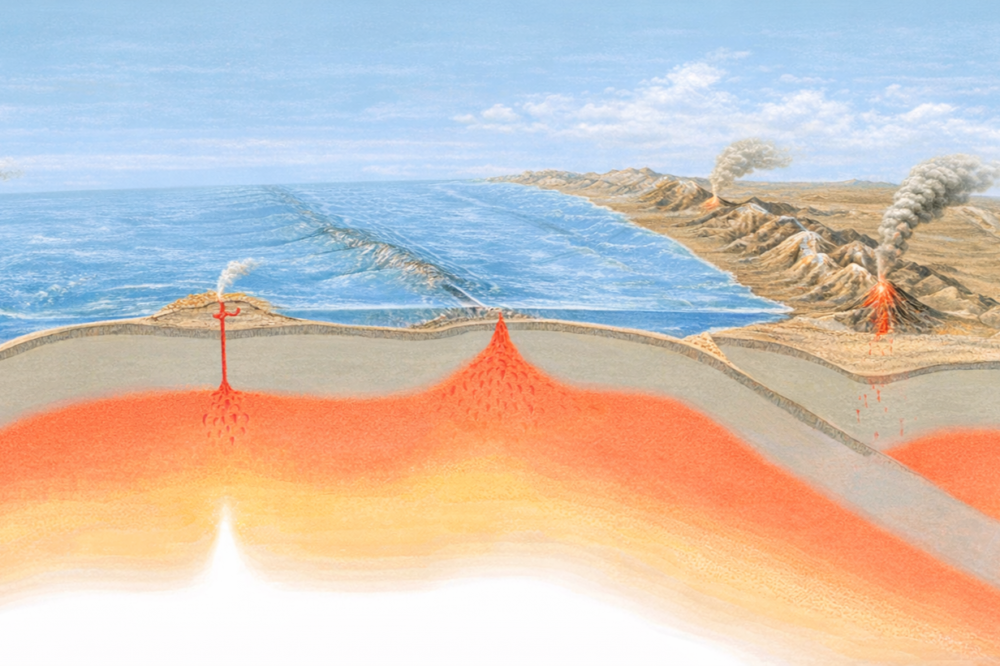
Rather than acting as a rigid shell, parts of Earth’s crust appear to move gradually, bending under pressure like thick honey. This movement can occur without earthquakes or obvious surface damage.
Researchers now believe temperature, pressure, and deep mantle activity allow the crust to deform silently. That realization challenges long-held ideas about how stress builds and releases inside the planet.
4. Some landscapes are shifting faster than geology once allowed
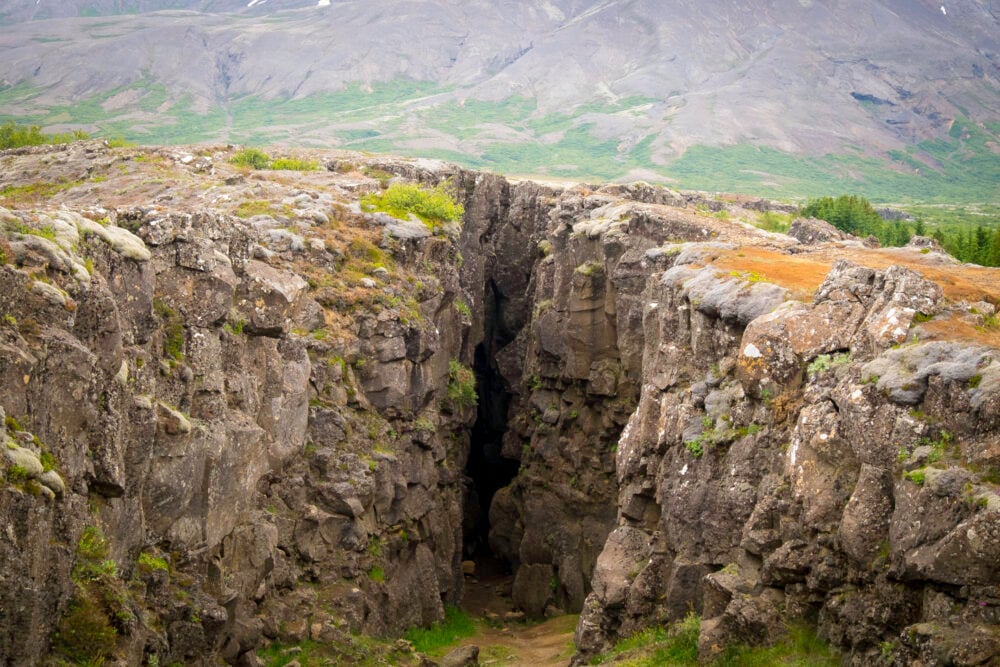
In certain regions, land is rising or sinking at rates once thought impossible without major events. Coastal areas, mountain ranges, and volcanic zones are all showing unexpected movement.
These shifts don’t always cause immediate danger, but they suggest Earth is far more responsive to internal and external forces than previously assumed. Even small changes can add up over time.
5. Water, ice, and erosion play a bigger role than expected

Melting glaciers, heavy rainfall, and groundwater movement can subtly change pressure on the crust. Scientists now see these forces as capable of influencing land movement and fault activity.
What was once considered surface-level change is now linked to deeper geological responses. Earth doesn’t separate climate and geology as neatly as textbooks once did.
6. The planet may react to stress almost in real time
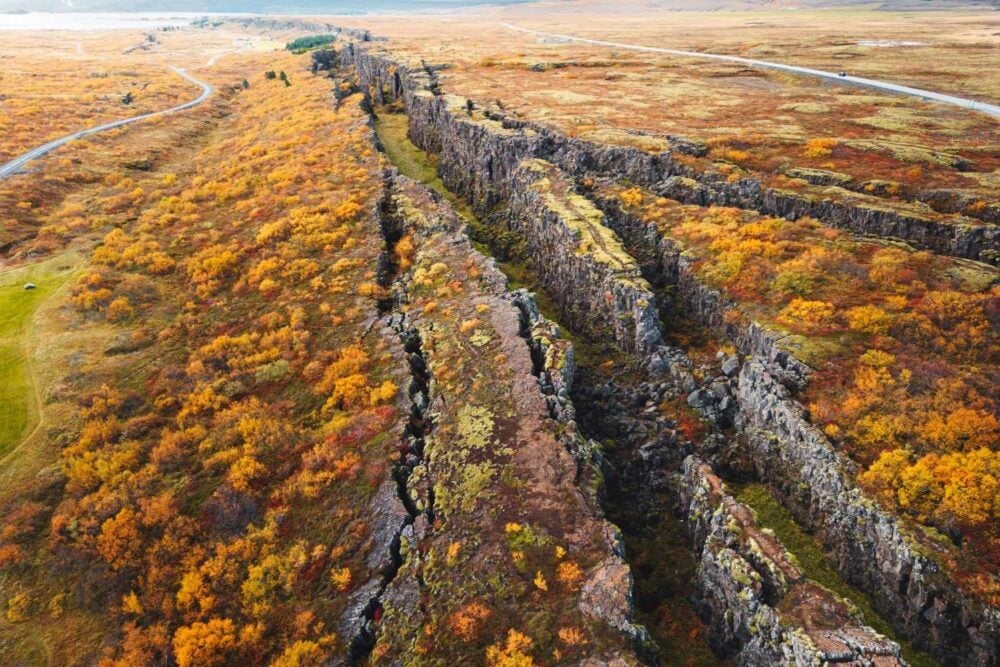
Instead of storing stress for centuries before releasing it, some parts of Earth seem to adjust continuously. This slow release can reduce pressure—or redirect it elsewhere.
That possibility changes how scientists think about risk. It suggests that land stability is not just about long-term history, but about ongoing conditions happening right now.
7. Earthquakes may not be the only sign of crustal change

Traditional geology focused heavily on earthquakes as indicators of movement. But many changes happen quietly, without shaking or destruction.
These silent shifts may explain why some regions behave unpredictably. The ground can change shape without warning signs people are used to watching for.
8. Human activity may influence geological movement more than assumed
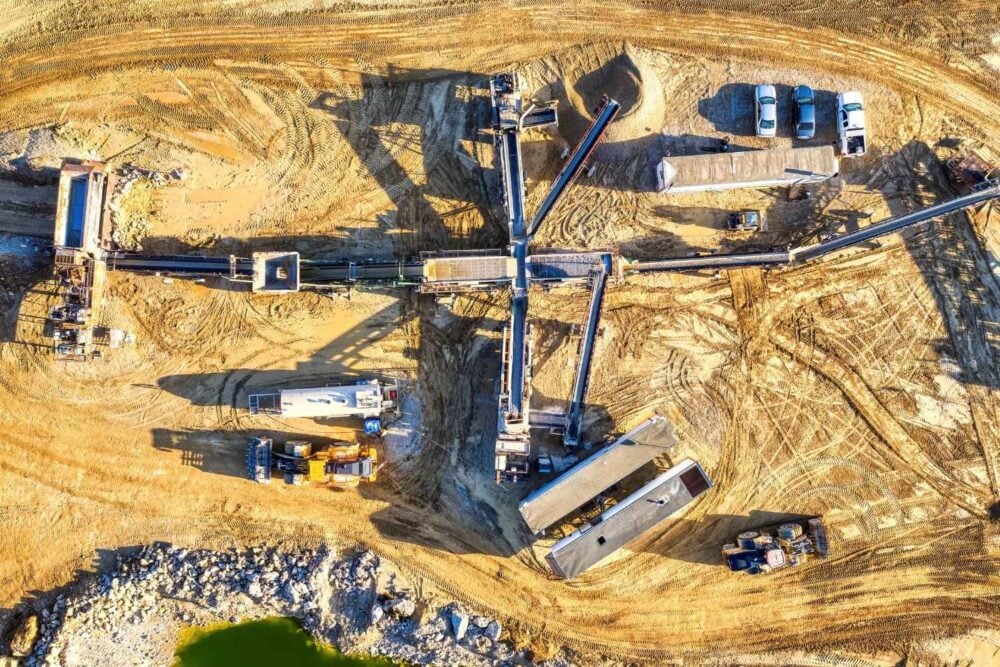
Large reservoirs, mining, and groundwater extraction can alter pressure deep underground. Scientists now see evidence that these actions can slightly affect crustal behavior.
While humans aren’t reshaping the planet overnight, our footprint may interact with natural systems in ways geology once overlooked. That connection is gaining serious attention.
9. This challenges how scientists model Earth’s future behavior
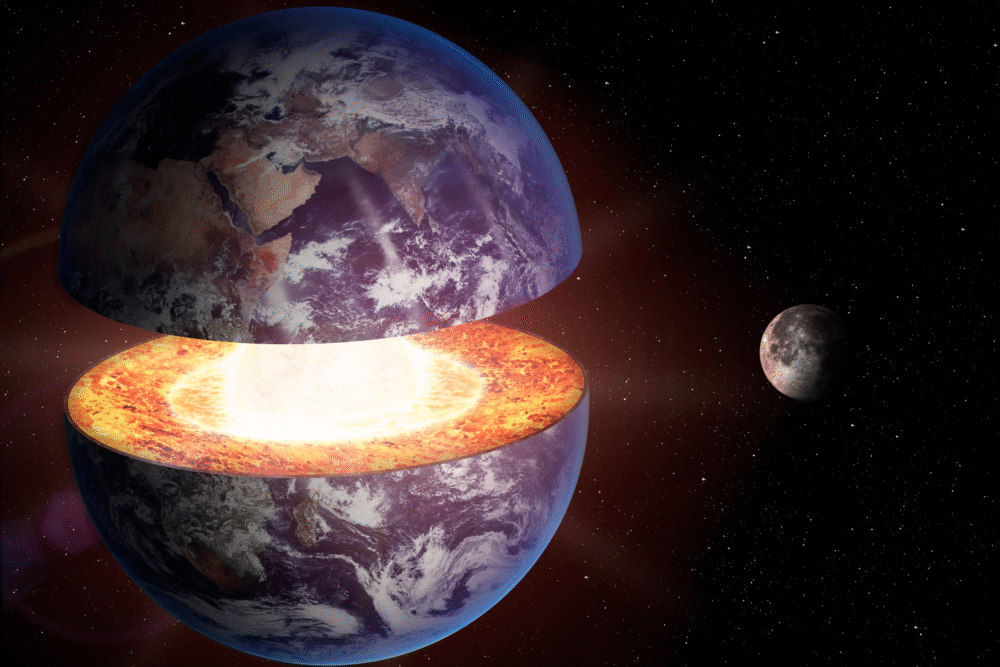
Many geological models rely on assumptions of slow, steady change. If Earth responds faster, those models may need updating.
Better models could improve hazard planning and infrastructure design. They might also help explain past events that never fully made sense under older assumptions.
10. The idea of “stable ground” may be more illusion than fact
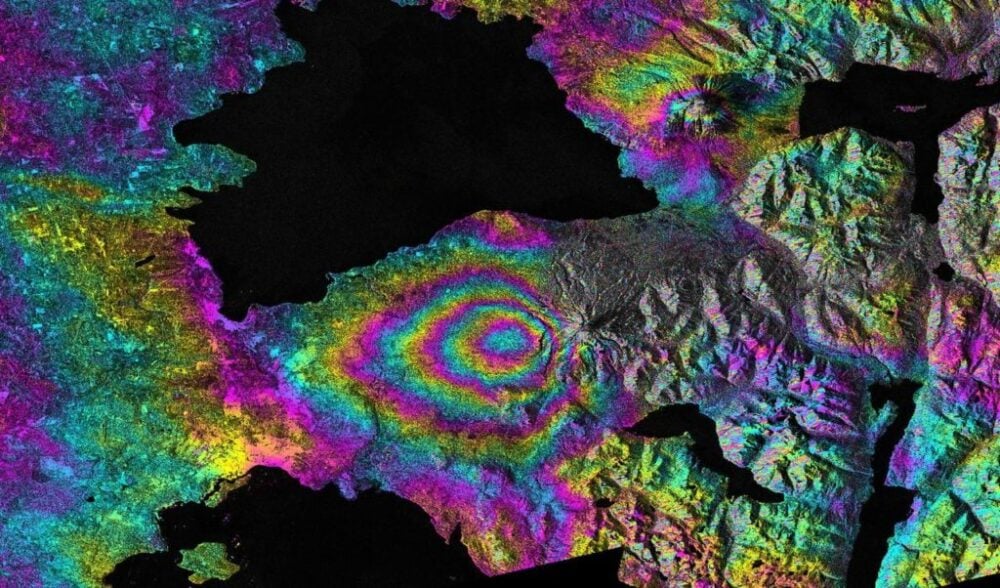
What feels solid underfoot may actually be part of a constantly adjusting system. Stability, it turns out, is often relative rather than absolute.
This doesn’t mean disaster is imminent, but it does mean Earth is more alive than we once believed. The planet is always responding, even when we don’t notice.
11. Rethinking this assumption could change how we live on Earth

Understanding Earth as dynamic rather than fixed could influence building, planning, and environmental decisions. It reframes how we think about safety and permanence.
As science refines its view of the planet, one thing is clear: Earth isn’t just shaped by the past. It’s actively evolving beneath us every day.