
Wildlife researchers say animals read movement, posture, and attention to decide whether to flee, freeze, or approach.
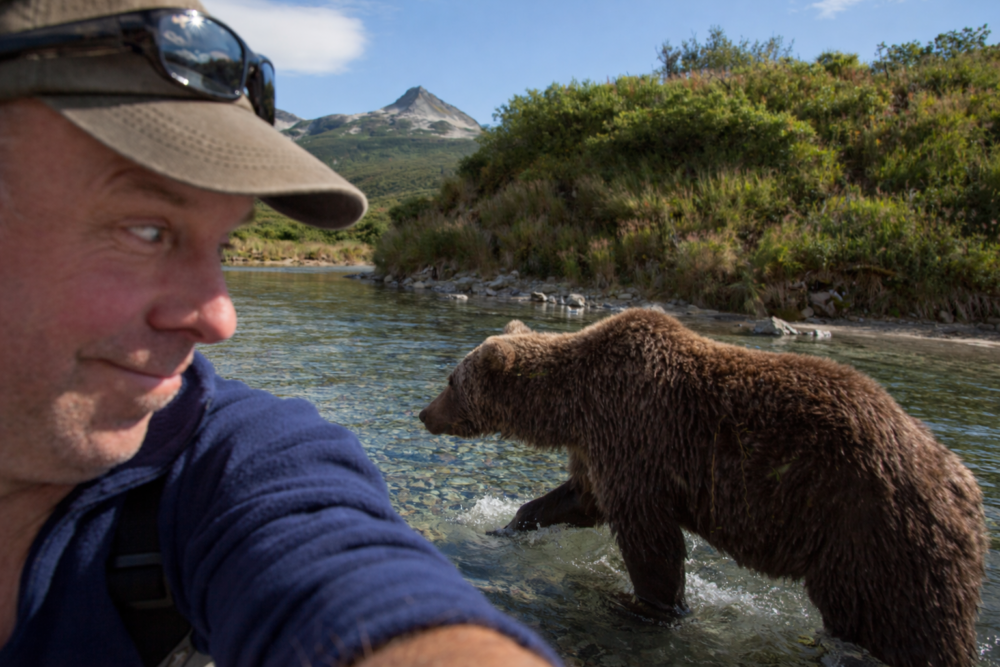
Animals rarely react to humans at random. Long before a growl, charge, or retreat, wildlife is quietly assessing what kind of presence a person represents. Researchers who study animal behavior say these decisions often happen in seconds, based on subtle cues most people don’t realize they’re sending.
Understanding how animals interpret human movement, posture, and behavior helps explain why some encounters escalate while others pass without incident. These signals don’t guarantee safety, but they often influence whether an animal decides to flee, freeze, observe — or feel threatened.
1. Movement Speed Is One of the First Signals

Animals pay close attention to how quickly a human moves. Slow, steady motion is often interpreted as non-threatening, while sudden or erratic movement can trigger alarm.
Running, waving arms, or abrupt direction changes may resemble predator behavior. Researchers note that many animals react defensively not to presence alone, but to rapid motion that suggests unpredictability or pursuit.
2. Direct Eye Contact Sends Mixed Messages

In the human world, eye contact can signal attention or confidence. For many animals, however, prolonged direct eye contact is interpreted as a threat.
Predators often lock eyes before attacking, so some species view sustained staring as a challenge. Looking away slightly or using peripheral vision can reduce perceived aggression in certain encounters.
3. Body Posture Signals Confidence or Vulnerability
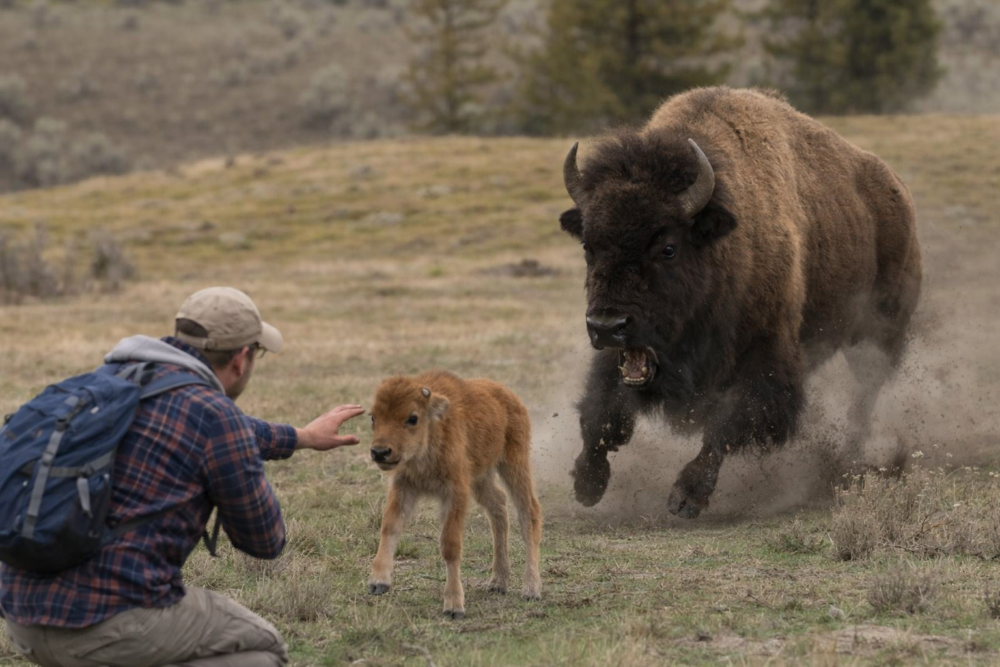
Animals assess posture to gauge intent. Upright, balanced posture can signal awareness, while hunched or crouched positions may suggest vulnerability.
Researchers say animals don’t read posture emotionally, but instinctively. An unstable or uneven stance can resemble injured prey, while steady posture suggests a potential obstacle rather than an opportunity.
4. Direction of Attention Matters
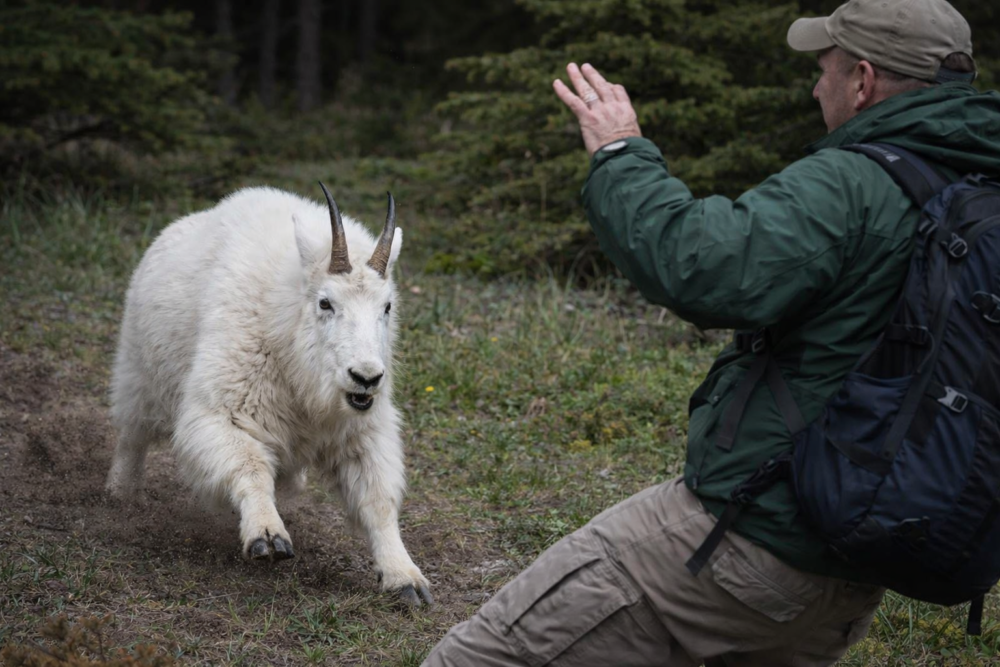
Animals notice where a human’s attention seems focused. Someone scanning their surroundings appears more alert than someone distracted or unaware.
Studies show animals are more likely to approach when humans seem inattentive. Awareness, even without direct engagement, can influence whether an animal chooses to keep its distance.
5. Sound Tone Is More Important Than Volume
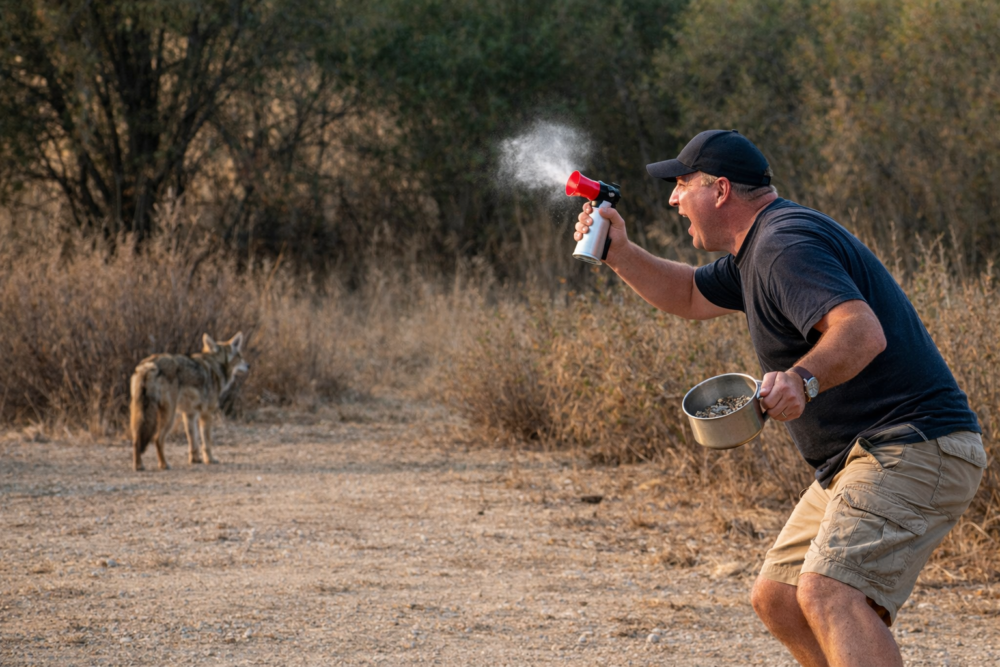
It’s not just how loud a human is, but how they sound. Calm, steady vocal tones are often less threatening than sharp or high-pitched noises.
Sudden yelling or frantic sounds can mimic distress calls or aggressive signals. Wildlife researchers emphasize that consistency in sound often matters more than silence or noise alone.
6. Predictability Reduces Perceived Threat
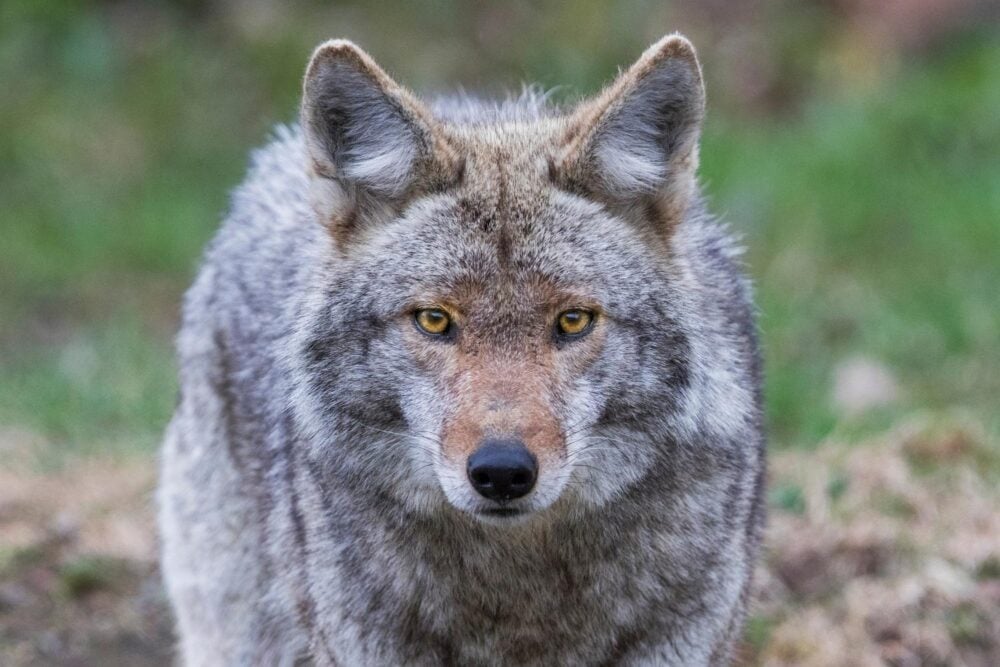
Animals constantly assess whether another being’s behavior is predictable. Smooth, repetitive movements are easier for animals to interpret.
Erratic behavior increases uncertainty, which can push animals toward defensive reactions. Predictability allows animals to make safer decisions without feeling cornered or surprised.
7. Group Size Changes the Calculation

Many animals factor in whether a human is alone or part of a group. Groups often appear larger and more imposing, which can discourage approach.
Solo individuals may be assessed more closely. Researchers note that animals aren’t counting people, but reading overall size, movement complexity, and presence.
8. Distance Is a Primary Decision Trigger

Physical distance strongly influences animal response. Most wildlife has a threshold where proximity shifts from observation to action.
Crossing that invisible boundary — intentionally or accidentally — can trigger flight or defensive behavior. Maintaining distance is one of the clearest ways to signal non-threat.
9. Familiarity Alters Interpretation
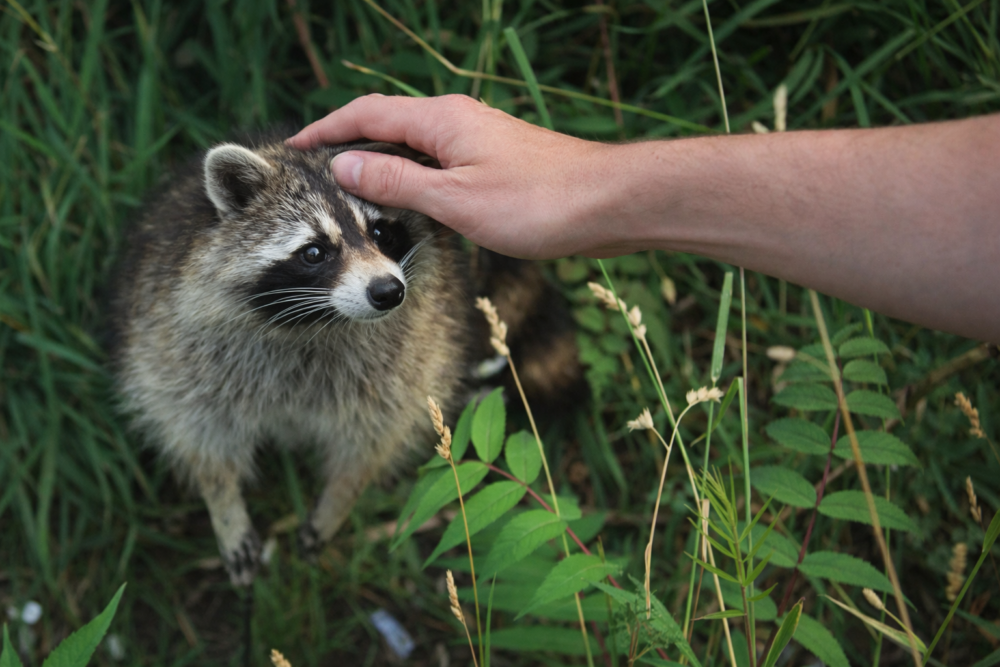
Animals that live near humans often behave differently than those in remote areas. Familiarity can reduce fear, but not eliminate assessment.
Urban or suburban wildlife may tolerate closer distances, yet still rely on the same signals to judge risk. Reduced fear doesn’t equal trust.
10. Animals Remember Past Interactions
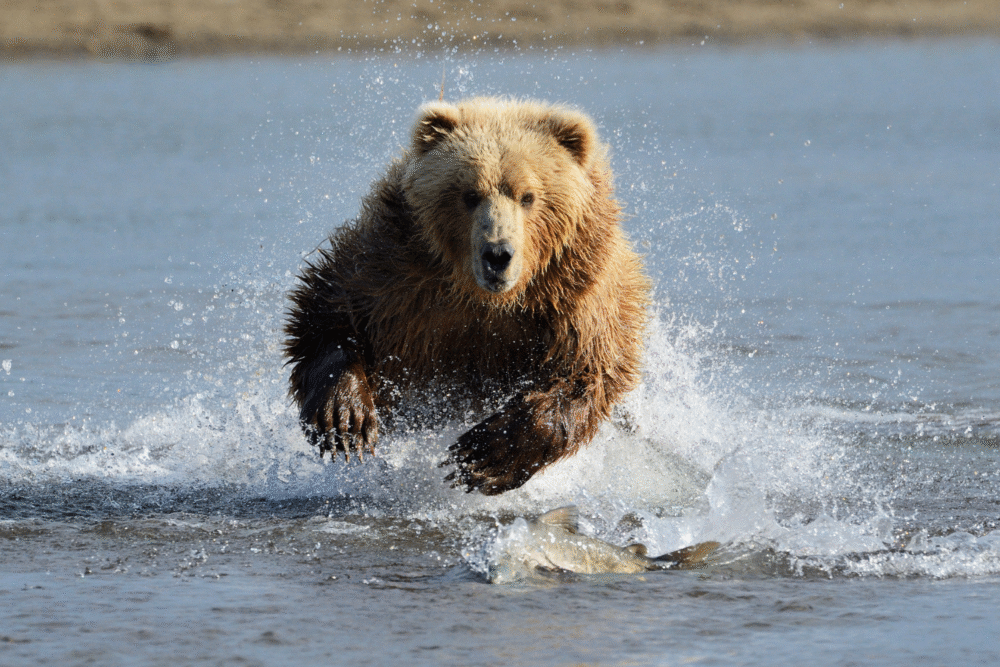
Research suggests some animals remember previous human encounters and adjust behavior accordingly. A neutral experience may reduce stress, while a negative one increases caution.
These memories shape future responses, meaning individual animals can react differently to identical situations based on prior outcomes.
11. Most Decisions Are About Avoidance, Not Attack
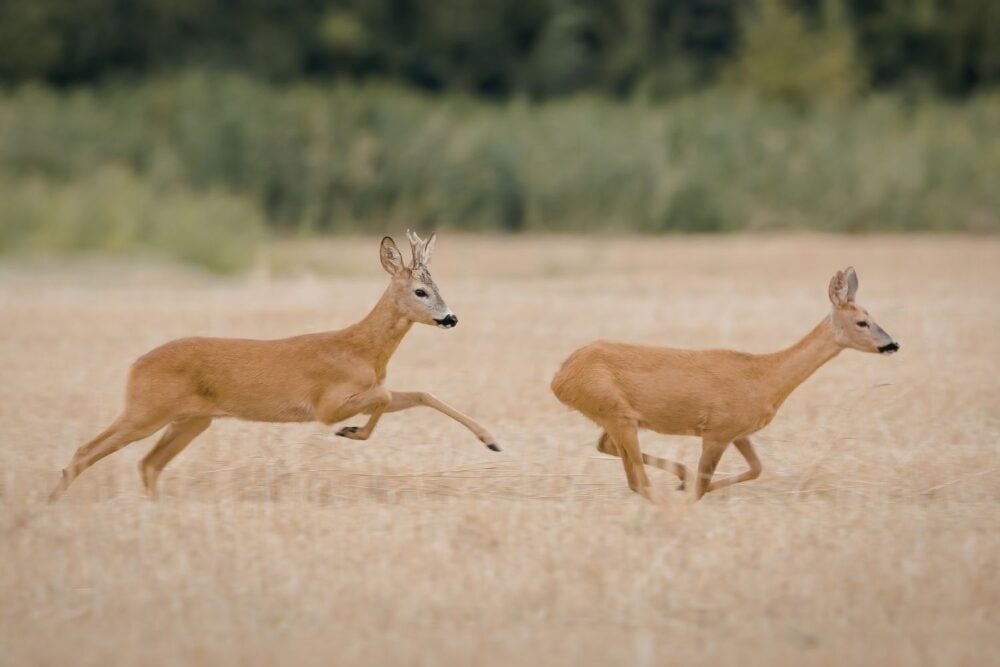
Despite dramatic stories, most animals prefer to avoid humans entirely. Their assessments are designed to prevent unnecessary risk.
When animals flee, freeze, or observe from a distance, it’s often the result of successful signal interpretation. Understanding these cues helps humans coexist more safely without assuming hostility where none exists.