
Wildlife experts say simple precautions can dramatically reduce the risk for pets living near alligator habitats.
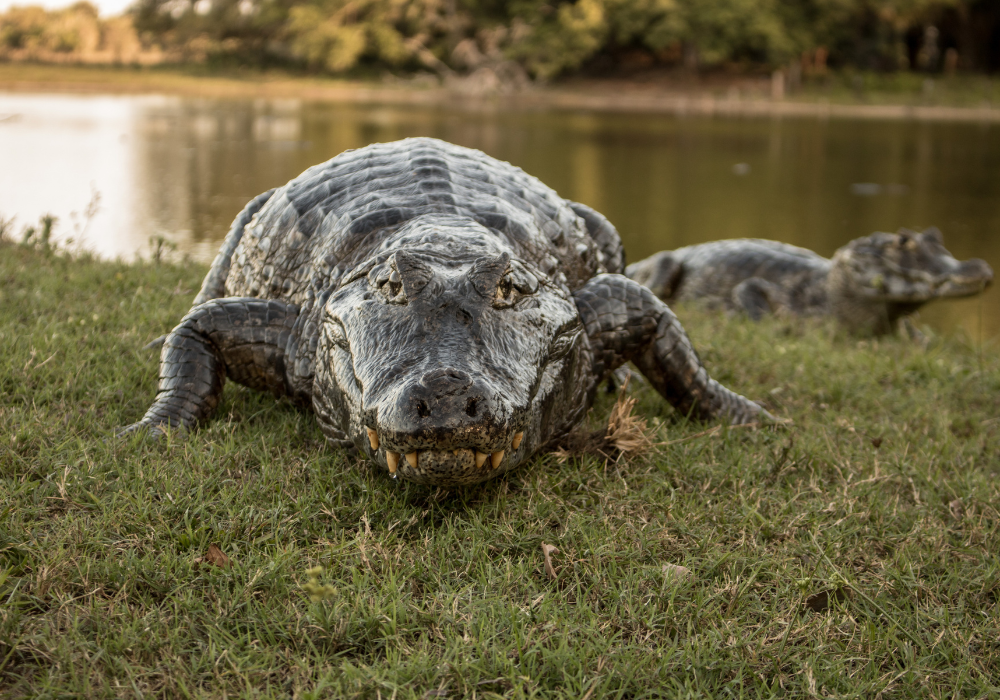
Living near lakes, canals, ponds, or wetlands means sharing space with wildlife — and in many parts of the U.S., that includes alligators. While serious encounters with people are rare, wildlife officials consistently report that pets face a much higher level of risk. Their size, movement, and curiosity can unintentionally trigger a gator’s natural hunting instincts, especially near water.
The good news is that most pet-related incidents are preventable. Understanding how alligators behave, when they’re most active, and how everyday habits increase risk can help pet owners make small changes that significantly improve safety without giving up outdoor routines.
1. Alligators See Pets as Prey, Not Companions
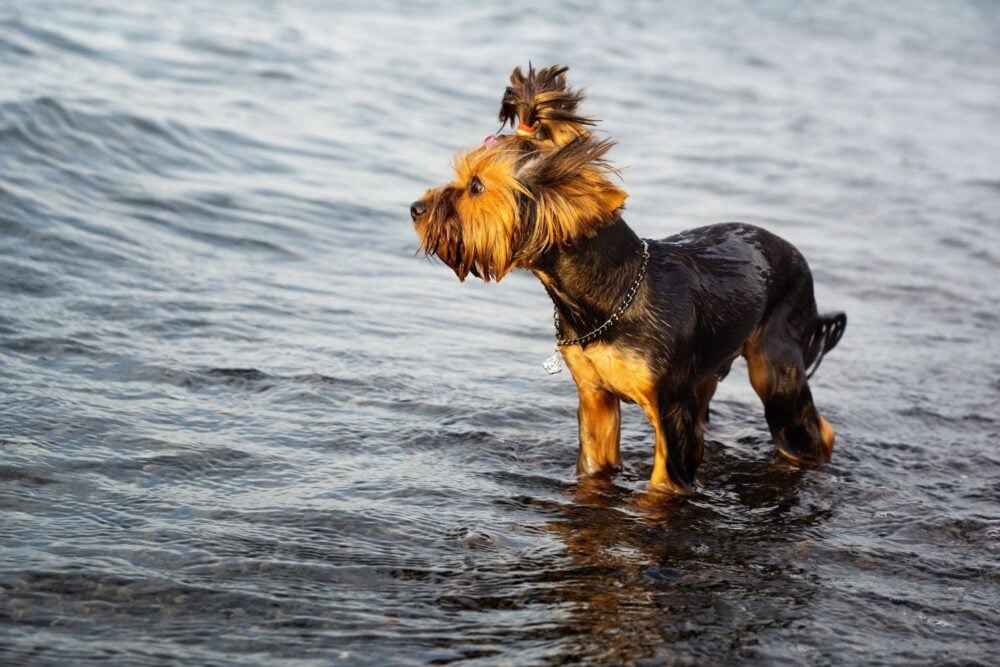
Alligators don’t recognize pets as companions or family members. To them, a small dog or cat moving near water can resemble natural prey such as raccoons, birds, or marsh animals common in their habitat.
Quick movements, splashing, and high-pitched noises can trigger an instinctive hunting response. Wildlife experts stress this behavior isn’t aggression or hostility toward people, but a normal feeding instinct, which is why pets face far greater risk near water than adult humans do. This risk increases when pets are allowed to roam freely or approach shorelines without restraint during routine walks.
2. Alligators Are Faster Than Most People Expect
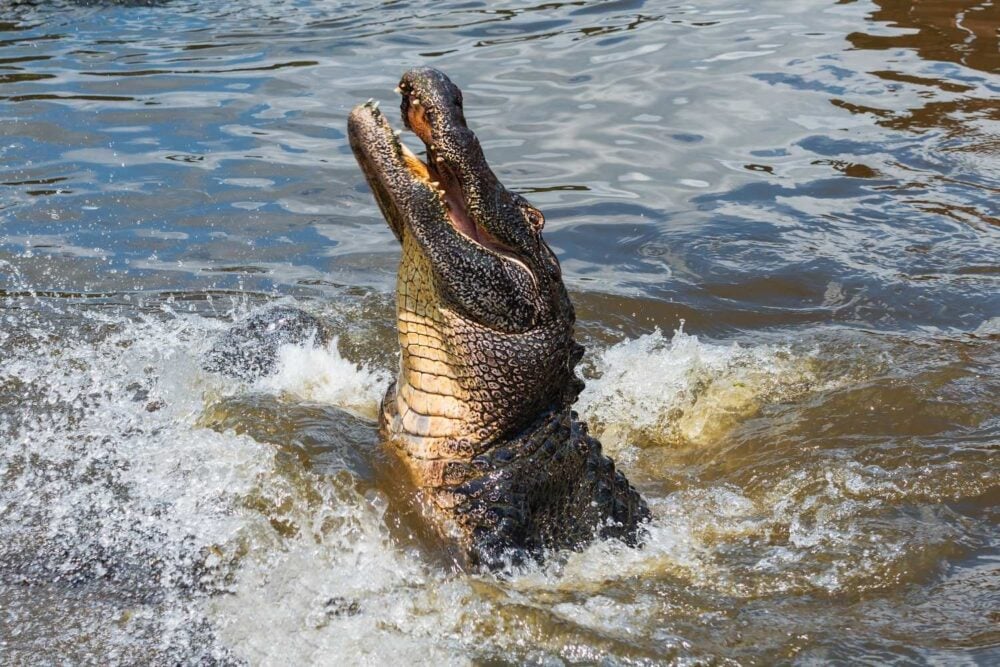
Alligators often appear slow and awkward on land, which leads many people to underestimate how quickly they can move. In reality, they can lunge several feet in a fraction of a second, especially when emerging from the water’s edge.
Wildlife agencies consistently warn that once an alligator initiates a short burst of movement, human reaction time is extremely limited. This speed advantage is one reason pets are at risk near shorelines, even when owners believe they are maintaining control or standing close by during walks.
3. Shorelines Are the Highest-Risk Zones
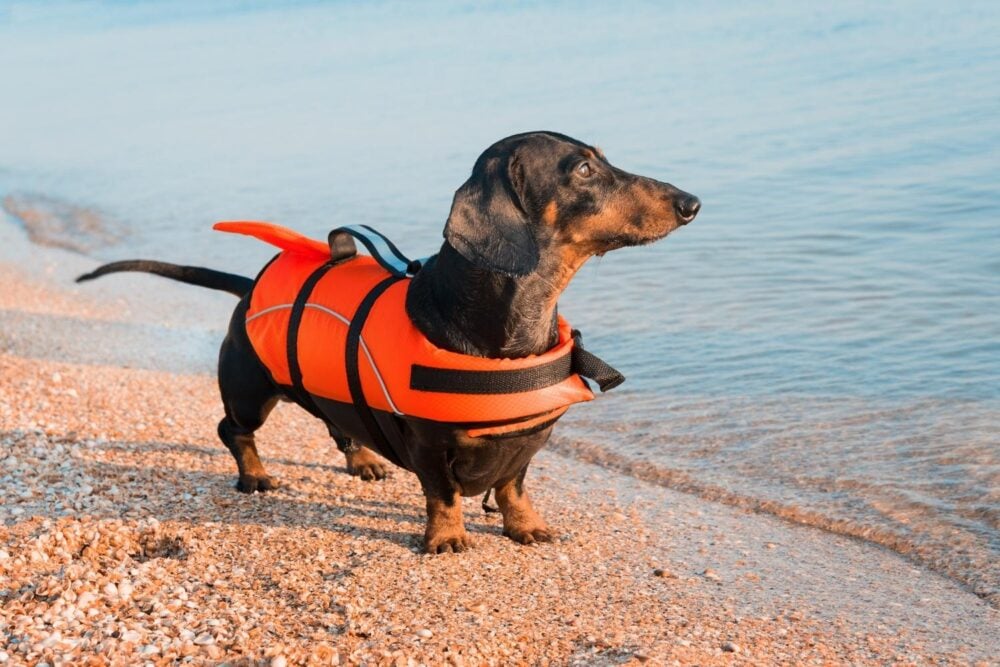
The vast majority of pet-related alligator incidents occur within a few feet of the water’s edge. Alligators often stay partially submerged, making them difficult to see from land.
When pets are allowed to approach shorelines, even briefly, they enter the alligator’s strike zone. Experts recommend treating shorelines as invisible boundaries that pets should never cross, regardless of how calm or empty the water appears at the time.
4. Dawn and Dusk Increase Encounter Risk

Alligators are most active during dawn and dusk, when temperatures are cooler and natural prey is moving. These low-light periods also make it harder for people to spot animals in the water.
Unfortunately, early morning and evening are common times for pet walks. Wildlife officials recommend adjusting routines to full daylight hours whenever possible, especially near lakes, ponds, or canals where visibility and reaction time are reduced.
5. Freshwater Is Never a Safe Swimming Spot
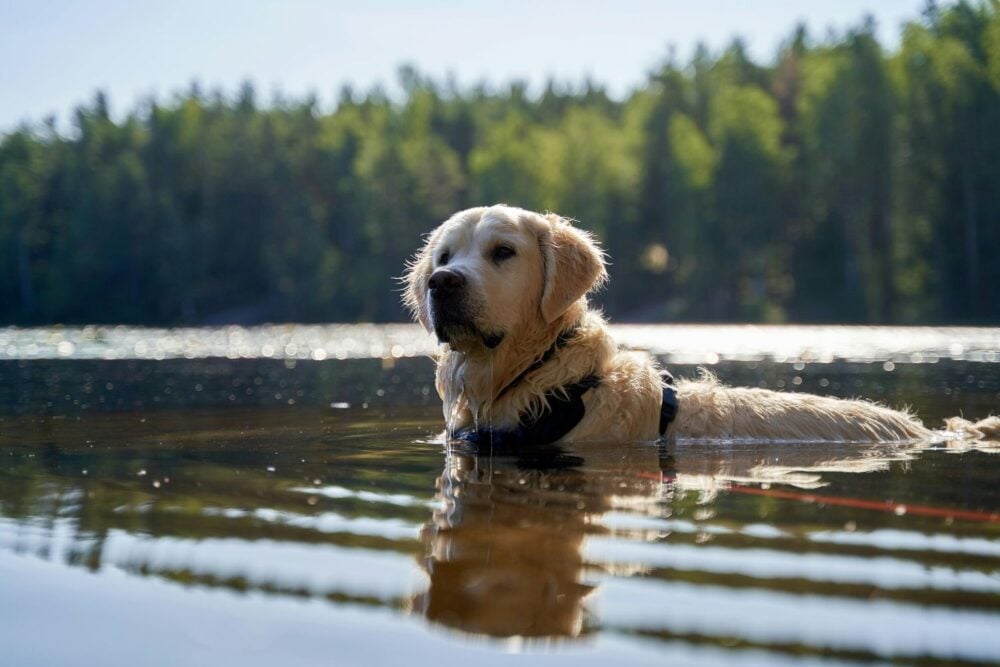
In alligator regions, freshwater ponds, lakes, canals, and retention basins should always be considered off-limits for pets. Even water that appears shallow, still, or wildlife-free can harbor an alligator just below the surface.
Alligators can remain submerged and motionless for long periods, making them nearly invisible. Experts stress that a lack of sightings does not mean safety, and allowing pets to swim dramatically increases risk of sudden, unavoidable encounters.
6. Feeding Wildlife Draws Alligators Closer
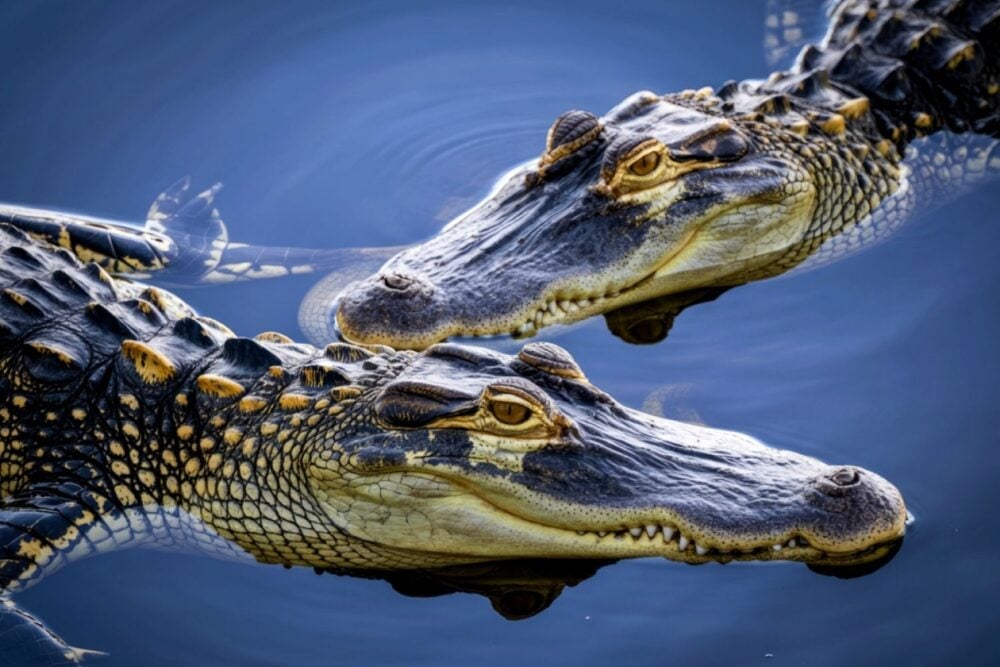
Leaving food scraps, fish remains, pet food, or bird seed near water can attract animals that alligators naturally prey on. This creates a chain reaction that draws gators closer to residential areas.
Once alligators associate a location with food availability, they’re more likely to linger and return repeatedly. That increased presence raises the risk for pets during routine outdoor activities, even if direct feeding never occurs.
7. Leashes Provide Critical Reaction Time
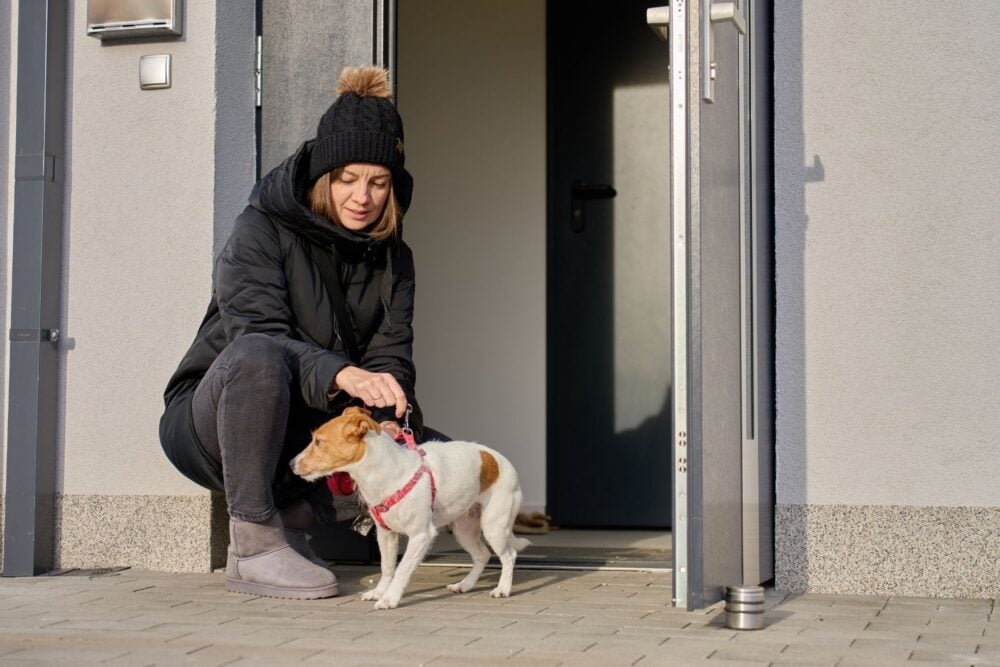
Pets that are off-leash are far more likely to wander toward shorelines, chase birds, or enter the water unexpectedly. These sudden movements can instantly draw an alligator’s attention.
A leash gives owners crucial control and reaction time. Wildlife agencies consistently recommend keeping pets leashed near any freshwater in alligator habitat, even in familiar neighborhoods where animals may not be visible at first glance.
8. Smaller Pets Face Greater Danger
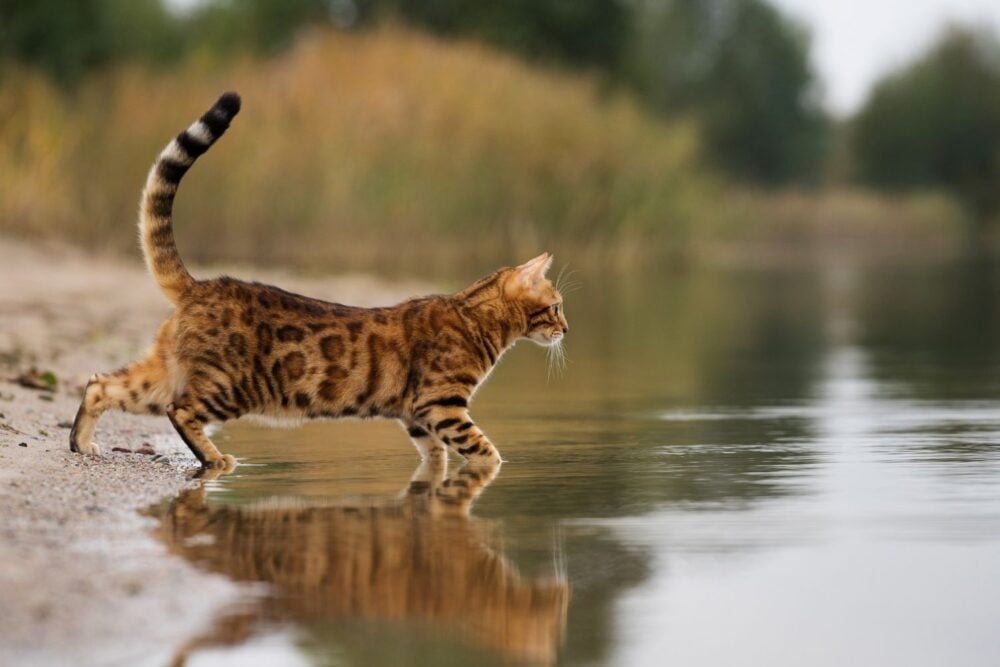
Cats and small dogs face the highest risk because their size and erratic movements closely resemble natural prey. These traits make them especially vulnerable near water.
However, larger dogs are not immune. Splashing, swimming, or lingering near shorelines can still provoke interest. Experts caution that size alone does not protect pets from a powerful ambush predator like an alligator.
9. Nesting Season Changes Behavior
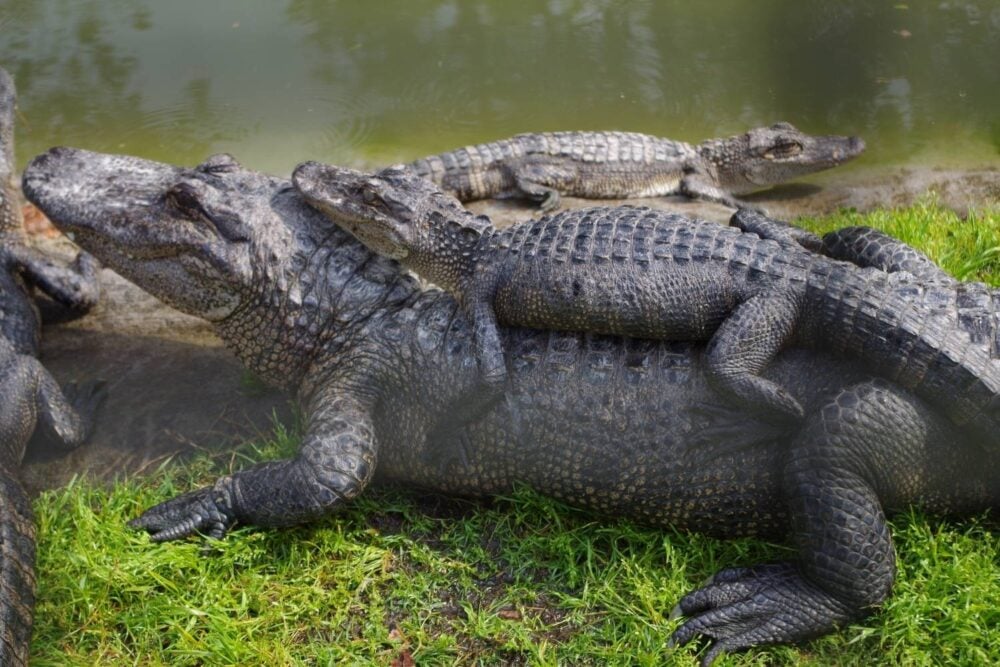
During mating and nesting season, alligators can become more defensive, especially females guarding nests or young. These animals may react more quickly to perceived threats near water.
Nesting season often overlaps with warmer months when people and pets spend more time outdoors. Wildlife officials urge extra caution during this period, as defensive behavior can increase encounter risk even in areas with normally low activity.
10. Suburban Areas Are Not Gator-Free
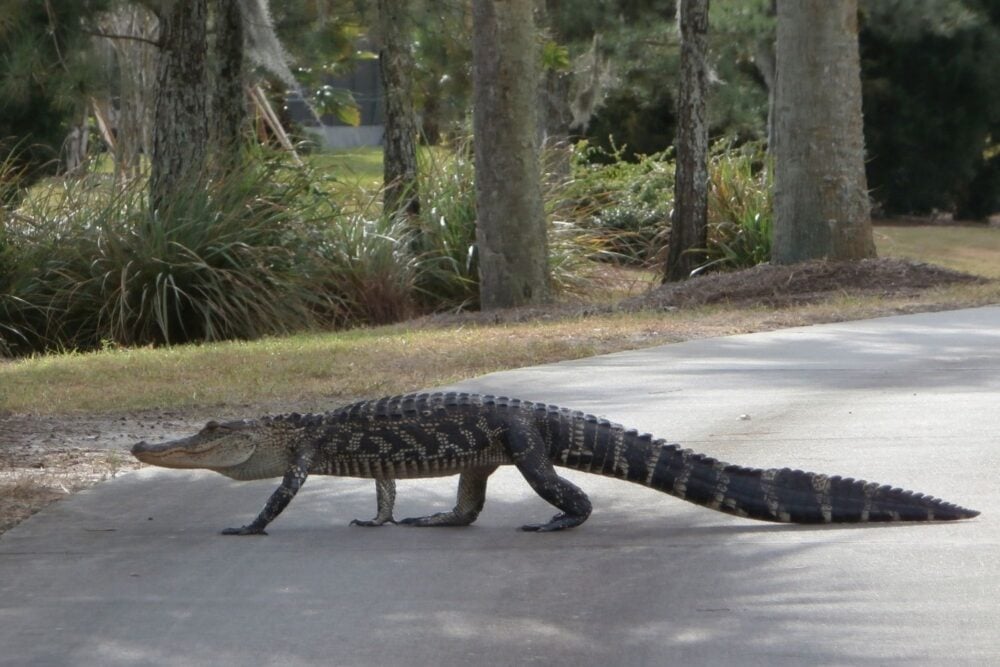
Alligators frequently move between water bodies using canals, drainage systems, and retention ponds common in suburban developments. Residential settings do not eliminate risk.
Seeing an alligator near homes doesn’t mean it wandered far from its habitat. In many cases, neighborhoods were built around long-established wildlife corridors that alligators continue to use naturally.
11. Warning Signs Are Easy to Miss
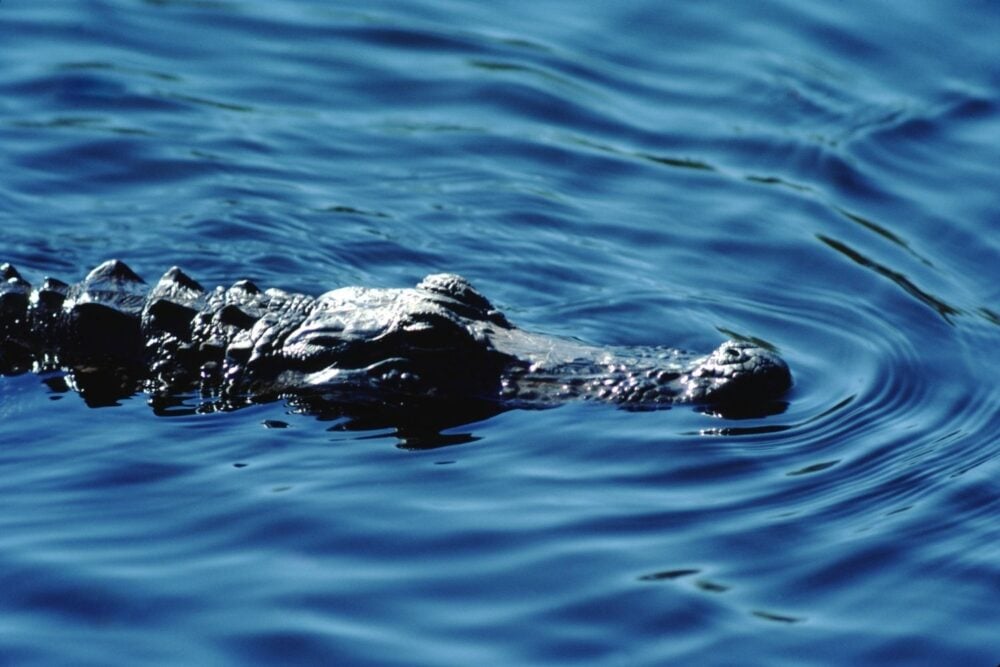
Hissing sounds, sudden ripples, or bubbling water can signal an alligator’s presence, but many encounters occur without obvious warning signs. Gators often remain completely still before moving.
Experts caution against relying on visual cues alone. Assuming any freshwater could contain an alligator is the safest mindset, especially when pets are involved and reaction time is limited.
12. Simple Habits Offer Strong Protection
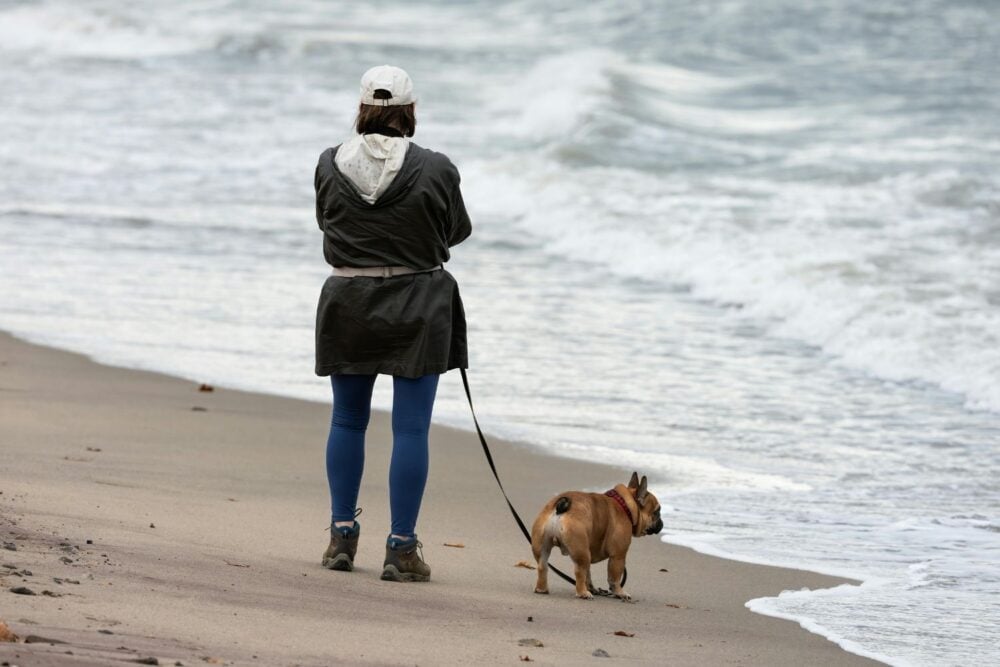
Keeping pets leashed, avoiding shorelines, changing walk times, and staying alert near water can dramatically reduce risk. These habits are simple but highly effective.
Wildlife officials emphasize that coexistence is possible. Most incidents occur when basic precautions are ignored, not because alligators behave unpredictably. Consistent awareness and routine adjustments are usually enough to keep pets safe.