
Safety notices are increasing for common items, often without the headlines most shoppers expect.
Many product recalls don’t arrive with breaking-news banners or urgent phone alerts. Instead, they’re quietly posted on government websites or buried in retailer notices that most shoppers never see. That means people often keep using recalled items long after problems are identified.
What’s striking is how ordinary many of these recalled products are. Recent cases show that snacks, supplements, appliances, and children’s items can all be affected — often without widespread public attention.
1. Some Recalls Are Posted Quietly Online

Many recalls are announced only through regulatory databases rather than major media outlets. Unless consumers actively check recall lists, they may never learn an item they own has been flagged.
This approach is common when defects don’t cause immediate injuries. As a result, recalled products often remain in homes for months, sometimes years, after issues are identified.
2. Small Appliances Can Pose Unexpected Risks
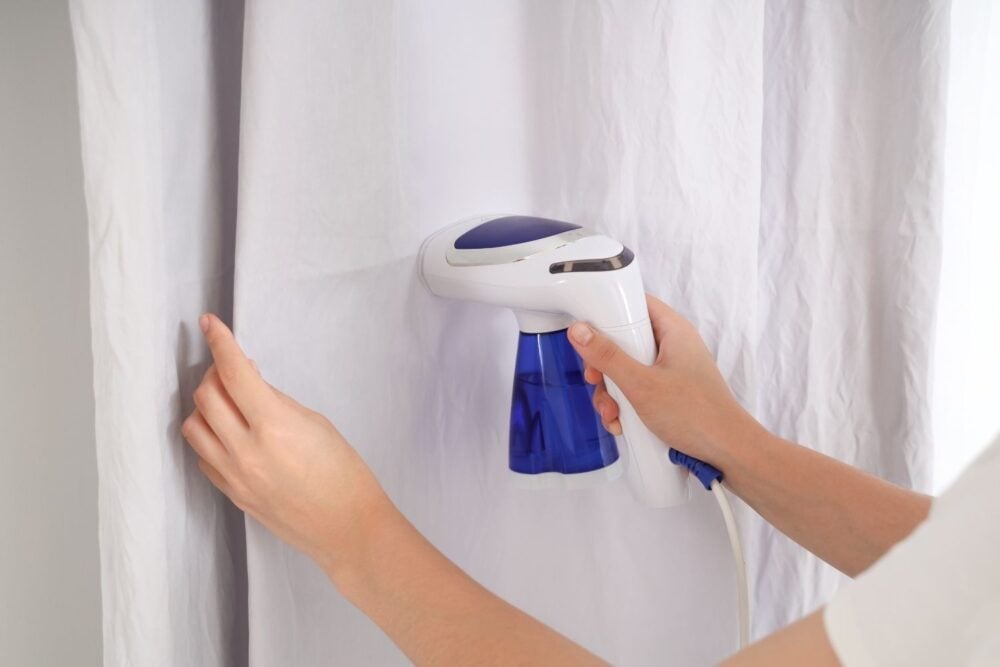
In late 2024, PurSteam travel steamers sold online were recalled after reports that hot water could suddenly spray from the devices, causing burn injuries. Dozens of incidents were reported before action was taken.
Because the steamers were marketed as simple household tools, many users never registered them. That made it harder for recall notices to reach affected consumers.
3. Food Recalls Often Involve Familiar Brands

Thousands of everyday food products were recalled after rodent and bird contamination was discovered at a major distribution facility. Affected items included widely sold snacks and cereals.
Because the recall applied only to certain lots, many shoppers never realized their pantry items were included. Narrow recalls like this often escape notice unless consumers check batch numbers.
4. Supplements Can Be Recalled Over Packaging

In early 2026, Mindbodygreen recalled bottles of its Ultimate Multivitamin+ after regulators found the packaging wasn’t child-resistant, posing a poisoning risk.
The recall wasn’t about the supplement’s ingredients, which made it easier for consumers to overlook. Packaging-related recalls often feel less urgent, even when safety risks are serious.
5. Children’s Products Are Recalled Regularly
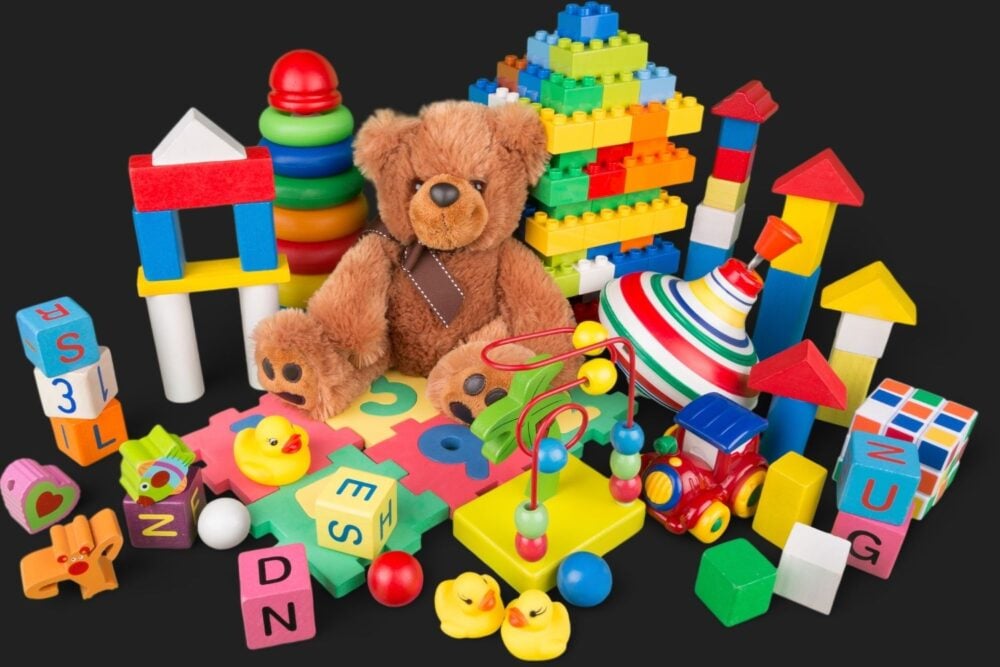
Kids’ products are among the most frequently recalled categories. Recent recalls have involved toys, snacks, and household items that presented choking or poisoning hazards.
Parents who receive items as gifts or buy them secondhand are especially likely to miss recall notices, since they’re not connected to original purchase records.
6. Labeling Errors Can Be Dangerous

Costco recently recalled mini beignets after discovering undeclared allergens on the packaging. For people with food allergies, such mistakes can be life-threatening.
Yet labeling recalls often get little attention because the product itself appears normal. Unless shoppers carefully read recall details, these risks can go unnoticed.
7. Recalls Are Sometimes Expanded Quietly

Chips Ahoy! Baked Bites Brookie products were initially recalled over a potential choking hazard, then later expanded as more affected batches were identified.
Expanded recalls don’t always generate new headlines. Consumers who missed the first notice may never realize additional products were added later.
8. “Voluntary” Doesn’t Mean Minor
Many companies describe recalls as voluntary, meaning they initiated the action themselves. This language can make recalls seem optional or precautionary.
In reality, voluntary recalls often address genuine safety issues. The softer framing can reduce urgency, even when risks are significant.
9. Online Sales Complicate Recall Tracking

Products sold through online marketplaces don’t always trigger in-store notices. Some third-party sellers fail to notify buyers when recalls occur.
Unless customers receive emails or actively search recall databases, recalled items purchased online can remain in use indefinitely.
10. Most People Only Find Out by Accident

Studies and consumer agencies consistently find that many recalled products stay in homes because people never hear about them. Awareness depends on proactive effort.
Registering products, reading retailer emails, and periodically checking recall lists are still the most reliable ways to stay informed about quiet recalls.