
Archaeologists say the ancient gold reveals early social hierarchy and power in Copper Age Europe.
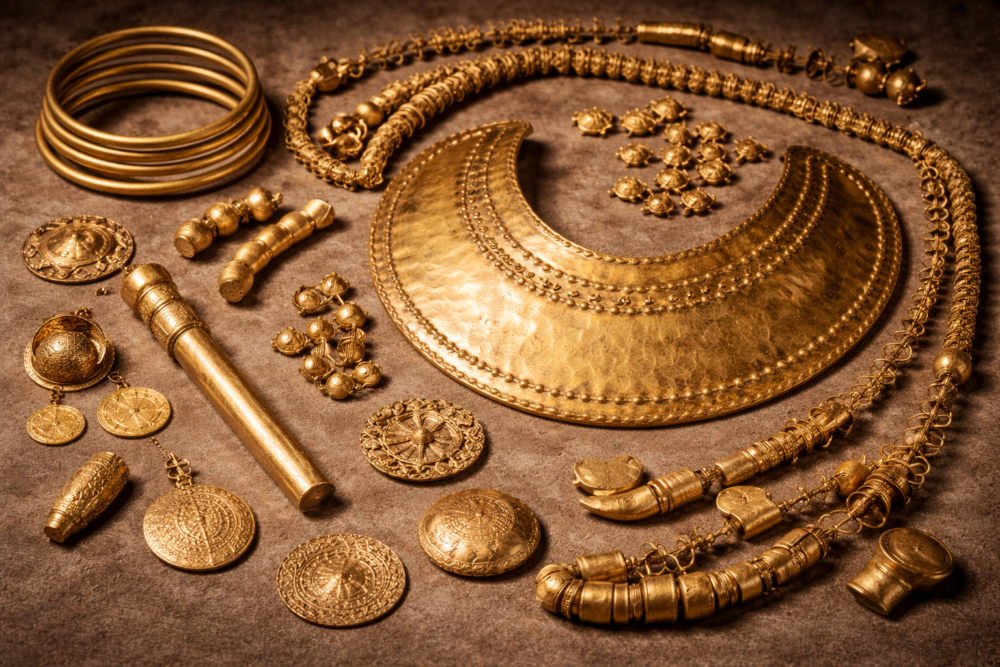
The Varna Chalcolithic Necropolis on Bulgaria’s Black Sea coast has yielded some of the oldest gold objects ever discovered, dating back to around the 5th millennium BC. Buried more than 7,000 years ago, these finely worked gold items predate the pyramids of Egypt and challenge long-held ideas about when humans first began using precious metals.
Because the graves there were part of an elaborate prehistoric cemetery rather than isolated burials, the finds offer rare insight into social hierarchy, ritual practice, and emerging craftsmanship in Europe during the Copper Age.
1. Varna Is One of Europe’s Earliest Cemeteries
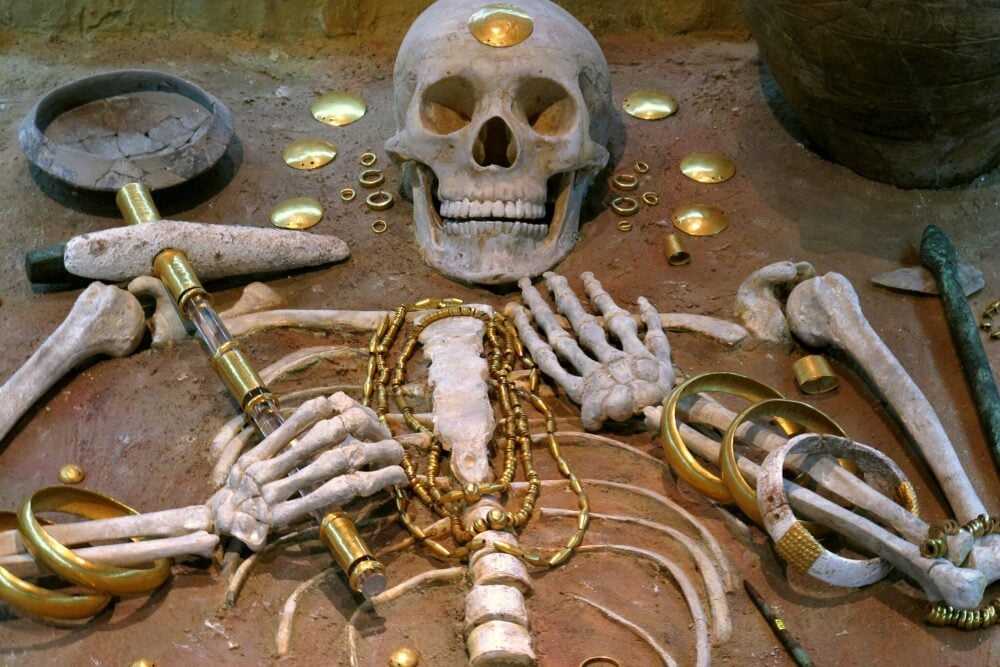
The site was first excavated in the 1970s and revealed dozens of graves from the Copper Age — a period between the Neolithic and the Bronze Age when metal use began spreading.
Unlike many burial sites of this era, Varna included richly furnished graves and evidence of social differentiation. The cemetery’s layout and grave goods suggest organized ceremonial practices and emerging elite status.
2. The Oldest Gold Artefacts Were Found Here
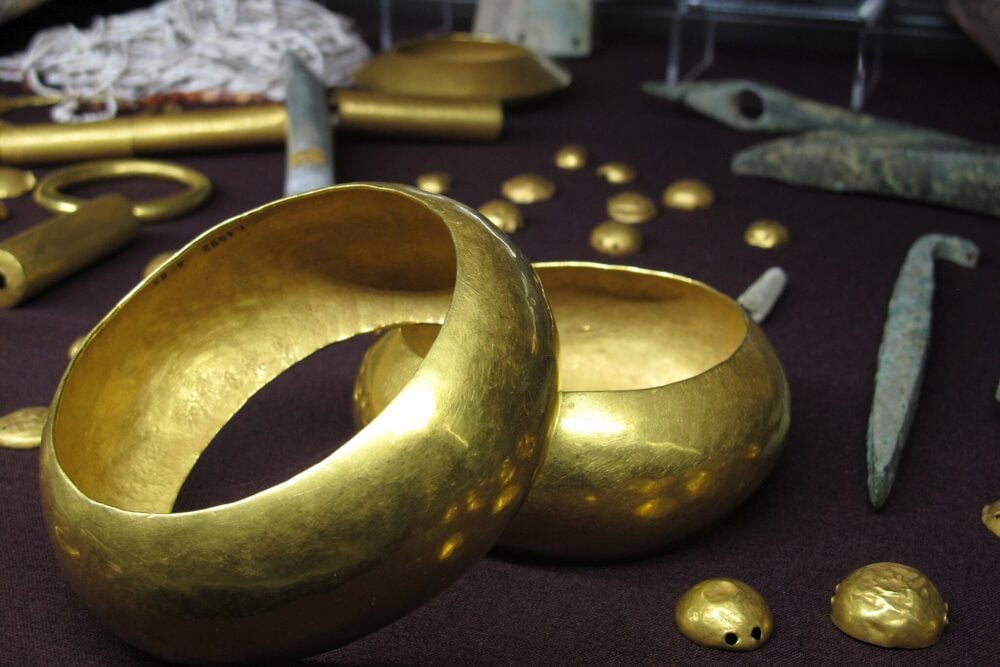
Among the most remarkable discoveries were finely worked gold ornaments, beads, and plaques that date back more than 7,000 years. These are among the earliest known gold objects anywhere in the world.
Until this find, scholars generally believed widespread gold use developed later alongside complex civilizations. Varna shows that humans were experimenting with precious metals much earlier.
3. The Gold Likely Symbolized Power
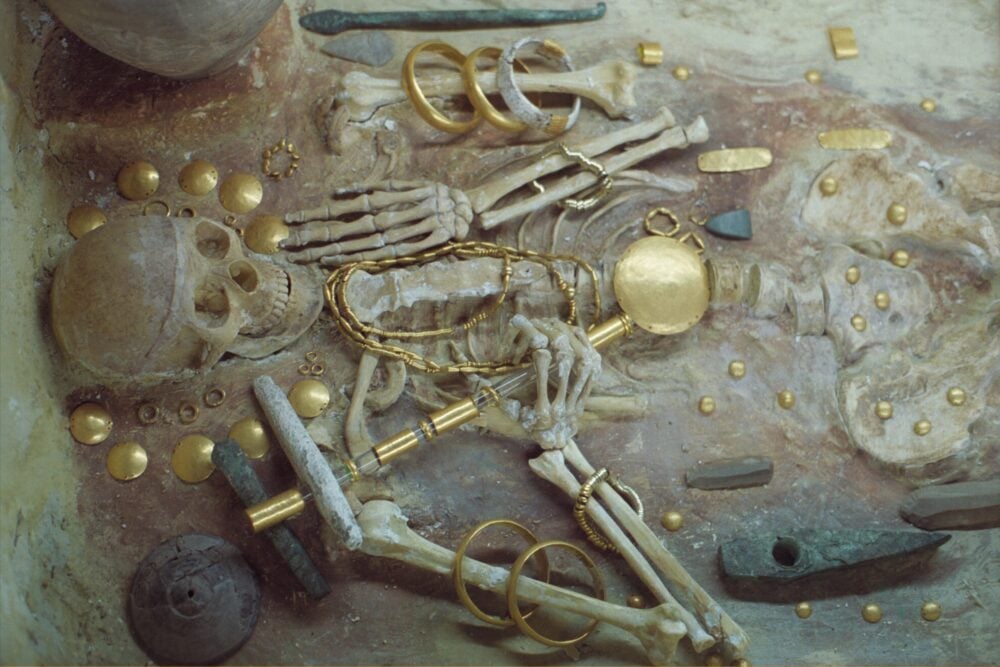
The distribution of gold objects — concentrated in some graves but absent in others — suggests that access to gold was tied to social rank or group membership.
In an era without written records, material wealth served as a powerful signal. Those buried with gold were likely leaders or held special status in their community.
4. The Craftsmanship Is Astonishingly Refined
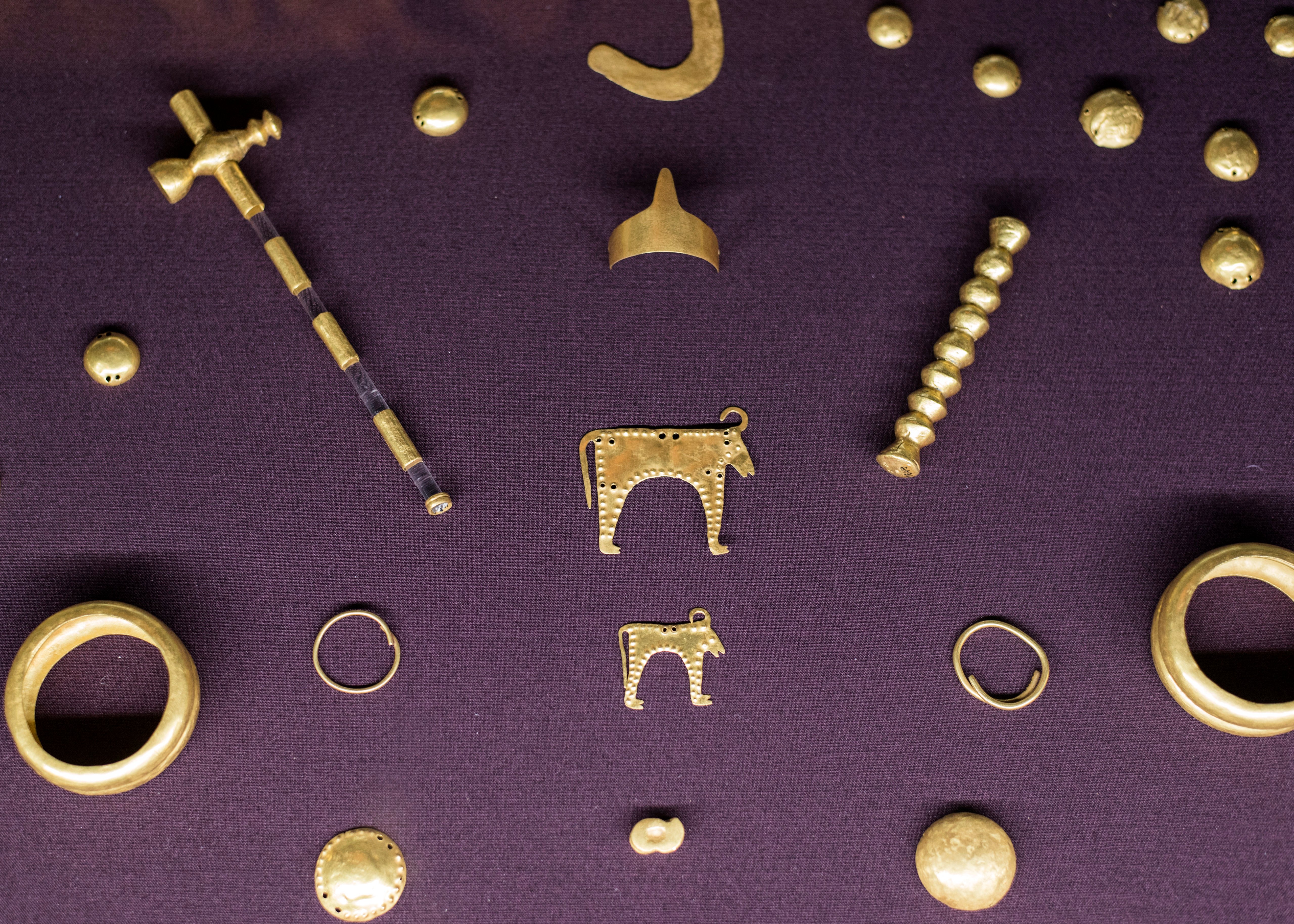
The gold pieces aren’t simple nuggets; they display careful shaping and ornamentation, including tiny perforations for threading and uniform forms.
This level of workmanship implies not just access to gold, but specialized techniques and tools, and perhaps even dedicated craftsmen within the community.
5. Varna’s Cemetery Shows Clear Social Stratification
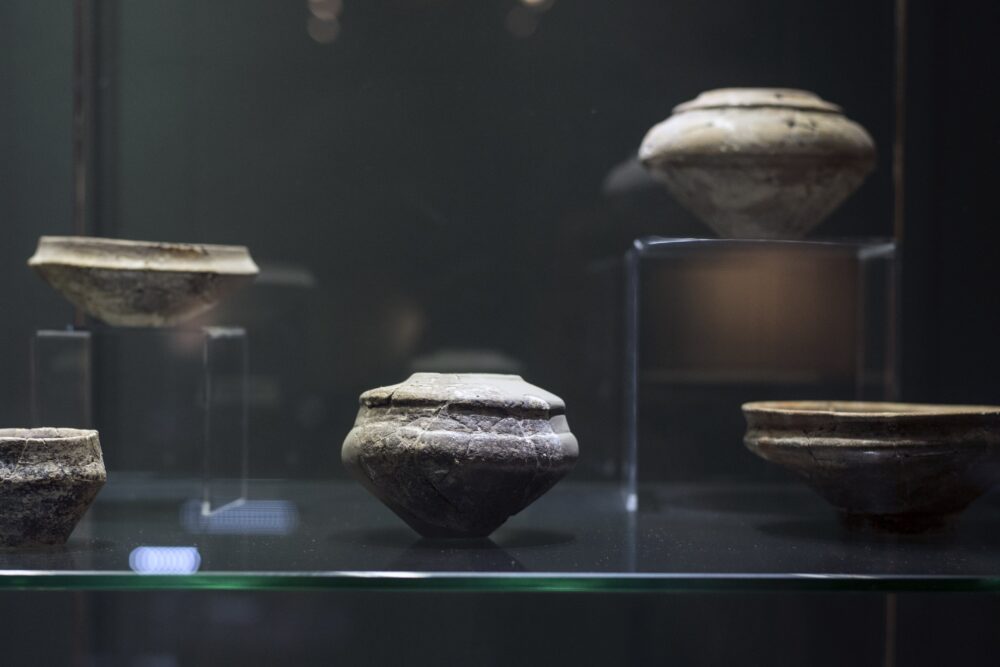
Not all graves at Varna were alike. Some contained only simple pottery and stone tools, while others held elaborate collections of gold, copper, and shell ornaments.
The contrast in burial wealth suggests a society where status mattered — early evidence of social inequality long before large states formed.
6. Copper Objects Were Also Present
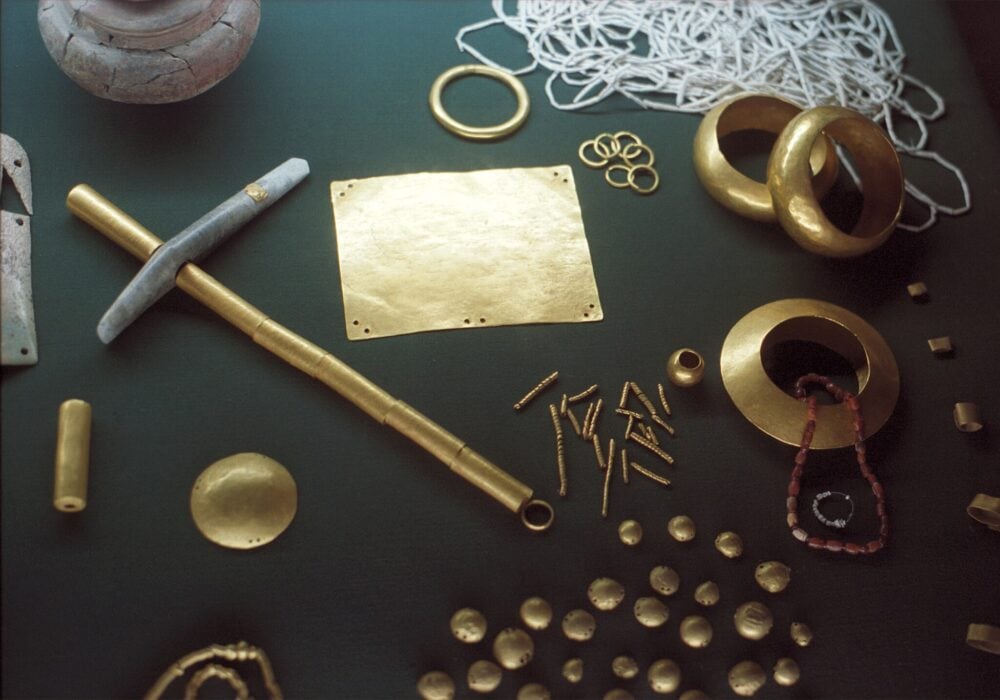
Alongside gold, archaeologists found copper tools and ornaments, marking an early stage of metallurgy in the region. Copper’s presence reflects the broader Chalcolithic period — literally the “Copper Age.”
The combination of copper and gold at the same site highlights a key transitional moment in human technology and social organization.
7. The Burials Include Other Exotic Materials
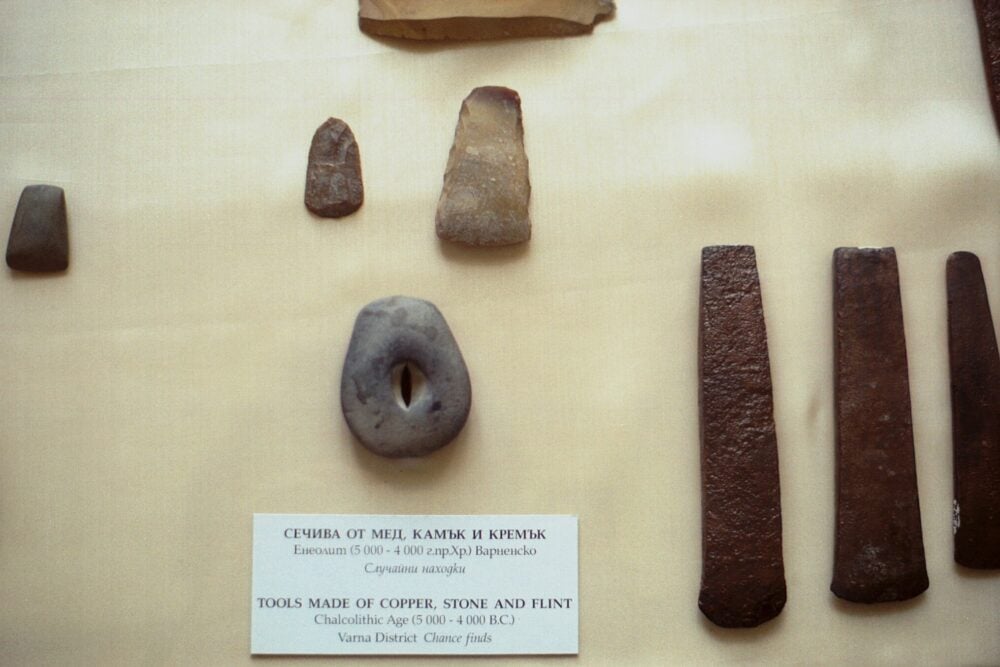
Graves at Varna also contained imported shells and carefully chipped stone tools, indicating long-distance exchange networks or high-value trade items.
These exotic materials likely had symbolic meaning and helped reinforce the status of those buried with them.
8. The Placement of Graves Suggests Ritual Practice
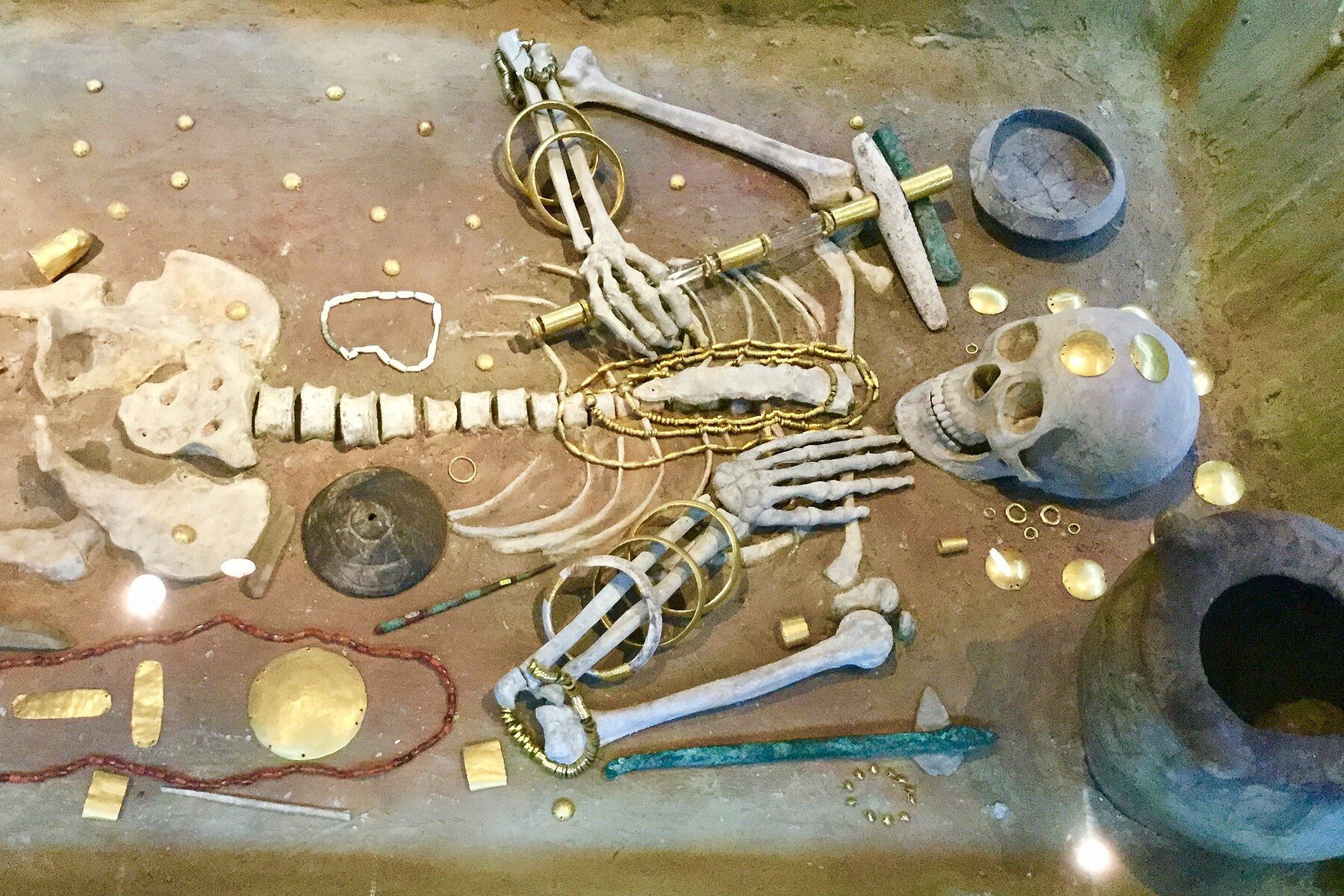
The cemetery was not random; graves were arranged in clusters and appear to have been revisited over generations, suggesting continuity in ritual and remembrance.
This patterning echoes practices seen later in more complex societies, indicating that organized ritual behavior has deep roots.
9. The Finds Changed How Scholars Think About Prehistory
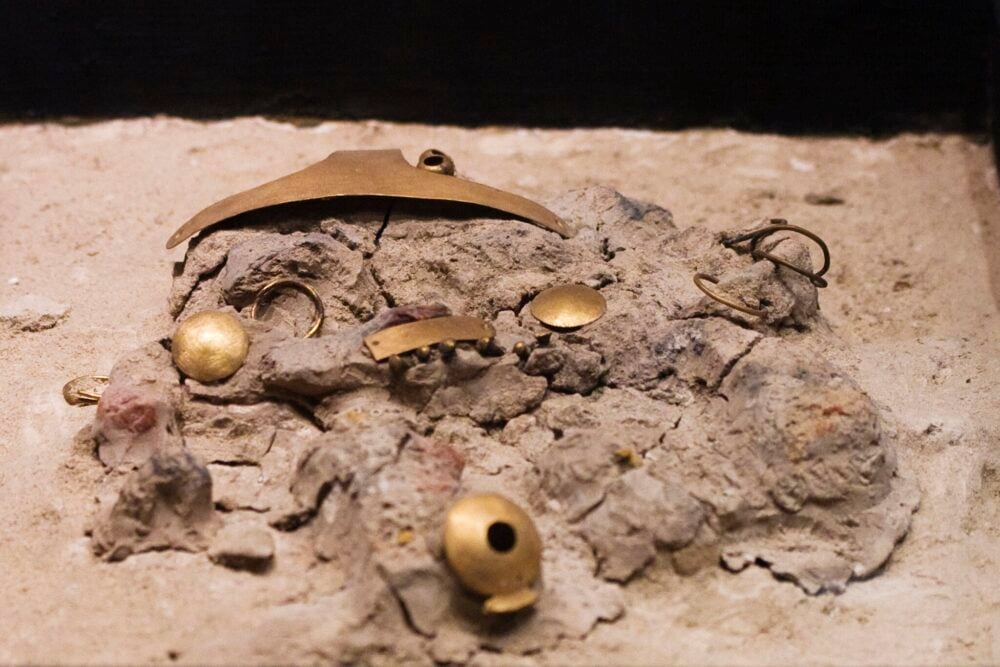
Before Varna’s discovery, many researchers assumed that symbolic use of precious metals waited for urban civilizations. The gold there overturned that idea.
Today, the site is considered one of the most important pre-urban archaeological discoveries in Europe.
10. The Gold Helped Redefine Early Social Complexity
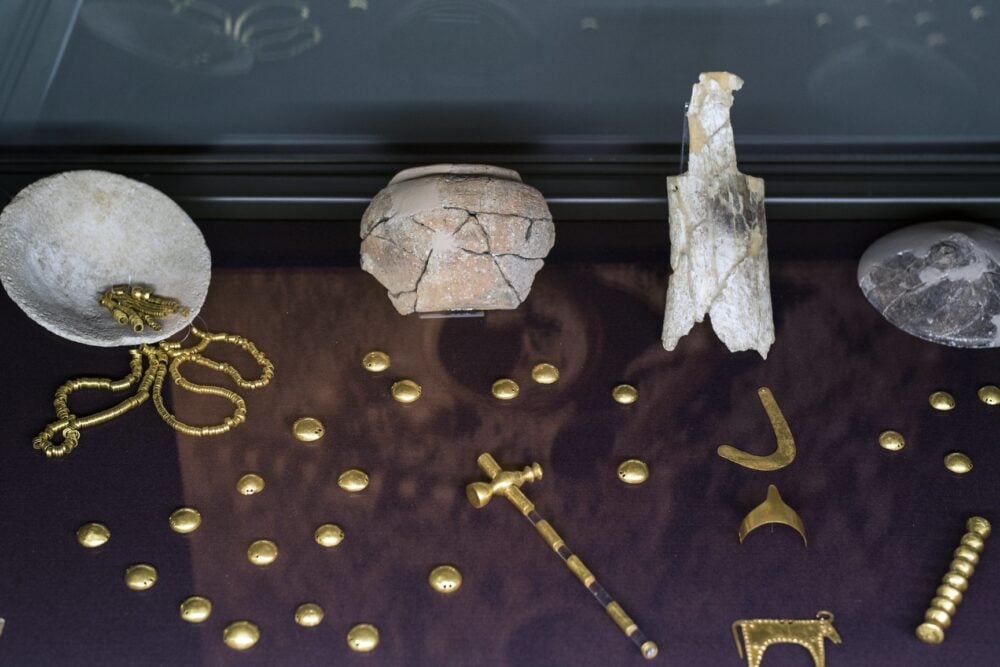
The Varna cemetery shows that ranking systems and elite identities existed long before written history. Status was expressed materially, and gold became a medium of power.
Studying these objects helps archaeologists trace how inequality, leadership, and ritual became intertwined with emerging metal use.
11. Varna Remains a Window Into the Dawn of Metallurgy
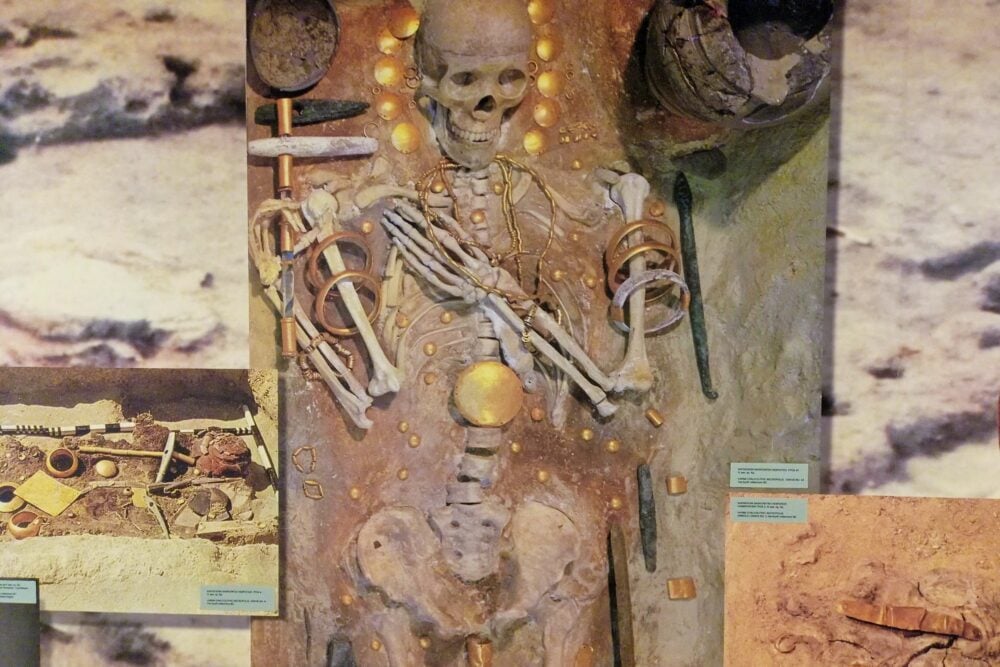
The site continues to inform research into early metallurgy, trade networks, and cultural transformation during the Copper Age.
As archaeologists revisit the finds with modern techniques, Varna’s oldest gold continues to shed light on how ancient humans understood power, prestige, and material expression long before major civilizations arose.