
Researchers say the ancient moat reshapes what we know about Jerusalem’s defenses during the First Temple period.
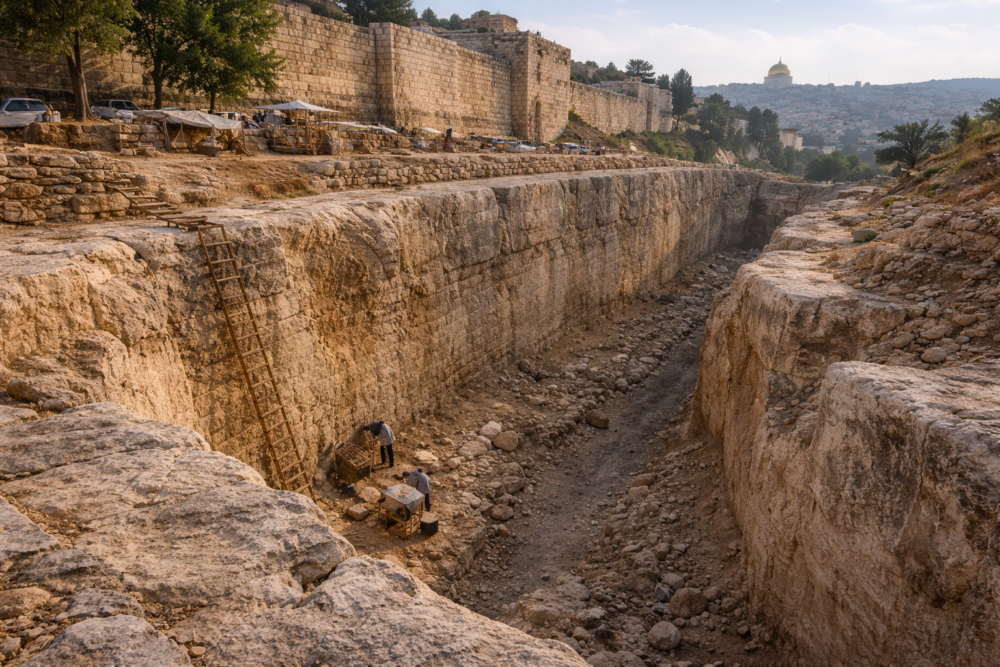
A massive stone-cut feature hidden beneath Jerusalem’s City of David is reshaping how archaeologists understand the ancient city’s defenses. Long debated in scholarly circles, the structure matches descriptions of a deep moat referenced in biblical texts and dates to around 3,000 years ago, during the First Temple period.
New excavations and careful reanalysis suggest this wasn’t a minor trench, but a major engineered barrier designed to protect the city’s core. The finding helps clarify how Jerusalem was fortified — and how its leaders used landscape and construction to control movement, access, and security.
1. The Structure Was Found in the City of David
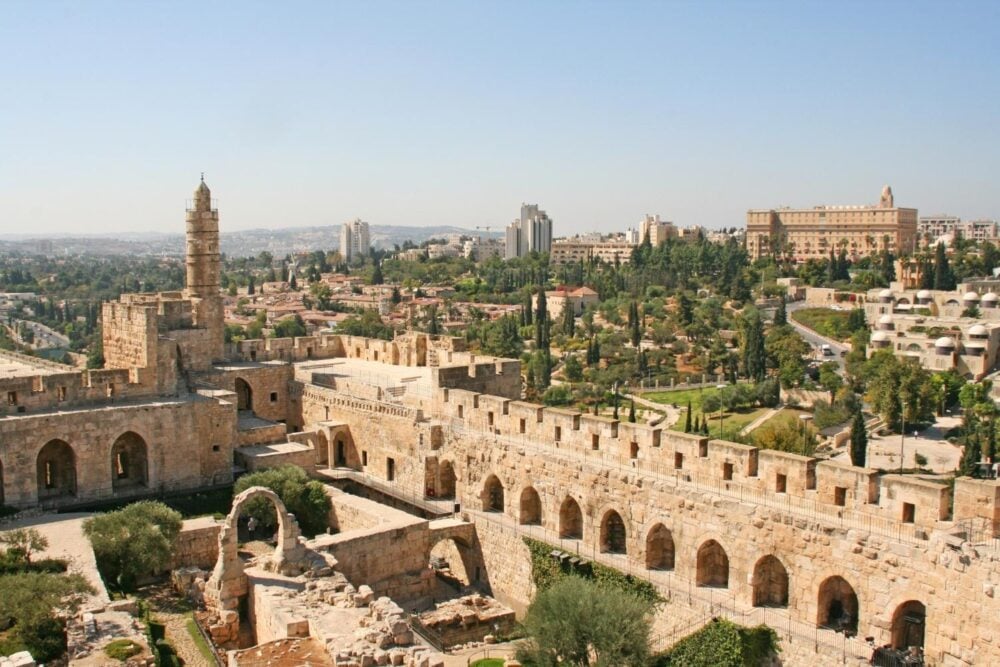
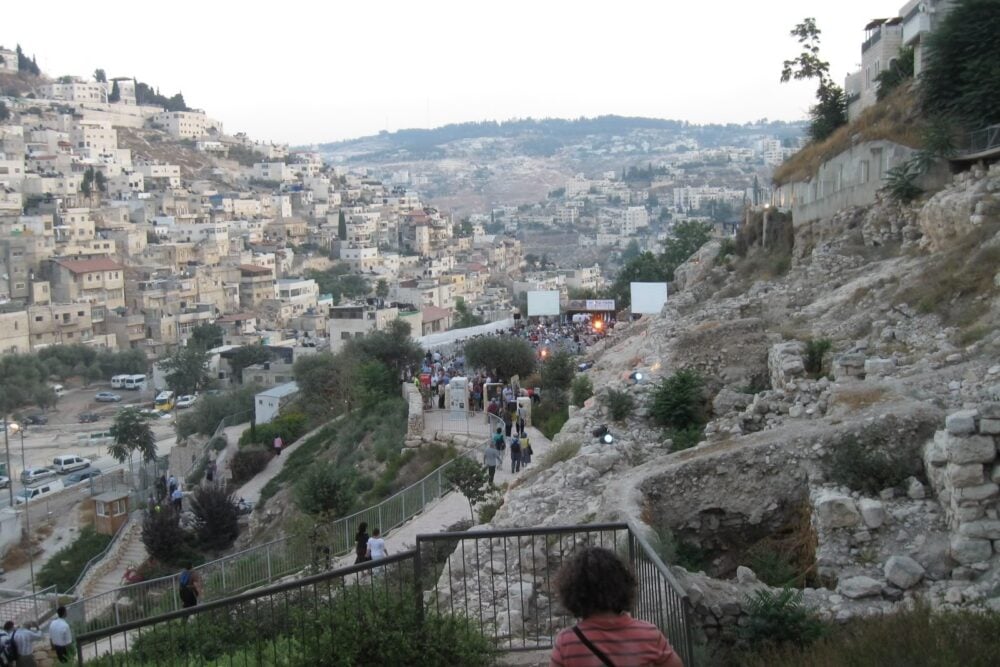
The discovery was made in the City of David, an area just south of Jerusalem’s Old City that has been excavated for decades. Archaeologists uncovered a deep, rock-cut channel separating the city’s residential areas from its political and religious center.
This feature had been partially known, but its true scale and purpose were unclear. New excavations revealed its depth, width, and strategic placement, pointing to a deliberate defensive role rather than simple drainage or quarrying.
2. It Dates Back Roughly 3,000 Years
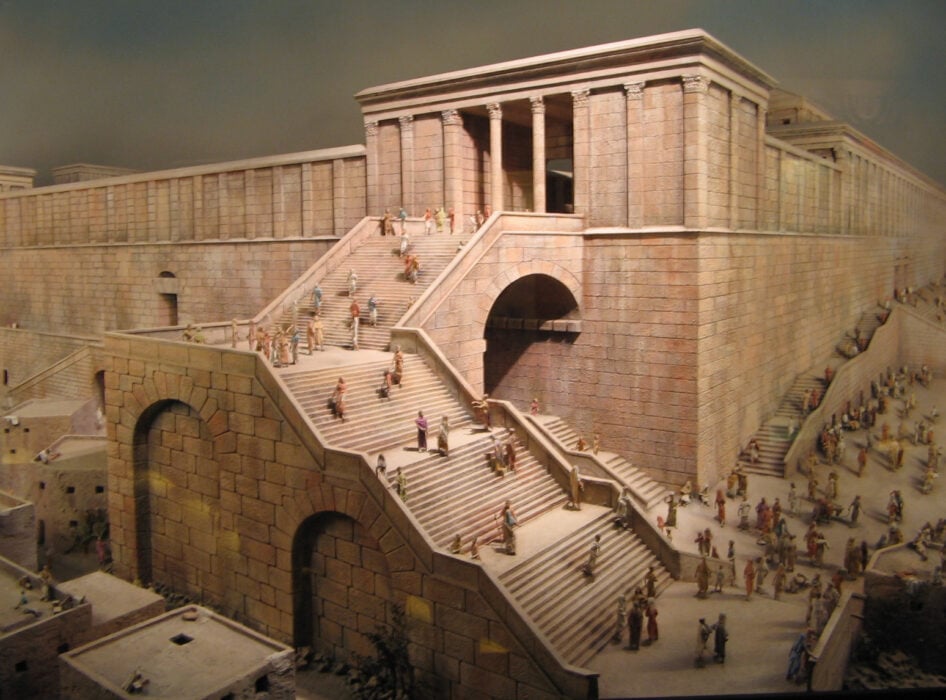
Based on pottery, construction style, and stratigraphy, researchers date the structure to around the 10th century BCE. This places it firmly in the era traditionally associated with Jerusalem’s early monarchy and the First Temple period.
That timing is significant because it aligns with written descriptions of fortified Jerusalem during this era. While archaeology doesn’t confirm narratives outright, matching dates strengthen the case that texts were describing real, large-scale infrastructure.
3. The Moat Was Carved Directly Into Bedrock
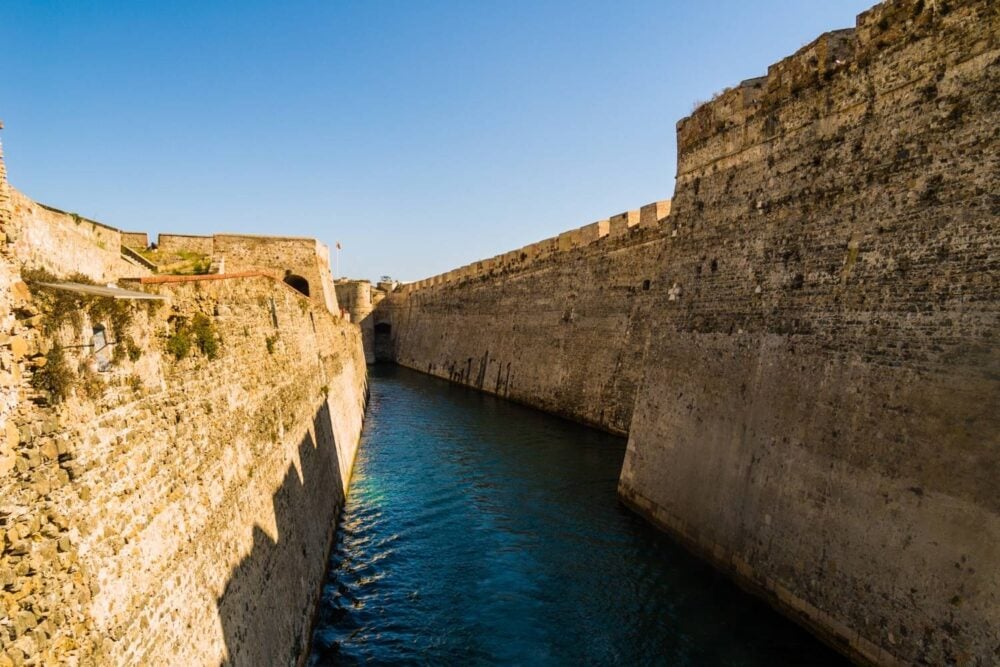
Unlike later defensive walls built above ground, this structure was carved directly into solid bedrock. That would have required extensive labor, planning, and centralized authority.
Such effort suggests the city’s leaders viewed defense as a top priority. Carving stone rather than piling earth also made the barrier harder to cross, harder to fill in, and more permanent than simpler fortifications.
4. It Functioned as a Defensive Barrier
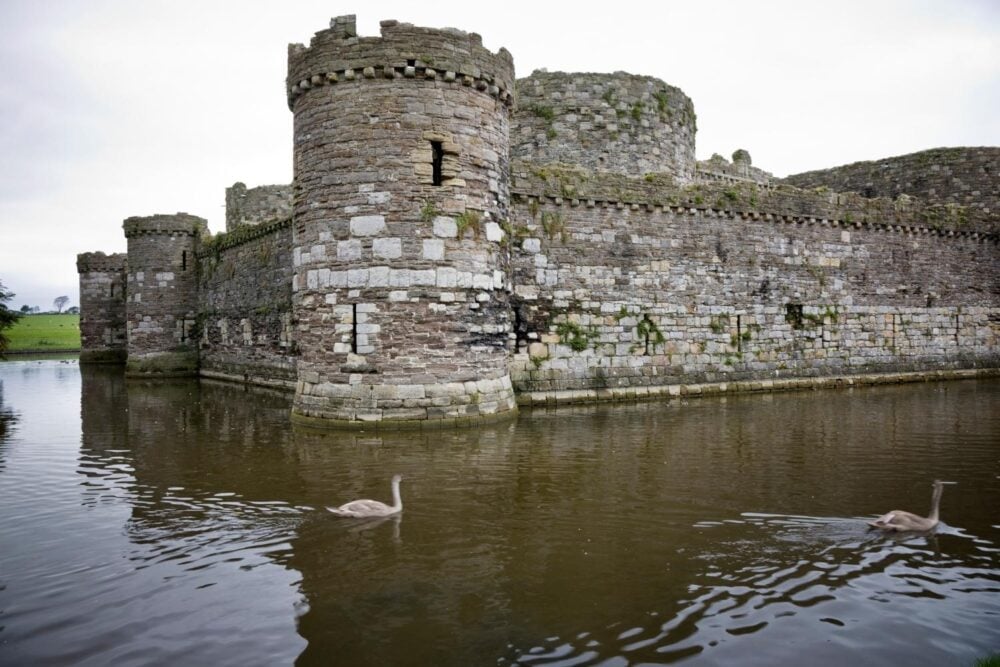
Archaeologists now believe the channel acted as a moat, physically separating the city’s core from surrounding areas. Anyone approaching the administrative or royal center would have had to cross this obstacle.
This setup would have slowed attackers and controlled access points, forcing movement into narrow, defensible routes. It reflects sophisticated urban planning rather than ad-hoc defense.
5. Biblical Texts May Reference This Feature

Several ancient texts describe a defensive divide protecting Jerusalem’s most important structures. Scholars long debated whether those passages were symbolic or literal.
The newly analyzed structure fits those descriptions in size, placement, and function. Researchers stress this doesn’t “prove” texts, but it does show they may preserve accurate memories of real city features.
6. Earlier Excavations Missed Its Full Purpose
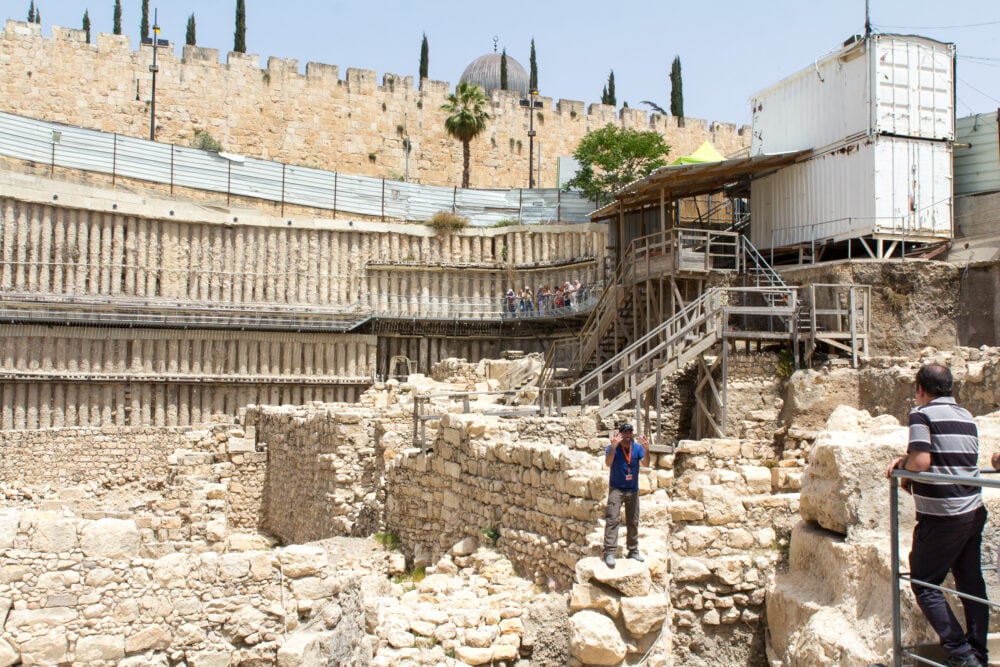
Parts of the channel were uncovered in earlier digs, but they were often interpreted as quarries or incomplete construction projects. Without full exposure, its defensive role wasn’t obvious.
Only by connecting multiple excavation zones and reexamining earlier assumptions did archaeologists recognize the structure as a single, continuous system built with a clear strategic goal.
7. The Moat Helped Control Movement Inside the City
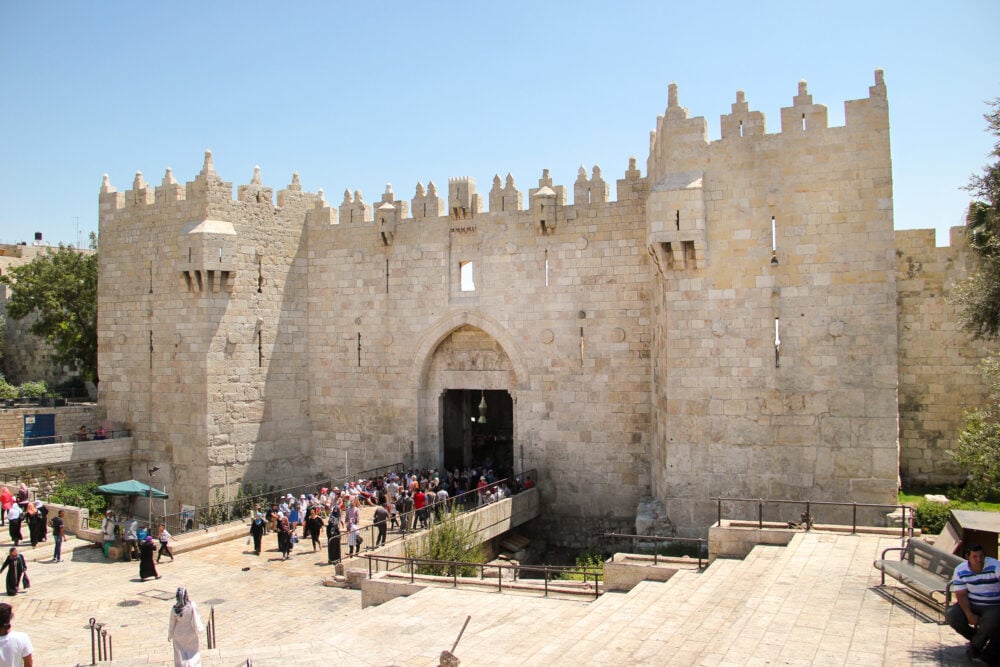
Beyond defense, the moat likely played a role in controlling who could access elite or sacred areas. Gates or bridges would have funneled movement into monitored points.
This kind of internal boundary reflects social and political hierarchy, separating everyday residential life from centers of power and worship within the city.
8. The Discovery Changes Views of Early Jerusalem

For years, scholars debated how large and organized Jerusalem was during this period. Some argued it lacked the resources for major infrastructure.
A project of this scale suggests a city capable of mobilizing labor, engineering expertise, and long-term planning — pointing to a more complex and powerful early Jerusalem than some models assumed.
9. Defensive Design Was Integrated With the Landscape
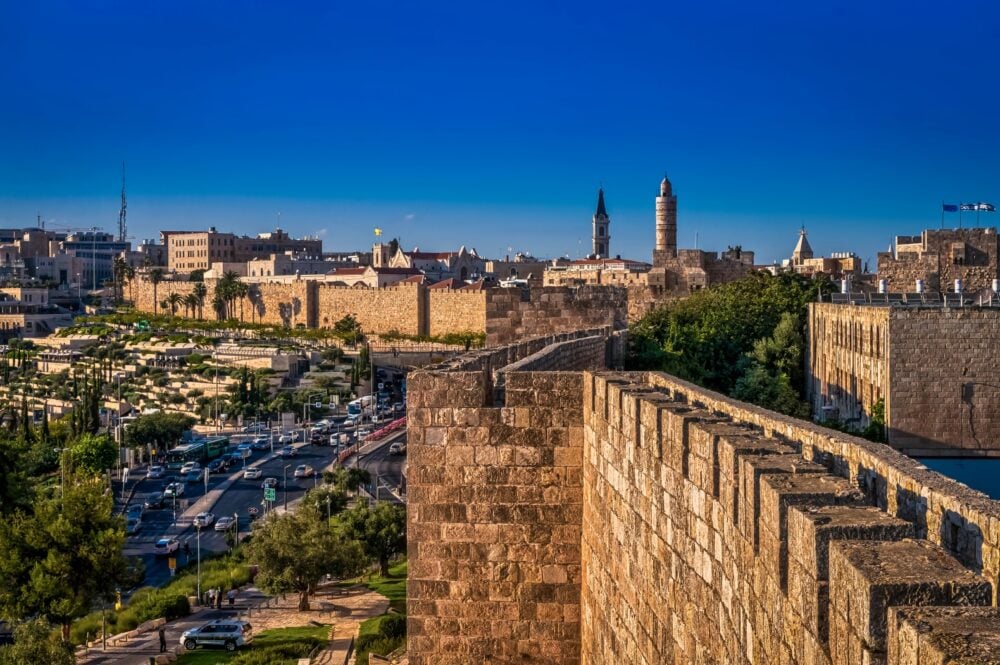
Rather than imposing walls alone, city planners used natural ridges and valleys, enhancing them with carved features like this moat.
This approach reduced construction needs while maximizing defensive advantage. It shows a deep understanding of terrain and how to adapt it for urban protection.
10. Not Every Discovery Comes From Something New
This find underscores how archaeology often advances through reinterpretation, not just new digs. Features once labeled mundane can gain new meaning with fresh context.
By revisiting earlier finds with updated methods and broader excavation data, researchers can uncover insights that were hiding in plain sight.
11. The Moat Offers a Clearer Picture of the Ancient City
Taken together, the evidence paints a picture of Jerusalem as a carefully planned, defensively minded city 3,000 years ago. The moat wasn’t an afterthought — it was central to how the city functioned.
As excavations continue, researchers expect the structure to help refine timelines, urban layout, and how ancient Jerusalem balanced security, governance, and daily life.