
Long commutes, high costs, and nonstop pressure make daily life especially draining in some U.S. cities.
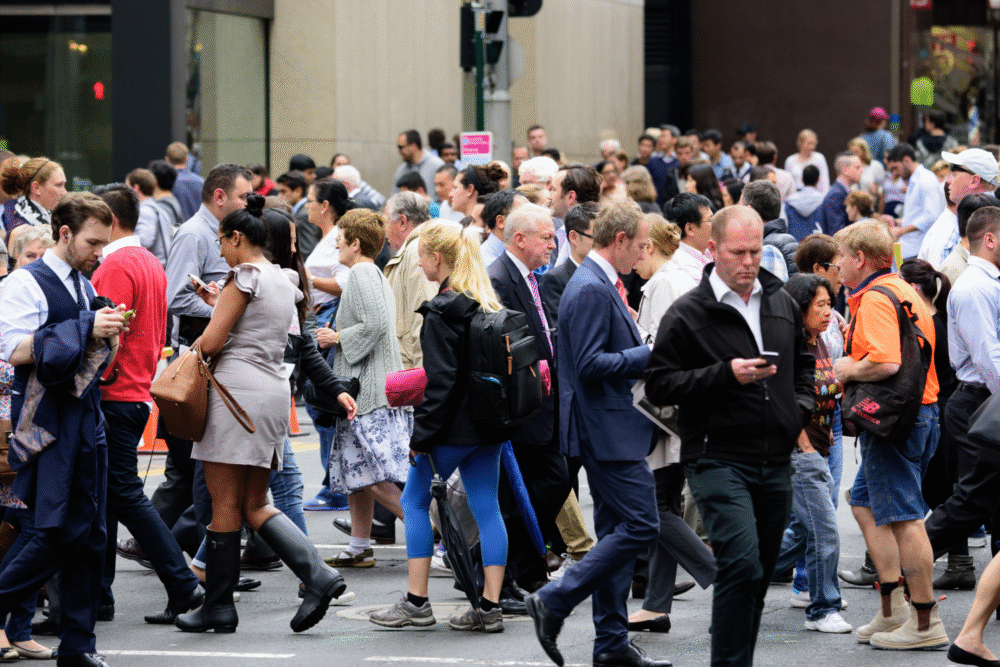
Where you live can quietly shape how exhausted you feel each day. Urban researchers and public-health experts say burnout is often built into a city’s design, economy, and pace, not just personal habits.
In certain U.S. cities, long work hours, crowded infrastructure, and high living costs stack together. Residents spend much of their time rushing, waiting, or worrying about expenses, with little chance to recharge.
Over time, that constant pressure adds up. People report poorer sleep, higher stress, and a sense that daily life requires more energy than it gives back.
1. New York City never truly slows down
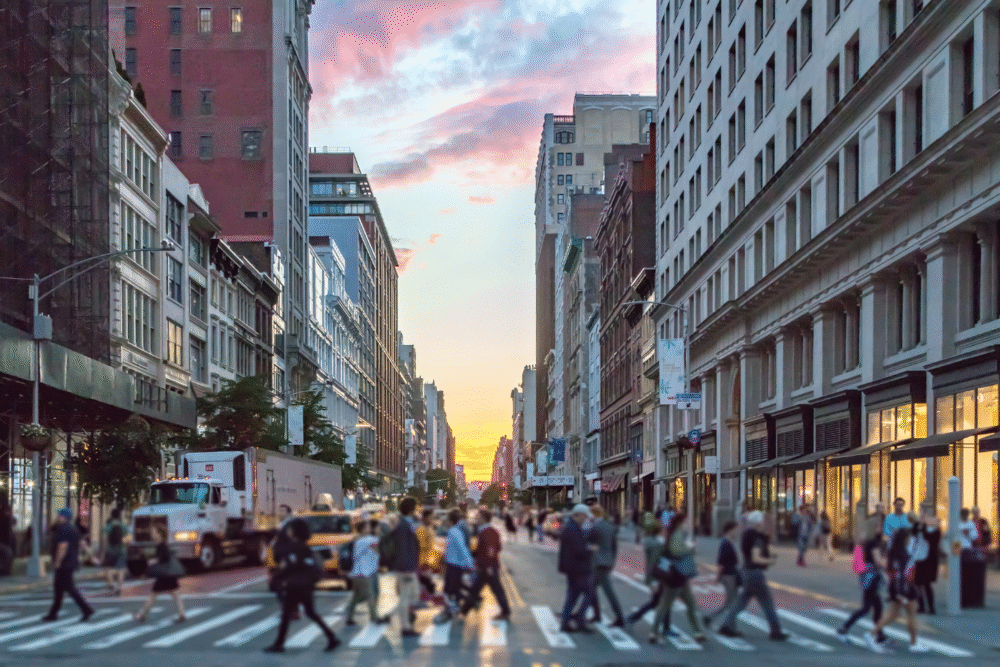
Life in New York City is defined by constant motion. Workdays often stretch long, commutes are crowded and unpredictable, and even quiet neighborhoods are filled with background noise. The pressure to stay busy and competitive is baked into daily life, making rest feel like something that has to be scheduled rather than assumed.
Free time can feel just as demanding as work. Socializing, errands, and entertainment often require money, planning, and travel. Many residents describe loving the city’s energy while also feeling permanently tired, as if the pace never fully lets their nervous systems power down.
2. Los Angeles turns time into exhaustion

Los Angeles isn’t exhausting because it’s loud or dense—it’s exhausting because everything takes time. Commutes of one to two hours each way are common, even for relatively short distances. Traffic turns simple tasks into prolonged ordeals.
That lost time comes directly out of sleep, exercise, and personal life. Residents often feel they’re always behind, rushing from one obligation to the next. The city can look relaxed from the outside, but for many people, daily life feels like a slow, constant drain on energy.
3. San Francisco combines pressure with extreme costs

San Francisco pairs intense work culture with some of the highest living costs in the country. Even people with well-paying jobs often feel financial pressure tied to housing, childcare, and basic expenses. That stress becomes a constant mental background noise.
Work expectations, especially in tech and related industries, can blur the line between professional and personal life. Many residents report feeling mentally overstimulated and financially tense at the same time. The result is burnout driven as much by anxiety as by workload.
4. Washington, D.C. runs on urgency
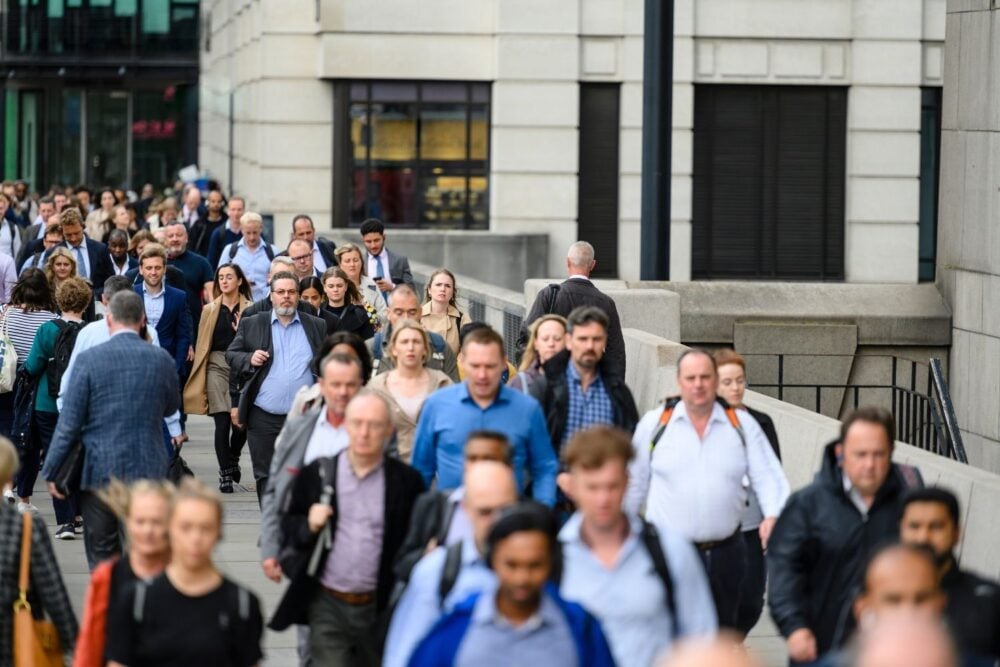
Washington, D.C. is shaped by politics, policy, and careers that revolve around deadlines and influence. Long hours and high-stakes decision-making are common, even outside government roles. The atmosphere often feels serious and urgent.
Social life can feel like an extension of work, with networking woven into evenings and weekends. Many residents describe feeling constantly “on,” with little separation between professional identity and personal downtime. That ongoing intensity makes it hard to truly rest.
5. Boston packs intensity into a compact city
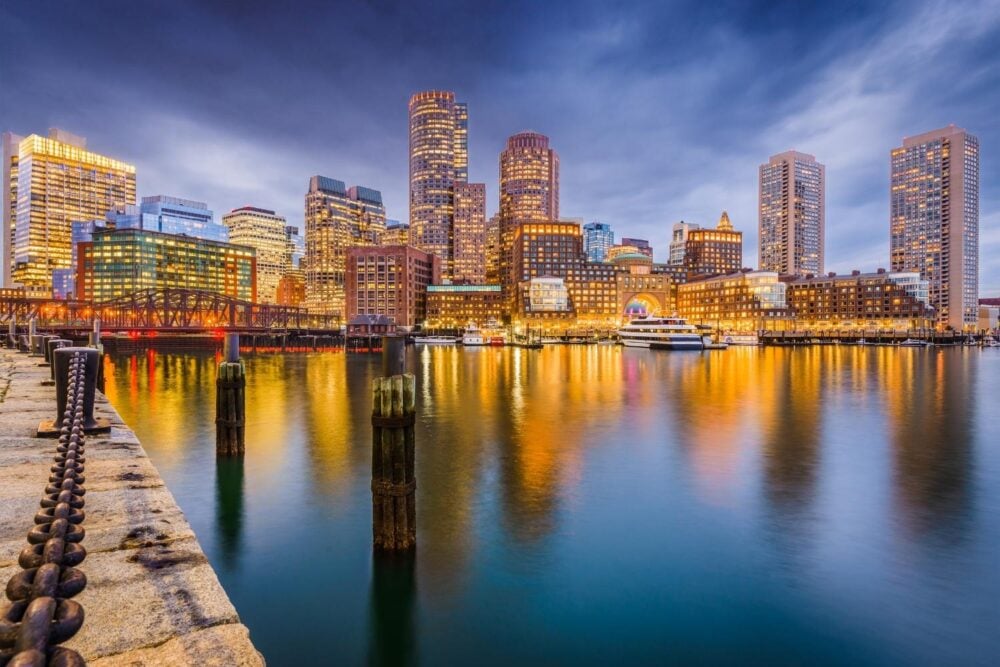
Boston is geographically small, but it carries outsized pressure. Dense neighborhoods, competitive industries, and crowded transit systems combine to make daily routines feel demanding. Everything is close, but rarely simple.
The presence of elite universities, hospitals, and tech firms adds to the city’s driven culture. Residents often feel mentally stimulated but physically worn down. Over time, the constant push to perform and keep up can become deeply tiring.
6. Chicago adds weather stress to everyday demands

Chicago’s scale and economic opportunity come with real physical strain. Long commutes, busy schedules, and dense neighborhoods already demand energy, but extreme weather amplifies that stress. Winters, in particular, can feel draining.
Cold, darkness, and disrupted routines affect mood and motivation for months at a time. Many residents say exhaustion builds gradually through seasonal cycles. The city offers culture and opportunity, but the combination of climate and pace takes a noticeable toll on daily energy.
7. Seattle blends pressure with quiet isolation
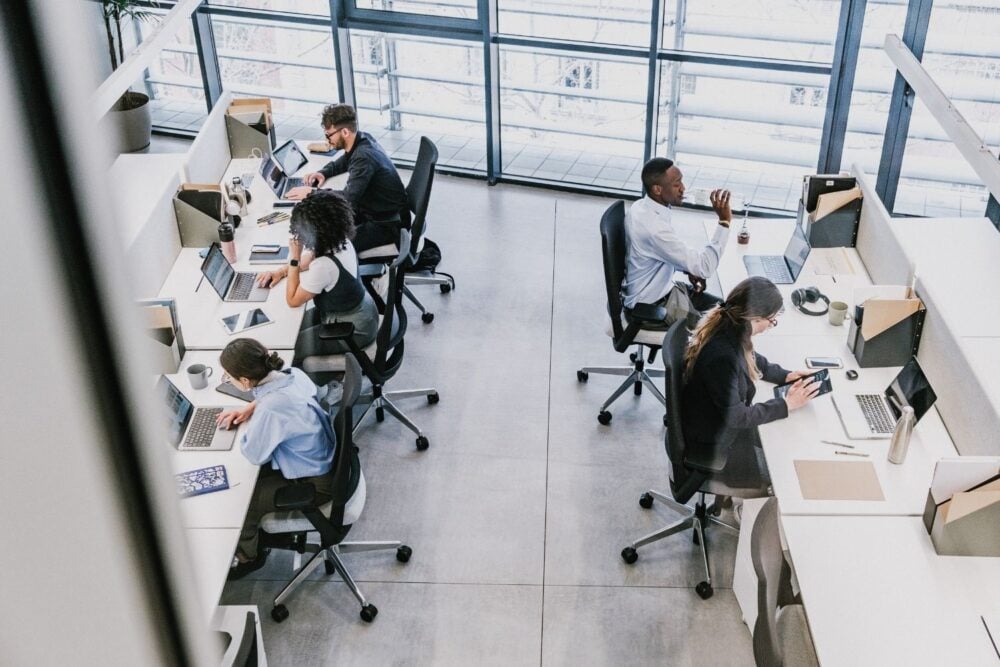
Seattle’s fast-growing economy brings long work hours and intense professional expectations, especially in tech and related fields. Many jobs demand sustained focus and constant availability, which can quietly drain mental energy over time.
At the same time, the city’s social culture can feel reserved, making it harder to decompress through connection. Gray weather and long stretches of low light add to the sense of isolation. For many residents, exhaustion builds slowly, showing up as burnout rather than overt stress.
8. Miami mixes hustle with instability

Miami’s lifestyle looks vibrant, but daily life often requires constant effort. Housing costs are high, wages vary widely, and many residents juggle multiple income streams to stay afloat.
Heat, tourism, and seasonal crowds add physical strain and unpredictability. Financial uncertainty combined with environmental stress can make rest feel temporary. Residents often describe loving the city while feeling worn down by its instability.
9. Atlanta turns traffic into a daily drain
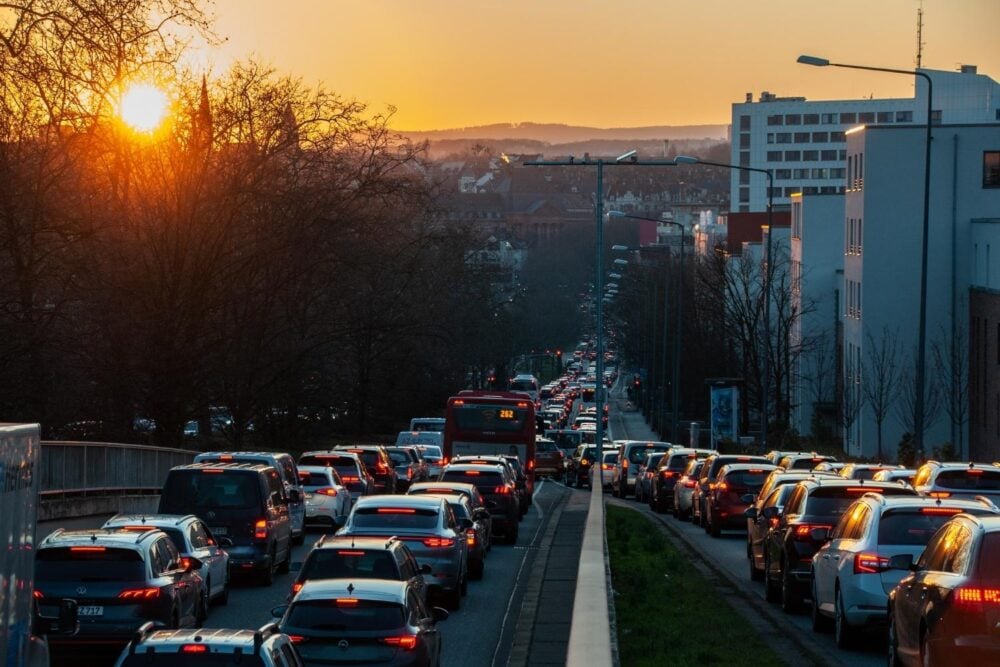
Atlanta’s sprawling layout makes driving unavoidable for most residents. Commutes are long, unpredictable, and mentally taxing, especially during peak hours.
Time spent in traffic reduces sleep and personal time, contributing to chronic fatigue. Many people feel their energy is consumed before the workday even begins. Over time, the constant travel becomes one of the city’s most exhausting features.
10. Houston combines sprawl, heat, and work pressure
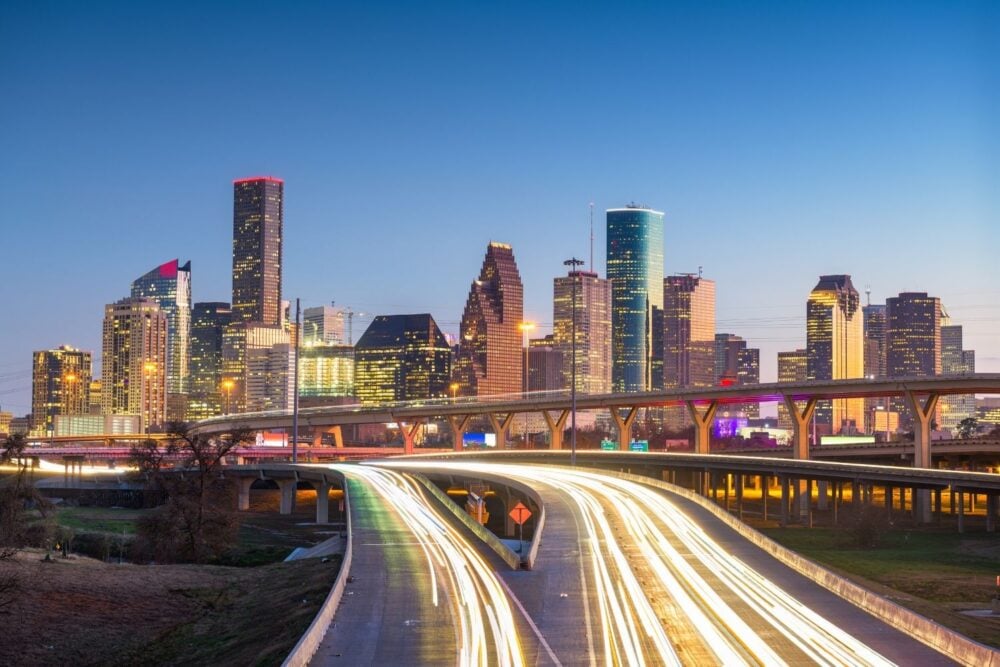
Houston’s size means daily life revolves around driving, often in heavy traffic. The city’s extreme heat adds a layer of physical exhaustion, even during routine errands.
Long workdays in demanding industries like energy, healthcare, and manufacturing further strain energy levels. Residents frequently cite the combination of climate and commute as a constant drain. Recovery often requires deliberate effort.
11. Denver hides burnout behind an active image

Denver is known for wellness and outdoor access, but rapid growth has raised housing costs and congestion. Many residents work longer hours just to afford the lifestyle the city promotes.
The pressure to stay active and productive can backfire. When rest feels like falling behind, burnout becomes easy to ignore. Exhaustion often hides behind an outwardly healthy appearance.
12. San Diego makes rest feel expensive
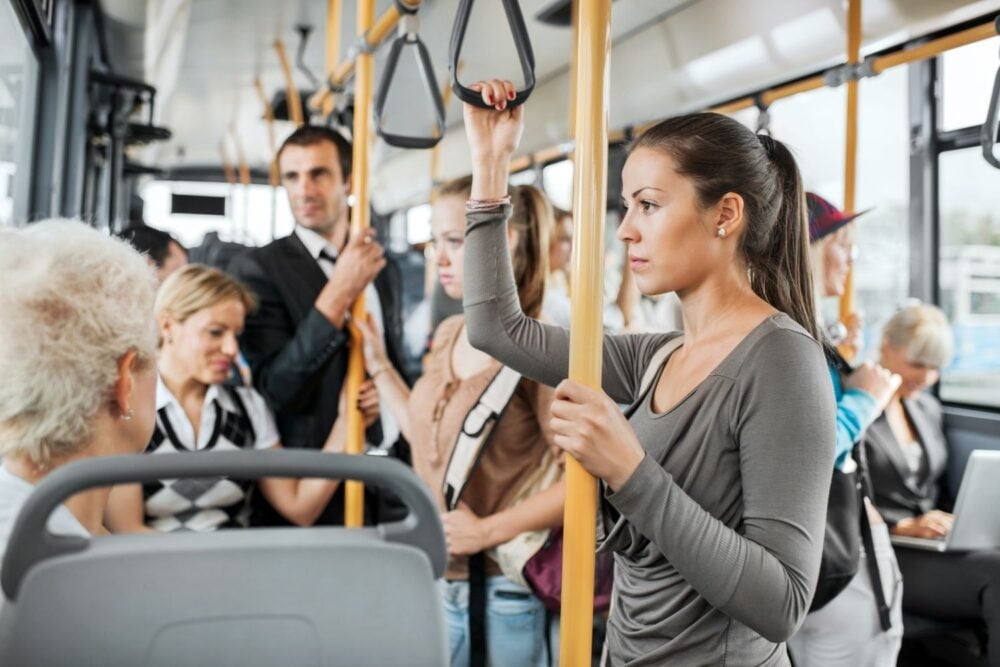
San Diego’s calm image contrasts sharply with its high cost of living. Housing, transportation, and everyday expenses push many residents to work more than they’d like.
Even leisure can feel financially constrained. Beautiful surroundings don’t always translate into rest when time and money are limited. For some residents, exhaustion comes from constantly balancing lifestyle expectations with economic reality.