
These traditional manners were designed to show respect and hospitality, and many still make everyday life feel smoother.
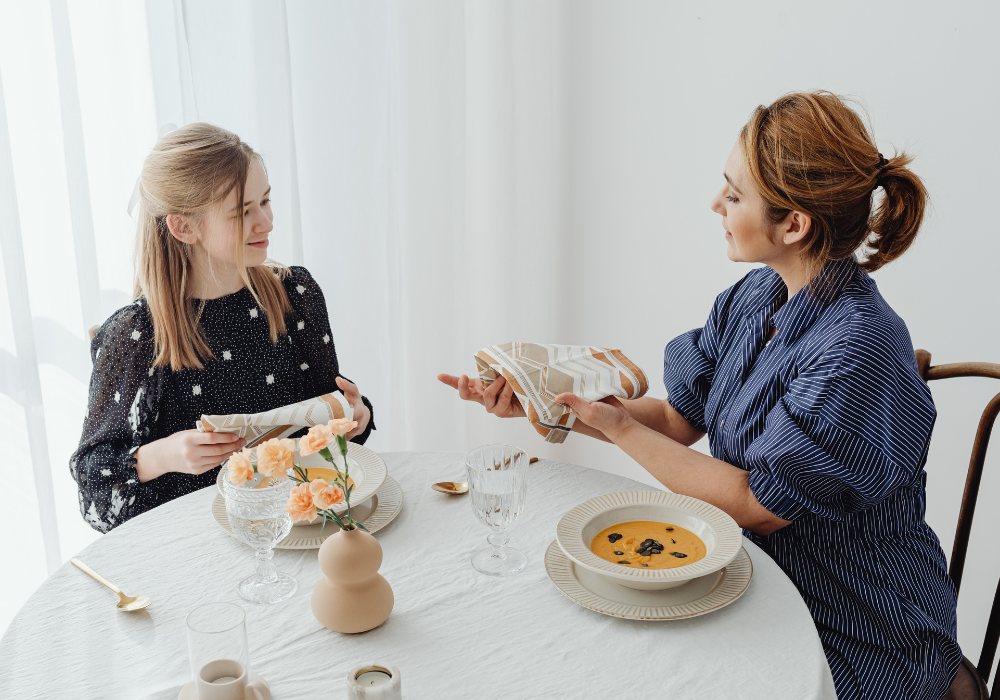
Southern etiquette has never been about stiff rules or social rank. At its core, it grew from the belief that good manners make other people feel comfortable, respected, and at ease. These customs were meant to smooth interactions, not complicate them, and to show care in everyday moments.
While some of these habits sound old-fashioned, many still solve modern social friction surprisingly well. In a fast, distracted world, they offer simple ways to show thoughtfulness.
Far from being outdated, these manners reflect timeless principles about kindness, awareness, and how small gestures can shape how people feel around us.
1. Saying “yes, ma’am” and “no, sir” shows respect

Traditionally, these phrases were taught early as a way to acknowledge another person’s presence and dignity. They weren’t meant to suggest hierarchy so much as attentiveness and courtesy.
Today, the words can still signal respect, especially across generations or in professional settings. When used sincerely rather than mechanically, they often come across as thoughtful. Many people respond positively because they feel genuinely acknowledged.
2. Writing thank-you notes was once expected

Thank-you notes were considered a basic follow-up after gifts, meals, or hospitality. They showed appreciation that went beyond politeness and into intention.
Even now, a brief handwritten note carries more weight than a quick text. It shows effort, reflection, and care. In a digital world, that extra step often leaves a lasting impression.
3. Standing when someone enters the room showed attentiveness

Rising to greet someone was a visible way to show that a person mattered. It communicated respect before a single word was spoken.
While fully standing may not always be practical today, the principle still applies. Pausing, making eye contact, or setting down a phone sends the same message. It tells someone they have your full attention, even briefly.
4. Guests were always offered food or drink

Southern hospitality treated visitors as honored guests, not interruptions. Offering refreshments was automatic and done without expectation.
That instinct still helps people feel welcome. Even a simple offer of water or coffee can lower social tension. It signals warmth and generosity rather than obligation.
5. Interrupting was considered rude

Good manners emphasized listening until someone finished speaking. Conversations were meant to feel mutual, not competitive.
In modern discussions, interruptions are common and often unintentional. Choosing to listen fully can make conversations calmer and more respectful. It also helps people feel heard rather than rushed.
6. Being punctual was a form of courtesy

Arriving on time showed respect for another person’s effort and schedule. Lateness without notice was considered inconsiderate.
That principle still holds. Being punctual communicates reliability and care. When delays happen, a quick explanation maintains trust and respect.
7. Addressing people properly mattered

Using the correct name or title was a sign of attentiveness. Guessing or shortening names without permission was discouraged.
Today, this extends to pronunciation and personal preferences. Taking the time to get it right shows respect. Small details often shape how valued people feel.
8. Avoiding public confrontation was encouraged

Southern etiquette favored handling disagreements privately. Public arguments were seen as uncomfortable for everyone involved.
That idea still has merit. Addressing issues calmly and discreetly often leads to better outcomes. It reduces embarrassment and keeps conversations productive.
9. Helping without being asked was a sign of good manners
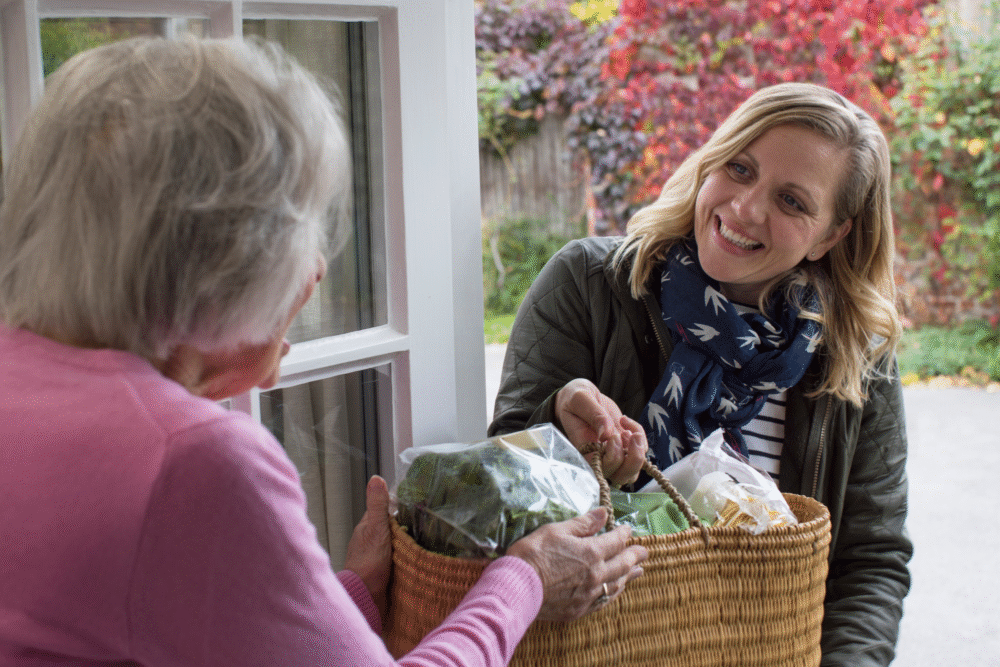
Offering help—holding doors, carrying items, or checking on neighbors—was expected. Waiting to be asked wasn’t always considered polite.
These small gestures still matter. They build goodwill and strengthen community ties. Initiative often feels more thoughtful than obligation.
10. Dressing appropriately showed consideration

People once dressed with the occasion in mind as a way of honoring others. Clothing reflected respect for the setting and company.
While dress codes are looser today, intention still counts. Thoughtful attire shows awareness and care. It signals that the moment matters.
11. Elders were given special courtesy
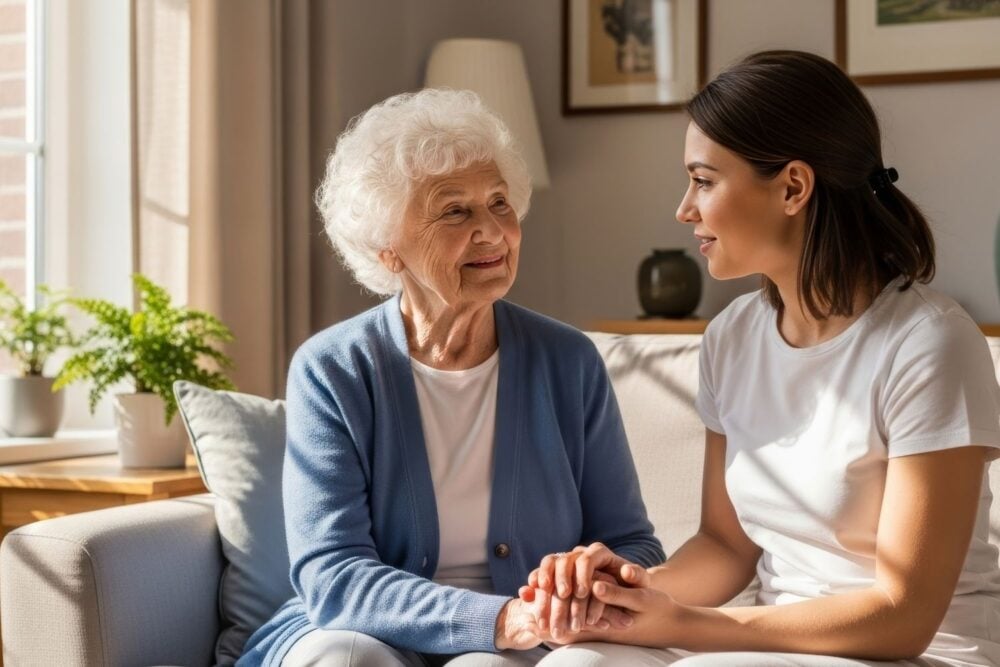
Older adults were traditionally treated with patience and respect. Their experience was acknowledged through tone and behavior.
While norms have evolved, courtesy toward elders remains meaningful. Respect doesn’t require formality—it requires intention. Small gestures can make a big difference.
12. Good manners were meant to make others comfortable

Southern etiquette was never about showing off refinement. Its goal was to ease interactions and reduce social friction.
That purpose still resonates today. The best manners are flexible, kind, and aware. They’re less about rules and more about making everyday life a little smoother for everyone involved.