
Research and everyday experience suggest left-handedness comes with a few surprising advantages.

Left-handed people make up only about 10 percent of the population, which has made them seem unusual—or even inconvenient—through much of history. Yet scientists have long been fascinated by how left-handed brains and bodies work.
From sports and creativity to problem-solving and perception, lefties often show patterns that differ in interesting ways from the majority. Those differences don’t make anyone better overall, but they do help explain why left-handed traits continue to stand out.
1. Left-handed brains tend to process information differently
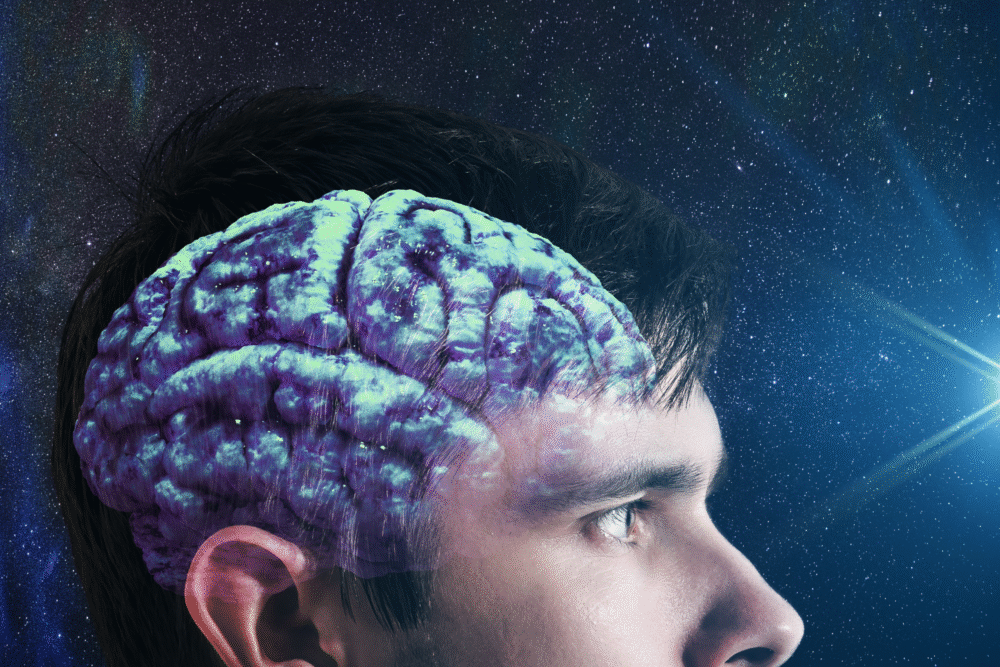
Many left-handed people show more balanced activity between the brain’s hemispheres. This can support flexible thinking and faster connections between ideas.
Researchers believe this wiring may help with multitasking and creative problem-solving. It doesn’t mean all lefties think the same way, but the pattern appears often enough to be noticeable.
2. Left-handers often have an edge in certain sports

In sports like tennis, baseball, boxing, and fencing, left-handed athletes are overrepresented. That’s partly because opponents are less used to facing them.
The unfamiliar angles and movements can throw right-handed competitors off. Over time, this small advantage can add up, especially in high-level competition.
3. Left-handed people may adapt more easily

Living in a right-handed world forces lefties to adjust constantly. From scissors to desks to tools, many everyday items aren’t designed with them in mind.
That ongoing adaptation may strengthen problem-solving skills. Left-handers often learn early how to improvise, switch strategies, and find workarounds when systems don’t quite fit.
4. Creativity shows up frequently among left-handers

Studies have found a slightly higher proportion of left-handed people in creative fields like music, art, and writing. Flexible brain organization may play a role.
Creativity doesn’t belong to one hand, but left-handedness appears linked to divergent thinking. This means generating multiple ideas rather than following a single linear path.
5. Left-handers may excel at seeing the big picture

Some research suggests left-handed people are more likely to process information globally rather than focusing only on details. This can be useful in strategy and planning.
Seeing patterns instead of isolated facts can help with innovation and decision-making. It’s one reason left-handers are often drawn to fields that reward systems thinking.
6. Surprise can work in their favor

Because left-handedness is less common, lefties can be harder to predict. This shows up most clearly in competitive or fast-paced environments.
Whether in sports or social interactions, that unpredictability can be an advantage. People often expect right-handed norms, and left-handers naturally break them.
7. Left-handed people are often ambidextrous by necessity

Many lefties develop some comfort using their right hand. This comes from years of adapting to right-handed tools and spaces.
That flexibility can translate into better coordination across both sides of the body. While not fully ambidextrous, many left-handers are more versatile than expected.
8. Certain professions include more left-handers than average

Research has noted higher percentages of left-handers among architects, engineers, and artists. These fields often reward spatial reasoning and creative structure.
The connection isn’t absolute, but it’s consistent enough to draw interest. It suggests left-handed thinking styles may align well with certain problem-solving demands.
9. Left-handedness is linked to faster reaction times in some tasks

Some studies show left-handers respond more quickly in certain visual or motor tasks. This may relate to how information crosses between brain hemispheres.
Faster reactions don’t appear everywhere, but they show up often enough to be measurable. In dynamic environments, even small speed differences can matter.
10. Being different can build resilience

Growing up slightly outside the norm can shape confidence and self-awareness. Many left-handers learn early how to stand out without trying.
That experience may foster independence and comfort with being different. Over time, it can turn a minor distinction into a personal strength.
11. Left-handedness highlights how varied human brains are

Left-handed people are a reminder that there’s no single “standard” way to think or move. Human brains evolved to work in many configurations.
Rather than being a disadvantage, left-handedness shows how diversity supports creativity, adaptability, and innovation. It’s not about superiority—just a different set of strengths that continue to intrigue scientists.