
New research suggests some polar bears are adapting in unexpected ways as Arctic sea ice continues to shrink.
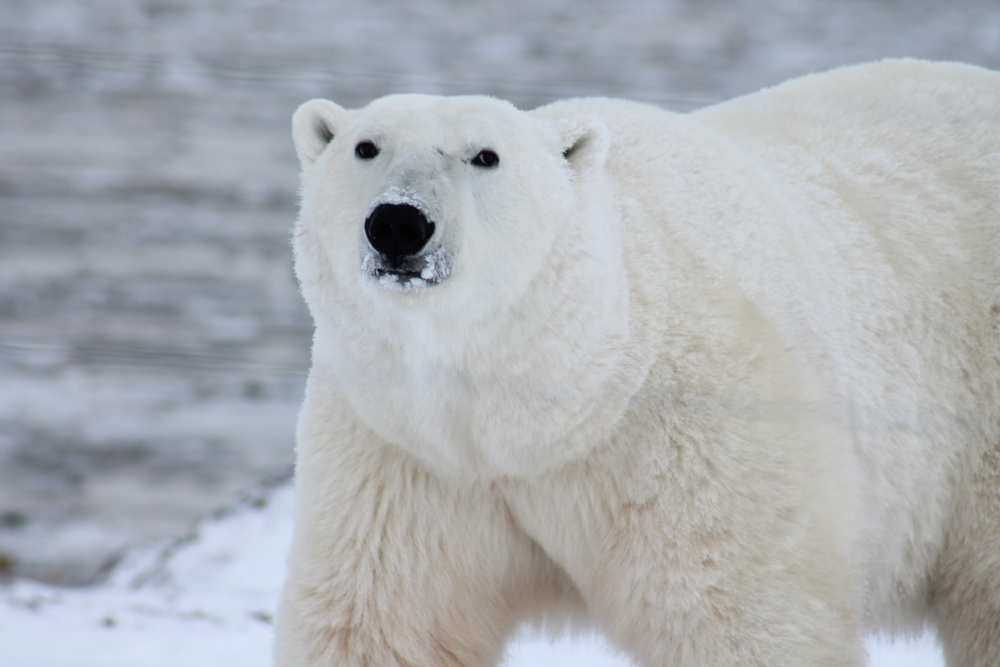
For years, polar bears have been seen as one of the clearest victims of climate change, closely tied to the fate of Arctic sea ice.
As that ice disappears, scientists have warned that the bears’ ability to hunt seals—and survive—would decline. But recent observations from the Arctic are complicating that picture.
In parts of the Arctic, some polar bears appear to be gaining weight, even as their traditional hunting grounds shrink, raising new questions about how adaptable the species may be.
1. The findings come from long-term monitoring in the Arctic
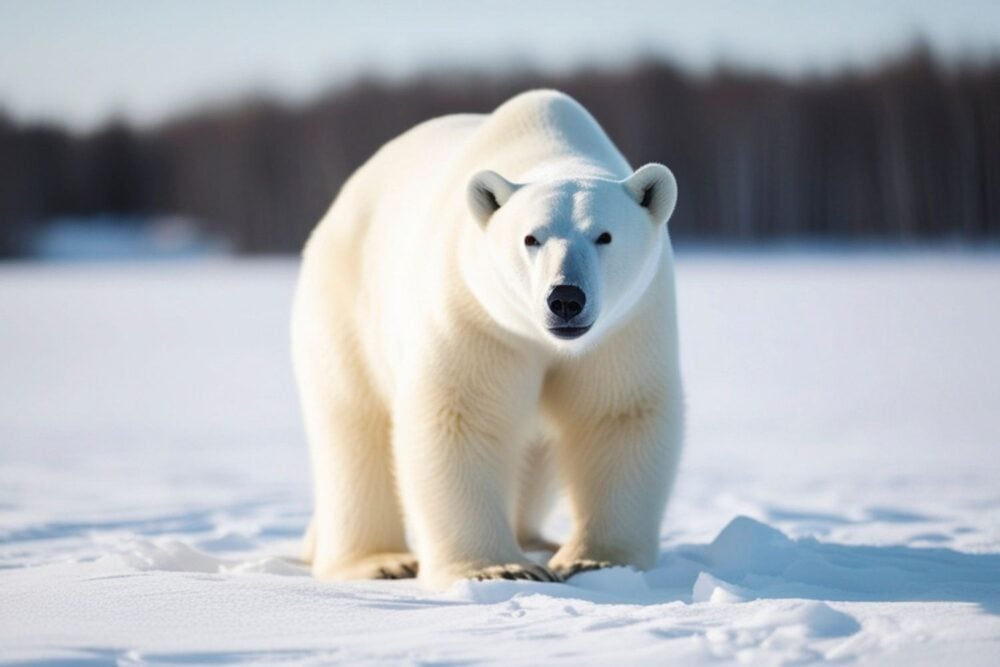
Researchers focused on polar bears living around Svalbard, a region that has warmed faster than much of the rest of the planet. Sea ice there has declined dramatically in recent decades.
Despite these changes, scientists noticed that some bears were not showing the expected signs of starvation. Instead of becoming thinner, certain individuals appeared heavier. This unexpected trend prompted closer investigation.
2. Sea ice loss has fundamentally changed polar bear hunting
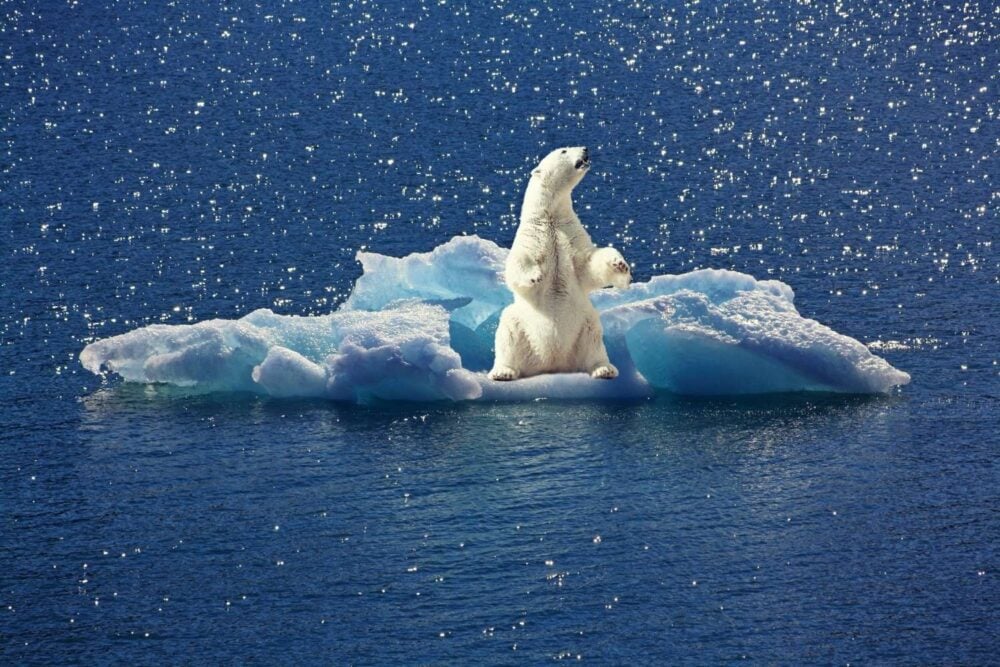
Polar bears traditionally rely on sea ice as a platform to hunt seals. When ice retreats earlier or forms later, hunting opportunities shrink.
In many Arctic regions, this loss has led to poorer body condition and lower survival. That’s why the discovery of heavier bears stood out. It suggested something different might be happening locally.
3. Some bears are shifting how and where they find food
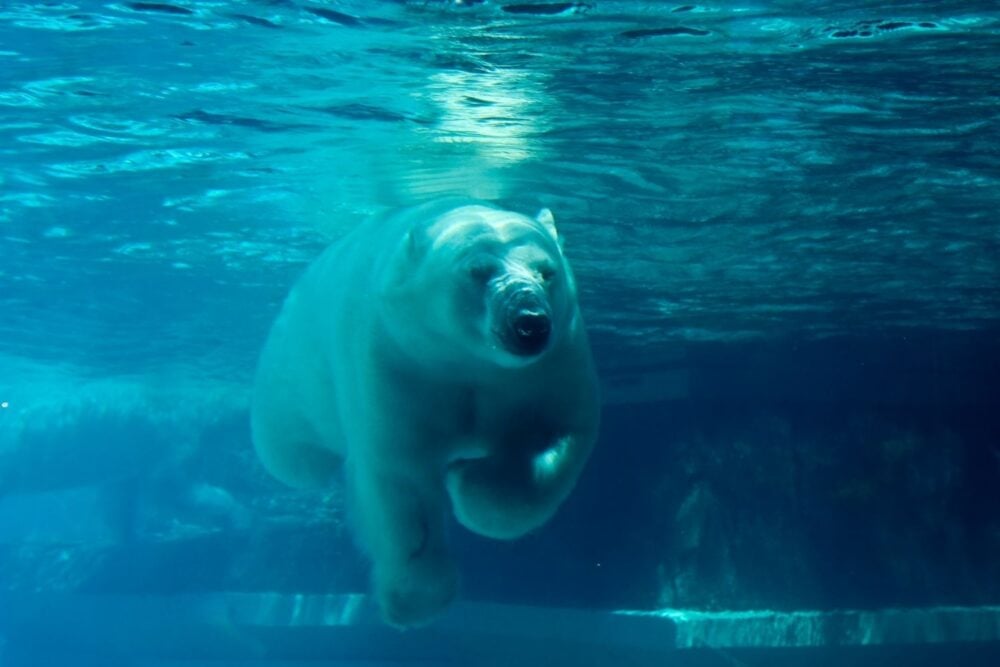
Researchers believe some polar bears are adapting by hunting in alternative ways. Instead of relying only on ice-based seal hunts, they may be taking advantage of new food sources.
These can include seals caught near glacier fronts or animals that remain accessible year-round. While this doesn’t replace traditional hunting everywhere, it may help some bears maintain weight.
4. Glacier fronts may offer new feeding opportunities
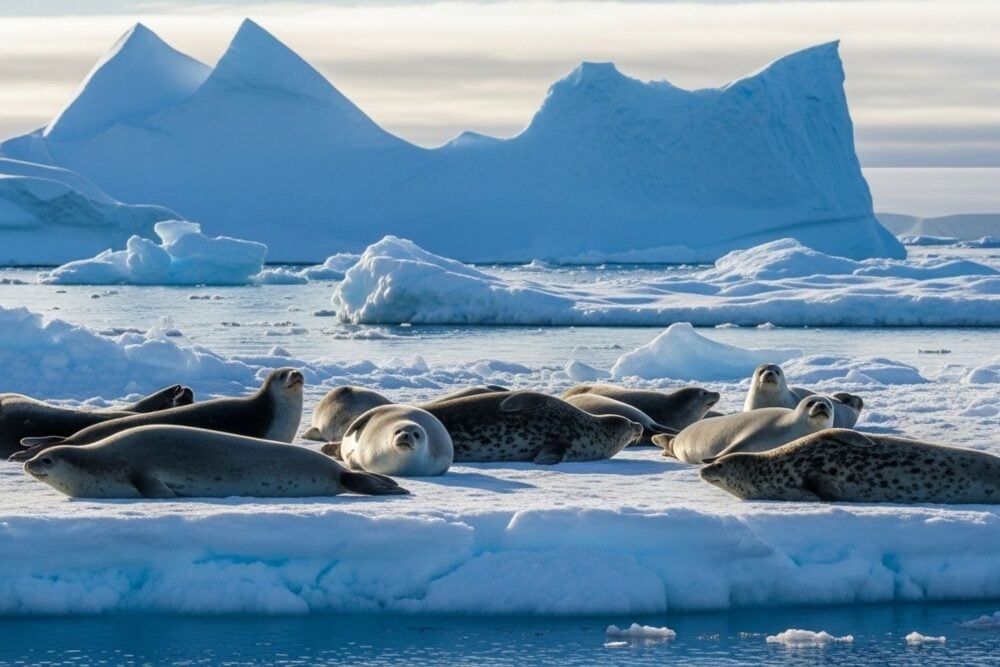
As glaciers meet the ocean, chunks of ice break off, attracting seals. Polar bears have been observed hunting seals in these areas without needing extensive sea ice.
This behavior allows some bears to feed even during ice-free periods. In regions like Svalbard, glacier fronts may be acting as partial substitutes for sea ice. That may explain why some bears are doing better than expected.
5. Not all polar bears are benefiting equally
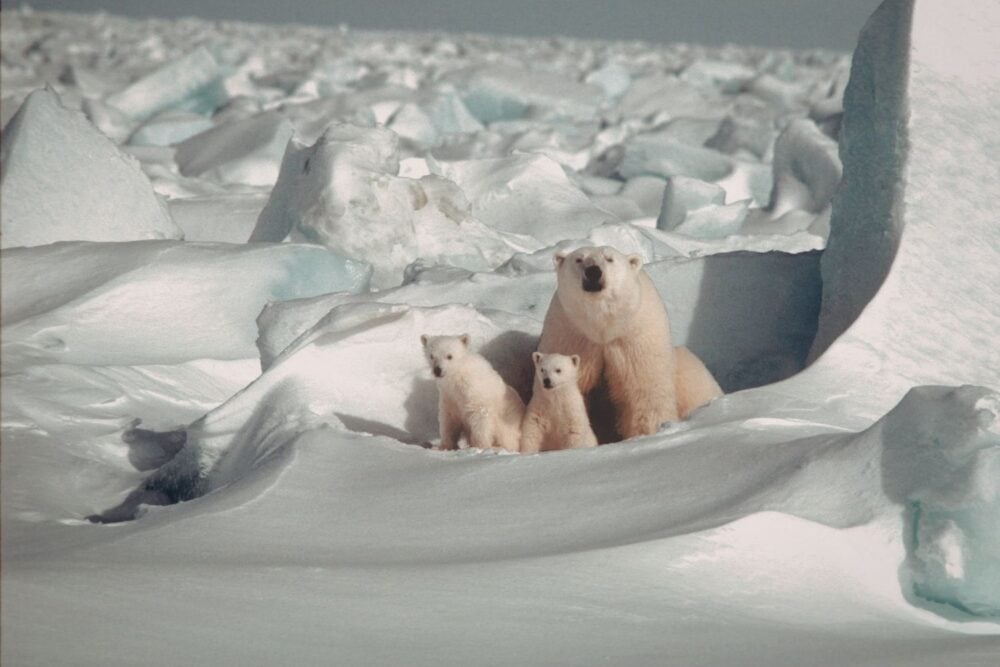
Scientists stress that this pattern does not apply to all polar bears. Many populations across the Arctic are still struggling as ice disappears.
The bears gaining weight appear to be in specific regions with unique geography. This makes their situation the exception rather than the rule. Broadly speaking, climate risks remain severe.
6. Weight gain does not necessarily mean long-term safety
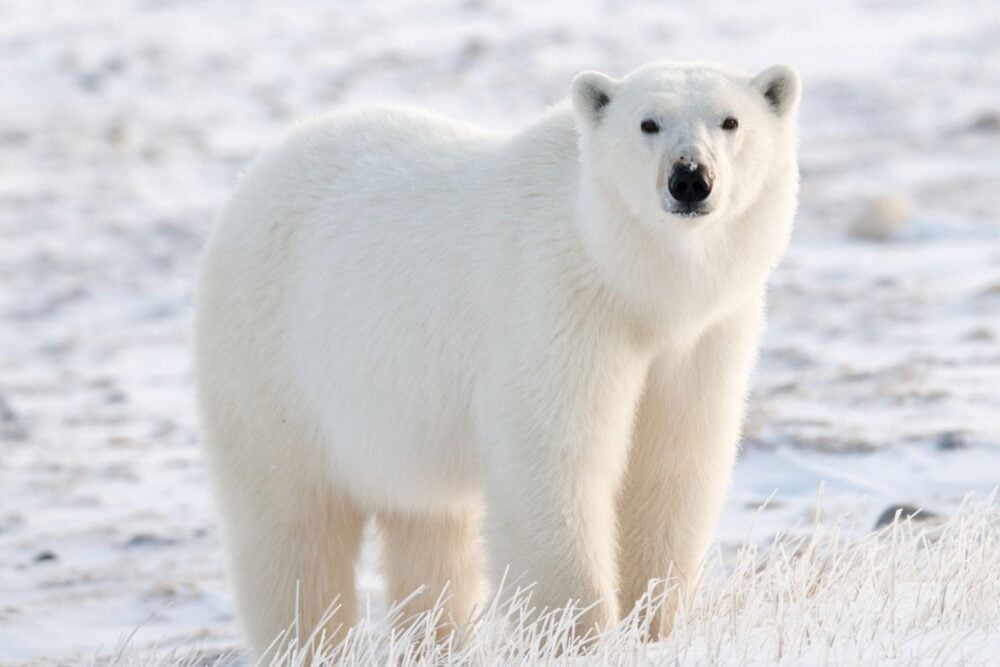
Being heavier now does not guarantee future survival. Environmental conditions continue to change rapidly, and current adaptations may not hold.
Food availability near glaciers could shift as warming continues. If these alternative hunting grounds disappear, bears may lose this advantage. Short-term resilience doesn’t erase long-term risk.
7. Researchers caution against misreading the results
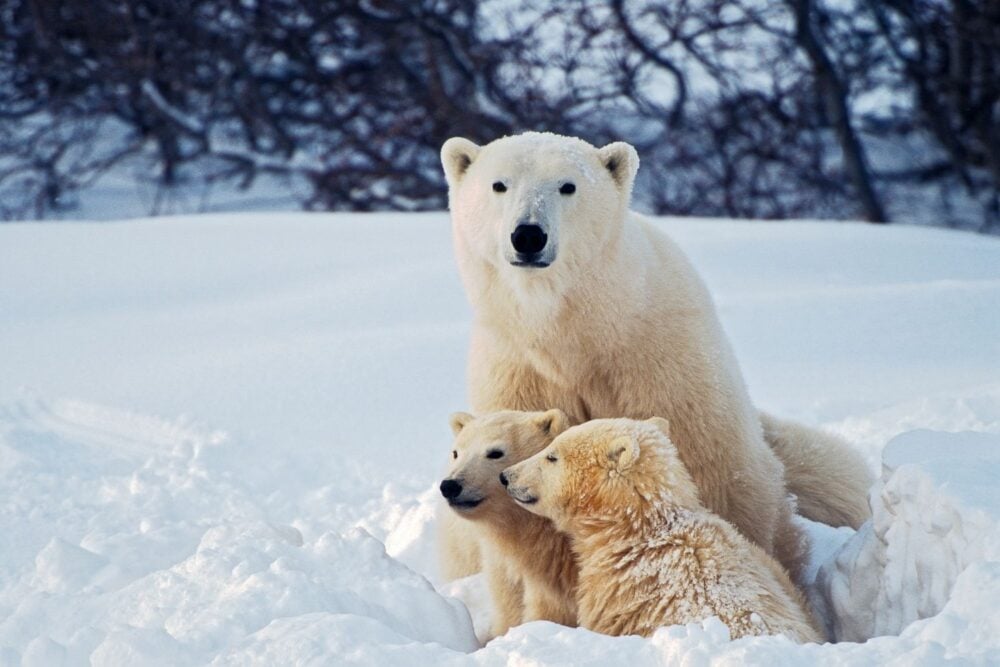
Scientists emphasize that these findings should not be taken as evidence that polar bears are “fine” under climate change. The overall trend for the species remains concerning.
Instead, the results show how complex ecological responses can be. Wildlife does not always react in simple or uniform ways. Adaptation can occur alongside decline.
8. Body weight is only one measure of health
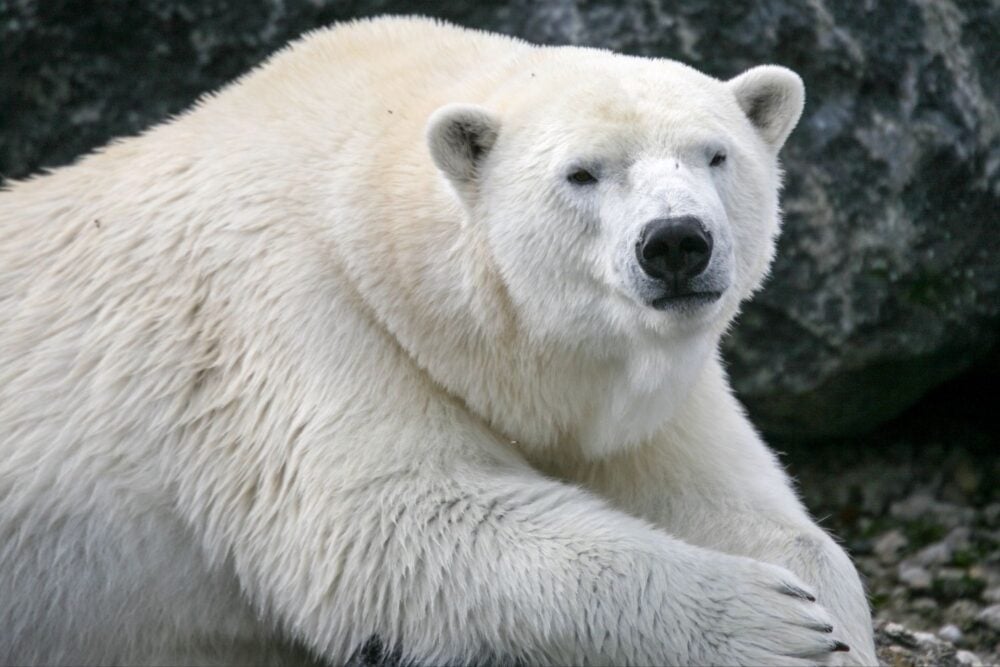
A heavier bear may still face reproductive or survival challenges. Factors like cub survival, stress levels, and long-term fitness also matter.
Researchers are careful to look beyond weight alone. A population can appear stable while still being vulnerable. Comprehensive monitoring is essential.
9. The findings highlight the role of local conditions
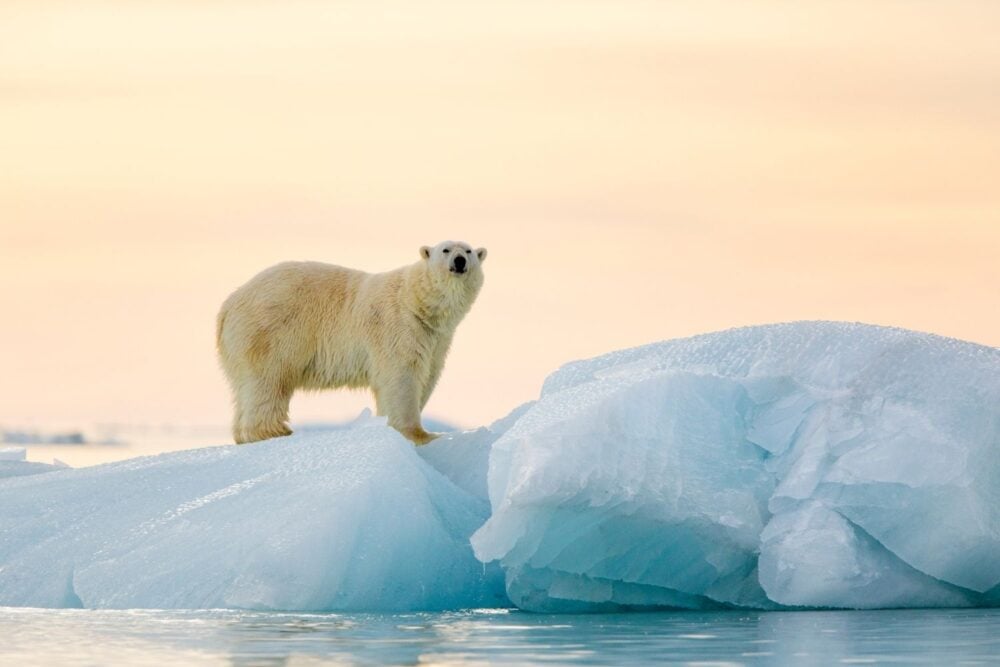
Geography plays a major role in how animals respond to climate change. Areas with glaciers, fjords, or unique marine ecosystems may offer temporary buffers.
This helps explain why trends differ between regions. It also shows why local studies are critical. One Arctic location cannot represent the entire species.
10. Adaptability has limits
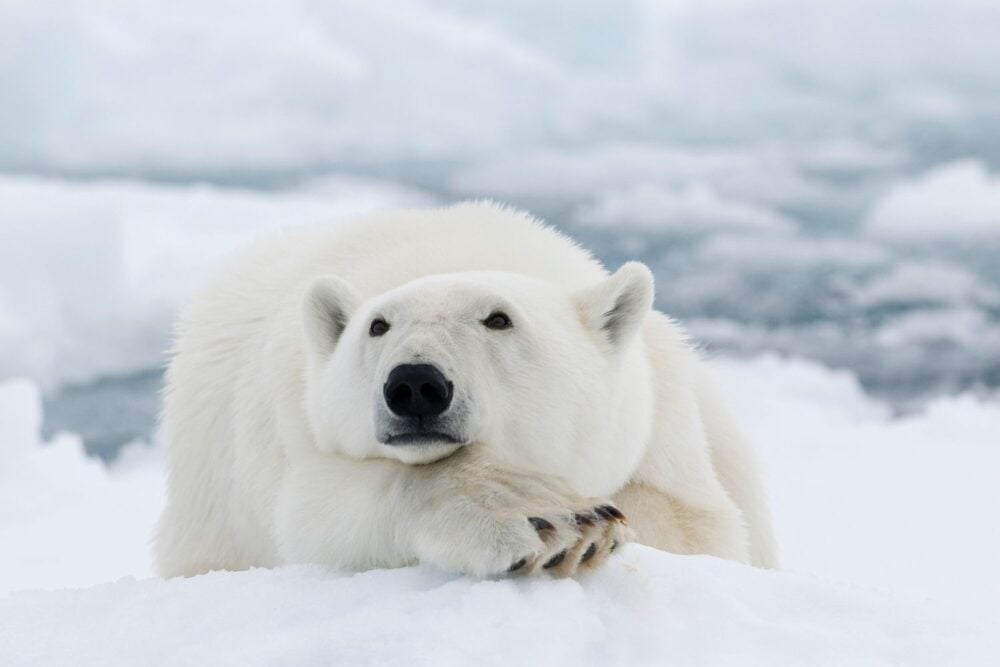
Polar bears have shown behavioral flexibility before, but there are boundaries to how much they can adjust. Their biology remains closely tied to cold environments and seal hunting.
As warming accelerates, those limits may be tested. Adaptation can buy time, but it may not be enough without slowing climate change. Scientists see these changes as warning signs, not reassurance.
11. The study adds nuance to the climate story
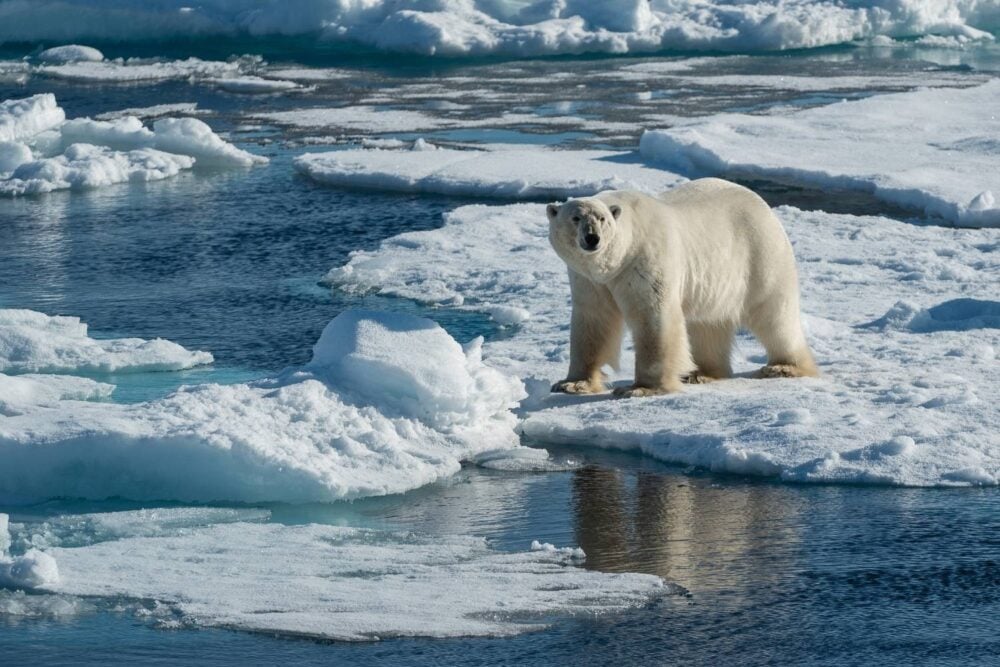
Rather than overturning concerns, the findings add complexity to what scientists already know. Climate change can produce uneven and sometimes surprising effects.
Some polar bears may cope better for now, while others decline rapidly. Together, these patterns underscore how unpredictable—and fragile—Arctic ecosystems have become.