
Born in a conservation program, the newborn belongs to the only primate species known to produce venom.
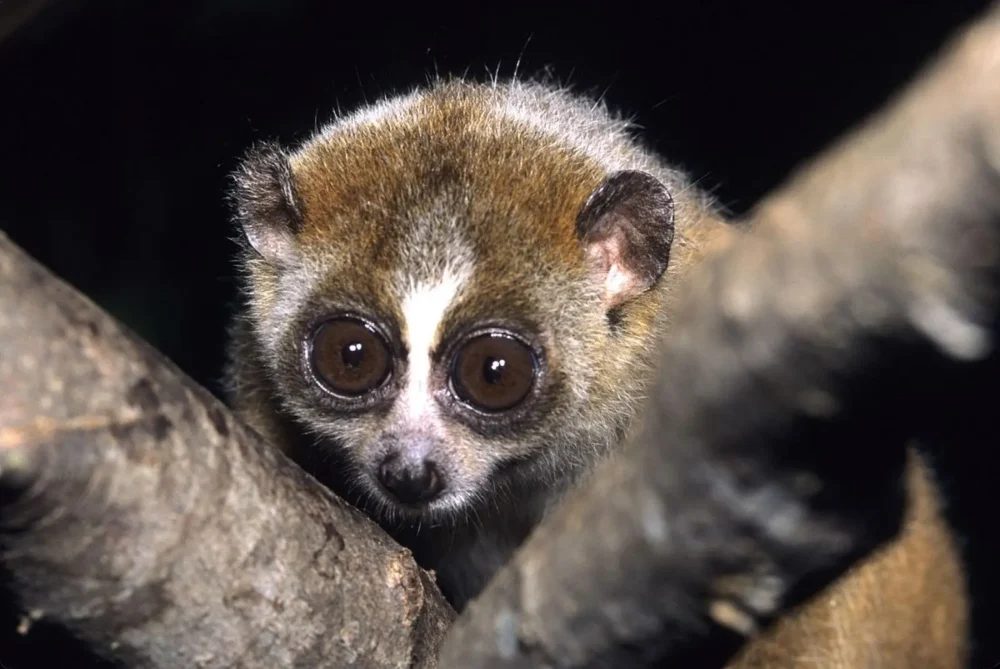
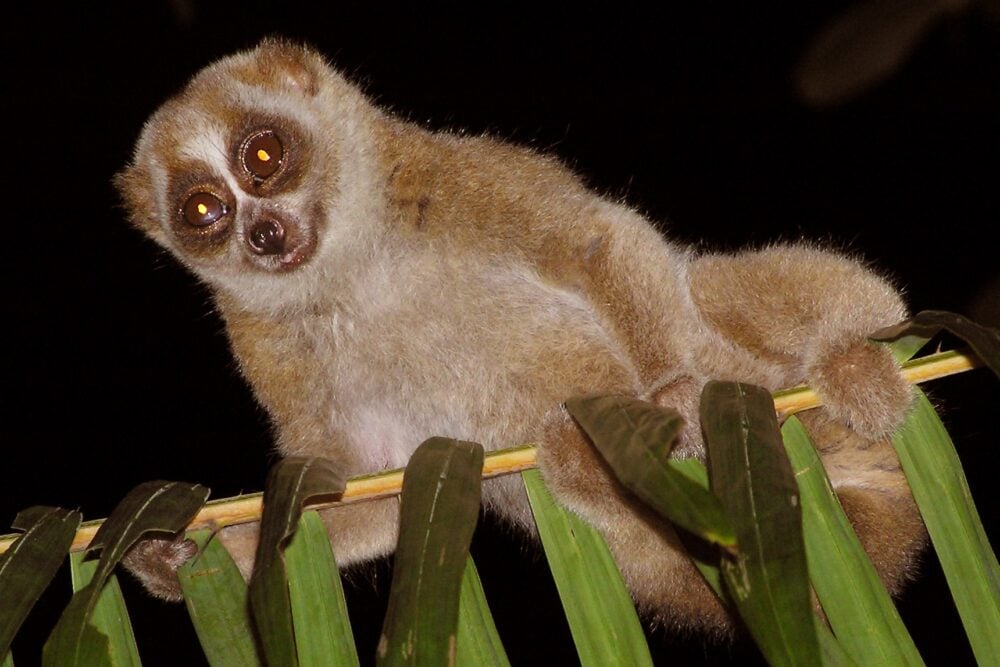
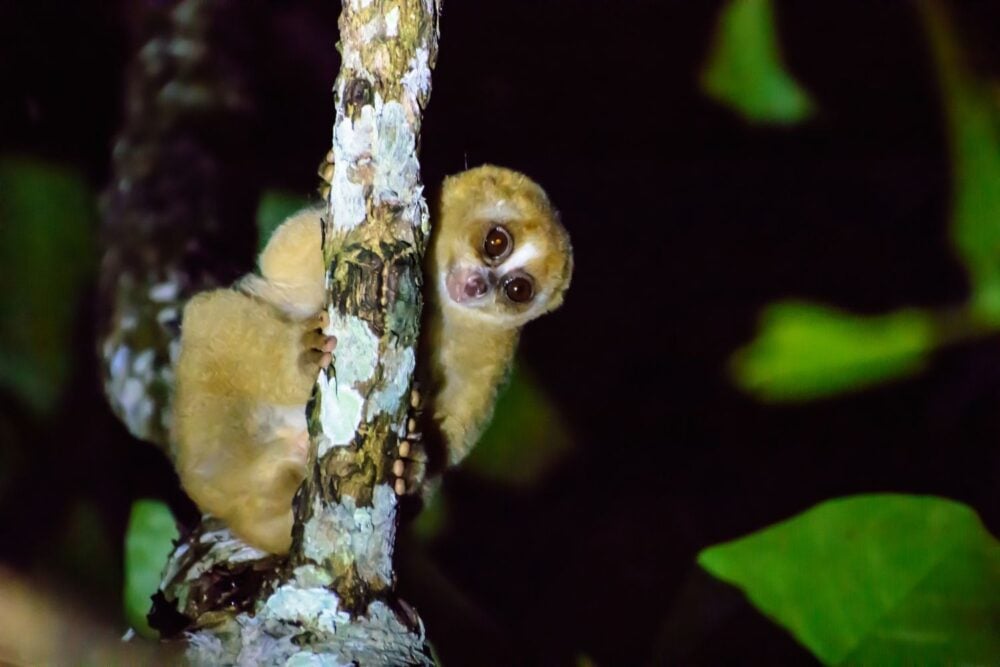
At first glance, the wide eyes and tiny hands make this newborn primate look impossibly gentle. Its soft fur and careful movements give it the appearance of a living plush toy, more cuddly than dangerous.
But this baby, born at the Bronx Zoo, belongs to one of the most unusual primate species on Earth. Despite its sweet looks, it carries a rare and powerful biological defense.
The newborn is a pygmy slow loris, a critically endangered primate and the only one known to produce venom. Its birth highlights a species that blends cuteness, danger, and conservation urgency in a way few animals do.
1. This newborn belongs to one of the rarest primates on Earth
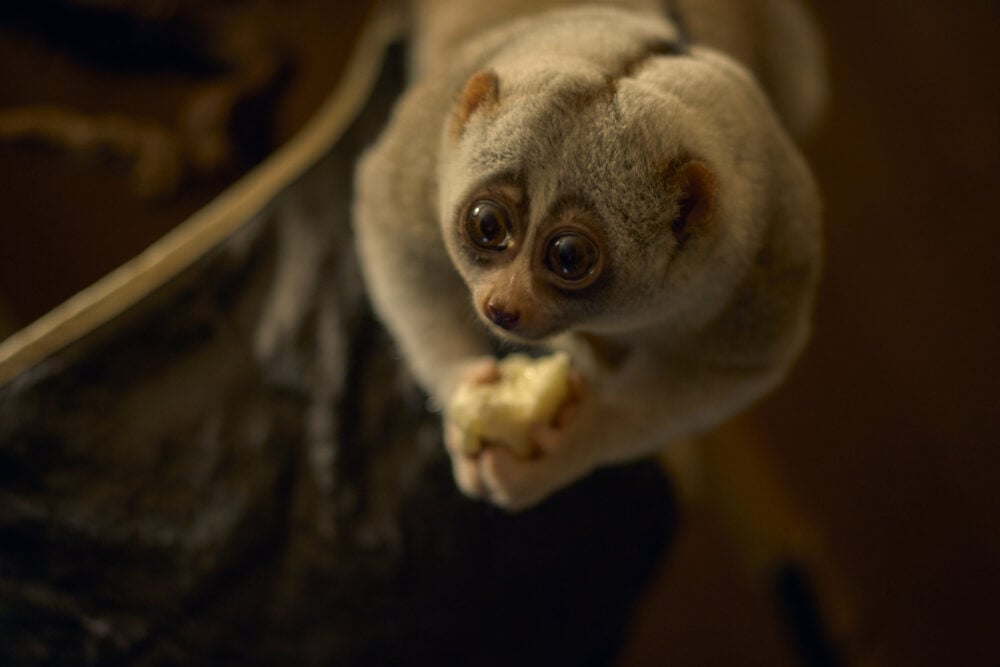
Pygmy slow lorises are native to parts of Southeast Asia, where their populations have declined sharply. Habitat loss, deforestation, and illegal wildlife trade have pushed the species toward critical endangerment.
Because of these pressures, successful births in conservation programs are relatively rare. Each newborn represents a small but meaningful boost to the species’ future. Zoos carefully manage breeding to maintain healthy genetic diversity.
2. Slow lorises are the only venomous primates known
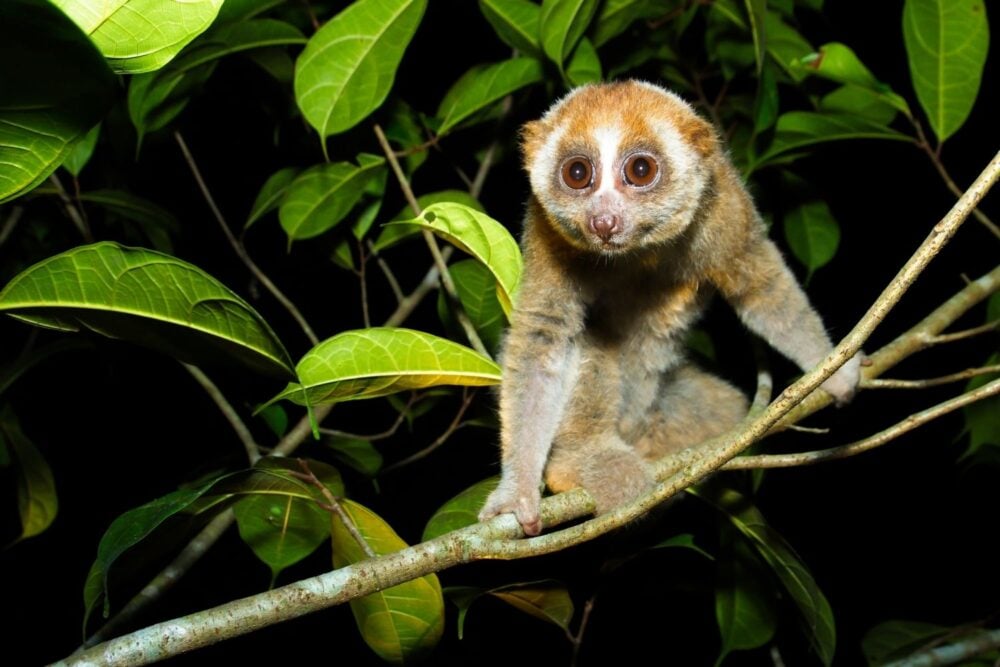
Unlike most mammals, slow lorises produce venom as part of their natural defense system. This makes them unique among primates, including humans, apes, and monkeys.
Their venom comes from a gland located near the elbow. When the loris licks this gland, it mixes the secretion with saliva. The result is a toxic bite that can cause pain and serious reactions.
3. The venom serves as protection in the wild
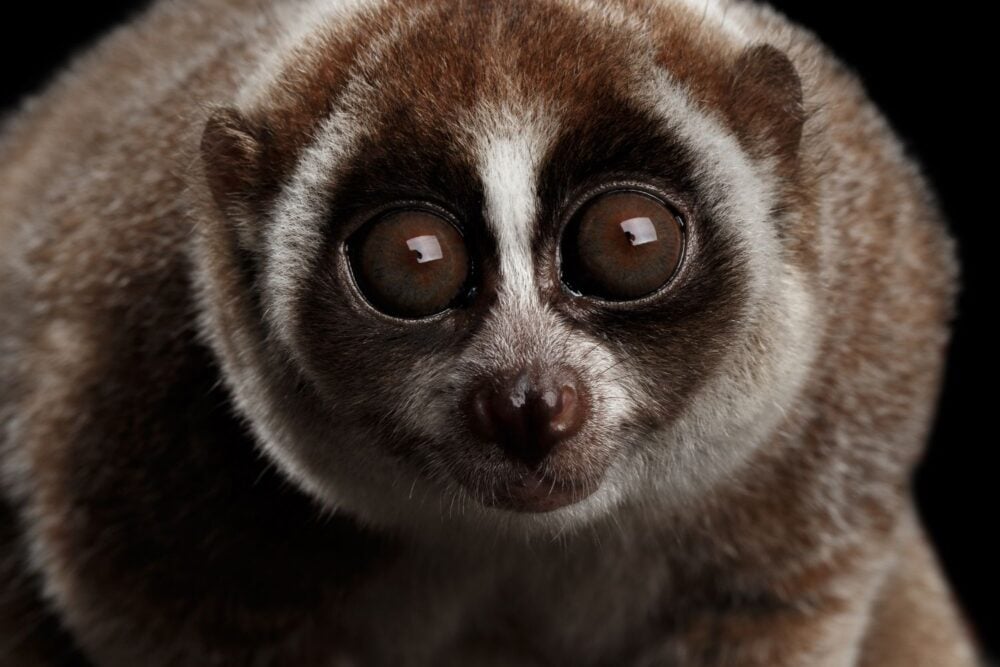
Slow lorises are small, slow-moving animals, which makes them vulnerable to predators. They don’t rely on speed or strength to escape danger.
Instead, their venom acts as a powerful deterrent. Predators that try to bite or grab a loris may be met with a painful surprise. This chemical defense helps compensate for their limited mobility.
4. Even baby slow lorises are born with this defense
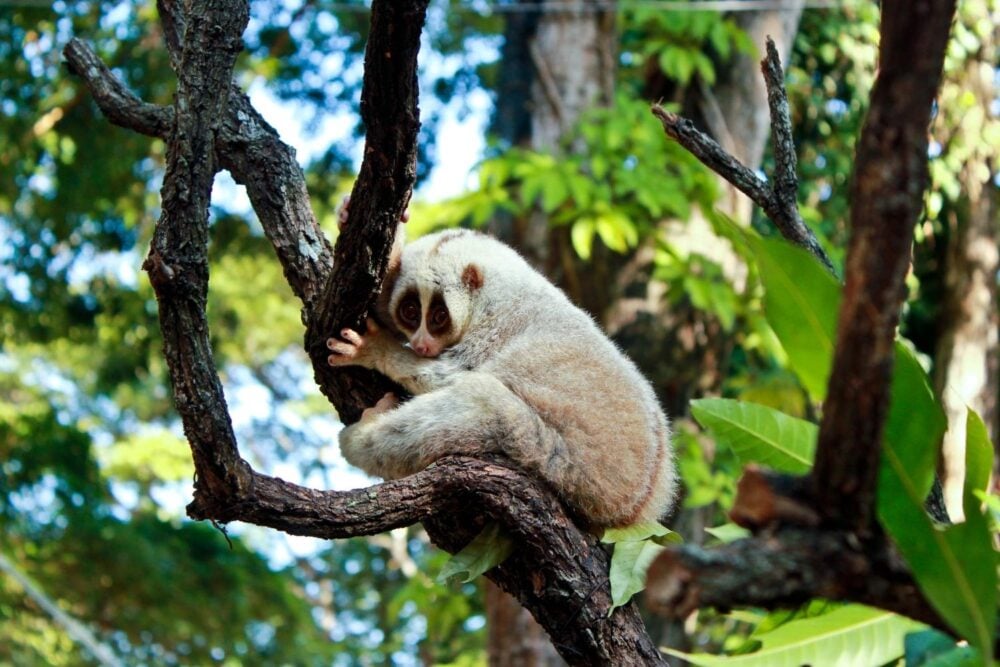
The venom-producing system is present from birth, even though infants rely on their mothers for protection early on. As the baby grows, this trait becomes more important for survival.
Young lorises eventually learn how to use the venom effectively. This includes the behavior of licking the gland before biting. It’s an inherited defense, not something learned later in life.
5. Their slow movement is a deliberate survival strategy
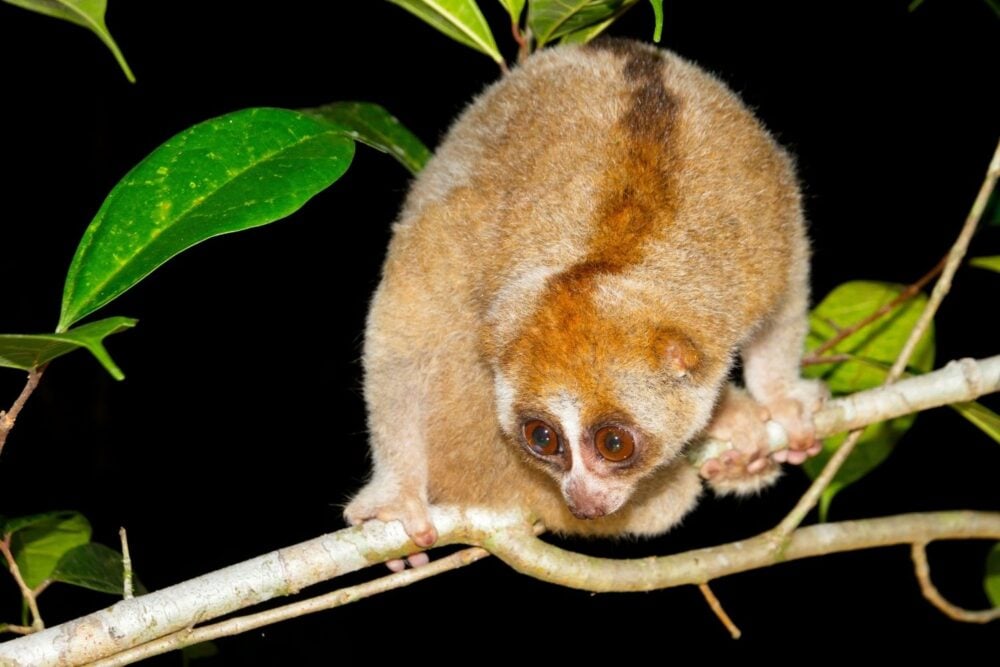
Despite their name, slow lorises aren’t sluggish by accident. Their slow, careful movements help them avoid detection by predators.
Moving quietly through trees reduces noise and sudden motion. Combined with venom, this strategy allows them to survive without relying on speed. It’s a different evolutionary path from most small mammals.
6. The species is often misunderstood because of its appearance
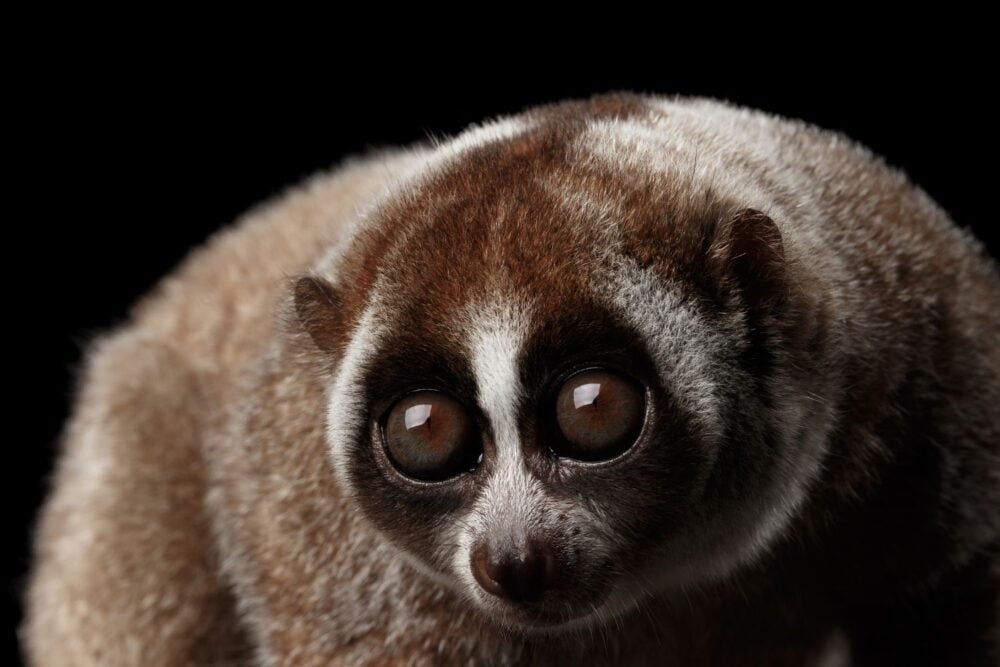
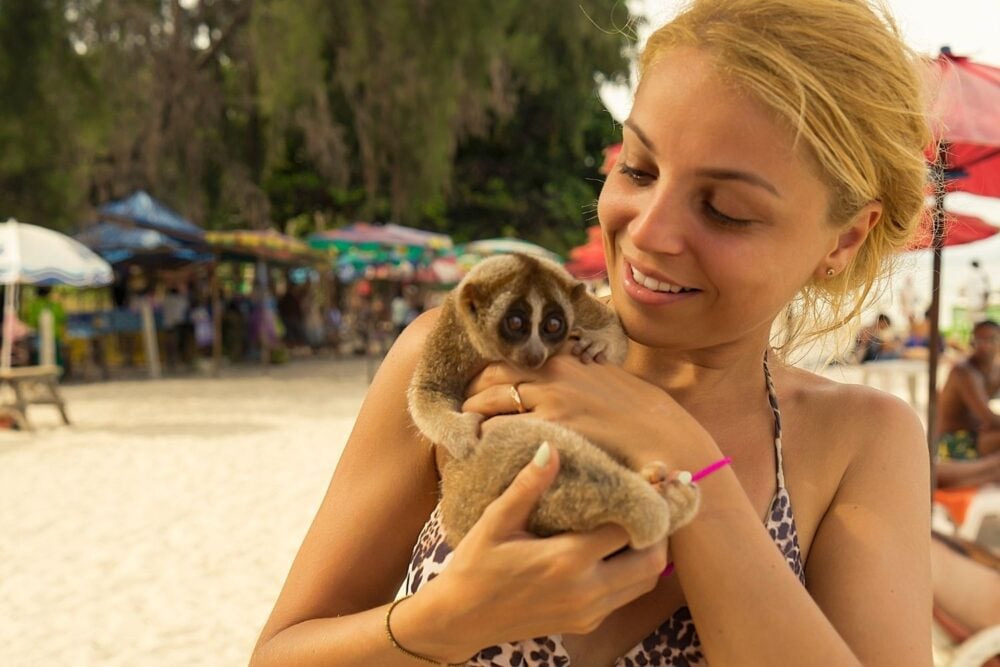
Large eyes and round faces make slow lorises look gentle and harmless. This appearance has contributed to their popularity in illegal wildlife markets.
Many people don’t realize these animals are venomous or endangered. Misunderstanding their biology has fueled demand for them as exotic pets. That demand has been devastating for wild populations.
7. Illegal wildlife trade remains a major threat
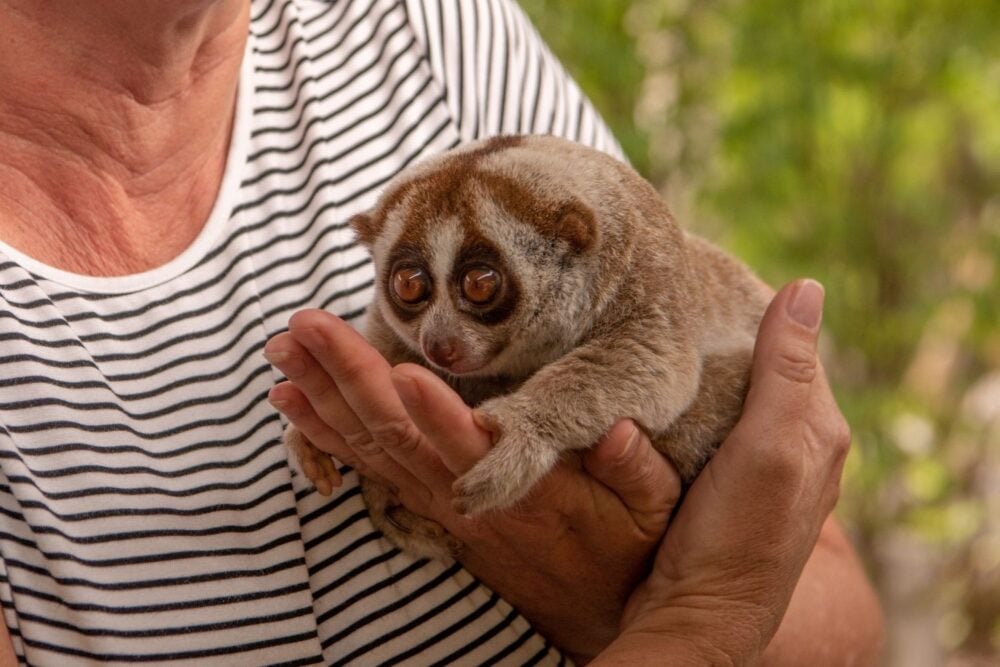
Slow lorises are frequently captured and sold illegally. To make them “safer” for handling, traffickers often remove or damage their teeth.
This process causes severe pain, infection, and long-term harm. Animals subjected to this treatment rarely survive long in captivity. Conservation programs work to counteract the damage caused by this trade.
8. Zoos play a critical role in conservation efforts

Facilities like the Bronx Zoo participate in carefully coordinated breeding programs. These programs aim to protect endangered species and educate the public.
By studying slow lorises up close, researchers can learn more about their behavior and health. That knowledge supports conservation both in captivity and in the wild. Public awareness is a key part of that mission.
9. Caring for a venomous primate requires special training
Zookeepers must use caution when handling slow lorises. Even though bites are rare, the venom can cause serious reactions.
Staff receive specialized training to minimize stress for the animal and risk to humans. Enclosures and care routines are designed with safety in mind. This ensures both animal welfare and human protection.
10. The birth offers insight into a little-known species
Each newborn provides an opportunity to observe development from the earliest stages. Scientists can track growth, behavior, and health over time.
This information helps refine care strategies for future generations. It also deepens understanding of how venom evolved in a primate. Few species offer such a unique research window.
11. The baby’s arrival highlights the urgency of protection
While the birth is a hopeful sign, it doesn’t erase the threats facing the species. Habitat destruction and illegal trade continue to endanger slow lorises worldwide.
The newborn serves as a reminder that conservation requires long-term commitment. Protecting these animals means preserving ecosystems, enforcing laws, and educating the public. Behind the wide eyes and soft fur is a species fighting to survive.