
Migration data shows Americans are concentrating in specific states and metros tied to housing, jobs, and lifestyle shifts.

Where Americans are choosing to live is no longer a mystery trend—it’s showing up clearly in the places gaining residents year after year.
Recent migration patterns point to a cluster of states and metro areas benefiting from affordability, job growth, and new housing supply, while others continue to lose residents.
Instead of chasing prestige cities, movers are targeting practical locations that align with how they want to live now. The map of American movement is becoming more specific—and more revealing.
1. South Carolina has become one of the strongest magnets
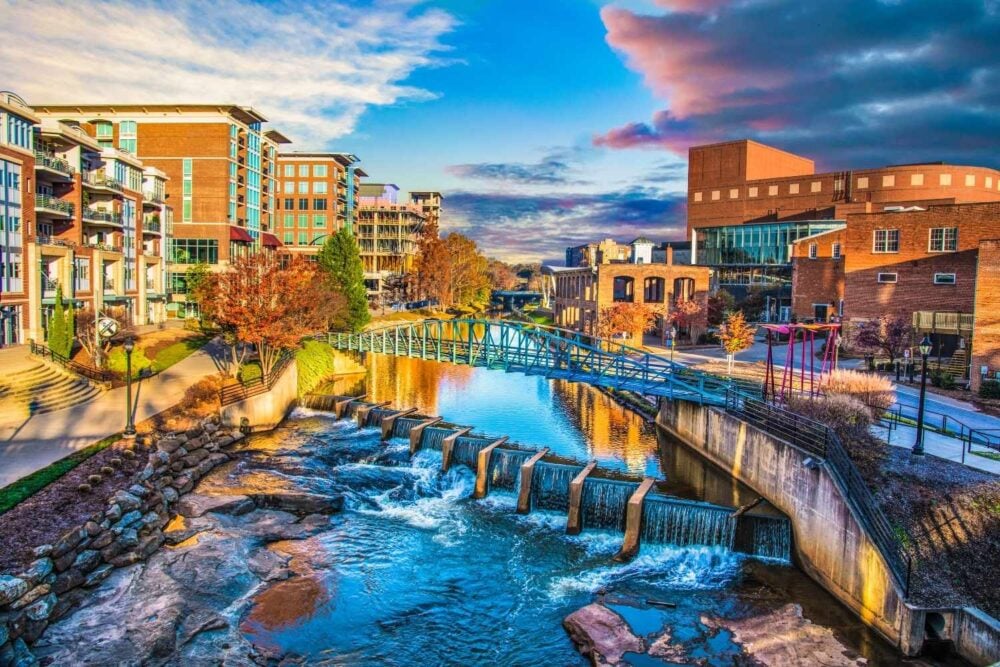
South Carolina continues to attract new residents at a fast pace, especially from the Northeast and Midwest. Cities like Charleston, Greenville, and Columbia offer lower housing costs compared with coastal metros.
Many movers cite a mix of mild climate, new construction, and manageable living expenses. For retirees and remote workers alike, the state feels like a lifestyle upgrade without extreme costs.
2. Arizona remains a top destination despite rising prices
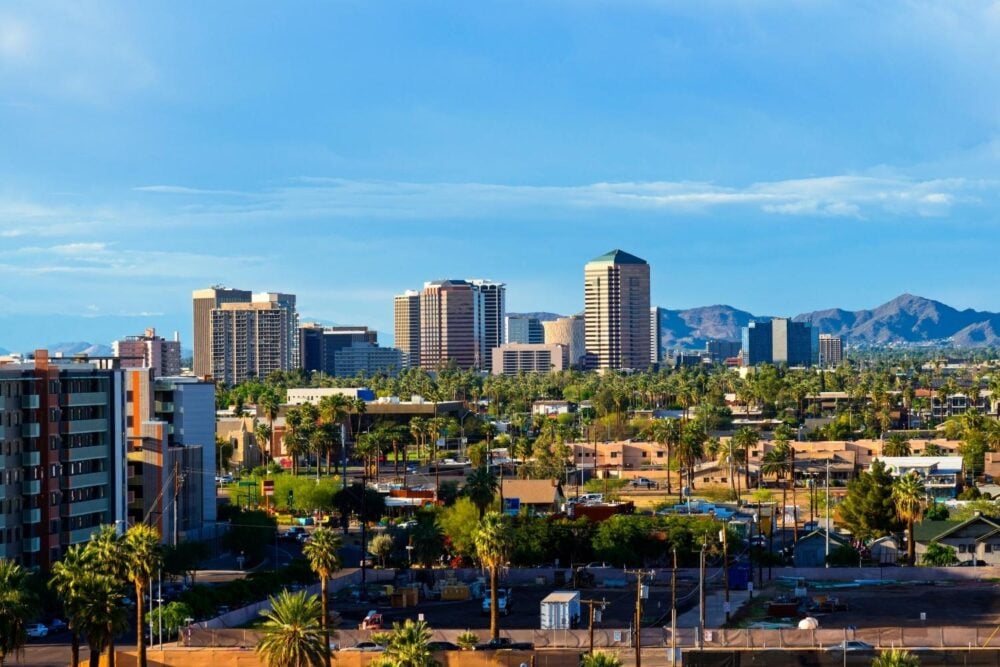
Arizona is still drawing newcomers, particularly to Phoenix and surrounding suburbs. While prices have increased, they remain competitive compared to California and parts of the Pacific Northwest.
Job growth, dry weather, and master-planned communities continue to fuel interest. Many buyers see Arizona as a balance between opportunity and affordability, even as competition increases.
3. Nevada is gaining residents from neighboring states

Nevada—especially areas around Las Vegas—has seen strong inbound migration. No state income tax and relatively lower home prices remain major draws.
Many movers come from California seeking financial relief without moving far away. New housing developments are helping Nevada absorb demand more effectively than some neighboring states.
4. Texas continues to attract—but unevenly

Texas still pulls in large numbers of residents, especially to metros like Austin, Dallas–Fort Worth, and San Antonio. Job growth and housing supply play a major role.
At the same time, rising property taxes and insurance costs are causing some hesitation. Migration into Texas hasn’t stopped, but it’s becoming more selective by city and suburb.
5. Florida remains popular but increasingly expensive
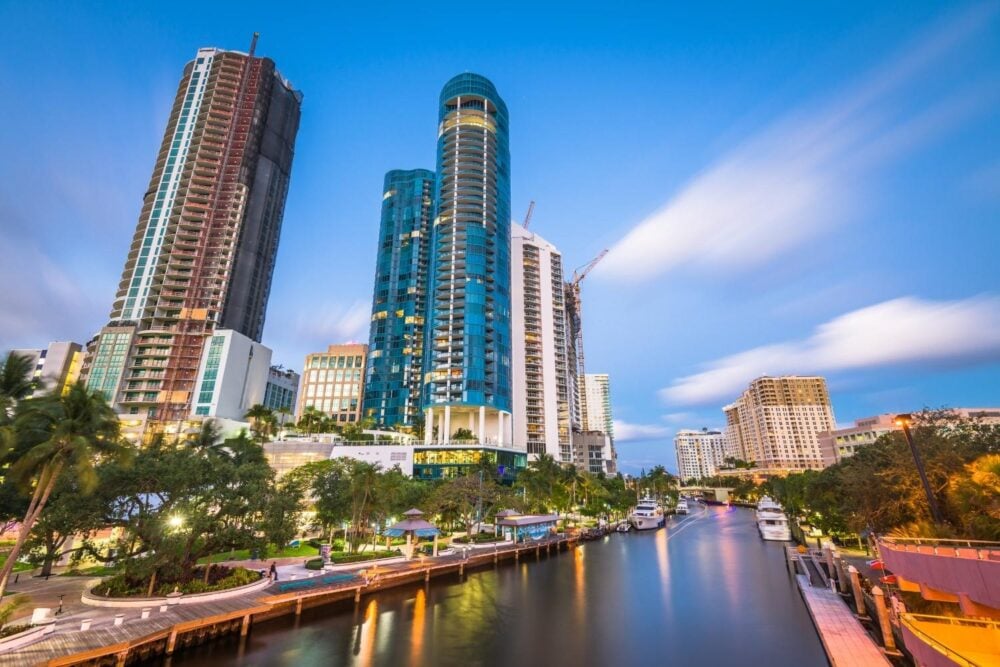
Florida continues to gain residents, particularly retirees and remote workers. Cities such as Tampa, Orlando, and parts of South Florida remain hotspots.
However, higher insurance premiums and rising home prices are changing who can afford to move there. Florida is still desirable, but affordability is no longer guaranteed.
6. Tennessee is attracting cost-conscious movers

Tennessee, including areas around Nashville and Knoxville, has become a popular alternative to pricier Southern states. Lower taxes and a growing job market help fuel interest.
Many movers see Tennessee as offering cultural amenities without the price tags of larger metros. Its central location also appeals to people relocating from multiple regions.
7. North Carolina is drawing both families and professionals
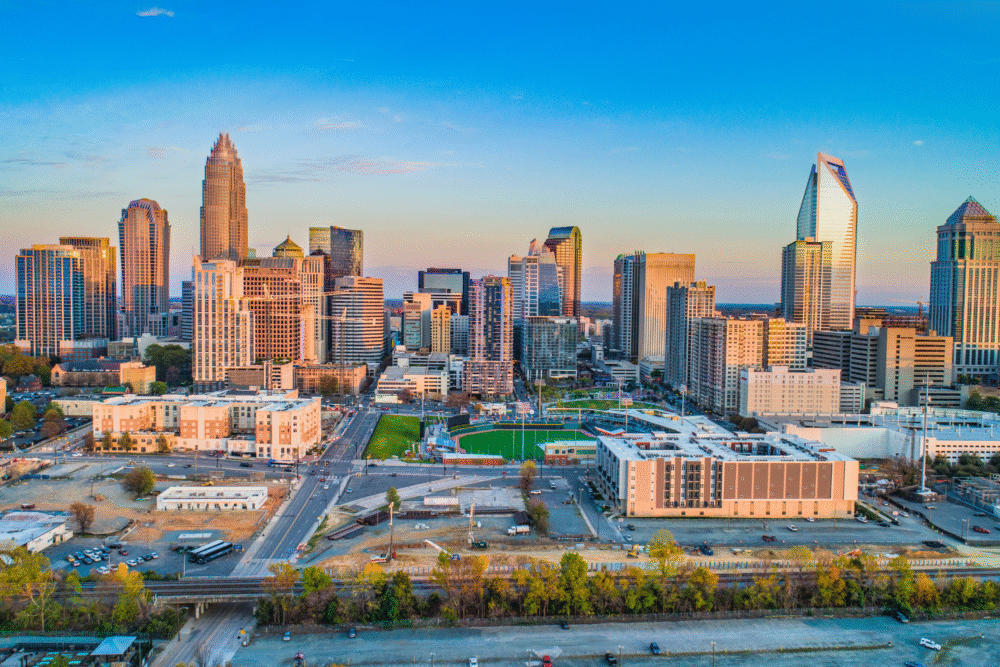
North Carolina continues to gain residents, especially in Raleigh, Durham, and Charlotte. Strong universities, healthcare systems, and job growth are key factors.
Housing costs have risen but remain more manageable than in coastal tech hubs. The state appeals to people looking for long-term stability rather than short-term savings.
8. Smaller metros are outperforming major cities

Cities like Boise, Huntsville, and Fayetteville are gaining attention as alternatives to major urban centers. These metros offer job growth, outdoor access, and lower housing costs.
Rather than moving to the biggest city in a state, many Americans are choosing secondary markets. This shift is spreading population growth more evenly across regions.
9. California and New York continue to see net losses

California and New York are still losing residents overall, even though some cities remain globally influential. High housing costs are the most cited reason for leaving.
Many former residents relocate to neighboring or Southern states. While these states still attract newcomers, the balance continues to tilt outward.
10. Midwest states are seeing selective gains

Parts of the Midwest, including Ohio and Indiana, are stabilizing or gaining residents in specific cities. Lower costs and improving infrastructure are helping reverse long declines.
These gains are uneven but meaningful. Cities that invest in housing and jobs are outperforming those that don’t.
11. Migration is clustering around housing supply

States and metros building new homes are absorbing more newcomers. Places with limited construction struggle to keep up, even if demand exists.
This explains why some desirable regions still lose residents. Without enough housing, interest alone isn’t enough to sustain growth.
12. Where people are moving shows what they value now

The concentration of movers into specific states and metros tells a clear story. Americans are prioritizing affordability, flexibility, and livability over traditional status locations.
Migration patterns aren’t random. They reflect how people are adapting to higher costs, remote work, and changing expectations about daily life—and where they believe they can build something sustainable.