
New research suggests the heart may quietly regenerate damaged cells in ways scientists once believed were impossible.
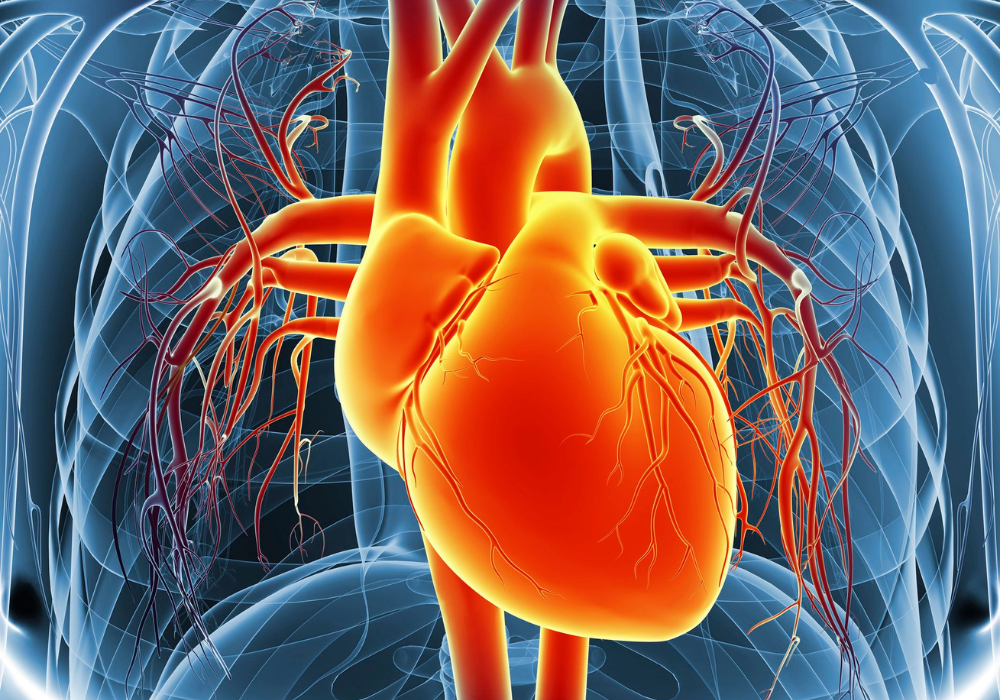
For decades, the human heart was viewed as one of the body’s least flexible organs. Once heart muscle was damaged by a heart attack or reduced blood flow, doctors believed the loss was permanent.
Treatment focused on preventing further damage, not repairing what was already lost. But new scientific evidence is forcing researchers to rethink that view, revealing that the adult human heart may have a limited but real ability to repair itself.
While the process is slow and incomplete, it challenges one of medicine’s longest-standing assumptions.
1. The heart was long considered incapable of regeneration
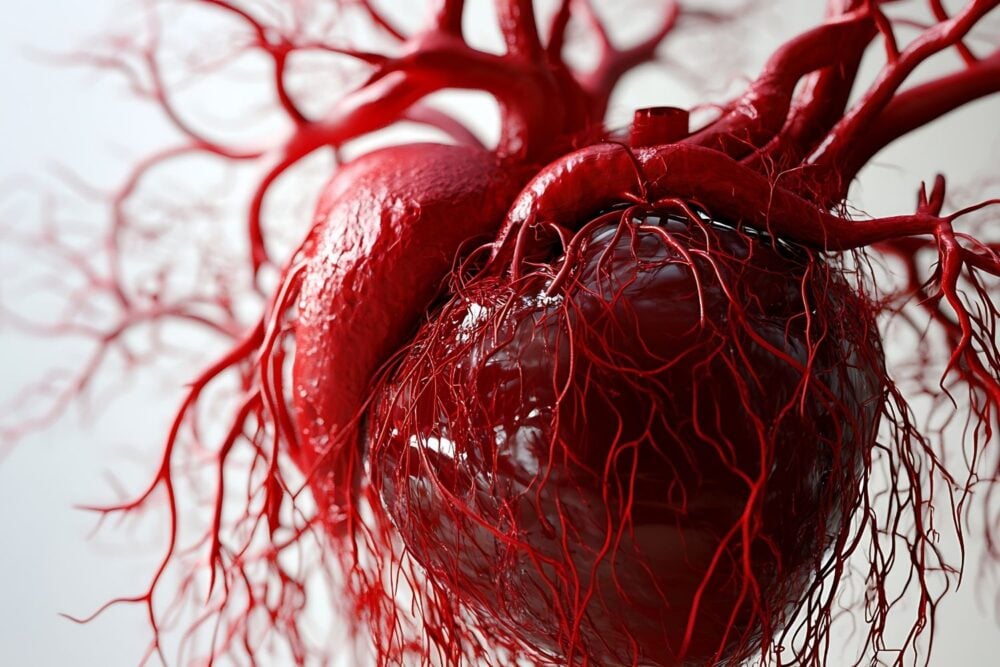
For most of modern medical history, scientists believed heart muscle cells stopped dividing shortly after birth. Any damage later in life was thought to be irreversible.
This idea shaped decades of heart-disease treatment and research. Doctors focused on managing symptoms and preventing future injury rather than restoring lost tissue. The new findings suggest that assumption may have been too rigid.
2. Researchers examined human hearts after injury

Instead of relying only on animal studies, scientists analyzed tissue from human hearts. They focused on patients who had experienced reduced blood flow or heart attacks.
This approach allowed researchers to observe what actually happens inside the adult human heart. Studying real human tissue made the results far more compelling. It reduced the chance that the findings were unique to lab animals.
3. Signs of new heart muscle cells were detected
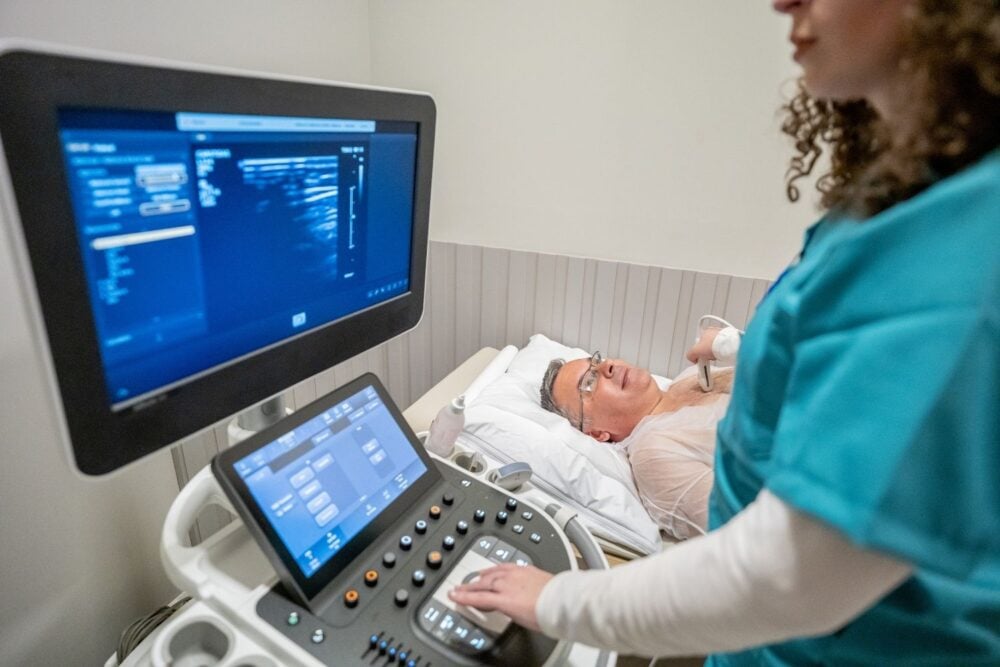
Using advanced imaging and molecular techniques, researchers found markers associated with newly formed heart muscle cells. These markers appeared after injury, not during early development.
That timing suggested the cells were newly created rather than leftovers from childhood. While the number of new cells was small, their presence was significant. It showed that regeneration, once thought impossible, may occur at low levels.
4. The regeneration process appeared slow and limited
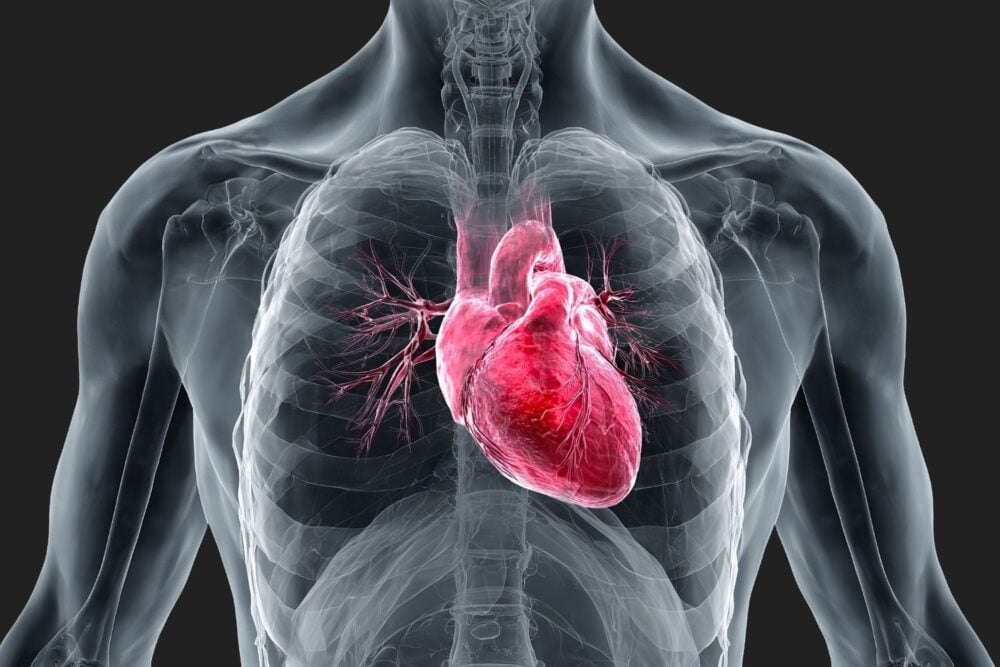
Scientists stressed that the heart does not regenerate quickly or completely. The number of new cells formed was modest compared to the amount lost during a major heart attack.
Still, even limited regeneration was surprising. It suggests the heart mays ties to rebuild itself under certain conditions. Understanding why the process is so slow has become a key focus of ongoing research.
5. Reduced blood flow seemed to trigger the response
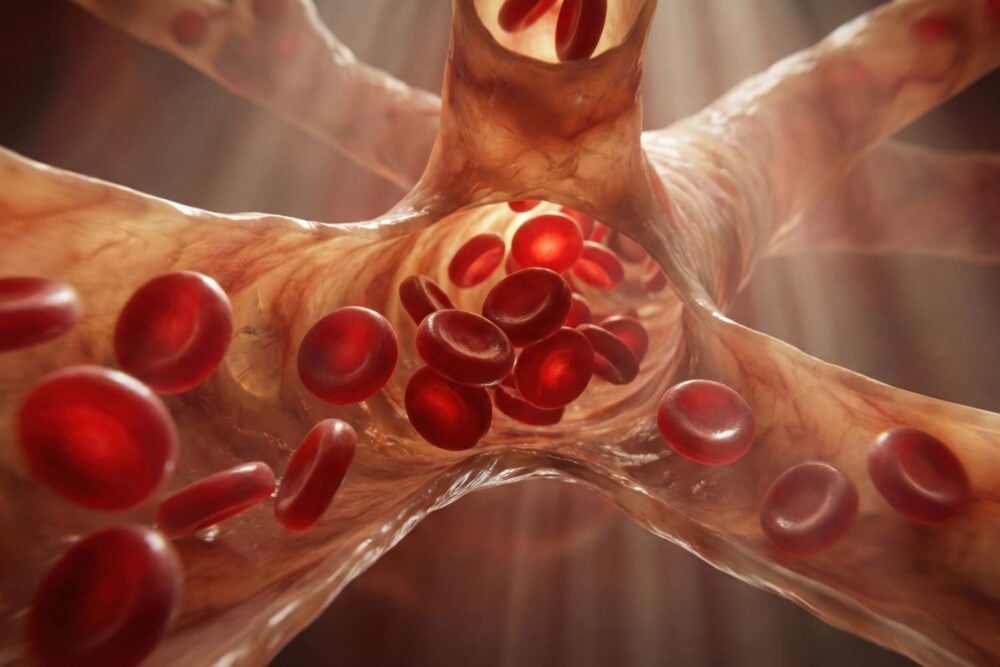
The evidence suggested that reduced oxygen and blood supply played a role in activating repair mechanisms. These stressful conditions may signal the heart to attempt limited renewal.
Rather than being a constant process, regeneration appeared tied to injury. This implies the heart has dormant capabilities that activate only under specific circumstances. Scientists are now trying to understand those signals.
6. The findings help explain past medical mysteries

Doctors have long observed that some patients recover better than expected after heart injury. Until now, there was no clear explanation.
The discovery of limited regeneration may help explain those cases. Small amounts of new muscle growth could improve heart function over time. This helps bridge the gap between clinical observations and biological evidence.
7. Scar tissue still plays a major role
Despite the discovery, scar tissue remains the dominant response to heart damage. Scar tissue helps prevent rupture but does not contract like healthy muscle.
The balance between scarring and regeneration appears critical. Too much scar tissue limits recovery, while even small amounts of new muscle can help. Understanding this balance could shape future treatments.
8. The research does not suggest hearts fully heal themselves
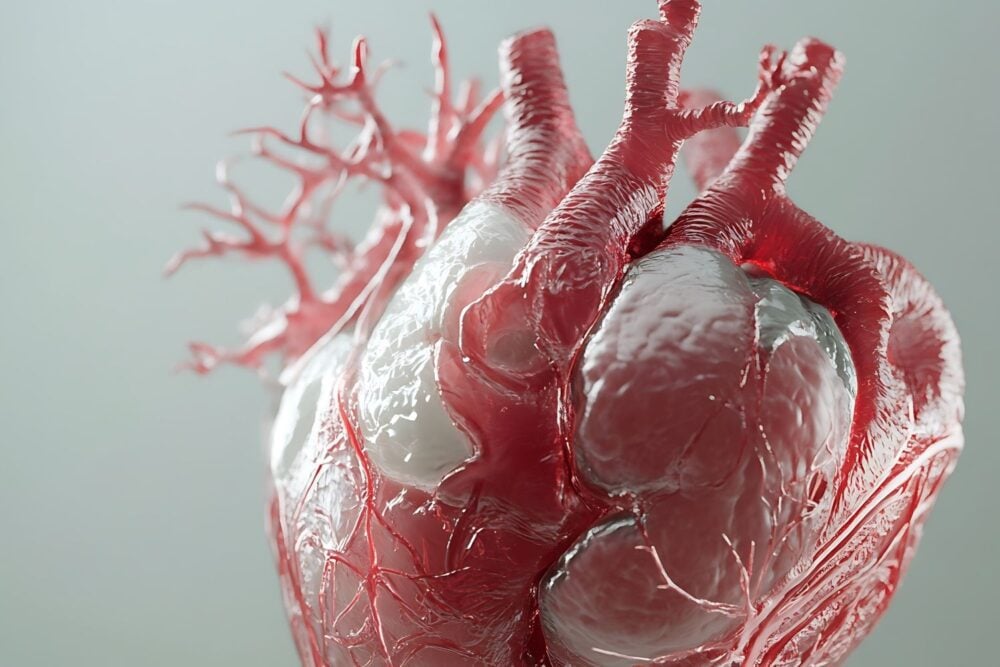
Scientists are careful to avoid overstating the results. The heart’s regenerative ability is limited and does not restore it to its original condition.
Patients with heart disease still require medical treatment and lifestyle changes. The findings don’t replace existing therapies. Instead, they add a new layer to how recovery might work.
9. The discovery opens doors for future therapies

If scientists can learn how to boost this natural repair process, new treatments could emerge. Future therapies might encourage the heart to produce more muscle cells after injury.
Researchers are now exploring how to safely activate these pathways. The goal is to improve recovery without causing harm. This represents a shift from damage control toward repair support.
10. The heart may be more resilient than once believed

Rather than being completely static, the adult heart appears capable of limited adaptation and renewal. This reframes how scientists think about aging and disease.
The discovery doesn’t change everything overnight, but it changes what’s possible. The heart may not fully heal itself—but it’s no longer seen as entirely helpless. That subtle shift could have profound implications for future medicine.