
Many everyday settings quietly gather more information than people realize, often in the background.

Smartphones, apps, and connected devices are designed to feel helpful and seamless. But that convenience often comes with a tradeoff that isn’t always obvious.
Many popular tech features collect far more data than users expect, sometimes continuously and sometimes even when the feature doesn’t seem active.
Understanding which tools gather the most information—and why—can help people make more informed choices about what they enable, adjust, or turn off entirely.
1. Location services can track more than just where you are

Location features don’t only record your position on a map. They can also infer routines, habits, and frequently visited places over time.
Even when apps aren’t open, background location access can continue collecting data. This information is often used for ads, recommendations, and analytics, not just navigation or weather.
2. Voice assistants may store more than spoken commands

Smart assistants are designed to listen for wake words, but interactions are often recorded and stored. In some cases, short audio clips are kept to improve accuracy.
These recordings can include accidental activations or background sounds. Many users don’t realize how long this data may be retained or reviewed.
3. Smart TVs collect viewing behavior in detail

Modern TVs often track what you watch, when you watch it, and how long you stay on certain content. This data can be shared with advertisers or partners.
Even when you’re using a streaming device, the TV itself may still be collecting information. Disabling tracking usually requires digging into multiple settings menus.
4. Fitness trackers monitor more than just steps

Wearables collect heart rate, sleep patterns, activity levels, and sometimes stress indicators. Over time, this creates a detailed picture of daily health habits.
Some of this data may be shared with third parties or used for research and marketing. Users often focus on the benefits without realizing how personal the data can be.
5. Browsers gather data even in private modes

Private or incognito modes limit local history storage, but they don’t stop websites, internet providers, or browsers from collecting data.
Search behavior, device information, and browsing patterns may still be logged. Many people overestimate how much privacy these modes actually provide.
6. Social media apps track activity beyond their platforms

Social apps often monitor how you interact with other websites and apps through embedded tools and trackers. This helps build detailed advertising profiles.
Even when you’re not actively scrolling, background data collection can continue. This tracking fuels targeted ads but surprises many users.
7. Email services analyze content for organization and security

Email platforms scan messages to filter spam, detect threats, and organize inboxes. In doing so, they analyze message content and metadata.
While this is usually automated, it still involves data processing that users may not think about. The convenience of smart inbox features relies on this analysis.
8. Smart home devices log daily routines

Connected lights, thermostats, and security systems record usage patterns. Over time, this data reveals when people are home, asleep, or away.
These insights help devices work better but also create sensitive records of daily life. Understanding what’s stored and where it goes is important.
9. App permissions often allow broad access by default
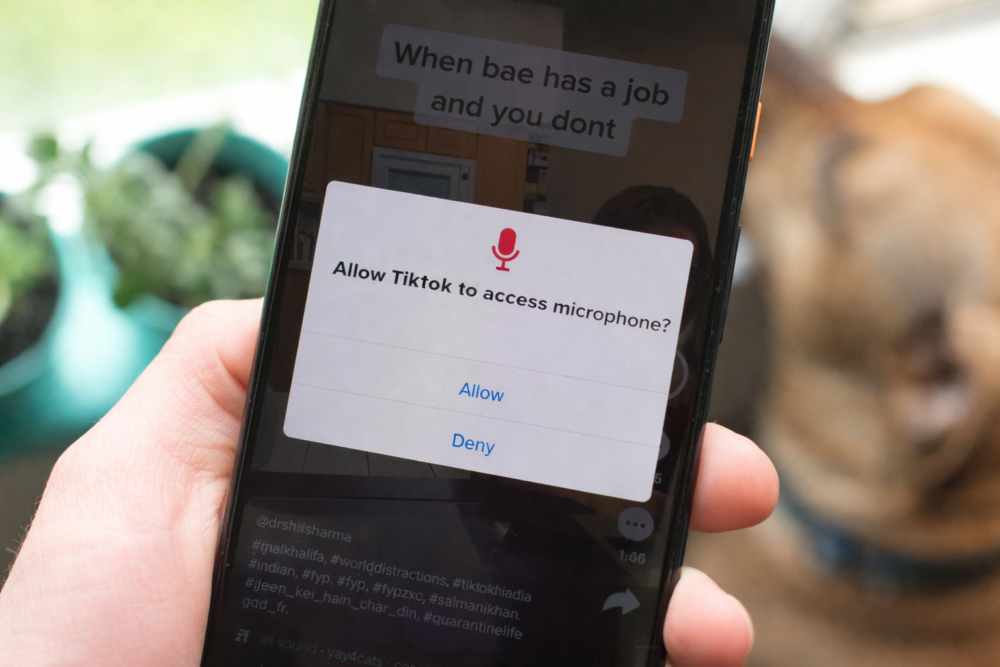
Many apps request access to contacts, photos, microphones, or cameras even when it’s not essential. Users often tap “allow” without reviewing details.
Once granted, these permissions can remain active indefinitely. Regularly reviewing and limiting permissions can significantly reduce data collection.
10. Cloud backups store more than just files

Automatic backups save photos, messages, settings, and app data to remote servers. This creates a detailed digital archive of personal life.
While backups are convenient, users may not realize how much information is stored long-term. Managing backup settings helps control what’s preserved.
11. Most data collection is legal—but not always obvious

Much of this data gathering happens with user consent, buried in terms and settings. That makes it easy to miss what’s actually being collected.
Awareness is the first step toward control. Small changes in settings can reduce unnecessary data sharing without giving up the features people rely on every day.