
Strange chemical clues inside a rare space rock suggest the early solar system may have formed in a messier way than expected.

For a long time, scientists thought they had a solid understanding of how the solar system formed. According to this view, everything began as a giant cloud of gas and dust that mixed together before forming the Sun, planets, and smaller objects.
Meteorites are especially important because many of them formed during that early period and still carry chemical clues from it. When researchers closely studied one rare meteorite, they found unusual chemical signals that didn’t fit the standard story.
Instead of confirming what scientists expected, the rock raised new questions about how the solar system really came together.
1. Meteorites are like history books from space
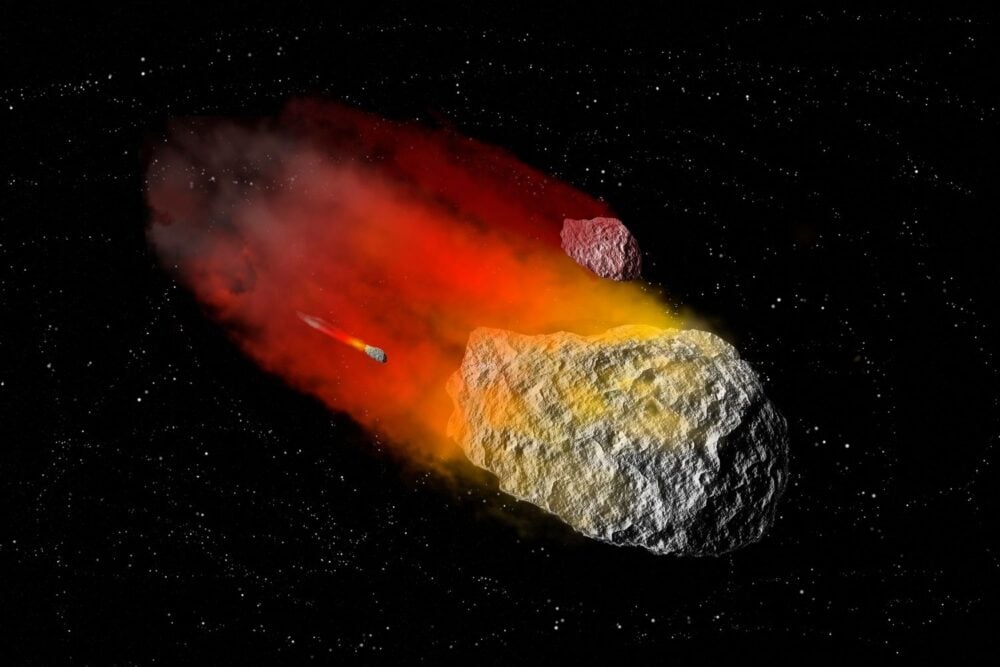
Meteorites formed more than 4.5 billion years ago, around the same time as the planets. Many have changed very little since then. That makes them valuable records of the early solar system. By studying them, scientists can learn what conditions were like long before Earth existed.
2. Scientists use isotopes to read those clues
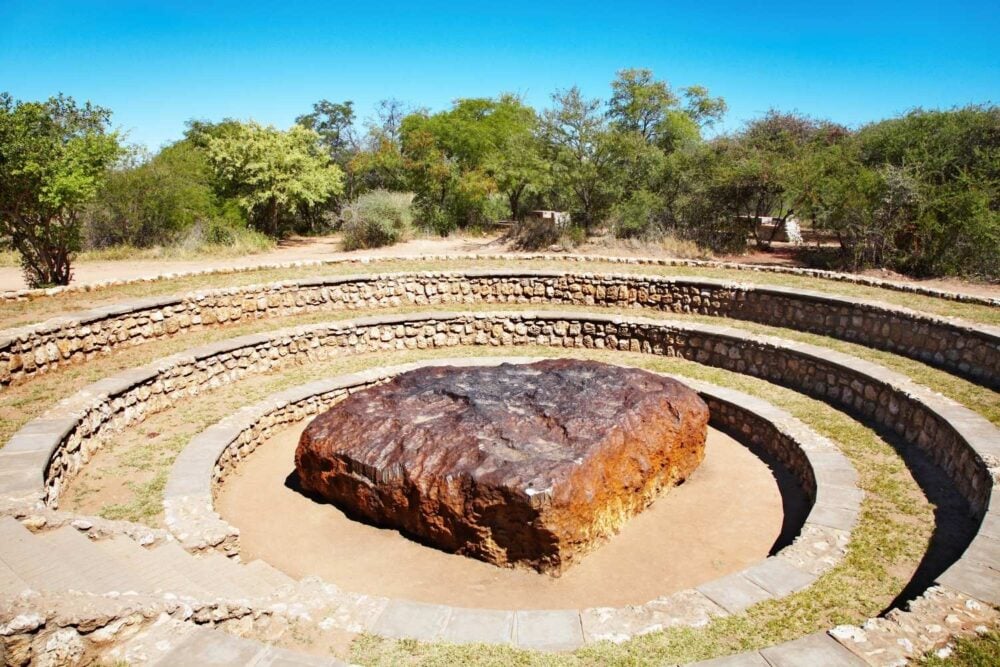
Isotopes are slightly different versions of the same element. Some are heavier or lighter depending on how many neutrons they contain. The mix of isotopes inside a rock can reveal where and when that material formed. Scientists expect certain isotope patterns if everything mixed together evenly at the beginning.
3. This meteorite showed unexpected isotope patterns
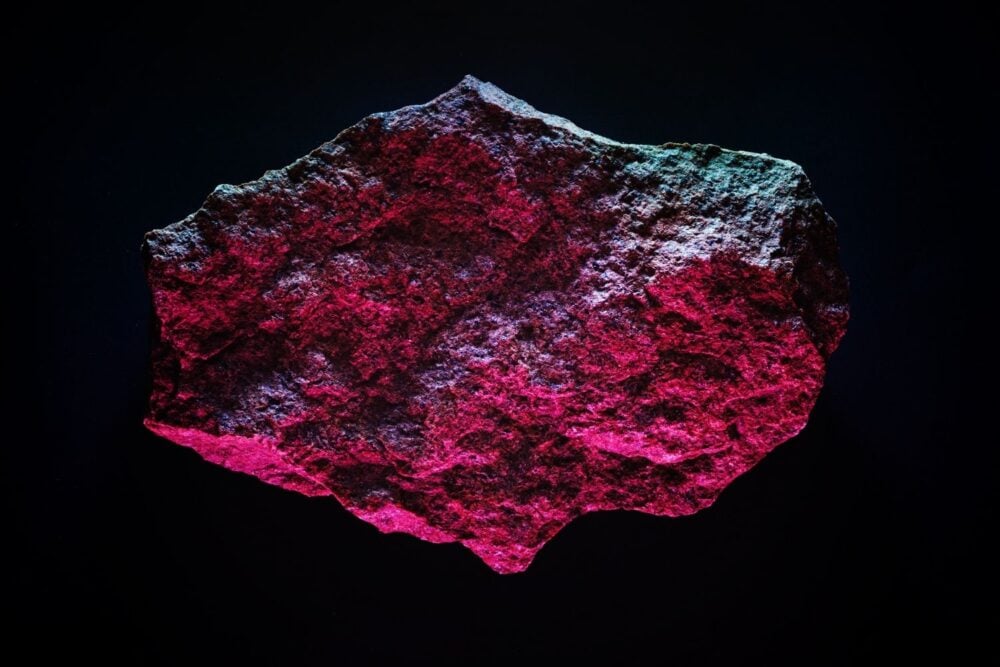
When researchers measured the isotopes in this meteorite, the results stood out. The numbers didn’t match what scientists usually see in similar space rocks. The differences were small but consistent. That told researchers the results were real and not caused by mistakes or contamination.
4. The rock suggests early material didn’t fully mix
Most models assume the early solar system blended together smoothly. This meteorite suggests that may not have happened everywhere. Some material appears to have stayed separate instead of mixing completely. That challenges a basic idea about how the solar system formed.
5. Some material may be older than the Sun
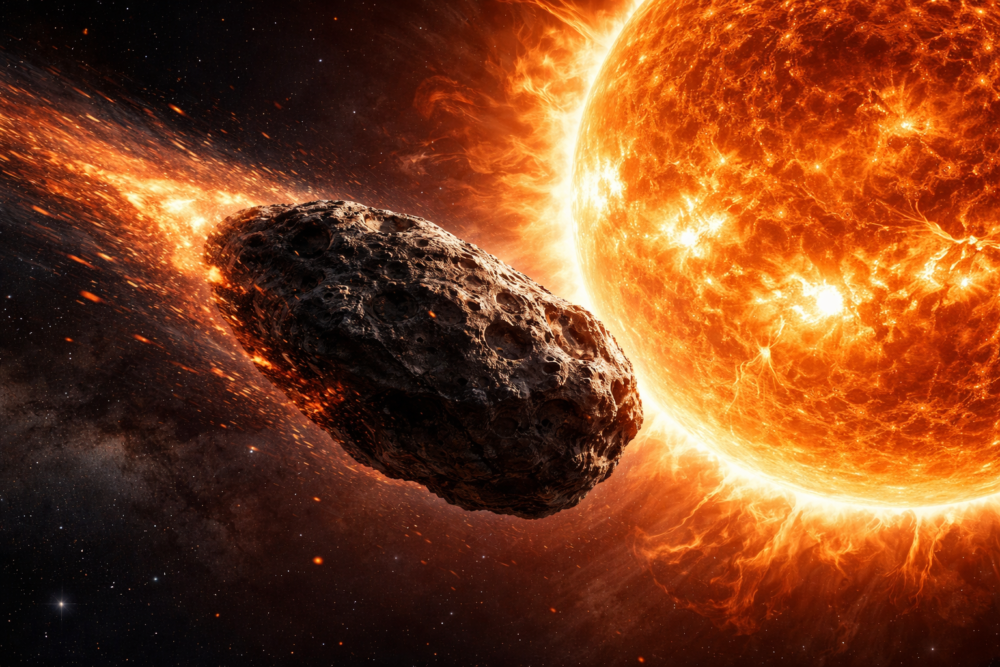
Parts of the meteorite appear to contain grains that formed around ancient stars before the Sun existed. Scientists already knew some meteorites contained this “presolar” material. What surprised them was how much of it appeared in this sample. That means some ancient material survived longer than expected.
6. The meteorite didn’t fit known categories
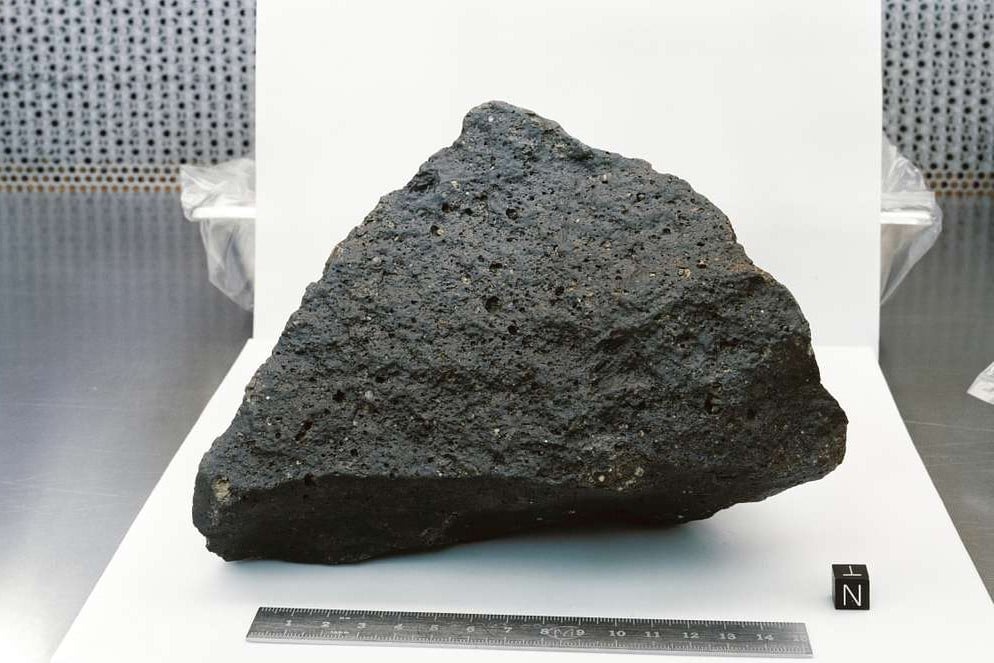
Most meteorites fall into clear groups with similar chemical traits. This one didn’t match any group very well. Its unusual makeup suggests it formed in a different environment. That hints that scientists may be missing important pieces of the early solar system’s history.
7. Scientists questioned whether it was a one-off
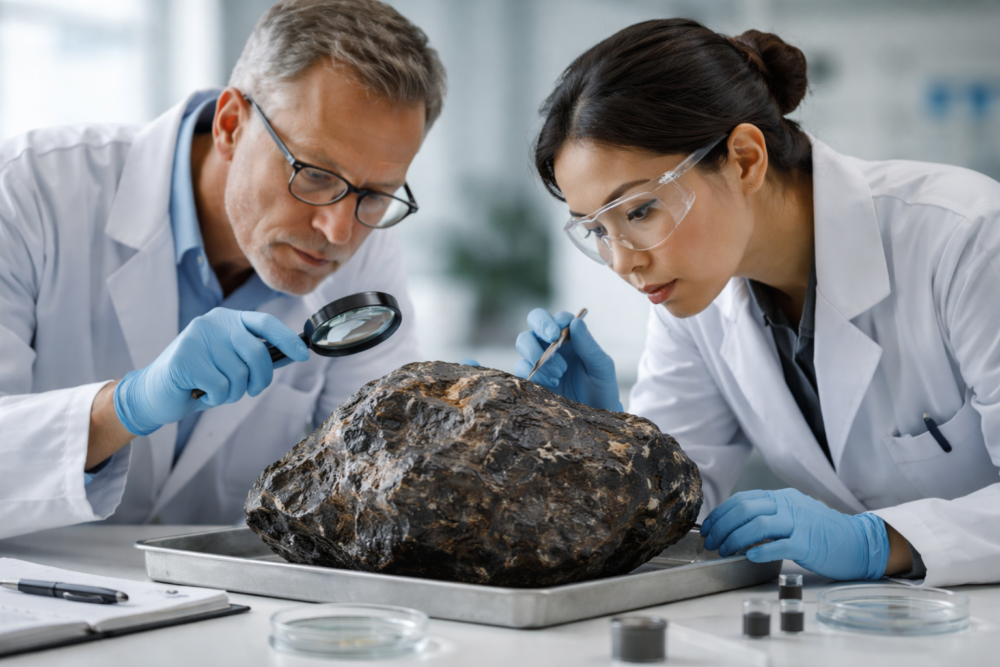
At first, some researchers wondered if this meteorite was just an odd exception. Rare samples can sometimes be misleading. To be sure, scientists repeated their tests and compared the results to other meteorites. The strange isotope patterns kept showing up.
8. The findings point to separate regions in the early solar system
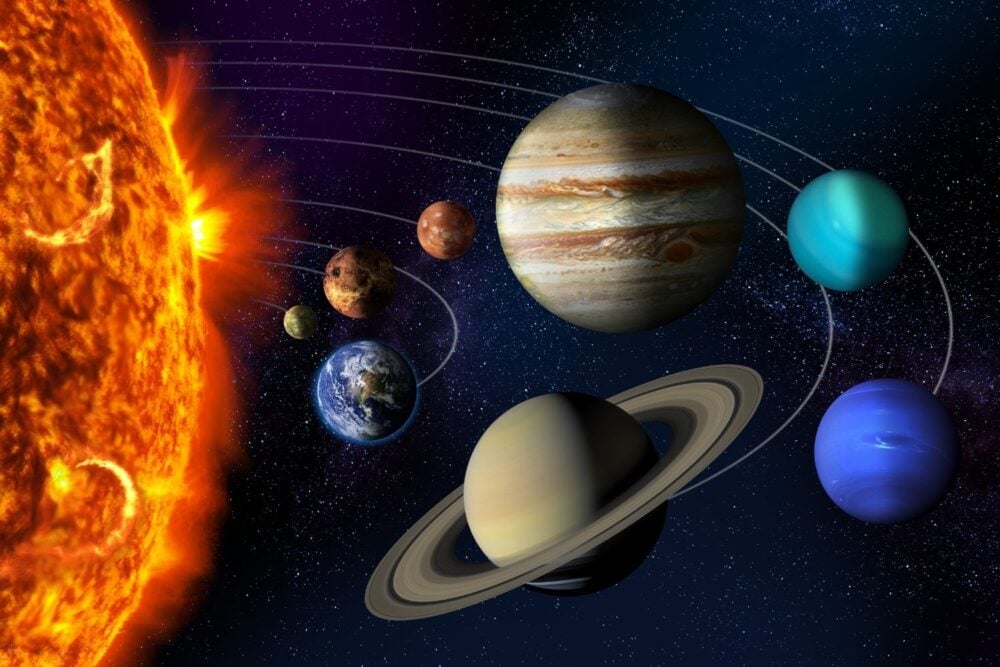
Instead of one evenly mixed disk, the early solar system may have had different regions with their own materials. These regions could have stayed separate for a long time before partially combining. The meteorite may come from one of those isolated regions. That idea adds complexity to how planets formed.
9. Planet formation may have been uneven
If planets formed from different mixtures of material, that could explain why Earth, Mars, and other planets are chemically different. The meteorite supports the idea that those differences began very early. Planet building may have been less orderly than scientists once believed.
10. The discovery doesn’t erase old theories
Researchers are careful to say this finding doesn’t throw out everything scientists know. The main ideas about solar system formation still work. But the details may need adjustment. The early solar system may have been more chaotic than models once suggested.
11. Better technology made the discovery possible
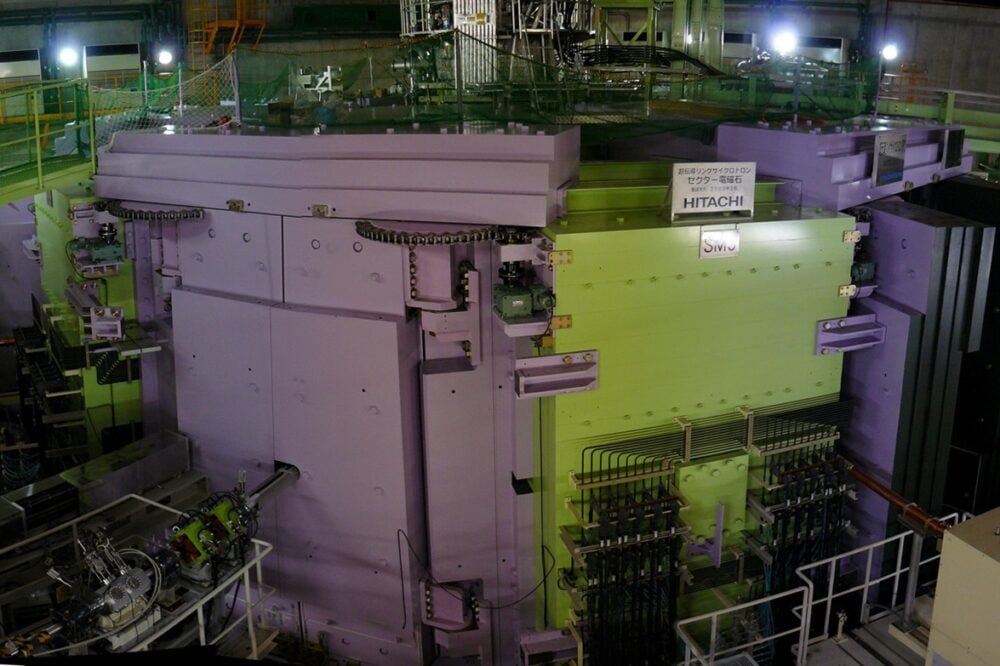
New instruments can measure extremely tiny differences in isotopes. Older tools likely would have missed these clues. As technology improves, scientists expect to find more surprises like this. Other meteorites may contain hidden information that hasn’t been detected yet.
12. The story of our solar system is still evolving
This meteorite doesn’t provide a final answer. Instead, it adds another piece to a much larger puzzle. Each new discovery helps scientists refine their understanding. The origin of the solar system may turn out to be more complex—and more interesting—than anyone first imagined.