
Advanced imaging and large-scale analysis revealed that a familiar brain structure plays a far broader role than scientists once assumed.
For decades, neuroscientists believed they had a reliable map of the brain and a clear understanding of what its major regions do. But recent work led by researchers at the Allen Institute for Brain Science suggests that some well-known brain structures may be far more versatile than textbooks imply.
Using high-resolution imaging, massive neural datasets, and machine-learning analysis, scientists identified patterns of activity that had been largely overlooked. Rather than uncovering a brand-new structure, the research revealed a hidden layer of function embedded within the brain’s existing architecture.
1. Scientists focused on function, not anatomy
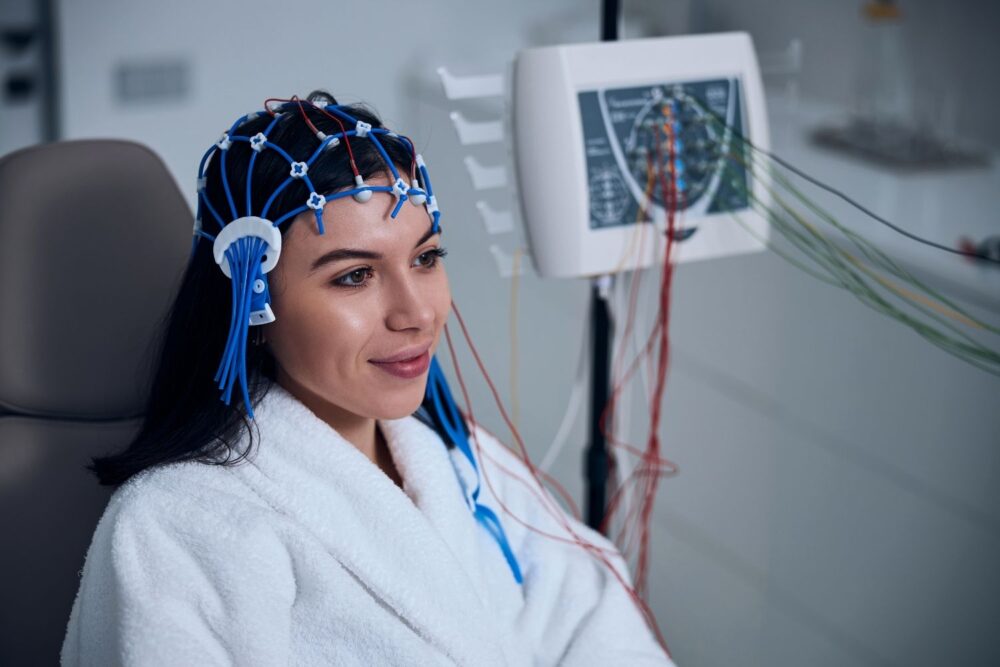
The research did not identify a new physical brain structure. Instead, it showed that a familiar region participates in far more processes than previously recognized. By examining how activity changed across tasks, scientists saw the same area supporting perception, decision-making, and internal thought depending on context. This functional flexibility challenged long-standing assumptions about rigid brain specialization.
2. New tools made subtle activity visible
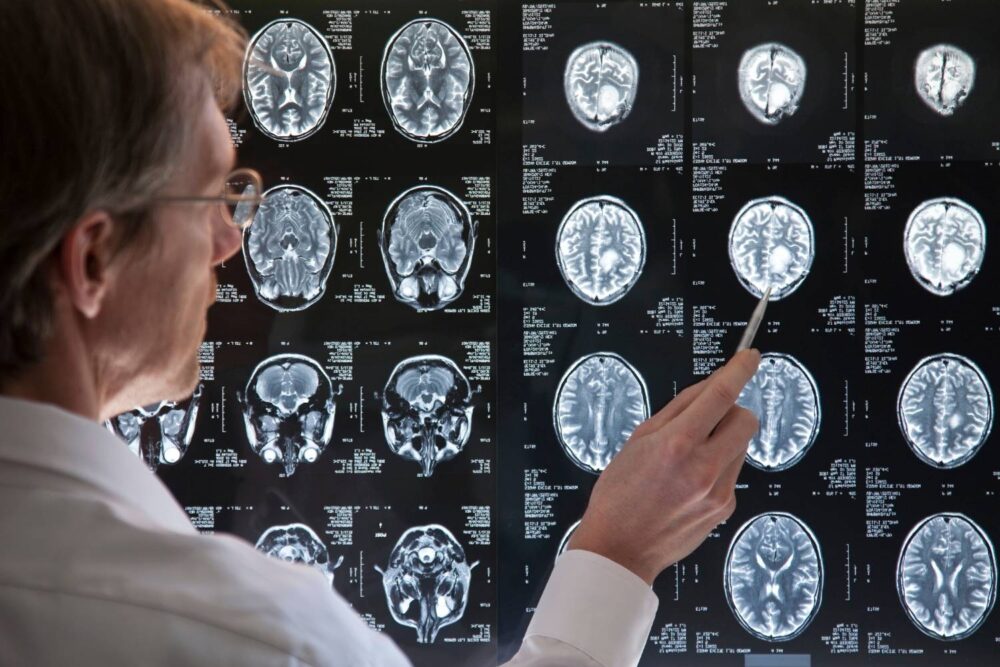
Earlier studies were limited by imaging resolution and data volume. With newer techniques, researchers could record activity from thousands of neurons simultaneously across longer time periods. This made it possible to detect coordinated patterns that once appeared as background noise. What seemed insignificant before turned out to be part of an organized communication system.
3. The “overlooked feature” was hiding in plain sight
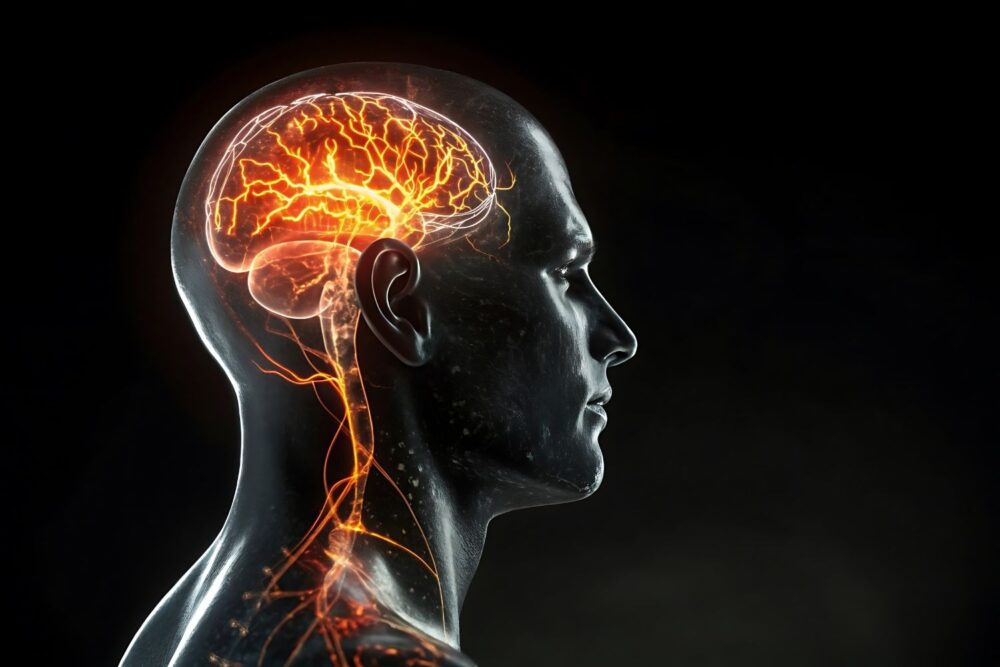
The brain region involved had been studied for decades, but usually in isolation or during narrow tasks. Researchers realized it wasn’t limited to one role, as traditional models suggested. Instead, it acted as a quiet hub, helping different brain networks exchange information. Its importance had been underestimated rather than ignored outright.
4. Brain networks proved more flexible than expected
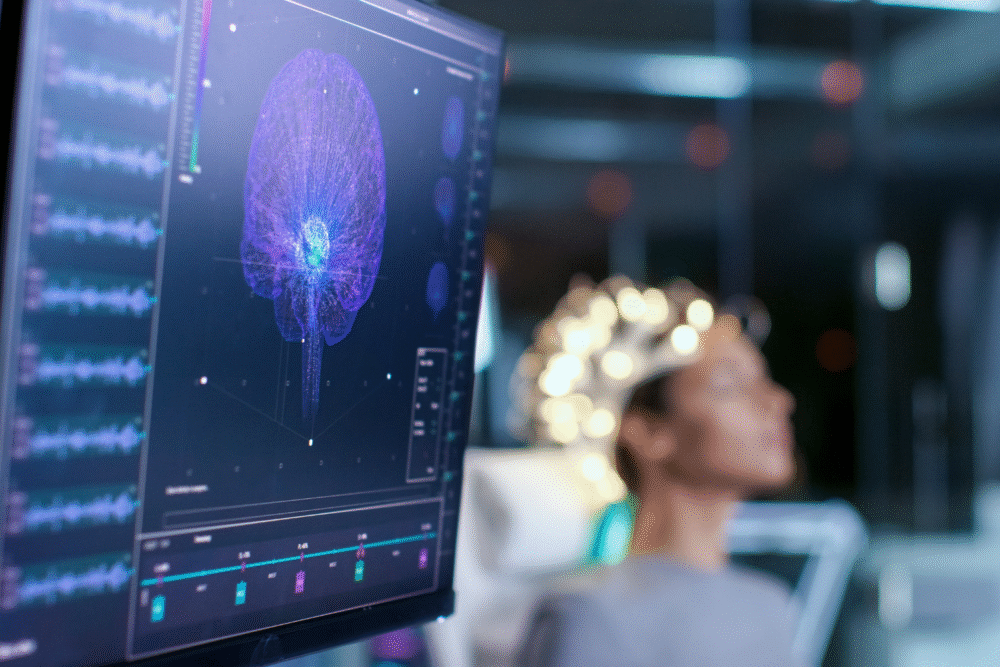
The findings showed that brain regions can rapidly shift roles based on mental demands. Rather than acting like fixed modules, areas of the brain behaved more like adaptable team players. This flexibility helps explain how humans can switch quickly between thinking, feeling, remembering, and planning. It also suggests the brain prioritizes efficiency over strict specialization.
5. The findings reshaped how scientists interpret brain scans

Traditional imaging methods often average brain activity, smoothing out short-lived but meaningful signals. The new analysis captured brief bursts of coordination that older approaches missed. This helped explain why earlier studies sometimes failed to agree with one another. Researchers are now reconsidering how much information may be hidden in averaged data.
6. Learning and memory may rely on shared circuitry

The overlooked feature appeared active during learning, memory formation, and decision-making. This suggests the brain reuses circuits rather than creating separate systems for each task. Such reuse would save energy and speed up processing. It also blurs the line between cognitive functions once thought to be distinct.
7. The discovery helps explain past contradictions
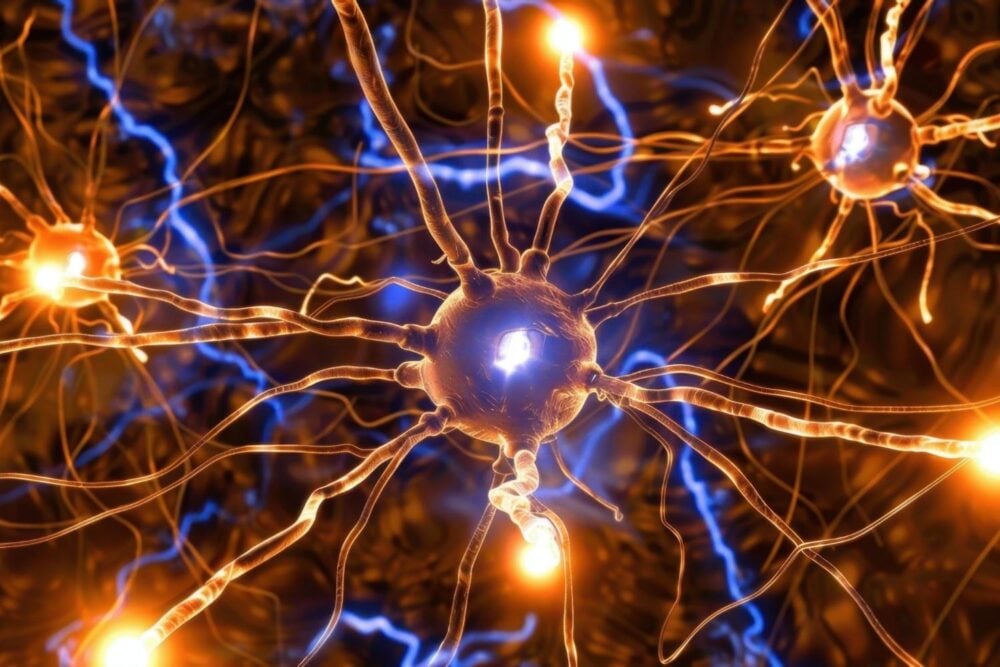
For years, some brain studies produced puzzling or conflicting results. The new findings suggest those inconsistencies may reflect the brain doing different things at different times with the same hardware. Researchers may have been observing valid activity but interpreting it too narrowly. The broader framework helps reconcile those earlier disagreements.
8. The research has implications for brain disorders

If one region supports many functions, disruptions there could cause diverse symptoms. This may help explain why some neurological and psychiatric conditions affect thinking, emotion, and behavior simultaneously. It also suggests treatments targeting network function, rather than single symptoms, could be more effective. The findings offer a new lens for understanding complex disorders.
9. Artificial intelligence played a key role
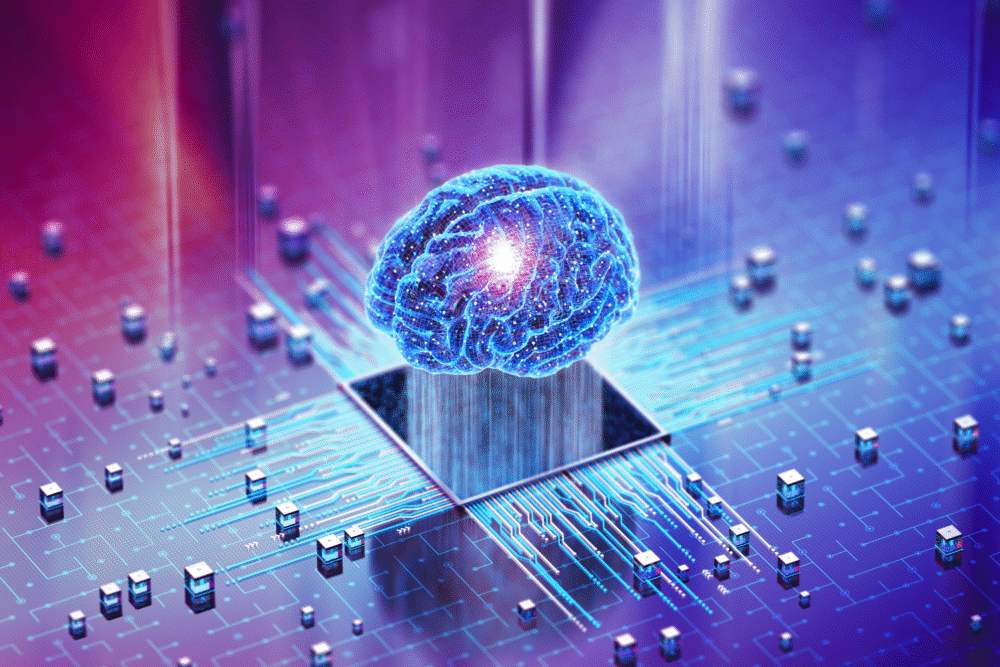
Machine-learning systems helped identify patterns too subtle for humans to detect manually. By processing enormous datasets, AI revealed relationships between neurons across time and conditions. This approach allowed researchers to move beyond simple cause-and-effect models. AI is increasingly becoming essential for interpreting the brain’s complexity.
10. The findings don’t overturn brain science, but refine it

Researchers emphasized that decades of neuroscience remain valid. The discovery adds nuance rather than contradiction. The brain’s basic map still applies, but its internal dynamics are more interconnected than once believed. This refinement reflects how science often advances—by deepening understanding, not erasing past work.
11. Researchers expect more “hidden” functions to emerge
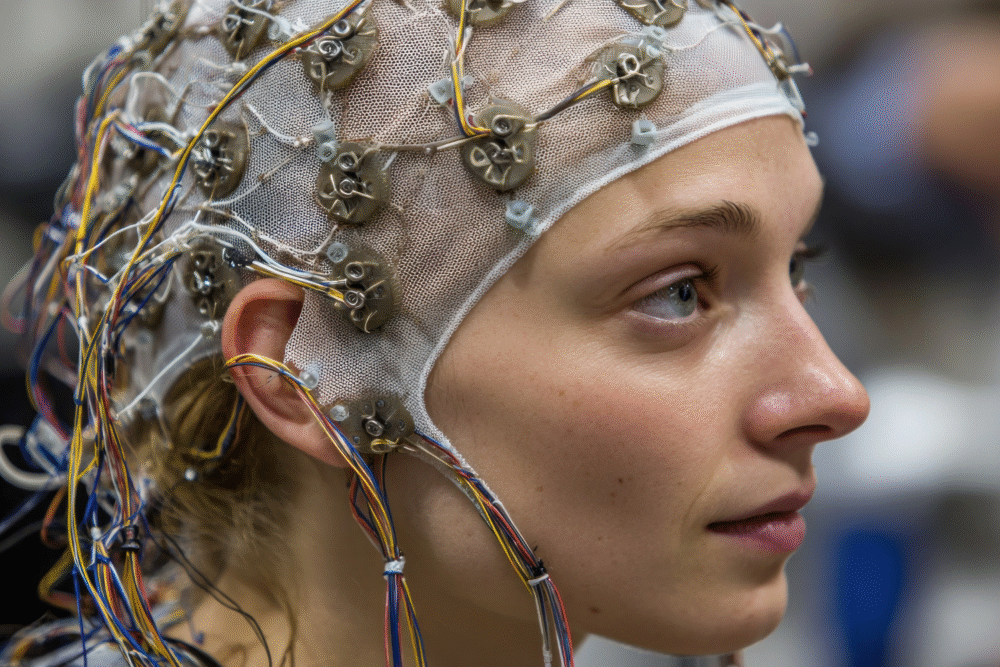
As imaging tools and data analysis continue to improve, scientists expect similar discoveries elsewhere in the brain. Familiar structures may reveal unexpected roles when examined at finer scales. Rather than reaching the limits of understanding, neuroscience appears to be entering a phase of reinterpretation. Old structures are yielding new insights about how the brain truly works.