
New dating, carvings, and site analysis suggested organized societies may have emerged far earlier than once believed.
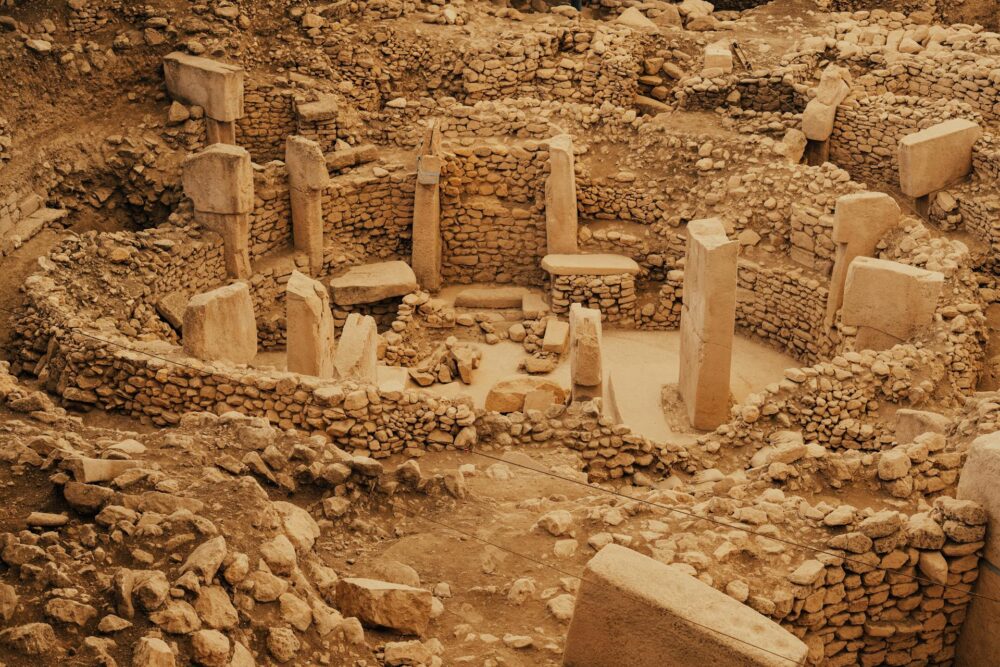
For decades, archaeologists believed large monuments were built only after humans settled into farming communities. Göbekli Tepe disrupted that assumption almost from the moment it was excavated.
Located in southeastern Turkey, the site predates Stonehenge by thousands of years and was constructed by people long thought to be simple hunter-gatherers.
As new evidence emerged from ongoing research, archaeologists were forced to reconsider when complex social organization, ritual behavior, and large-scale construction truly began in human history.
1. Göbekli Tepe appeared long before farming societies were thought possible
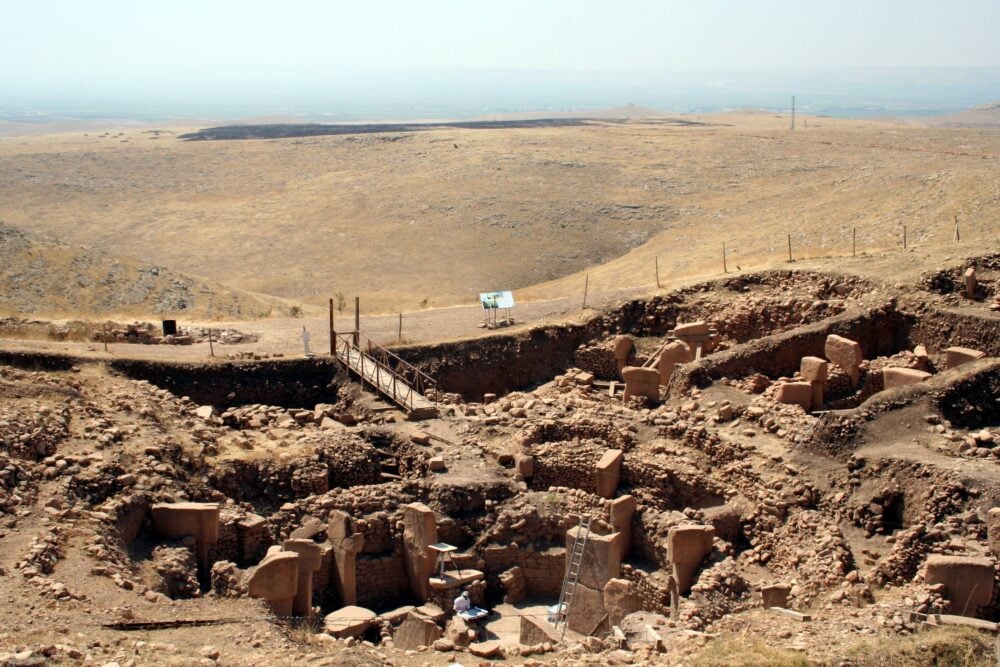
Radiocarbon dating placed Göbekli Tepe at around 9600 BCE, a time when humans were believed to live in small, mobile groups. According to traditional models, such societies lacked the surplus food and hierarchy needed to organize major construction projects. The site’s age alone challenged the long-held idea that agriculture came first and monumental architecture followed.
2. Massive stone pillars suggested organized labor
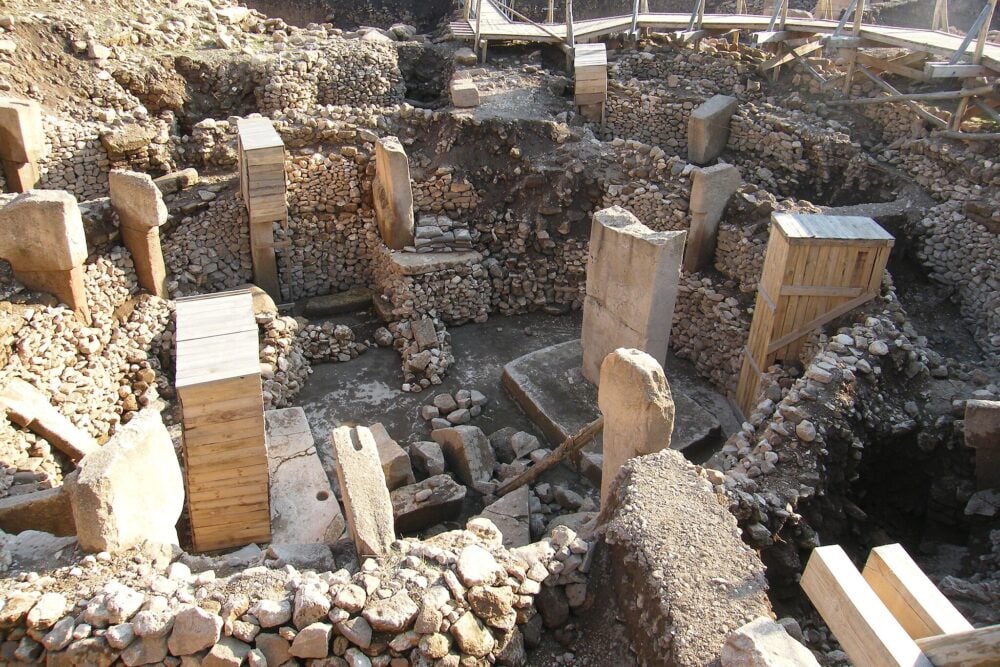
The site contains enormous T-shaped limestone pillars, some weighing more than 10 tons. Quarrying, transporting, and carving stones of that size would have required planning, cooperation, and leadership. This level of coordination implied social structures far more complex than archaeologists once attributed to hunter-gatherer groups.
3. Intricate carvings hinted at symbolic thinking
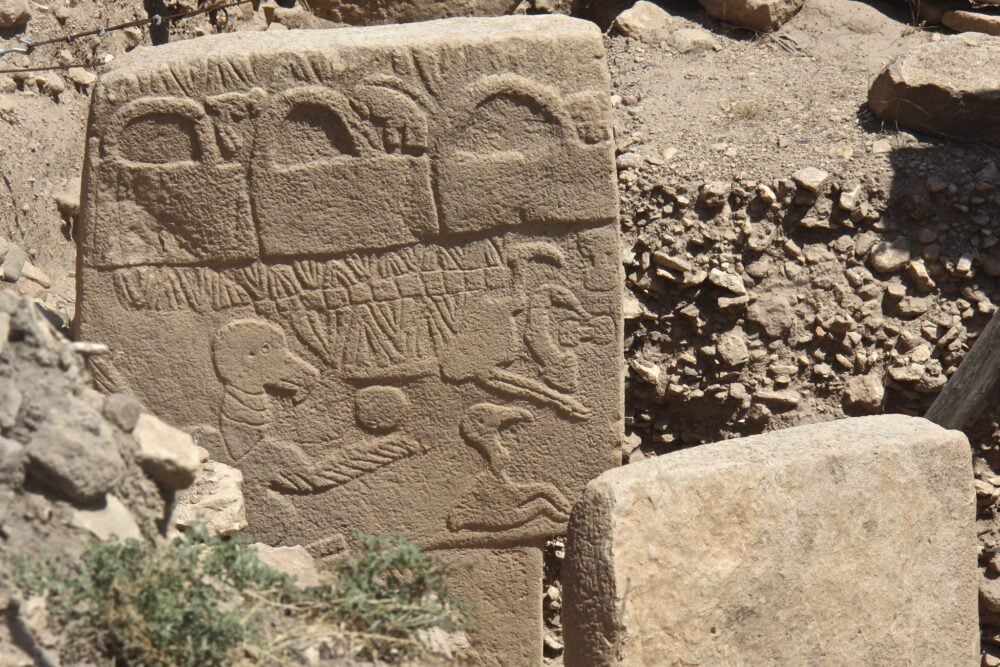
Many of the pillars are decorated with detailed reliefs of animals, abstract symbols, and humanoid forms. These carvings appear intentional and symbolic rather than purely decorative. Their presence suggested shared beliefs or ritual practices, pointing to a level of cultural sophistication previously associated only with later civilizations.
4. The site lacked clear evidence of permanent habitation

Excavations revealed little sign of long-term domestic life, such as hearths, homes, or everyday tools. This suggested Göbekli Tepe was not a settlement but a gathering place. Archaeologists began to consider that ritual or religious activity may have driven people to come together before agriculture took hold.
5. The structures appeared to have been deliberately buried
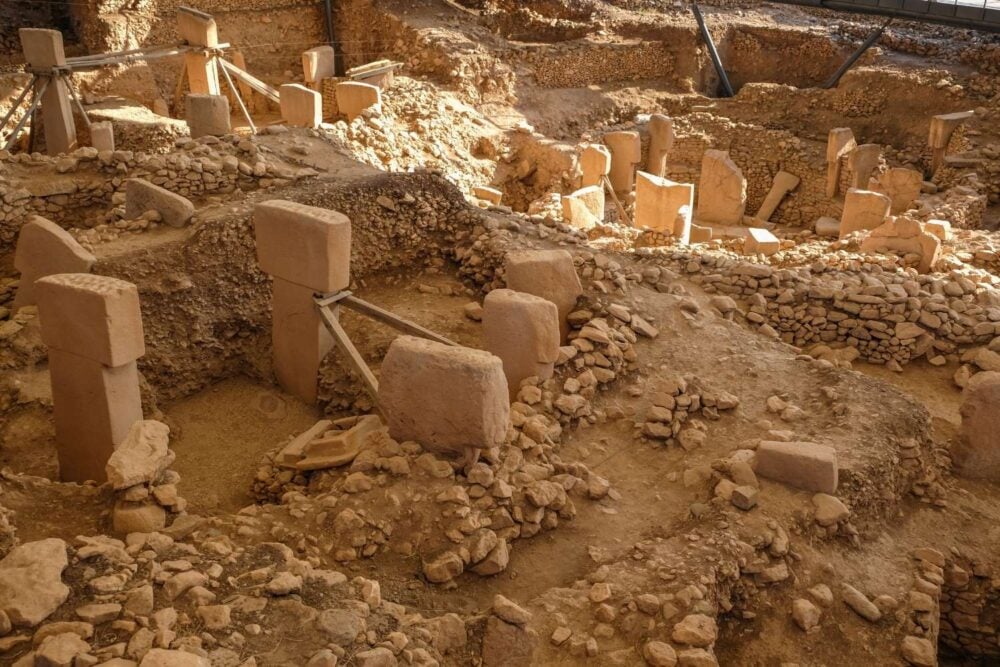
One of the most puzzling findings was that the stone enclosures were intentionally filled in with debris. This did not look like abandonment or collapse. Instead, it suggested a purposeful act, raising questions about changing beliefs, rituals, or social organization over time.
6. The site challenged the idea that religion followed agriculture

Before Göbekli Tepe, many researchers believed organized religion emerged after farming stabilized societies. The evidence suggested the opposite might be true. Some archaeologists proposed that shared rituals and belief systems may have helped bring people together, eventually encouraging the development of agriculture itself.
7. Nearby discoveries supported a broader cultural landscape
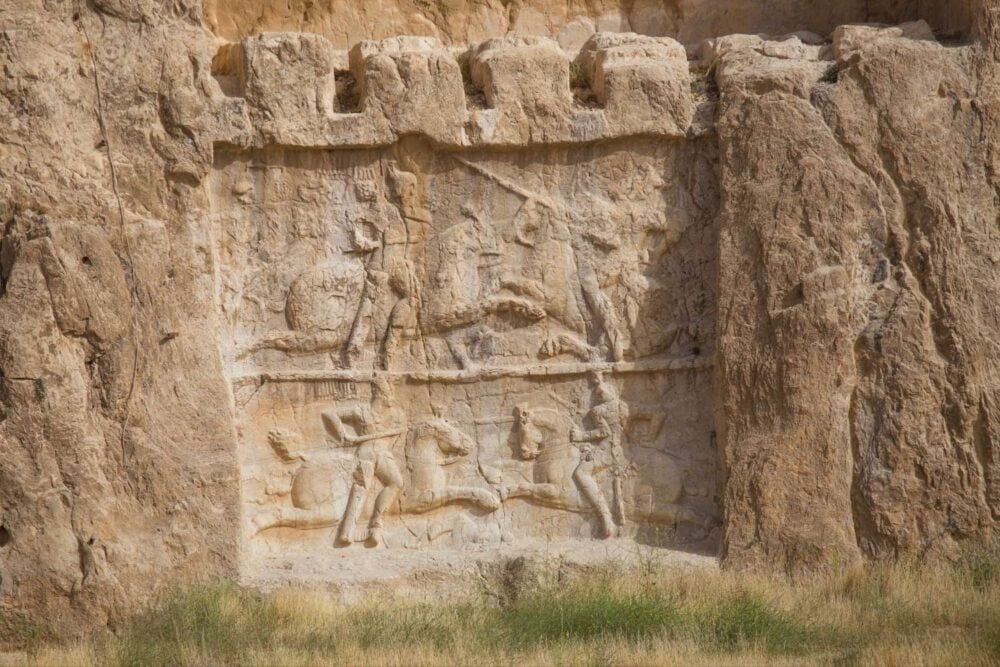
Other sites in the region showed similar architectural features and symbolism, though on a smaller scale. This indicated Göbekli Tepe was not an isolated anomaly but part of a wider cultural network. Early societies in the region may have shared ideas, traditions, and labor across large distances.
8. The findings reshaped theories about social complexity
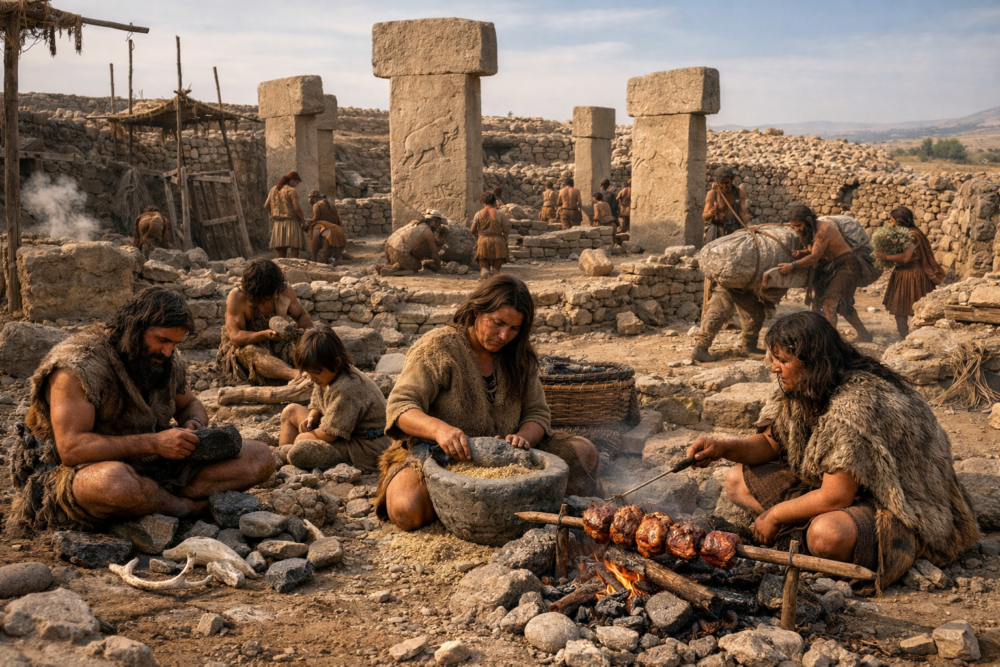
Rather than viewing early humans as progressing in a simple, linear path, archaeologists began emphasizing experimentation and diversity. Göbekli Tepe suggested that complex social behavior could emerge under different conditions, driven by culture and belief rather than farming alone.
9. Some researchers urged caution in rewriting history
Not all archaeologists agreed on the implications. Critics argued that while the site was extraordinary, it might represent a unique case rather than a global pattern. The debate highlighted how new discoveries can expand theories without fully replacing older models.
10. Göbekli Tepe changed how early civilization is taught
Textbooks, museums, and documentaries began adjusting how they describe humanity’s transition from foraging to settled life. Instead of a single sequence, the story became more flexible, acknowledging that monument building, ritual, and social organization may have emerged earlier and in unexpected ways.
11. The site remains only partially excavated
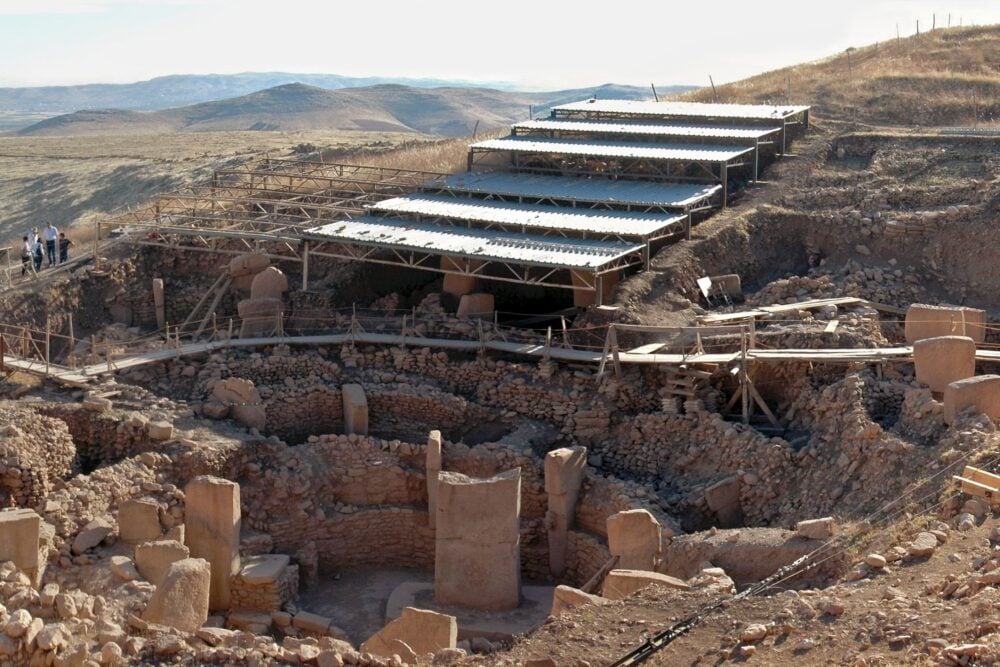
Much of Göbekli Tepe still lies underground, leaving open the possibility of further surprises. Each new excavation season adds detail to an already complex picture. Rather than closing the case, Göbekli Tepe continues to shape how archaeologists think about the deep origins of civilization and what early humans were capable of achieving.