
Early observations revealed galaxies, stars, and atmospheres that appeared far older and more complex than models predicted.
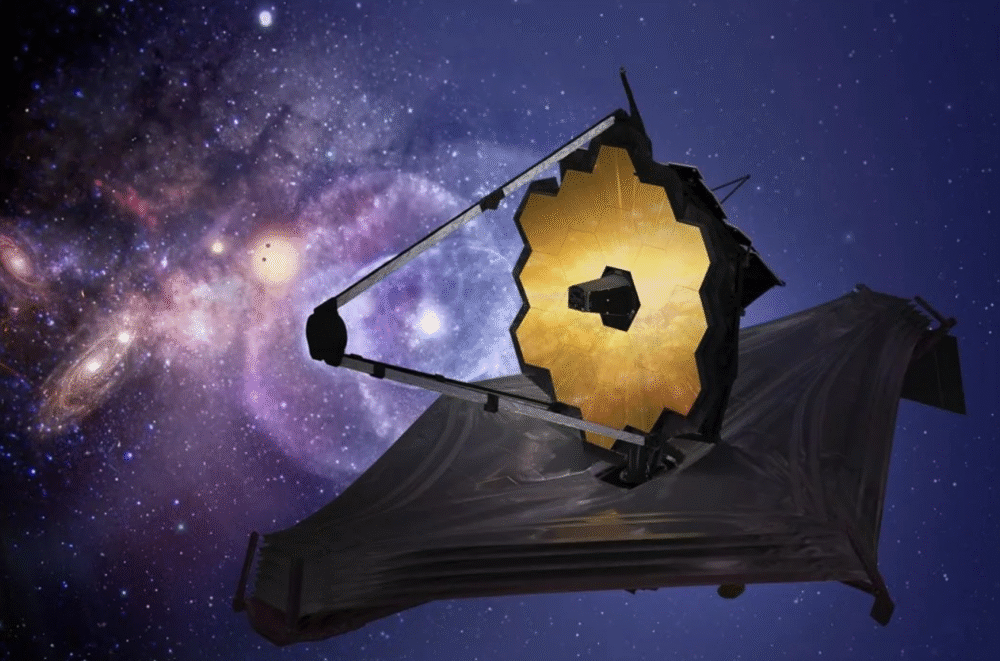
Humanity’s most powerful space telescope was designed to answer long-standing questions about the universe, but its first images raised even more. When the James Webb Space Telescope began sending back data, astronomers expected refinement of existing theories, not surprises that challenged them.
Instead, Webb revealed galaxies forming earlier than anticipated, stars evolving rapidly, and chemical signatures that hinted at unexpected complexity.
Rather than overturning astronomy, the findings forced scientists to confront how incomplete their models of the early universe may still be, even decades into modern cosmology.
1. Webb’s first deep-field image showed galaxies forming astonishingly early
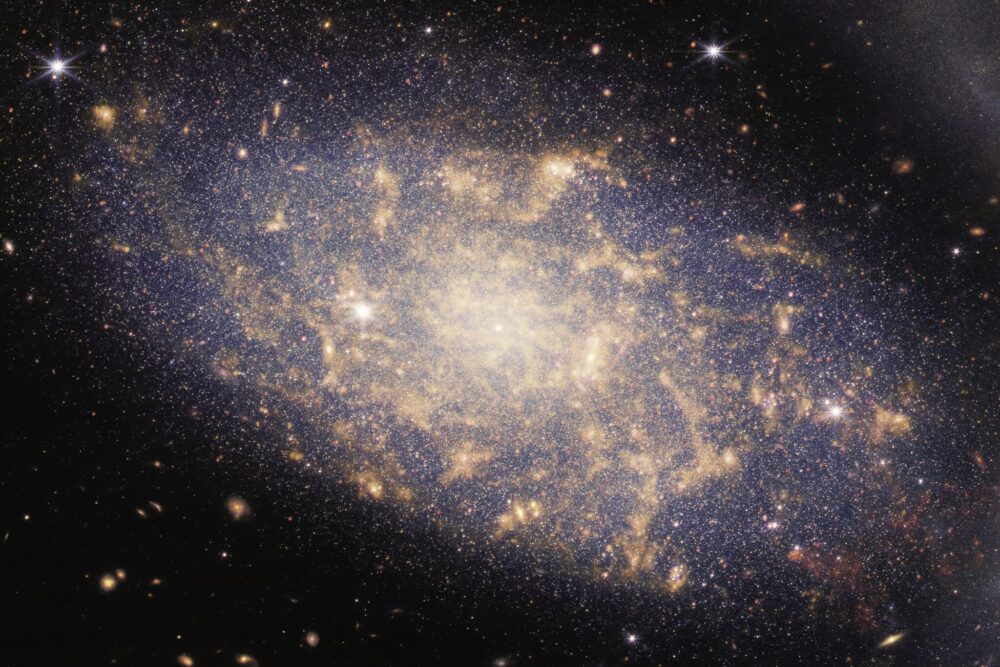
One of Webb’s earliest images revealed massive, well-structured galaxies existing just a few hundred million years after the Big Bang. According to prevailing models, galaxies that large should not have had enough time to form. Their apparent maturity raised immediate questions about how quickly matter organized itself after cosmic dawn and whether current timelines underestimate the speed of early galaxy growth.
2. Some galaxies appeared too massive for their age

Astronomers expected to see small, irregular galaxies in the early universe, gradually growing larger over time. Instead, Webb detected galaxies that seemed surprisingly dense and massive. While later analysis suggested some mass estimates may have been overstated, the observations still hinted that early galaxies may have assembled faster or more efficiently than simulations predicted.
3. The telescope revealed unexpected chemical complexity
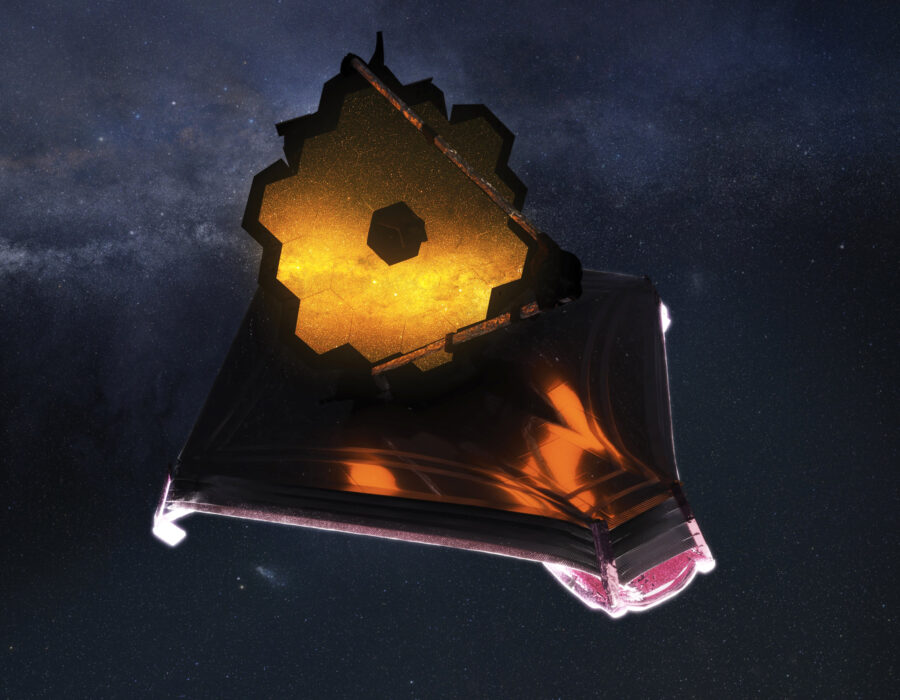
Webb’s infrared instruments detected elements such as oxygen, carbon, and dust in galaxies thought to be extremely young. These elements are forged inside stars, meaning earlier generations of stars must have formed and died quickly. This challenged assumptions about how long it takes for stellar life cycles to enrich galaxies with heavier elements.
4. Star formation appeared more intense than models suggested
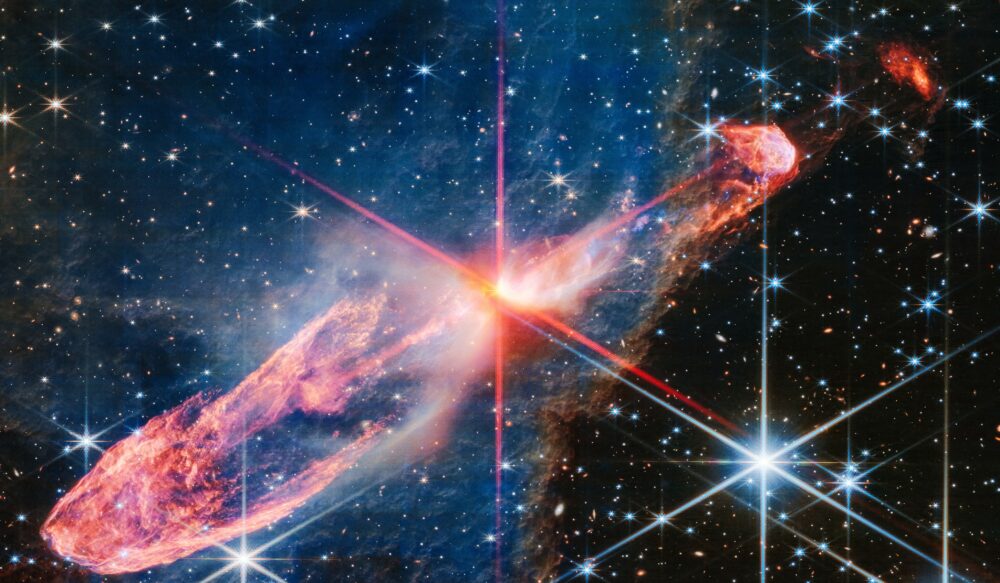
Data from Webb showed bursts of star formation occurring at rates higher than expected in the early universe. This raised questions about whether early stars formed under different physical conditions than those seen today. Astronomers began exploring whether gas clouds collapsed more efficiently or whether feedback mechanisms behaved differently shortly after the Big Bang.
5. Some early galaxies looked surprisingly orderly

Instead of chaotic shapes, Webb revealed disk-like structures and symmetry in some ancient galaxies. These features implied that rotational order and stability emerged earlier than thought. The finding challenged the idea that early galaxies were mostly turbulent and disorganized before gradually settling into familiar forms.
6. Webb sharpened the debate over dark matter’s role
The unexpected size and structure of early galaxies renewed discussion about how dark matter influenced early cosmic evolution. Some researchers questioned whether dark matter halos formed earlier or behaved differently than models assume. While no alternative theory replaced dark matter, Webb’s data added new constraints to how it must operate.
7. The telescope complicated estimates of the universe’s expansion
Observations from Webb also fed into the ongoing debate about the universe’s expansion rate. While it didn’t resolve the tension between different measurements, the new data confirmed that discrepancies were not simply due to observational error. This reinforced the possibility that new physics may be needed to fully explain cosmic expansion.
8. Some early conclusions had to be reined in
As excitement grew, astronomers cautioned that early mass and age estimates relied on indirect measurements. Follow-up analyses adjusted some claims, showing that not all early galaxies were as massive as first thought. Even so, the revised data still pointed to a universe that evolved faster than expected.
9. Webb changed how scientists think about cosmic timelines
Rather than rewriting cosmology overnight, Webb forced researchers to revisit assumptions embedded in decades of modeling. The early universe now appears less gradual and more dynamic than once believed. This shift doesn’t negate existing theories but suggests they may be incomplete at the earliest epochs.
10. The discoveries highlighted gaps in current simulations
Many computer simulations struggled to reproduce what Webb observed without tweaking parameters. This exposed limitations in how models handle star formation, feedback, and gas dynamics under early-universe conditions. Webb’s data is now being used to refine those simulations from the ground up.
11. Astronomers now expect more surprises ahead
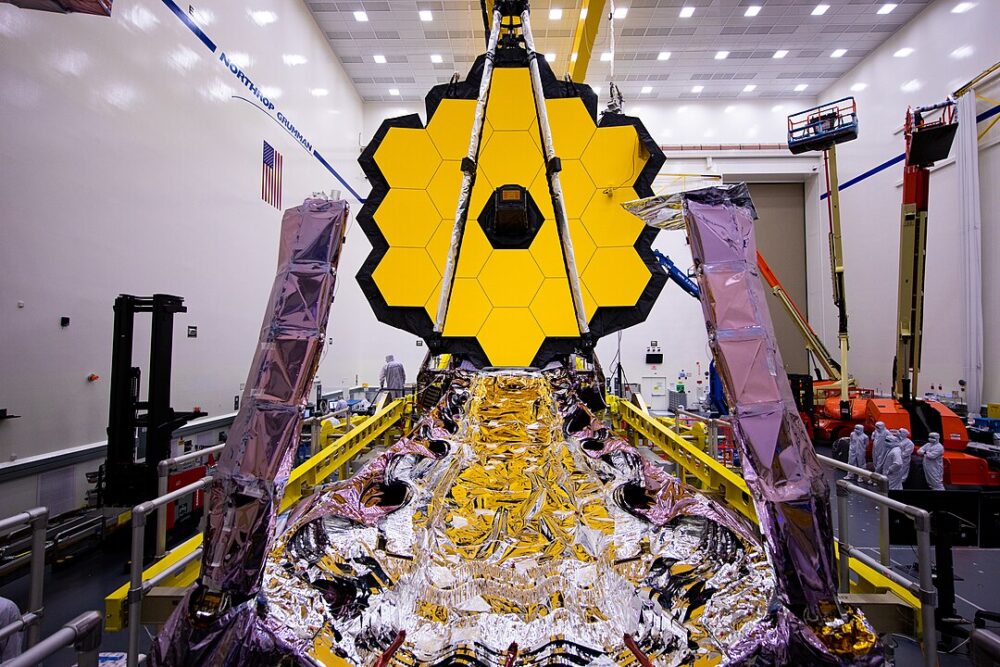
Webb has only begun its mission, and much of its data is still being analyzed. Scientists anticipate that future observations will continue to challenge expectations, especially as the telescope studies even earlier galaxies and exoplanet atmospheres. Rather than settling debates, Webb is reshaping astronomy into a more open and evolving conversation about how the universe came to be.