
New analysis of a controversial fossil raised fresh questions about how complex early human evolution really was.
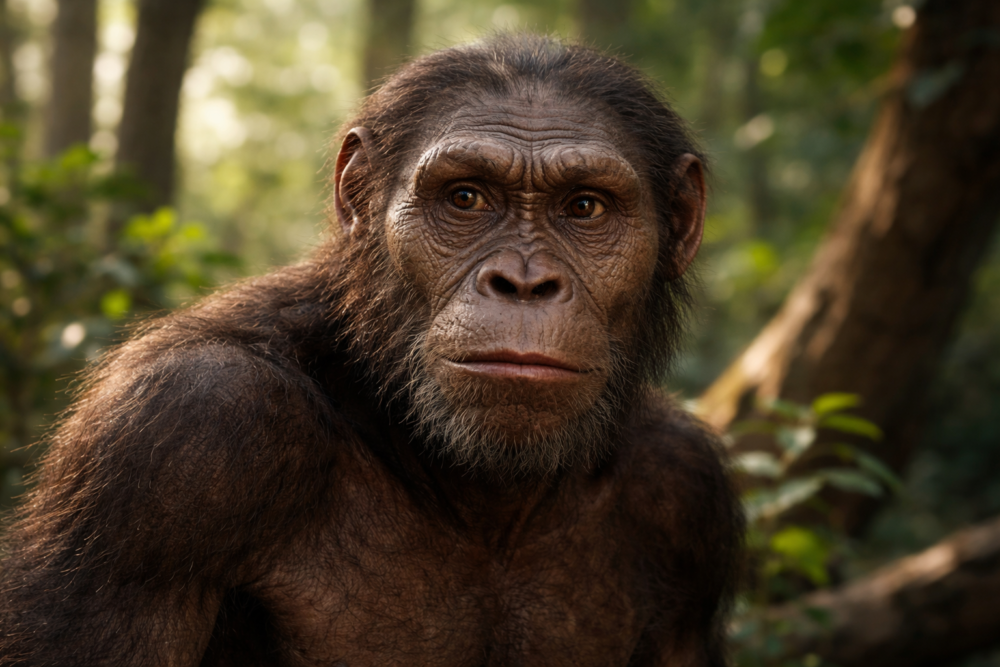
Human evolution is often taught as a neat, branching tree, but new discoveries continue to complicate that picture. In recent years, scientists have revisited ancient skulls and skeletal remains that don’t fit comfortably into established timelines or categories.
One reexamined fossil in particular sparked renewed debate among paleoanthropologists, raising questions about how many human relatives once lived alongside each other—and how they behaved.
Rather than offering a simple rewrite of history, the evidence suggests human evolution may have been far more tangled, overlapping, and surprising than once believed.
1. The skull that reignited debate didn’t fit expected patterns
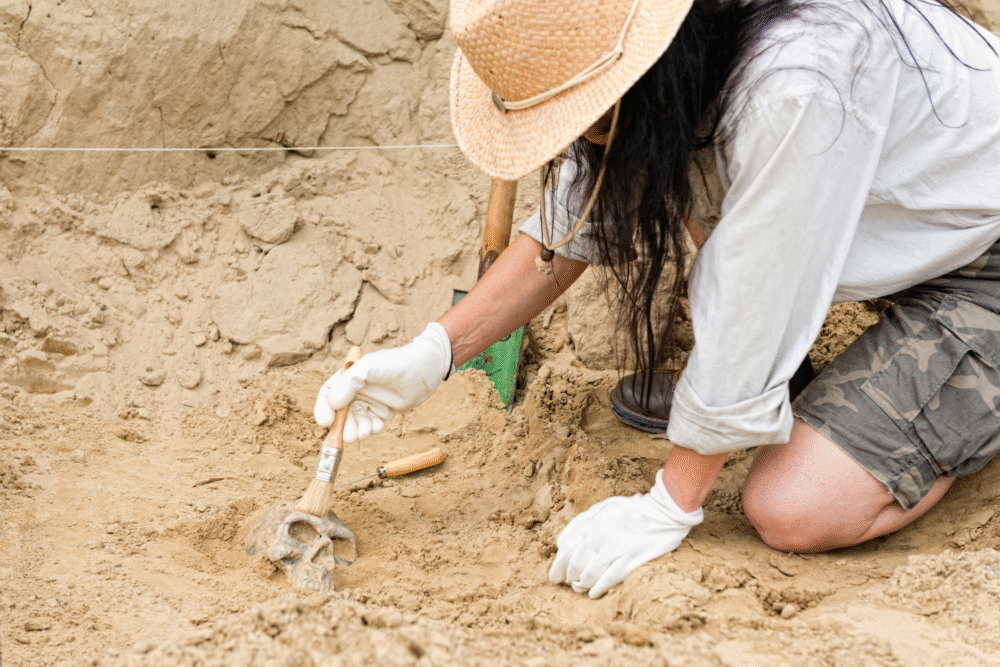
The fossil at the center of the discussion showed a puzzling mix of traits. Its small brain size resembled much earlier hominins, while aspects of its teeth, skull shape, and body structure appeared more modern. This unexpected combination made it difficult to place neatly on the human family tree. Researchers realized that traditional assumptions about brain size, intelligence, and evolutionary progress might not tell the full story of how human relatives developed.
2. Scientists returned to the fossil with new analytical tools
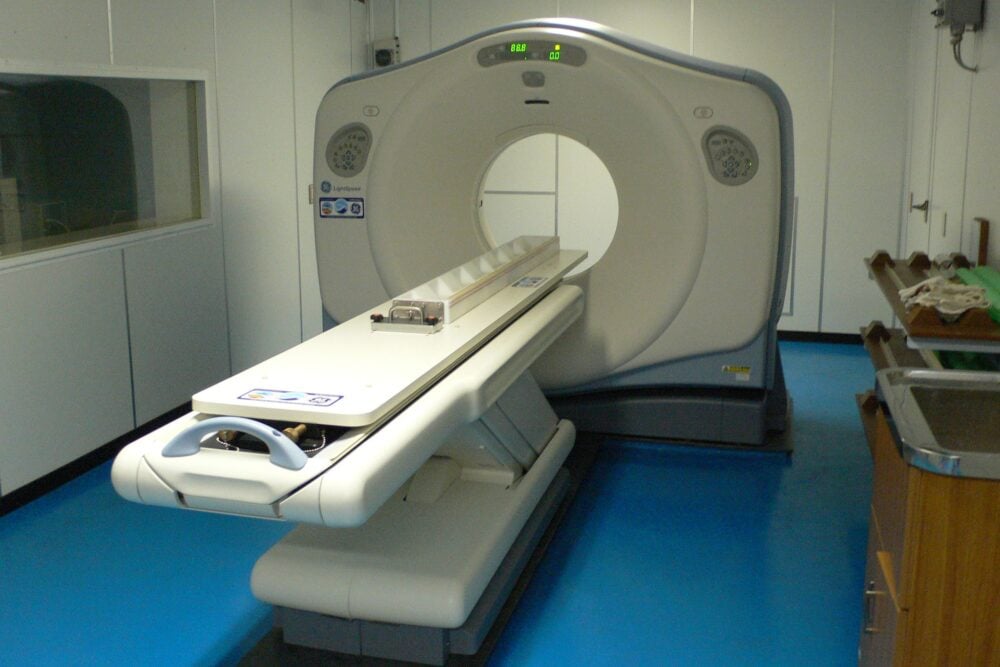
The skull had been studied before, but advances in imaging, dating techniques, and comparative anatomy allowed scientists to take a fresh look. High-resolution scans revealed details that earlier methods could not capture. These tools made it possible to compare the fossil more precisely with other hominin species, highlighting similarities and differences that had previously gone unnoticed.
3. The find was linked to a surprising archaeological context
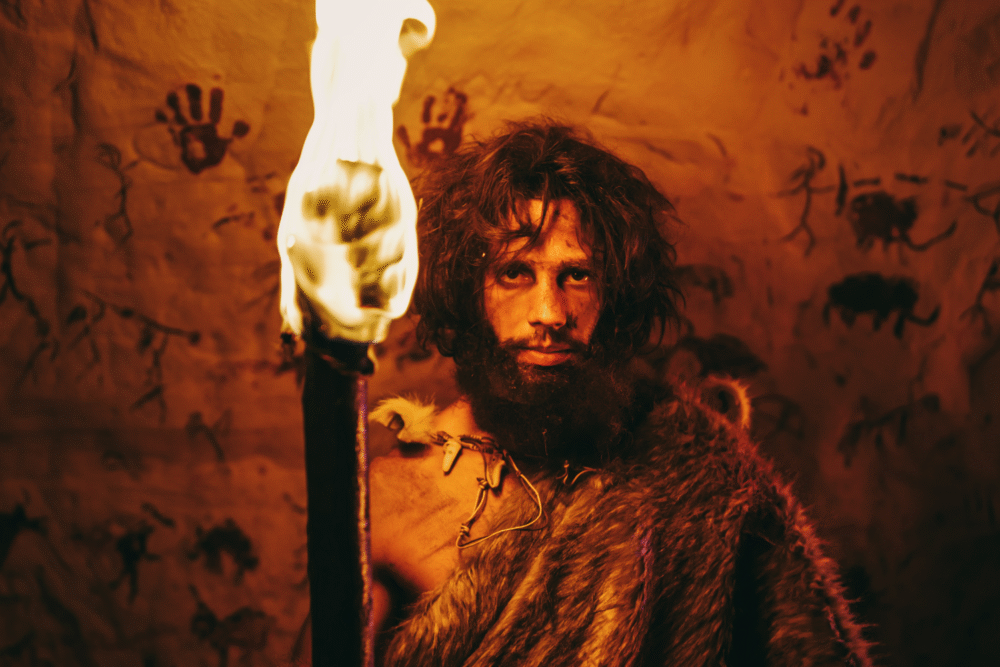
What made the reanalysis especially controversial was where the remains were found. The skull was associated with a deep cave system that showed no clear signs of accidental entry. This raised questions about whether the species may have intentionally placed bodies there, a behavior once thought to require a much larger brain. The idea challenged long-held assumptions about cognition and ritual in early human relatives.
4. The species behind the skull became known as Homo naledi
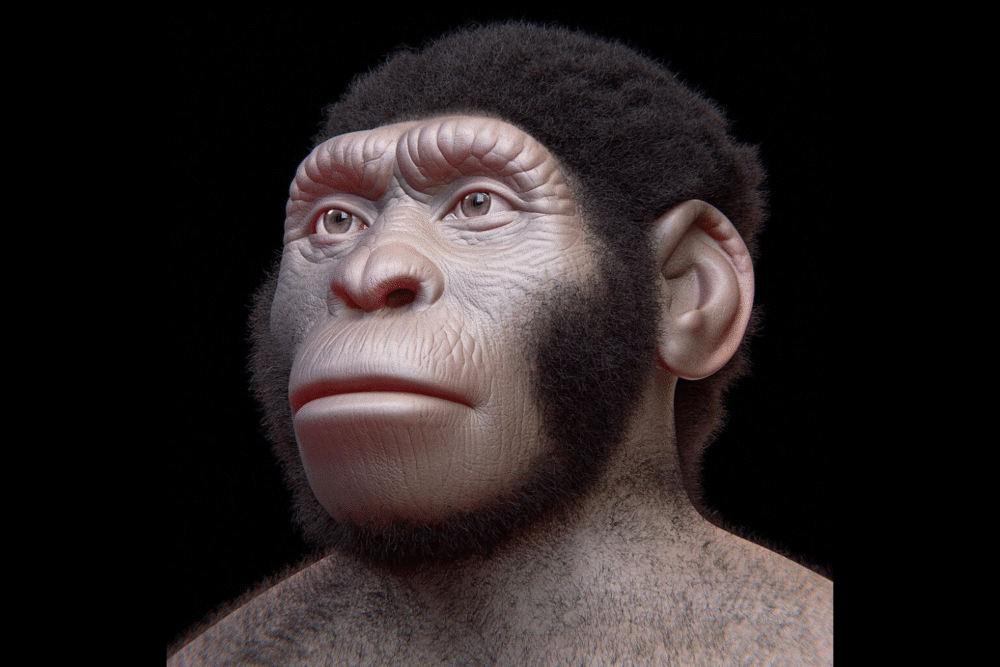
Researchers identified the remains as belonging to a previously unknown species, Homo naledi. The discovery was unusual not just because of its anatomy, but because of how many individuals were found together. This allowed scientists to study variation within the species, strengthening the case that it represented a distinct branch of the human family rather than an odd individual.
5. Dating the skull produced unexpected results
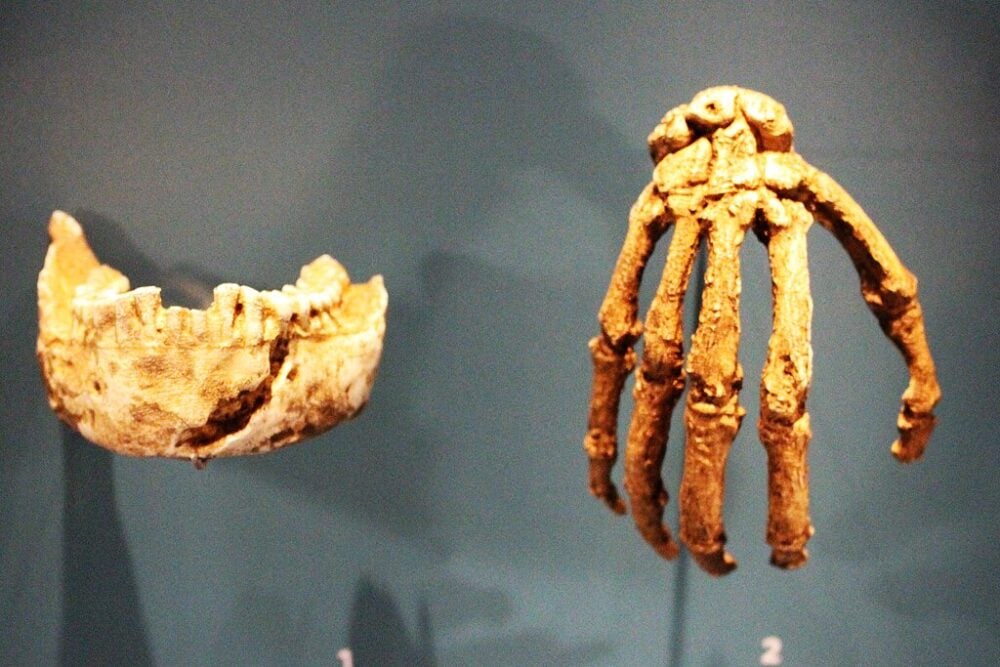
When scientists finally dated the remains, the results surprised many in the field. The skull turned out to be far younger than its primitive features suggested. Instead of living millions of years ago, Homo naledi appeared to have existed at a time when early modern humans may already have been present in Africa. This overlap challenged the idea of a simple, linear progression toward Homo sapiens.
6. Brain size assumptions came under renewed scrutiny
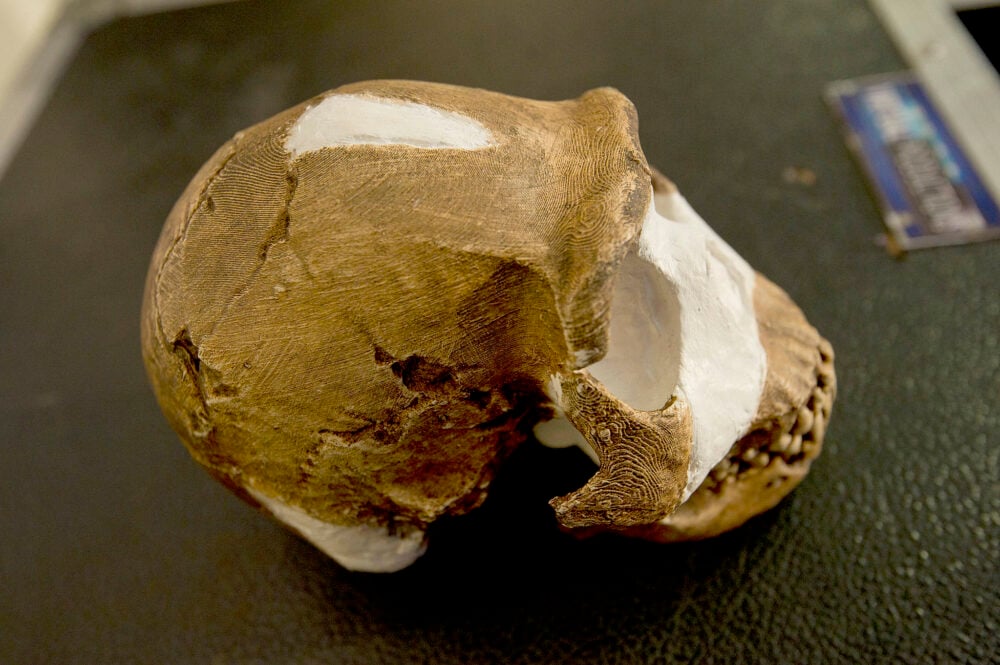
For decades, brain size was treated as a key marker of intelligence and behavioral complexity. The reexamined skull forced scientists to reconsider that link. Despite its small brain, the species showed possible signs of complex behavior. This raised the possibility that cognitive abilities evolved in ways not directly tied to brain volume alone.
7. Some researchers urged caution in interpreting behavior

Not all scientists agreed with the more dramatic conclusions. Critics argued that alternative explanations for the cave deposits were still possible and that extraordinary claims required extraordinary evidence. The debate highlighted how scientific progress often unfolds through disagreement, replication, and continued investigation rather than instant consensus.
8. The discovery reshaped how scientists view coexistence
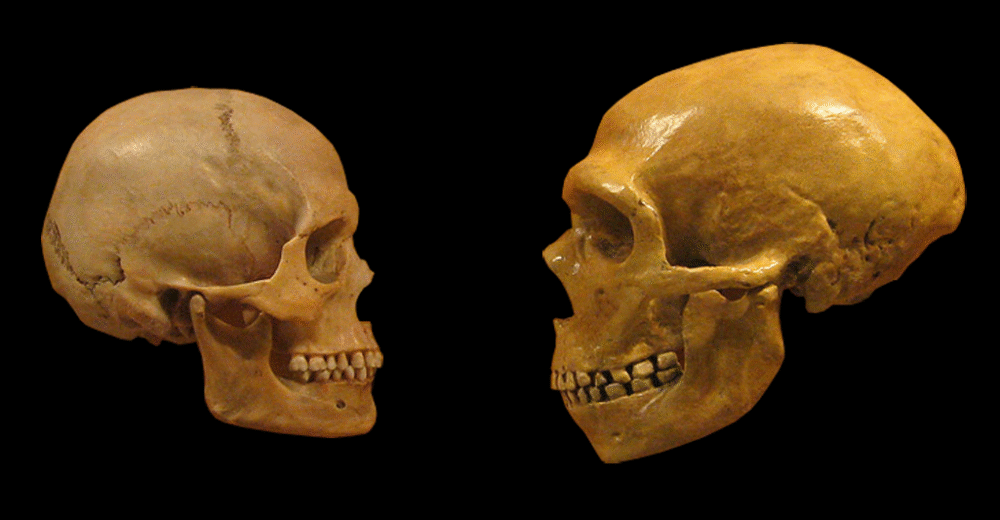
If Homo naledi lived alongside early modern humans, it suggests that multiple hominin species may have shared landscapes, resources, and even cultural space. This challenges older models that assumed one dominant species replaced another in a clean sequence. Instead, human evolution may have involved long periods of coexistence and interaction.
9. Museums and textbooks began updating explanations

As the debate unfolded, museums and educators adjusted how they described human evolution. Rather than presenting a straight line from primitive to modern humans, many began emphasizing diversity, overlap, and experimentation in our evolutionary past. The reexamined skull became a case study in how science evolves with new evidence.
10. The skull highlighted how much remains undiscovered
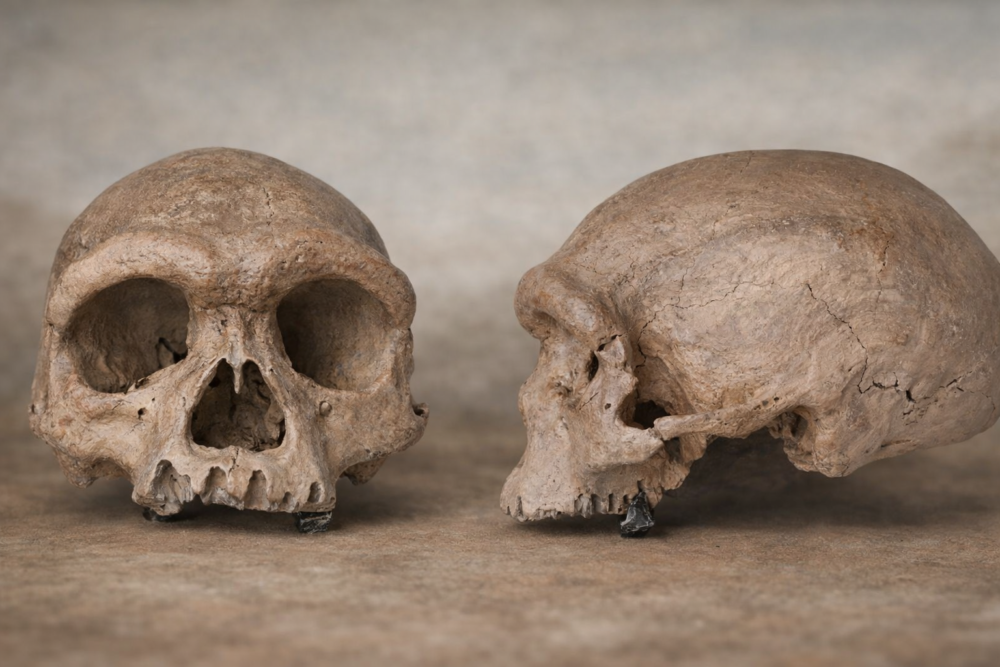
The controversy underscored a broader truth in paleoanthropology: the fossil record is incomplete. Entire species may have existed without leaving clear traces, and a single new find can dramatically change prevailing theories. The reanalysis reminded researchers that major insights can still come from revisiting old discoveries.
11. Human evolution now looks less like a ladder and more like a web
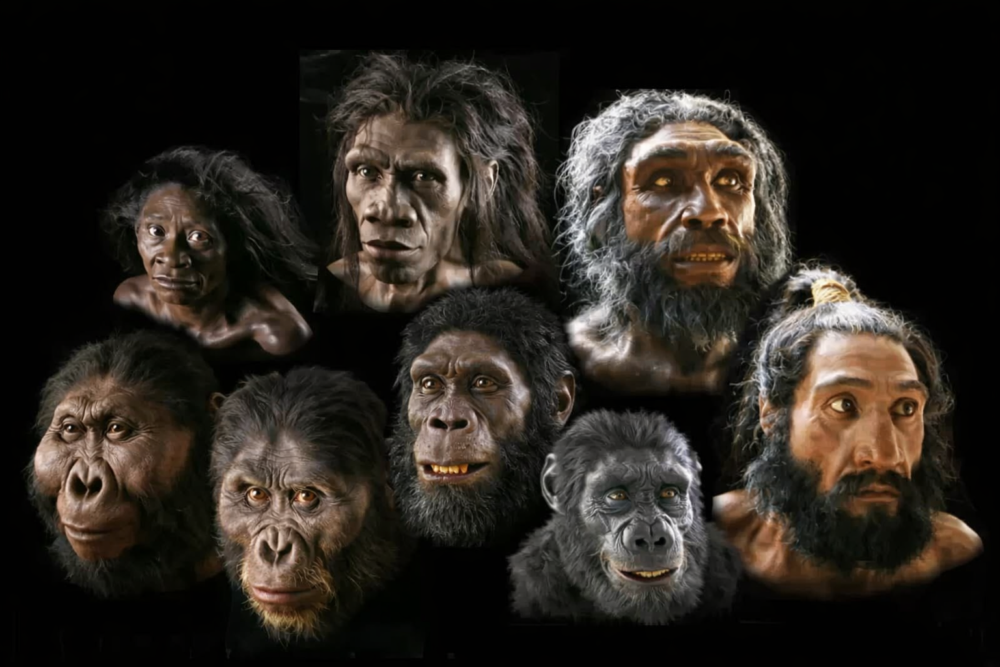
Rather than forcing the skull into an existing framework, many scientists now see it as evidence that human evolution was complex and non-linear. Multiple branches emerged, overlapped, and sometimes disappeared. The reexamined skull didn’t overturn evolution—it revealed just how intricate the story of our origins truly is.