
Unusual noises are often your car’s earliest warning system—and ignoring them can get expensive fast.
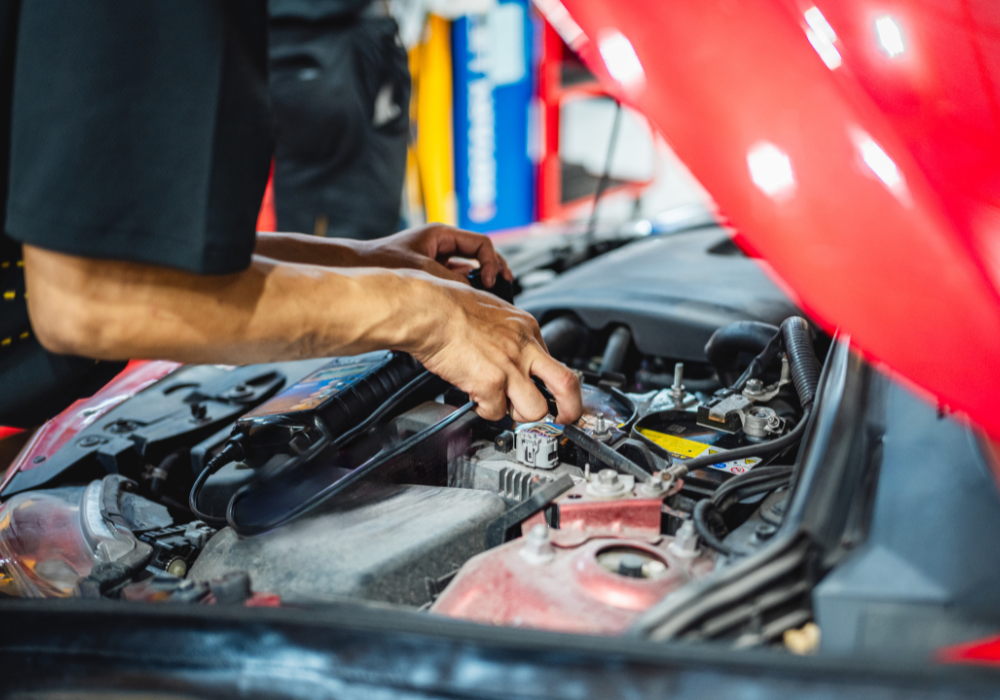
Cars rarely fail without warning. Long before a breakdown or costly repair, most vehicles start making small, unfamiliar sounds that signal something isn’t right. Drivers often turn up the radio or assume the noise will go away, but mechanics say these early clues are some of the most valuable information a car gives you.
Understanding what common sounds usually mean can help you decide when to pull over, when to schedule a repair, and when a quick fix could prevent much bigger problems down the road.
1. A squealing sound when you brake often points to worn brake pads
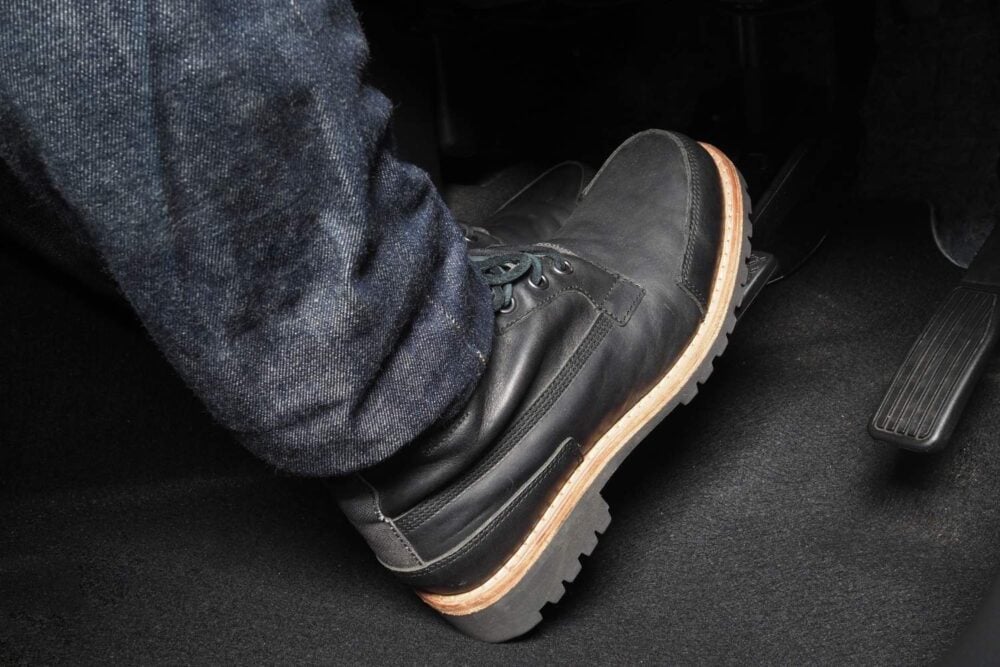
High-pitched squealing during braking is one of the most common warning sounds drivers hear. In many cases, it means the brake pads are wearing thin and the built-in wear indicator is doing its job. Ignoring it can lead to grinding, which damages rotors and raises repair costs significantly. Addressing brake squeal early is usually far cheaper and safer than waiting for braking performance to decline.
2. A grinding noise while braking signals a more serious issue

Grinding sounds typically mean the brake pads are completely worn down and metal is contacting metal. This reduces stopping power and can quickly damage rotors or calipers. At this stage, repairs are no longer minor. If you hear grinding when braking, the car should be inspected as soon as possible to avoid further damage and potential safety risks.
3. A clicking sound when turning can indicate CV joint trouble

Clicking or popping noises during turns often point to worn constant velocity joints, especially in front-wheel-drive vehicles. These joints allow power to transfer smoothly to the wheels while steering. When they begin to fail, the noise is most noticeable at low speeds or sharp turns. Left unchecked, a failing CV joint can eventually lead to loss of power to the wheels.
4. A knocking sound from the engine deserves immediate attention
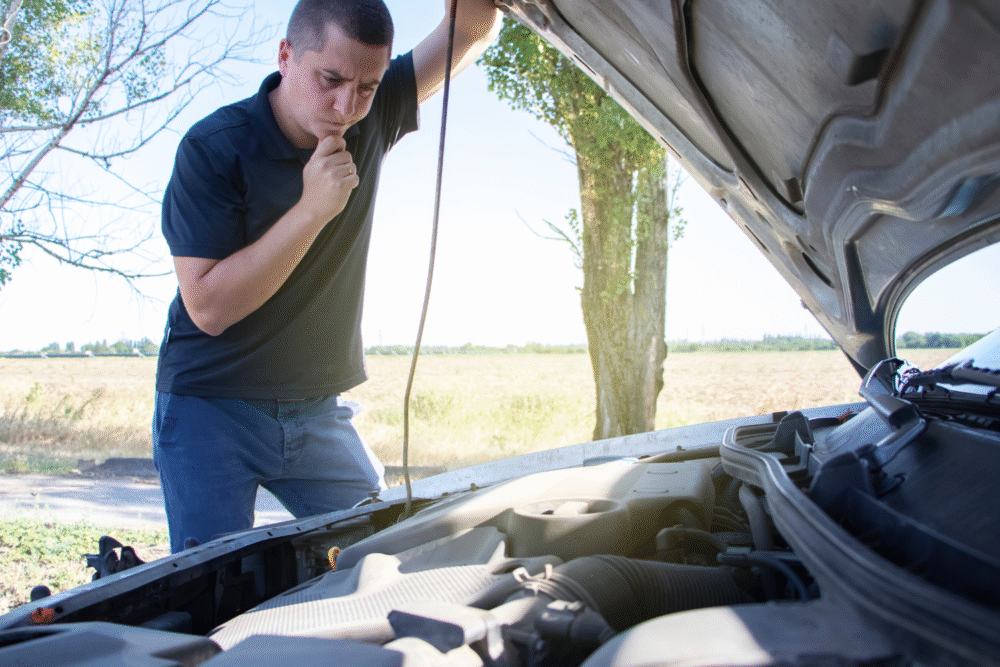
Engine knocking can range from mild tapping to loud, rhythmic sounds. It may be caused by low oil levels, poor fuel quality, or internal engine wear. Because engine damage can escalate quickly, knocking noises should never be ignored. Even if performance seems normal, continuing to drive can turn a manageable repair into a major engine problem.
5. A whining noise while accelerating often involves the transmission
A high-pitched whining sound that changes with speed can signal transmission issues or low transmission fluid. Automatic and manual transmissions both rely on proper lubrication to function smoothly. When fluid levels drop or components wear, friction increases and noise follows. Catching this early can prevent extensive and costly transmission repairs later.
6. A humming or droning sound may be a wheel bearing problem
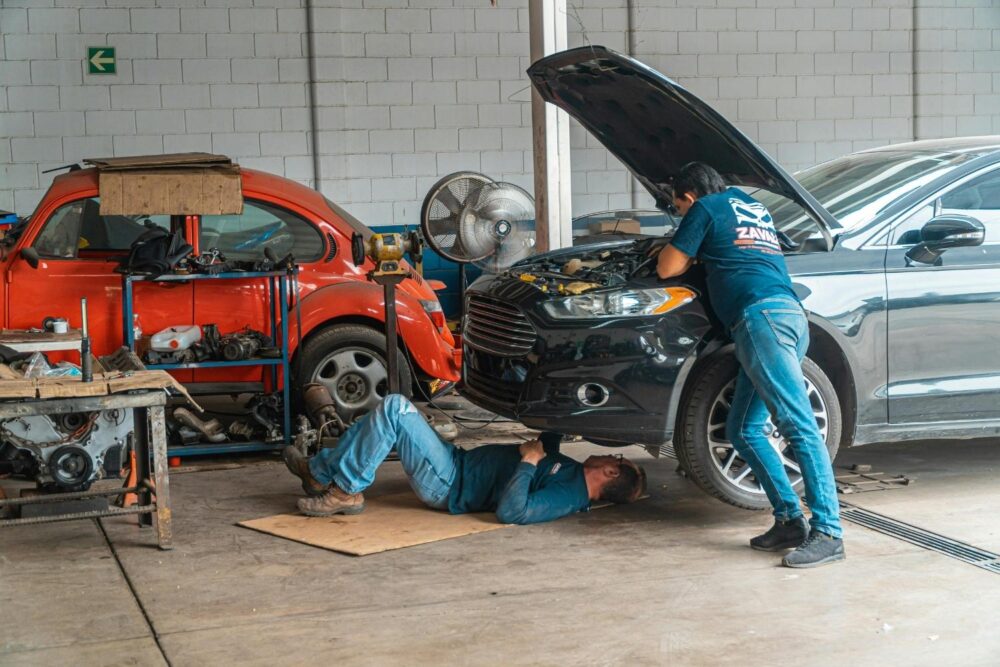
Humming noises that grow louder with speed often come from worn wheel bearings. The sound may change when turning slightly left or right. Wheel bearings support the vehicle’s weight while allowing wheels to rotate smoothly. If they fail completely, wheel stability can be compromised, making this a sound worth addressing sooner rather than later.
7. A rattling sound under the car could mean a loose exhaust part

Rattling noises, especially when starting the car or driving over bumps, often point to loose heat shields or exhaust components. While some rattles are minor, others can signal exhaust leaks or parts at risk of falling off. Since exhaust issues can affect emissions and safety, persistent rattling should be inspected.
8. A chirping or squeaking sound often comes from belts
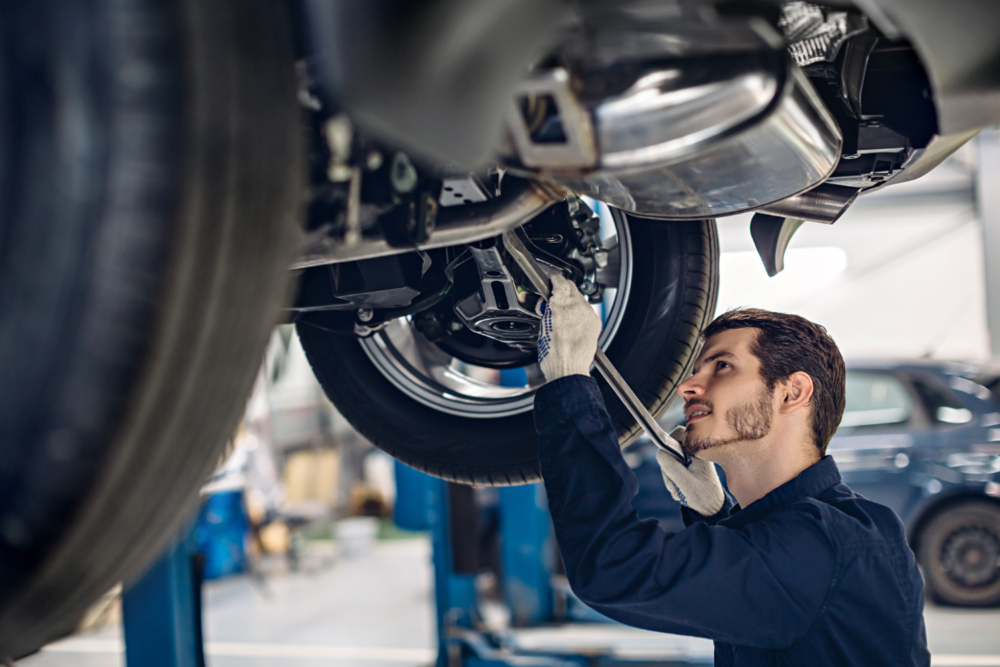
Accessory belts power components like the alternator, power steering, and air conditioning. When belts wear, loosen, or become misaligned, they often squeak or chirp, especially at startup. Replacing a belt is usually straightforward, but ignoring the noise can lead to belt failure and sudden loss of important vehicle functions.
9. A thumping noise after hitting bumps can involve suspension parts
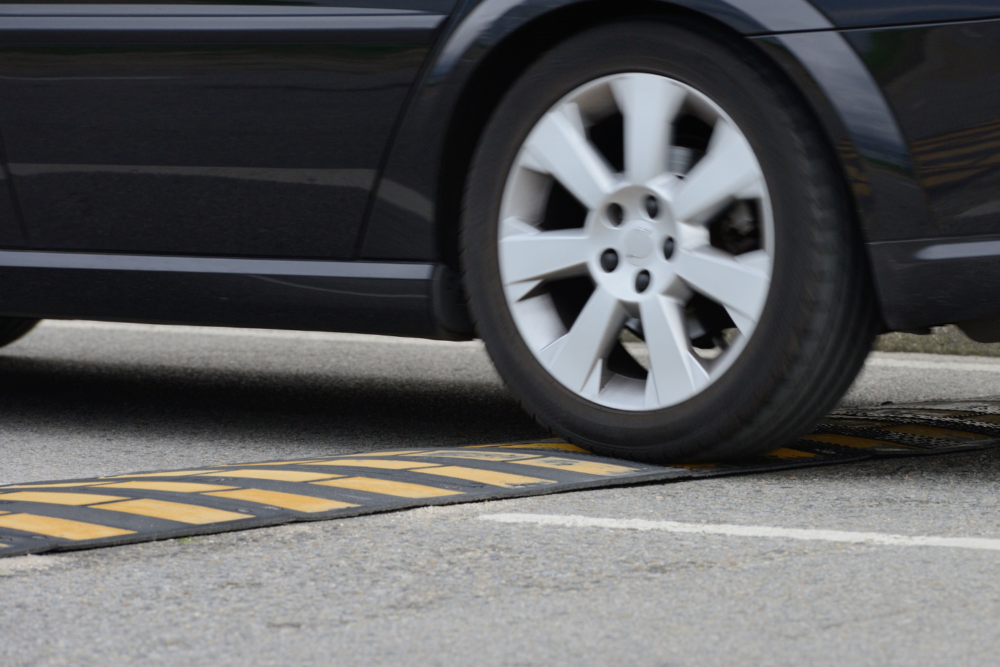
Thumping or clunking sounds over bumps may indicate worn shocks, struts, or suspension bushings. These parts help absorb road impacts and keep tires firmly on the ground. When they wear out, ride comfort and handling suffer. Over time, suspension problems can also cause uneven tire wear and reduced control.
10. A hissing sound could signal a vacuum or coolant leak
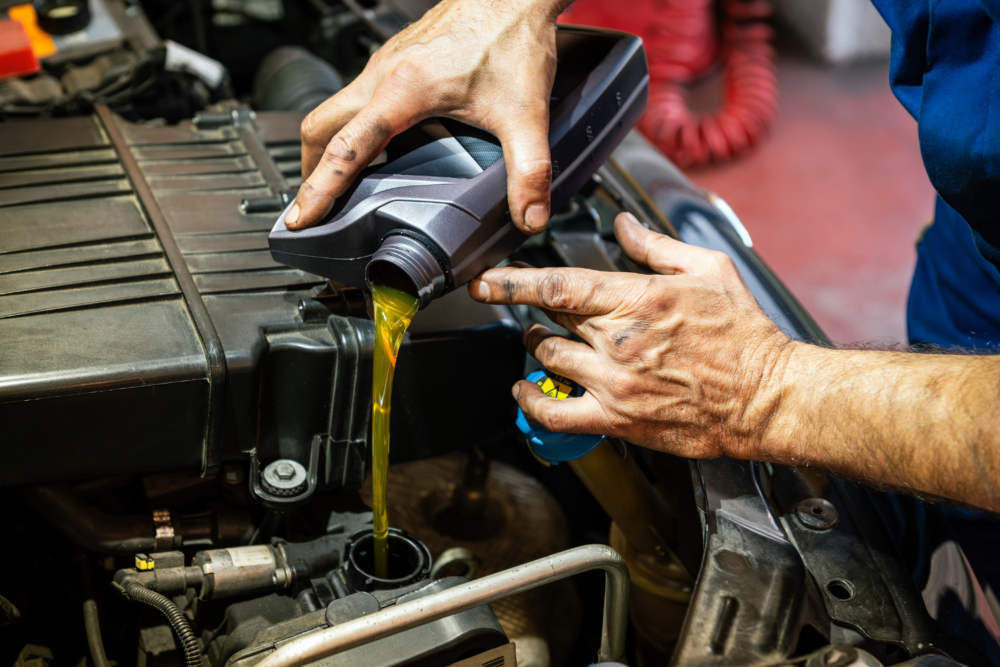
Hissing noises under the hood may come from vacuum hoses or cooling system leaks. Vacuum leaks can affect engine performance and fuel efficiency, while coolant leaks risk overheating. Because leaks often worsen gradually, early detection can prevent breakdowns and engine damage caused by overheating.
11. Silence after a new noise is not always good news

Sometimes a sound disappears on its own, leading drivers to assume the problem fixed itself. In reality, parts may have failed completely or shifted into a worse condition. If a strange noise suddenly stops without explanation, it’s still worth having the car checked to ensure a hidden issue isn’t developing.