
Based on official travel advisories, these destinations carry the highest risk levels for Americans right now.
Before booking an international trip, safety is just as important as price or convenience. The U.S. State Department regularly evaluates conditions worldwide, issuing travel advisories based on crime, terrorism, civil unrest, health systems, and government stability.
Some countries are placed under the highest warning levels, meaning Americans are advised not to travel due to extreme and unpredictable risks. These assessments can change, but they offer a clear snapshot of where danger remains elevated.
Here are 12 countries currently considered the most dangerous for U.S. travelers, and the reasons they remain under the strongest warnings.
1. Afghanistan remains off-limits as armed conflict and terrorism persist
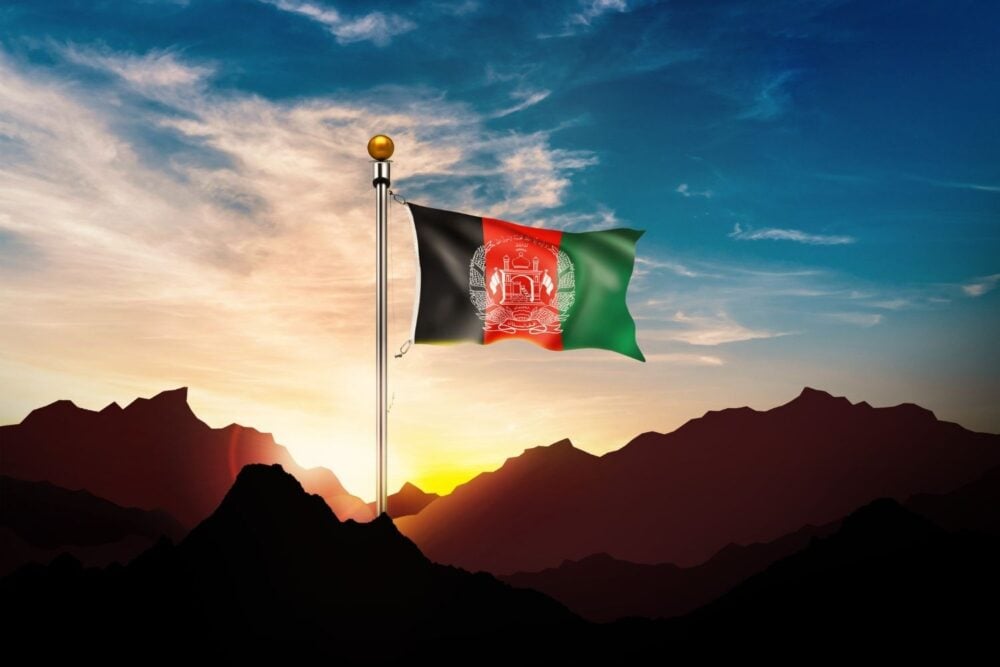
Afghanistan is under a Level 4 “Do Not Travel” advisory because of ongoing armed conflict, terrorist threats, and the absence of reliable emergency services. Violence can occur without warning, including bombings, kidnappings, and targeted attacks. The U.S. embassy has suspended operations, meaning Americans have little to no access to consular assistance. Medical care is extremely limited, and evacuation options are scarce, making travel exceptionally dangerous under nearly all circumstances.
2. Syria’s civil war makes travel dangerous almost everywhere
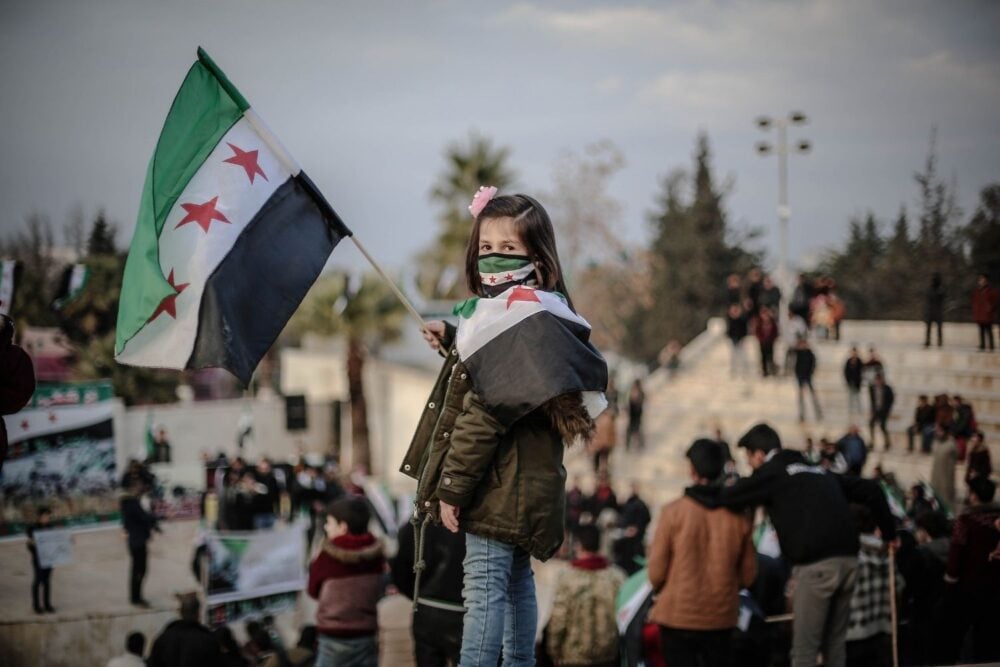
Syria continues to face a Level 4 advisory due to active conflict, terrorism, and widespread human rights abuses. Military operations, airstrikes, and clashes between armed groups make conditions unpredictable. Infrastructure damage has severely limited healthcare, transportation, and communications. U.S. citizens face a high risk of detention, injury, or kidnapping, and there is no U.S. consular presence able to provide emergency assistance inside the country.
3. Yemen’s humanitarian crisis adds to the dangers of active conflict
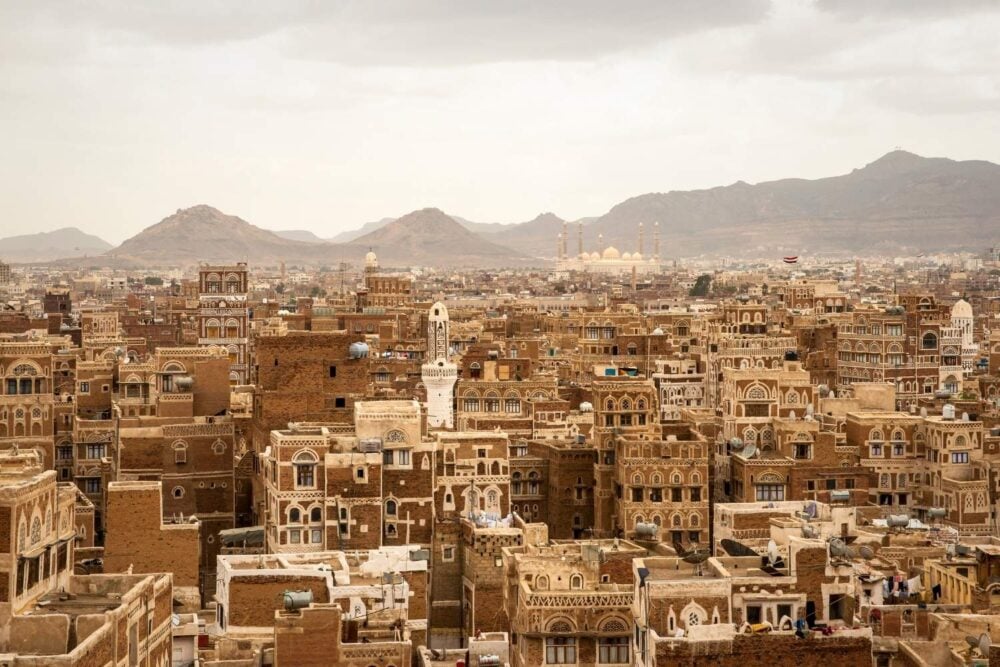
Yemen remains under a Level 4 advisory because of civil war, terrorism, and a collapsed healthcare system. Armed conflict between rival factions continues across much of the country, with airstrikes and ground fighting occurring unpredictably. Food shortages, disease outbreaks, and minimal medical care further raise risks. The U.S. government has extremely limited ability to assist Americans, making travel unsafe even for experienced visitors.
4. Haiti’s gang violence has made basic travel unsafe

Haiti is classified at the highest advisory level due to violent crime, political instability, and weak law enforcement. Armed gangs control large areas, including major roads and neighborhoods, restricting movement and access to services. Kidnappings for ransom are widespread and often target foreigners. Medical care is limited, infrastructure disruptions are common, and emergency assistance is unreliable, making even short trips highly risky.
5. Somalia faces ongoing threats from terrorism and kidnapping

Somalia remains under a Level 4 advisory due to terrorism, violent crime, and the risk of kidnapping. Extremist groups continue to carry out attacks targeting public places, hotels, and government facilities. Law enforcement capacity is limited, and emergency medical care is scarce. The U.S. government has little ability to assist citizens in Somalia, increasing the danger for anyone traveling there.
6. South Sudan’s instability creates constant security risks
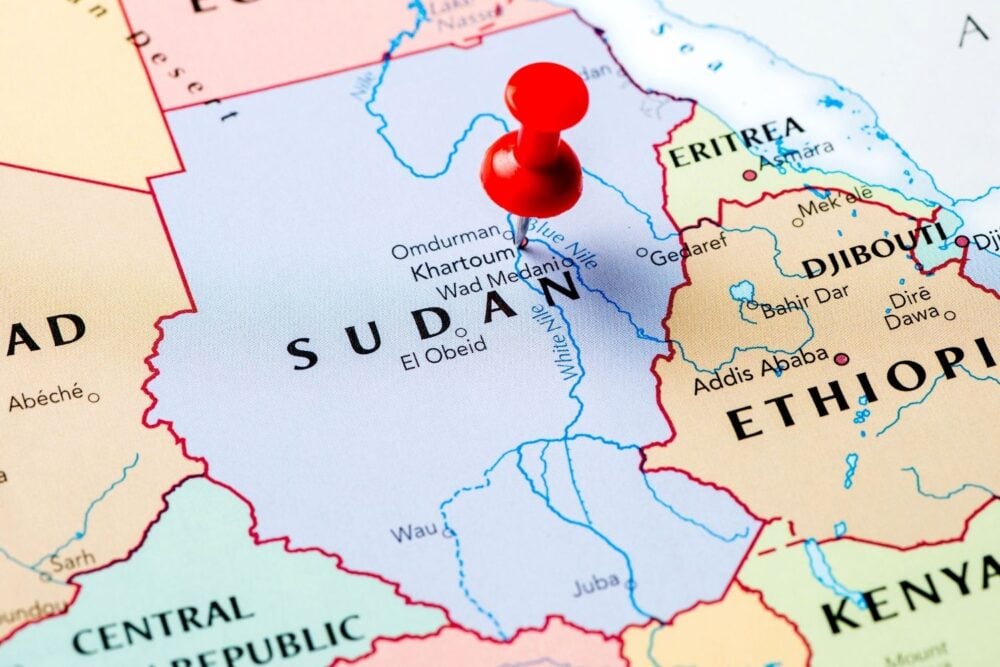
South Sudan is considered extremely dangerous due to armed conflict, violent crime, and political instability. Fighting between armed groups can break out with little warning, and crime targeting foreigners is common. Infrastructure is weak, limiting access to healthcare and transportation. U.S. citizens face serious risks, and consular assistance is severely limited outside the capital.
7. Libya’s lack of a stable government leaves travelers vulnerable
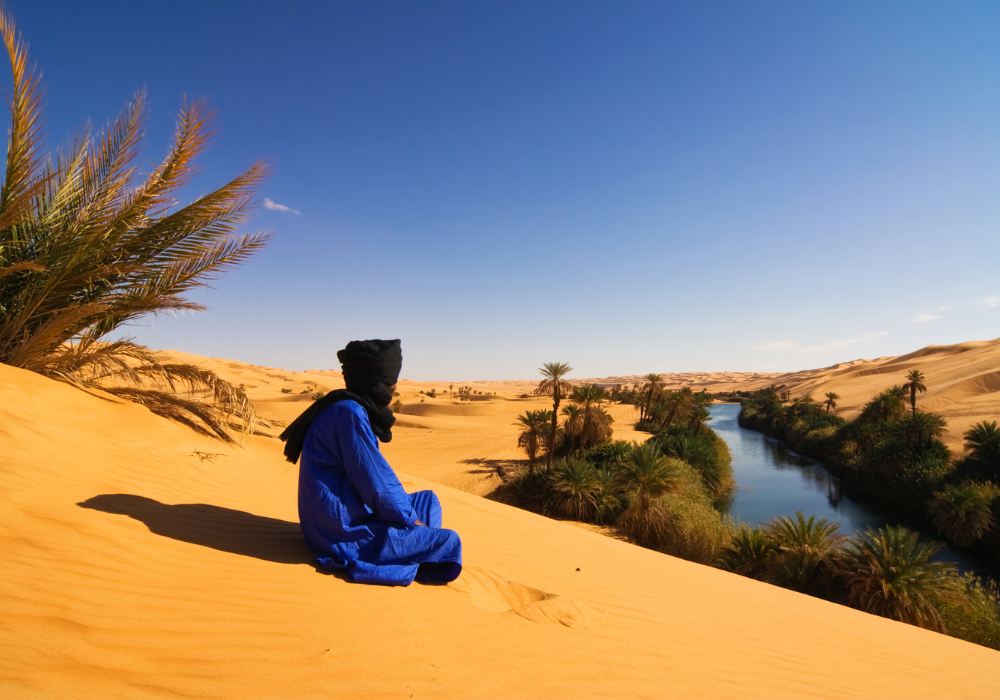
Libya remains under a Level 4 advisory because of crime, terrorism, and ongoing armed conflict. Rival militias control different regions, making security conditions unpredictable. Kidnappings, assassinations, and clashes between armed groups continue to occur. The U.S. embassy is not operating normally, leaving Americans with minimal support if emergencies arise.
8. Iraq still carries risks from terrorism and militia violence

Iraq is under a Level 4 advisory due to terrorism, civil unrest, and armed groups operating throughout the country. While conditions vary by region, attacks using rockets, drones, and roadside bombs still occur. Kidnapping risks remain, particularly for foreigners. Medical services and emergency response capabilities are uneven, increasing the danger for travelers.
9. Mali’s security situation has deteriorated in recent years
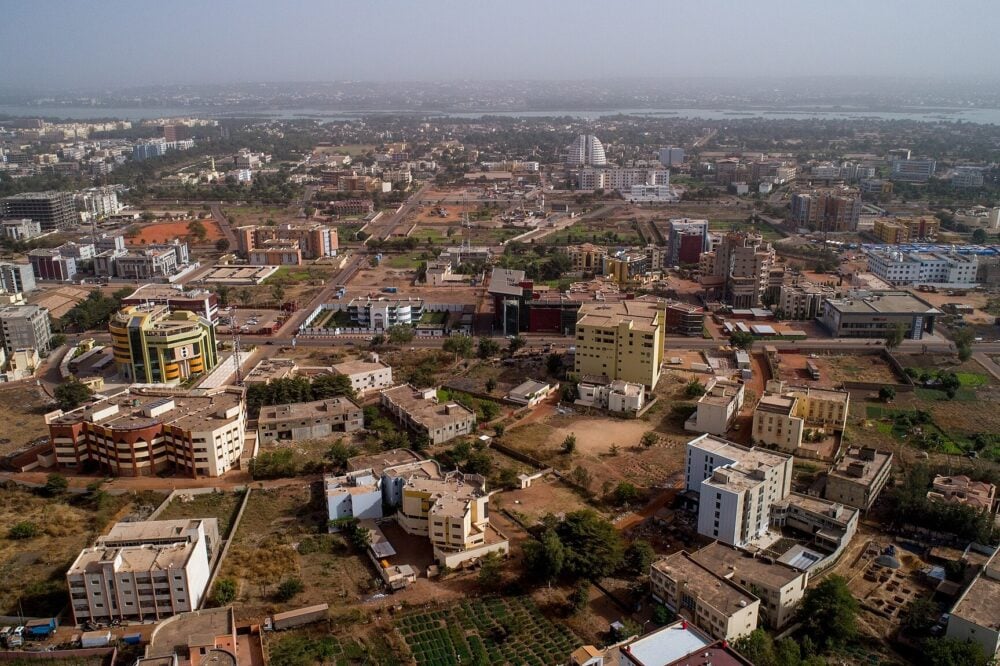
Mali is considered highly dangerous due to terrorism, armed conflict, and kidnapping threats. Extremist groups operate in large parts of the country, frequently targeting foreigners and government facilities. Travel outside major urban areas is especially risky. Limited medical infrastructure and weak emergency services further complicate travel safety for Americans.
10. Central African Republic struggles with violence and lawlessness
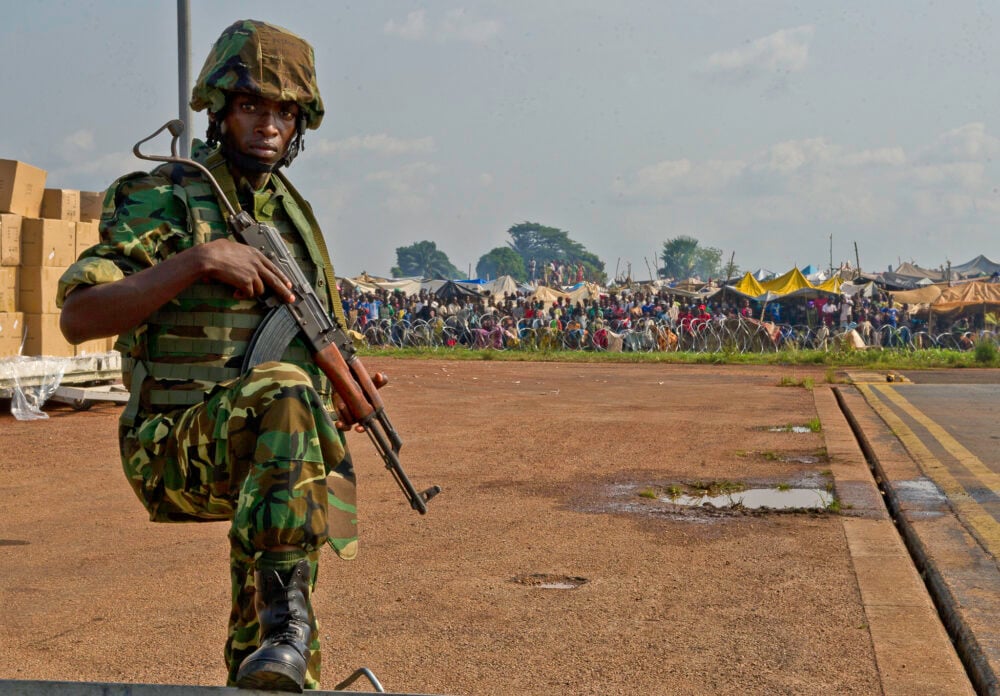
The Central African Republic remains under a Level 4 advisory due to armed conflict, crime, and civil unrest. Armed groups control significant portions of the country, and violence can erupt without warning. Infrastructure is minimal, healthcare is limited, and transportation options are unreliable. U.S. assistance capabilities are extremely restricted.
11. Ukraine remains dangerous due to ongoing war

Ukraine is classified at the highest advisory level because of Russia’s ongoing military invasion. Missile strikes, drone attacks, and fighting continue across large parts of the country. Civilian infrastructure has been damaged, affecting power, transportation, and medical care. Americans face significant risks, and travel is strongly discouraged while hostilities continue.
12. North Korea’s restrictions make emergencies especially dangerous
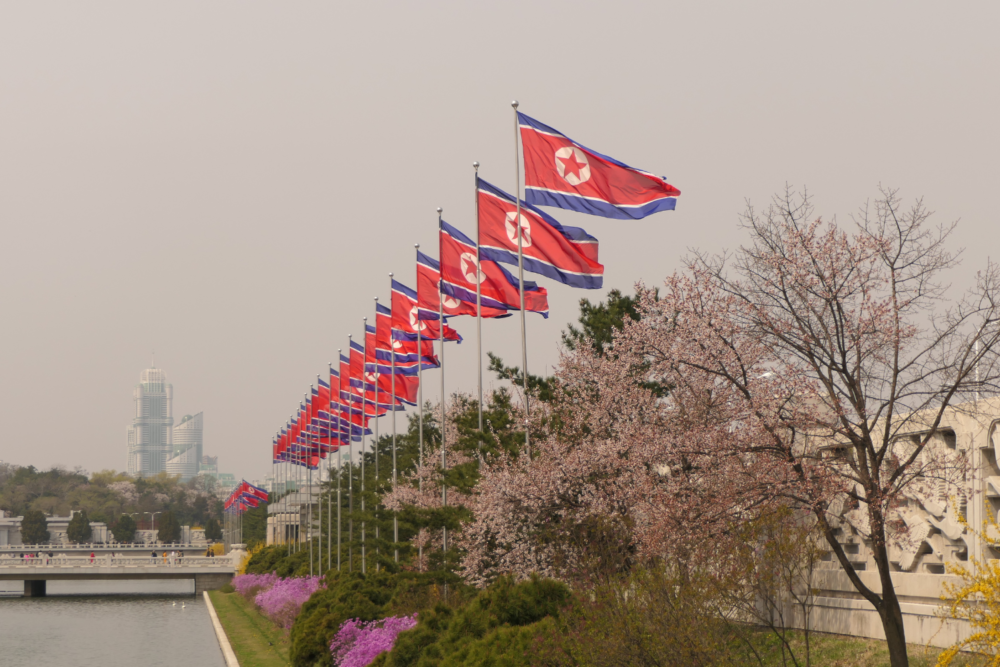
North Korea is under a Level 4 advisory due to the risk of arbitrary detention and severe restrictions on movement. U.S. citizens have been detained without warning, sometimes for extended periods. There is no U.S. diplomatic presence to provide direct assistance. Limited medical care and strict government controls make emergencies particularly dangerous for travelers.