
Researchers estimate the ancient offshore reserve holds enough freshwater to supply New York City for hundreds of years.
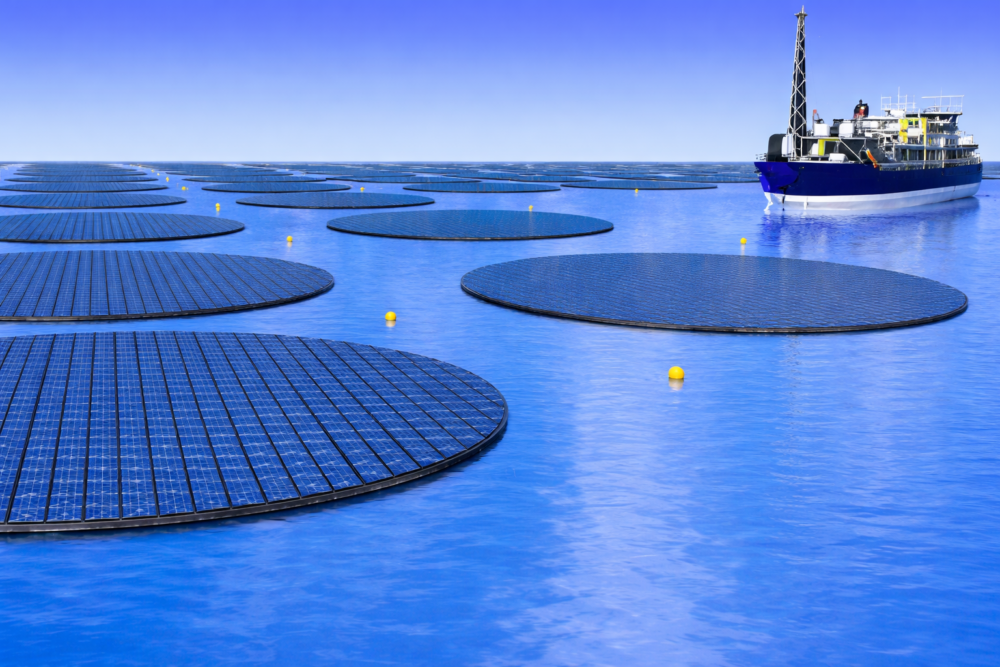
It sounds like something pulled from a science-fiction map. Beneath the Atlantic Ocean, hidden under layers of sediment, researchers have identified an enormous reserve of freshwater that has been sitting there for thousands of years.
The discovery didn’t come from drilling for water, but from data gathered for other scientific purposes. What scientists noticed forced them to reconsider what lies beneath continental shelves and how freshwater can survive offshore.
As estimates of the reservoir’s size emerged, the implications grew far larger than anyone expected. The find is changing how scientists think about hidden water resources and what might still be waiting beneath the ocean floor.
1. A discovery hiding in plain scientific data

The freshwater reservoir wasn’t found by accident in the traditional sense. Scientists analyzing electromagnetic survey data off the U.S. East Coast noticed unexpected signals beneath the seafloor.
Those signals didn’t match saltwater. Instead, they suggested vast pockets of low-salinity water buried under layers of sediment. What initially looked like a data anomaly turned into something much larger.
2. Where the reservoir is located
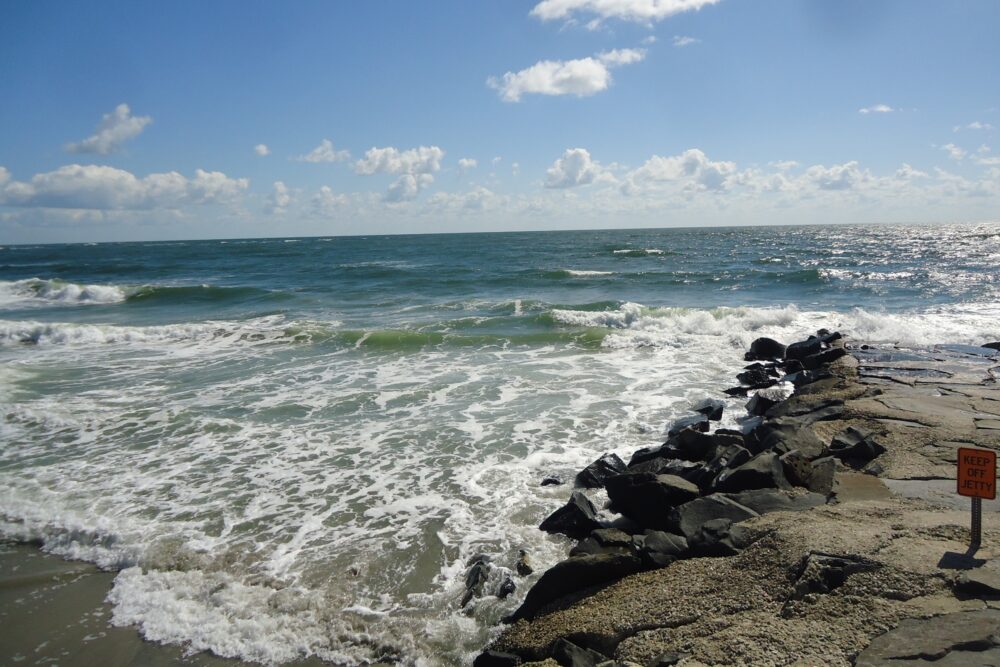
The freshwater sits beneath the Atlantic Ocean along the continental shelf, stretching from New Jersey up toward Massachusetts. It lies offshore, buried hundreds of feet below the seabed.
This isn’t a single underground lake. It’s a connected system of freshwater trapped within porous sediments, forming an ancient reserve that remained hidden beneath the ocean floor.
3. How freshwater ended up under the ocean
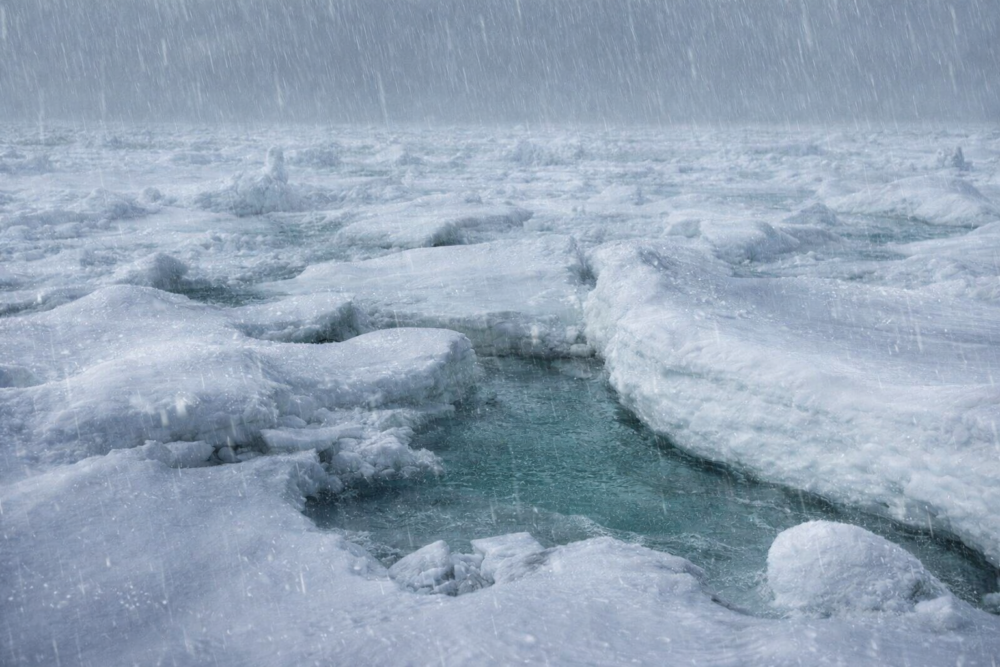
During the last ice age, sea levels were much lower than they are today. Large areas that are now underwater were once dry land where rain and melting glaciers replenished groundwater.
When sea levels rose, saltwater flooded the surface, but freshwater became trapped below. Layers of clay and sediment sealed it in, preserving it for thousands of years.
4. Why the water stayed fresh

Normally, saltwater would slowly mix with freshwater underground. In this case, dense sediment layers acted as barriers that limited movement.
These geological conditions prevented seawater from fully contaminating the freshwater. The result is a remarkably intact reserve that still holds low salinity levels despite being surrounded by ocean.
5. Just how much water is down there

Researchers estimate the reservoir holds trillions of gallons of freshwater. By some calculations, it could supply New York City’s current water use for hundreds of years.
That figure doesn’t mean the water is ready to be tapped. It does, however, highlight the scale of what’s hidden beneath the Atlantic and why the discovery drew global attention.
6. How scientists confirmed the find
To verify the reservoir, researchers combined geophysical surveys with drilling data from previous offshore projects. Measurements of electrical resistance helped distinguish freshwater from saltwater.
The consistency of these readings across a wide area confirmed the reservoir wasn’t isolated. It formed a continuous system rather than scattered pockets.
7. Why this changes what scientists expect offshore

For decades, freshwater was assumed to exist mostly on land. This discovery challenges that assumption and suggests offshore freshwater systems may be more common worldwide.
Similar geological conditions exist near other continents. Scientists now believe comparable reservoirs could be hidden beneath oceans elsewhere, waiting to be identified.
8. Why the water isn’t being used
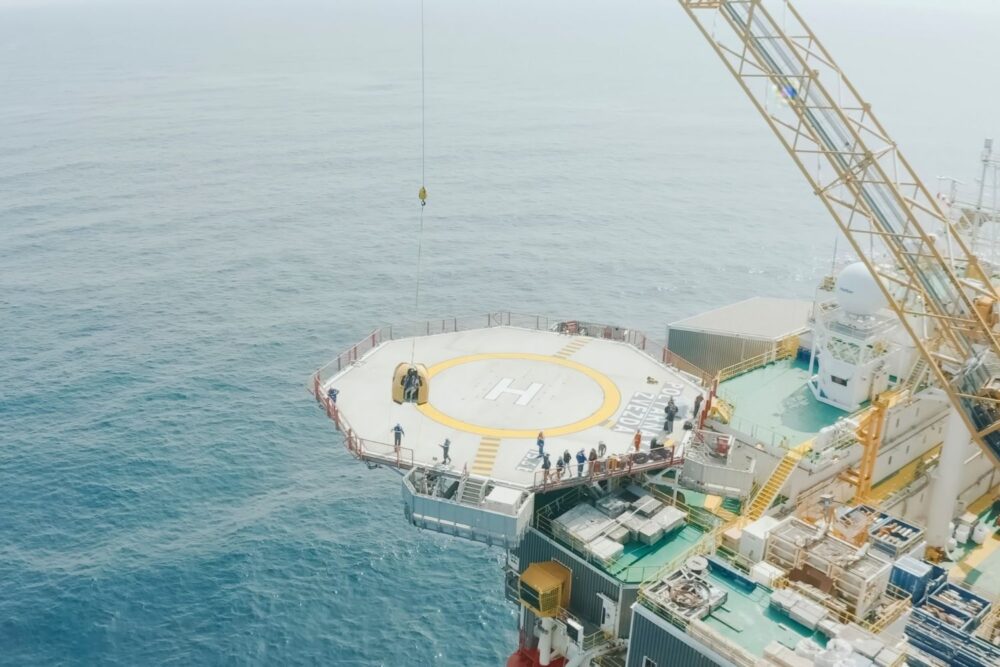
Despite its size, tapping the reservoir isn’t simple. Drilling offshore for freshwater is expensive, technically challenging, and environmentally sensitive.
There are also concerns about disrupting fragile geological systems. Removing freshwater could allow saltwater to rush in, permanently damaging the reservoir.
9. What this means for future water security

The discovery doesn’t solve current water shortages, but it reshapes long-term thinking. As climate change alters rainfall patterns, hidden freshwater systems may become strategically important.
Understanding where these reserves exist helps scientists model groundwater movement and plan for future scenarios where freshwater becomes increasingly scarce.
10. Environmental questions still unanswered
Researchers are cautious. They want to understand how the reservoir interacts with surrounding ecosystems before considering any practical use.
Disturbing ancient freshwater systems could have consequences for marine life and sediment stability. For now, study comes before extraction.
11. A reminder of what we still don’t see
The Atlantic reservoir is a powerful example of how much remains unseen beneath Earth’s surface. Even well-studied coastlines can hold surprises.
As technology improves, discoveries like this may become more common. Each one forces scientists to rethink how water moves, where it hides, and how fragile those systems may be.