
Critics say revised exhibits and signage could reshape collective memory on sensitive historical issues

The National Park Service plays a key role in how Americans encounter and interpret the nation’s past, from monuments and museums to battlefield tours and historical reenactments. But some scholars, visitors, and public historians argue that recent updates to exhibits and narratives might oversimplify or shift focus away from difficult truths. These changes have sparked debate over whose stories are told, how they’re framed, and what that means for public understanding of U.S. history.
1. The Park Service is minimizing colonial violence in historical narratives.

Some historians argue that certain National Park Service sites gloss over colonial violence, replacing complex conflicts with neutral summaries. Exhibits may commemorate early settlers while omitting context around forced labor, violent conquest, or land seizure that helped establish those colonies in the first place.
At a coastal fort, for example, plaques might praise European expansion without naming the native communities displaced. The resulting message can feel incomplete, especially when public education depends on these narratives to shape a shared understanding of the past.
2. Interpretive signs allegedly downplay the role of Indigenous displacement.

In several parks, signage remains vague or incomplete when addressing Indigenous removal. Critics say interpretive panels often emphasize treaties or relocations without detailing the coercion, broken promises, or devastating aftermath faced by native tribes.
When historical sites avoid naming tribes or referencing specific policies like the Indian Removal Act, the omissions build up. A family walking through a battlefield may admire preserved cannon barrels without realizing the same land once housed a thriving tribal village.
3. Critics say Civil War exhibits omit key facts about slavery’s impact.

Displayed timelines and battlefield explanations at some Civil War-related sites tend to focus on troop movements and leadership decisions. Critics argue this framework sidelines slavery as a central cause and human cost of the conflict.
In a reconstructed officer’s cabin, uniforms and maps dominate the exhibit while stories of enslaved people—bartered, exploited, and forever altered—go missing. Historians say this imbalance blunts the full significance of emancipation in the war’s legacy.
4. Some parks highlight environmental themes over traditional historical context.
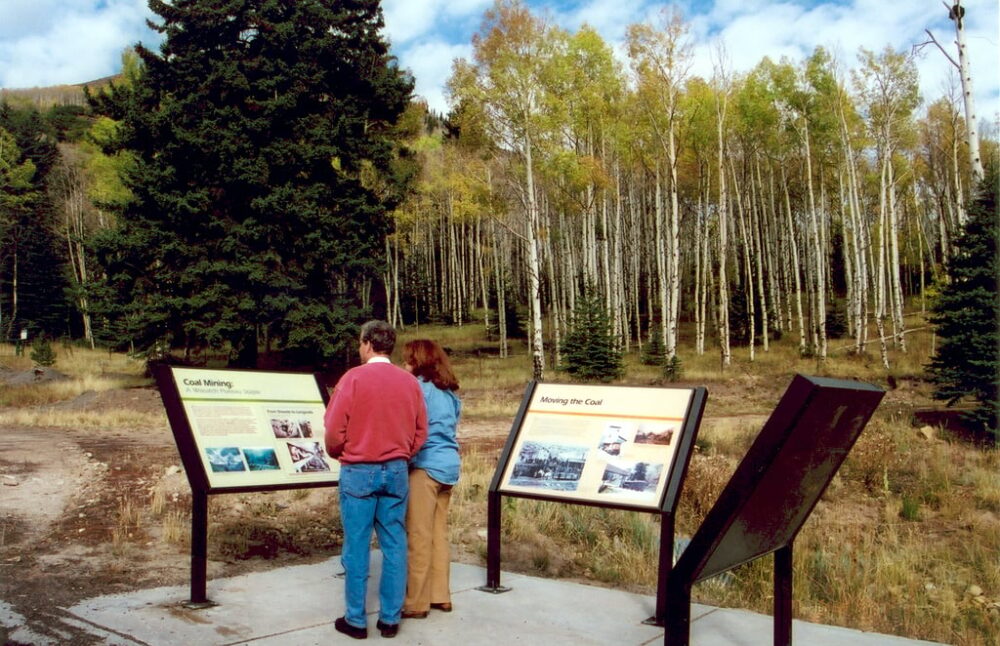
Some historic parks have updated their signage to emphasize environmental conservation or biodiversity, which can shift attention from the human history once centered there. Trail markers may point out rare native plants but leave out social or industrial histories of the surrounding area.
In forested former mill towns, for instance, interpretive materials may highlight habitat restoration efforts while skipping over labor disputes or immigration waves tied to those abandoned factories. The result narrows the lens on how the land shaped lives.
5. Public historians claim selective storytelling is reshaping national memory.
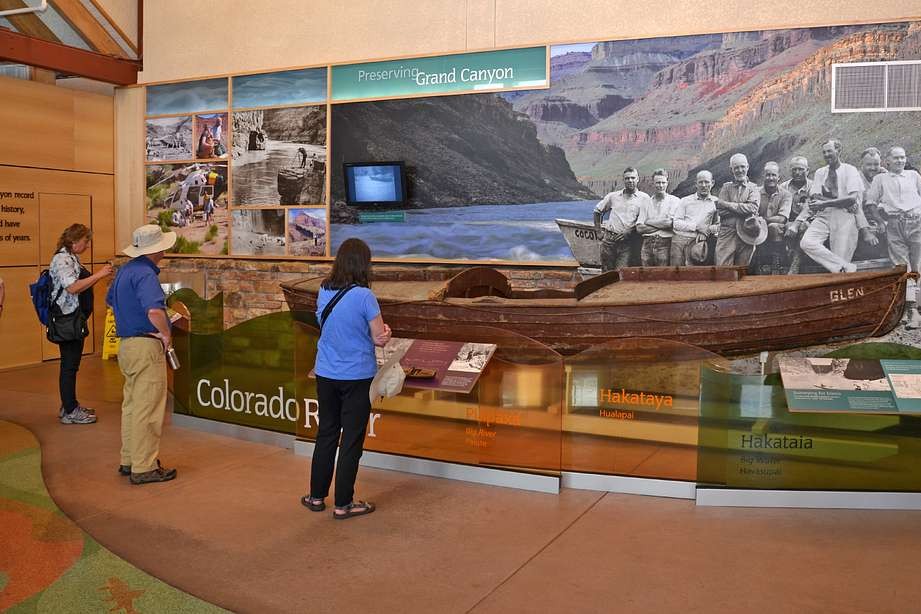
By selecting which stories to feature or expand, the Park Service can influence how Americans remember their collective past. Public historians point out that even small choices—like phrasing or image selection—affect what visitors absorb as history.
One exhibit might devote a wall to a celebrated leader while relegating everyday voices to a corner slideshow. Over time, that imbalance builds a version of national memory that echoes certain values more than others.
6. Visitors report controversial events being excluded from guided tours.

Visitors and tour groups have begun noting gaps in ranger-led narratives, especially around controversial or traumatic events. These are often moments tied to racial injustice, labor unrest, or political violence that remain sensitive or polarizing.
At a former internment camp or plantation site, the script may veer toward logistics instead of emotion—talking infrastructure before humanity. Critics suggest such omissions flatten nuance and dull the empathy that historic storytelling can evoke.
7. The agency is accused of favoring feel-good history over truth.
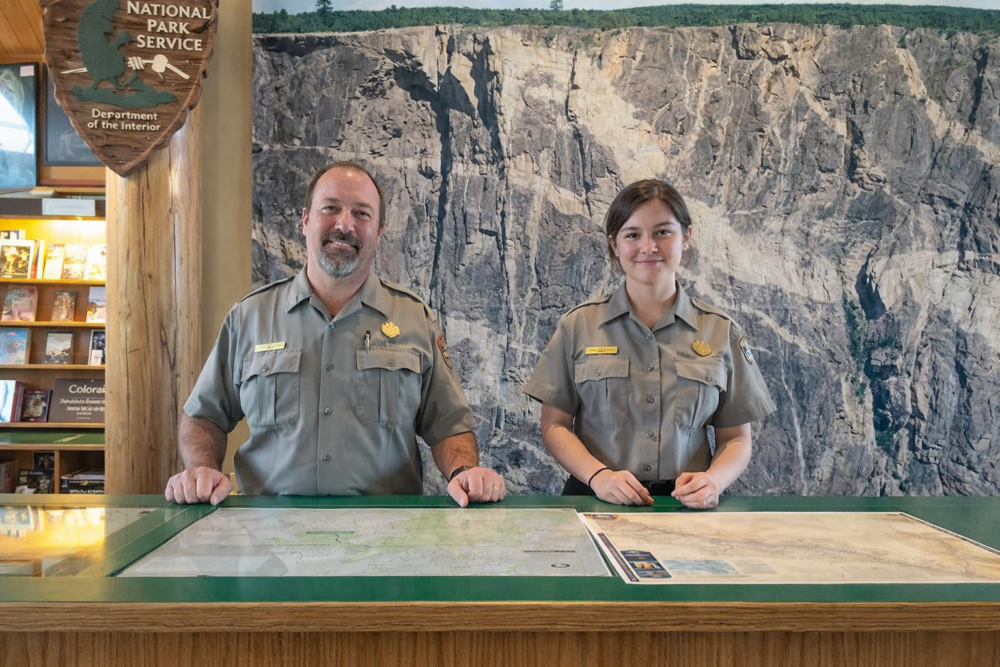
Warm tones, uplifting quotes, and tidy story arcs sometimes appear where hard facts might fit. Critics call this approach “feel-good” history: a method that favors unity and progress over acknowledging conflict or systemic harm.
Visitors might leave a restored mansion or battlefield with a sense of resolved struggle, unaware of lingering inequalities or incomplete redress. When discomfort is skipped, context shrinks—and historical understanding may follow.
8. Critics argue modern values are influencing historical interpretations too much.
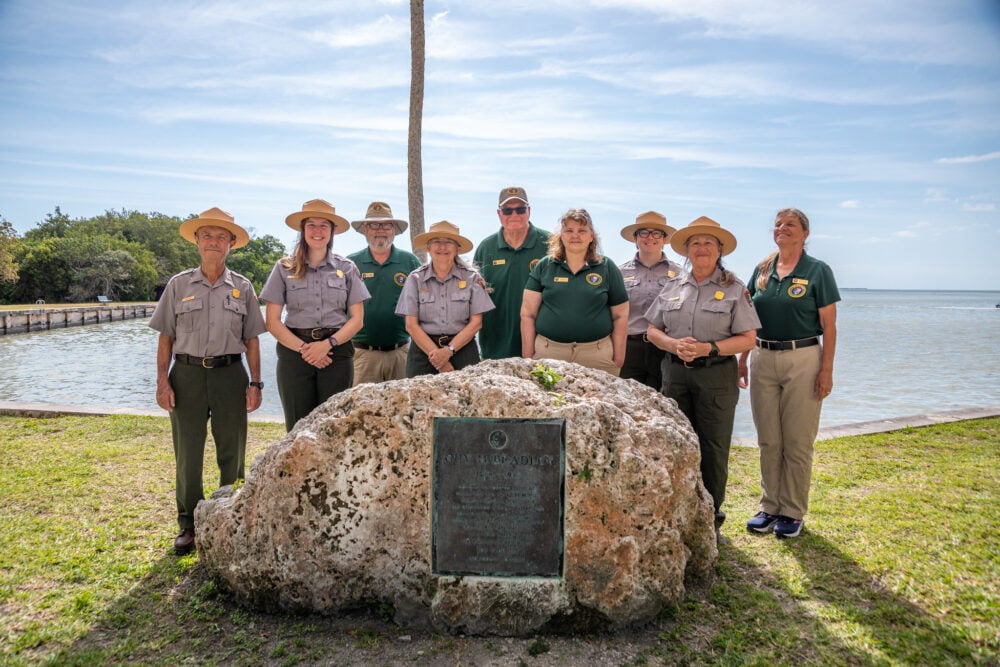
Some scholars believe contemporary values now shape how the Park Service curates the past. Present-day ideas about inclusion, representation, or ecological justice can color exhibit text or influence which figures receive dedicated tributes.
At certain sites, plaques added in recent years highlight themes like gender equity or community resilience that earlier interpretations ignored. Supporters call it overdue correction; critics warn that modern revisions risk imposing today’s lens on yesterday’s world.
9. Some say rebranded exhibits sanitize complicated or uncomfortable past events.

In redesigned exhibits, once-prominent moments—conflicts, failings, or hypocrisies—may be softened or excised altogether. Detractors call this a sanitization effort that trades historical complexity for broader comfort.
An example stands in a newly renovated town hall museum that replaces a jail cell exhibit with a mural of local festivals. The shift brightens the tone but leaves behind tough truths tied to incarceration or protest in that space.
10. Historical reenactments are allegedly being altered to fit new narratives.
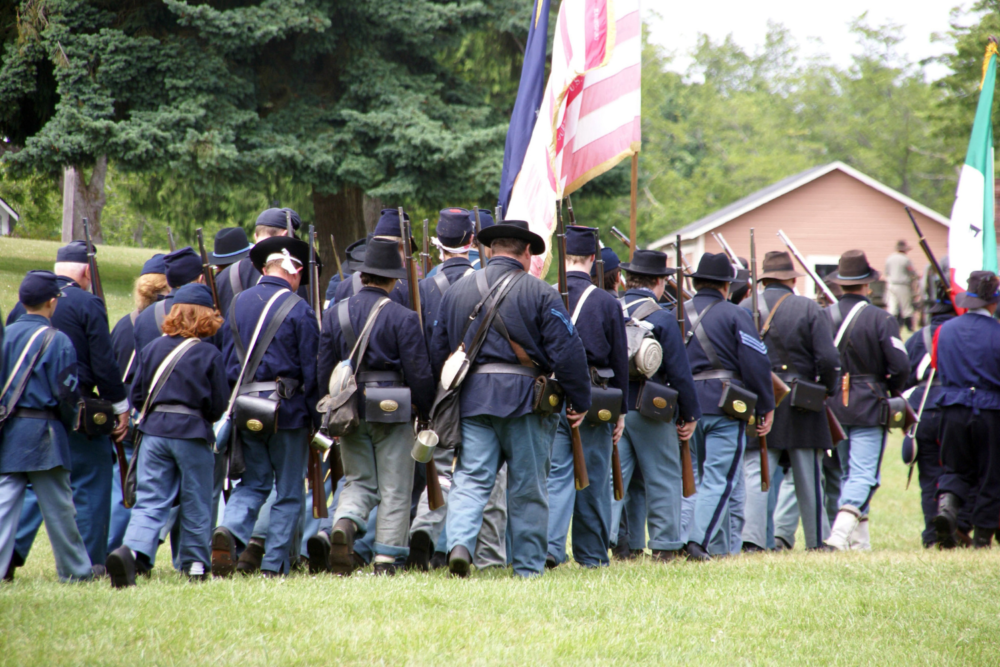
Changes to live historical reenactments have stirred debate about authenticity. Updated versions may omit violent acts, restructure dialogue, or alter character roles to align with public sensibilities or safety standards.
During a recent frontier battle reenactment, actors swapped rifles for choreographed shouts and filed disputes through mock councils, framing diplomacy where combat once defined the scene. While safer and more inclusive, the shift alters how audiences experience past norms.
11. Detractors claim political pressure shapes which history gets preserved.
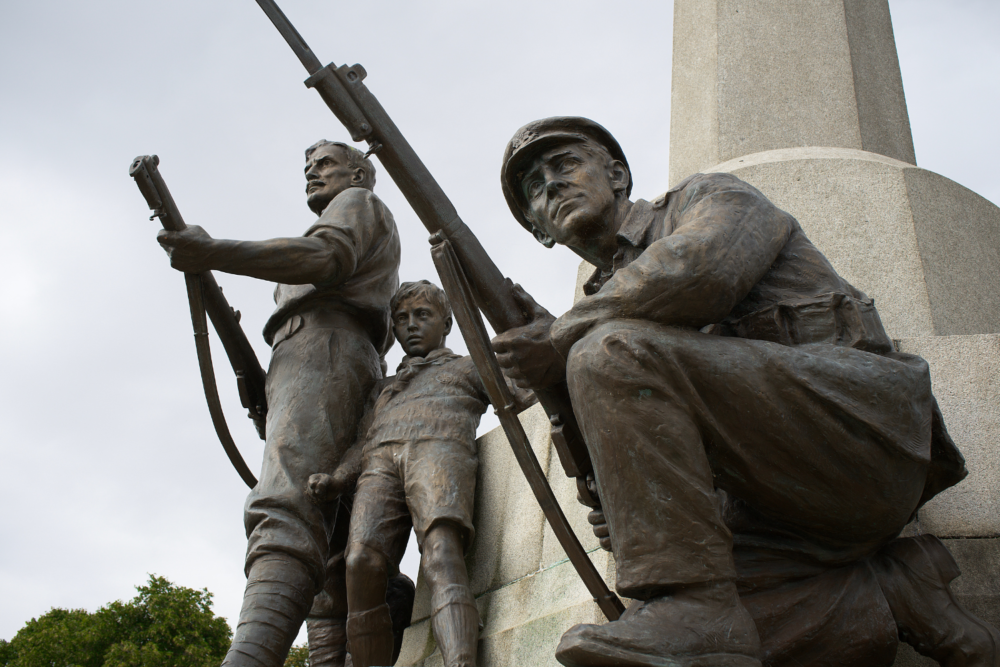
Researchers point to instances where political dynamics or funding pressures appear to shape preservation priorities. In contested cases, certain histories receive more attention or protection than others based on who supports their commemoration.
At a border fort, for example, a project highlighting military legacy receives full backing while efforts to explore migrant labor camps nearby stall. Critics say the uneven spotlight reveals how some pasts are deemed more valuable—or palatable—than others.