
Address recurring pet waste issues calmly using clear steps, from polite talk to local rules
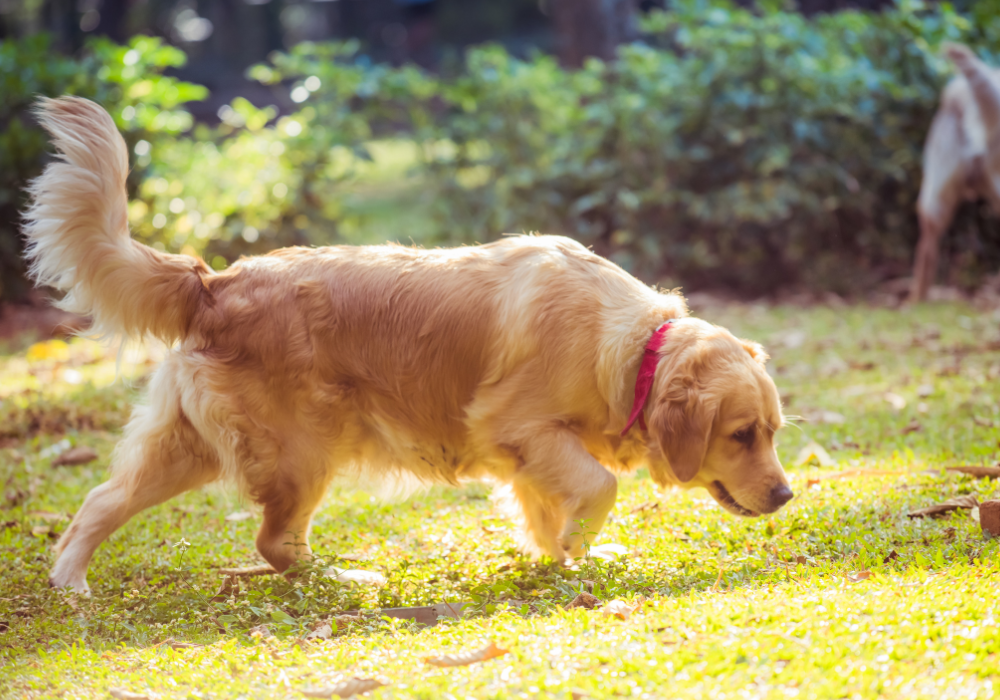
When a neighbor’s dog repeatedly relieves itself on your property, it’s more than just a nuisance. It can strain neighborly relations, damage landscaping, and create health concerns. Handling it well means balancing clarity with courtesy. Whether the visits are accidental or habitual, knowing when to document, when to speak up, and when to involve local authorities can help resolve the issue while keeping things civil on your street.
1. Stay calm and avoid reacting emotionally in the moment.

Strong feelings often rise quickly when unexpected mess or damage appears on your property, especially when it comes from a neighbor’s pet. A sudden wave of irritation might seem justified, but acting on that can make a brief problem turn into a long-lasting conflict.
Letting tension settle before addressing the issue creates space for more honest, less defensive exchange. A calm approach signals that you’re interested in resolution, not confrontation—something especially helpful when your back gate and theirs sit just three feet apart.
2. Document the incident with photos or a brief written record.

Keeping a quick photo or jotting down details serves a clear purpose: documenting patterns. Whether it’s a recurring spot near the mailbox or an early-morning routine, records can show frequency, not just frustration—critical in moving from annoyance to action.
This quiet step often goes unnoticed yet becomes essential if conversations stall. A neatly dated note or discreet phone photo holds more weight than memory, especially when shared neutrally with a neighbor or, if needed, local authorities.
3. Identify which neighbor owns the dog in a respectful way.

Dogs aren’t always walked on leashes, and some wander briefly from their home yard to yours. Finding the owner respectfully begins with observation—not accusation—as collars, schedules, or even paw prints through flowerbeds can reveal the likely culprit.
Subtle indicators help avoid awkward guesswork in a close-knit area. A scribbled name on a frisbee or a neighbor routinely hauling a leash at dusk may connect the dots without causing embarrassment or false blame.
4. Approach the neighbor politely to discuss what happened.

Opening with a friendly tone can keep conversations from hardening. A driveway exchange or doorstep hello—unhurried and low-stakes—creates a platform to raise a concern without raising voices.
Timing helps. A moment after trash bins are wheeled out or mail is casually retrieved provides breathing room to talk without pressure or distraction, allowing concern to play out as observation rather than confrontation.
5. Explain the issue clearly without assigning blame or judgment.

Precision matters when explaining the issue—what happened, when, and where—without drifting into assumption. Pointing to a specific event, like finding waste on garden mulch by the west fence, keeps the facts front and center.
Clear language leaves less room for misunderstanding or denial. Accusations stir resentment, but observation invites acknowledgment, especially when repeated events follow a quiet pattern over time.
6. Suggest a friendly solution like a designated walk area.

Friendly solutions often feel like shared wins. Mentioning a small grassy stretch where dogs already stop or suggesting a quick cleanup station near the sidewalk encourages cooperation without assigning fault.
Treating it as a shared neighborhood quirk—and not a problem caused by ‘them’—lends the exchange an easy rhythm. It turns pet ownership into a common thread, not a dividing line.
7. Set clear boundaries for where pets are not welcome.

Establishing where pets don’t belong works best when it’s specific and visible. A low planter, small sign, or decorative edge around a lawn doesn’t just guide dogs—it gently nudges humans, too.
Nonverbal cues offer polite reminders, especially in repeated situations. They clarify that a space is tended and claimed, like a raised bed with fresh herbs or a gravel patch meant for shoes, not paws.
8. Follow up if the problem continues despite your earlier conversation.

Sometimes, one conversation doesn’t stretch far enough. If the same pattern keeps unfolding, calmly circling back shows consistency without turning up the temperature.
Bringing up previous talks, especially with patience, reinforces boundaries without surprising your neighbor. From shared fences to sidewalk chatter, repetition keeps your concern present but not aggressive.
9. Check neighborhood regulations to understand your property rights.

Local ordinances often give shape to where responsibility begins and ends. Many towns regulate pet waste and require precautions on private property, with clear language around enforcement.
Laws can shift from street to street, so a short online search or five-minute call to the county office can clarify rights. For example, leash requirements on your side of the street might differ from theirs just two houses down.
10. Involve local authorities only if all other efforts fail.

If friendly approaches fall flat and boundaries get ignored, it sometimes takes a formal step. Many municipalities allow reports after multiple failed attempts to resolve issues face-to-face.
Local animal control or code enforcement officers often start with warnings before stronger action. Letting them step in removes pressure from the personal relationship, especially if shared yards, sidewalks, or holiday block parties lie ahead.