
These vintage gadgets from the 1990s are earning a second life as creative side hustles

Old tech toys from the 1990s aren’t just relics of childhood—they’re proving surprisingly useful for side hustles today. From clunky handheld games to once-popular music players, these gadgets are finding new value among collectors, creators, and resellers. Whether you’re flipping them online, using them for projects, or tapping their visual charm, a little nostalgia can go a long way toward boosting your income with retro flair.
1. The Tamagotchi that taught kids responsibility and digital patience.
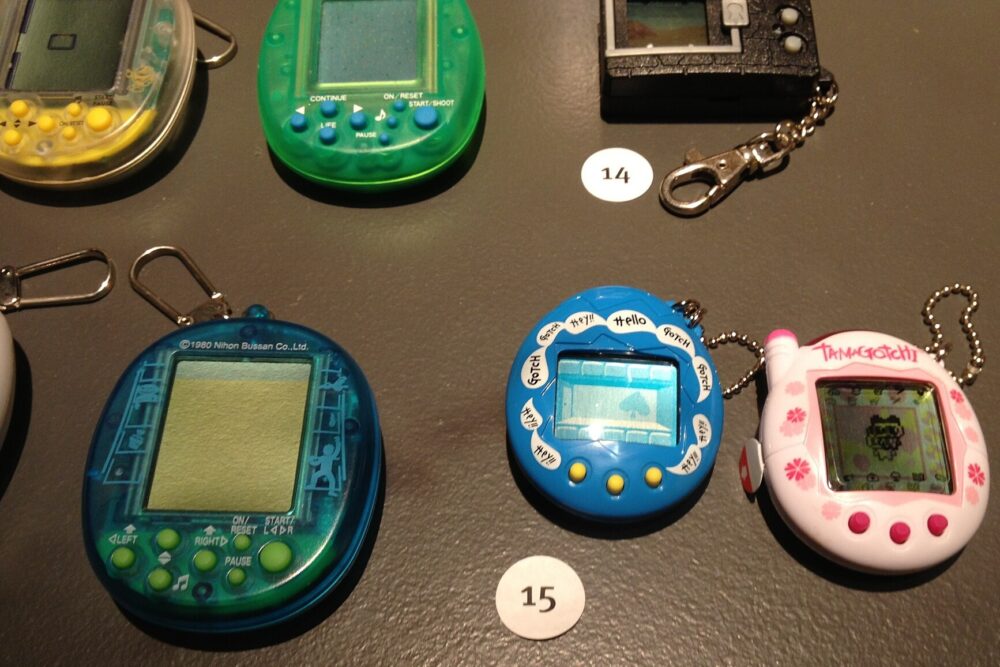
Tamagotchis were digital pets small enough to loop onto a key ring, requiring regular care through pressing buttons and navigating pixelated menus. Originally designed to mimic pet ownership, they trained users in daily attention spans, routine scheduling, and a kind of arcade empathy one beep at a time.
Years later, intact Tamagotchis—especially first-generation models with working batteries—surfaced online as collector bait. A former badge clipped to a backpack in fifth grade might now sell beside vintage Polaroids and acid-washed denim, appealing to nostalgia-driven buyers and pop culture archivists looking for original packaging or rare shell colors.
2. The Talkboy recorder turned makeshift podcasting gear for budding creators.
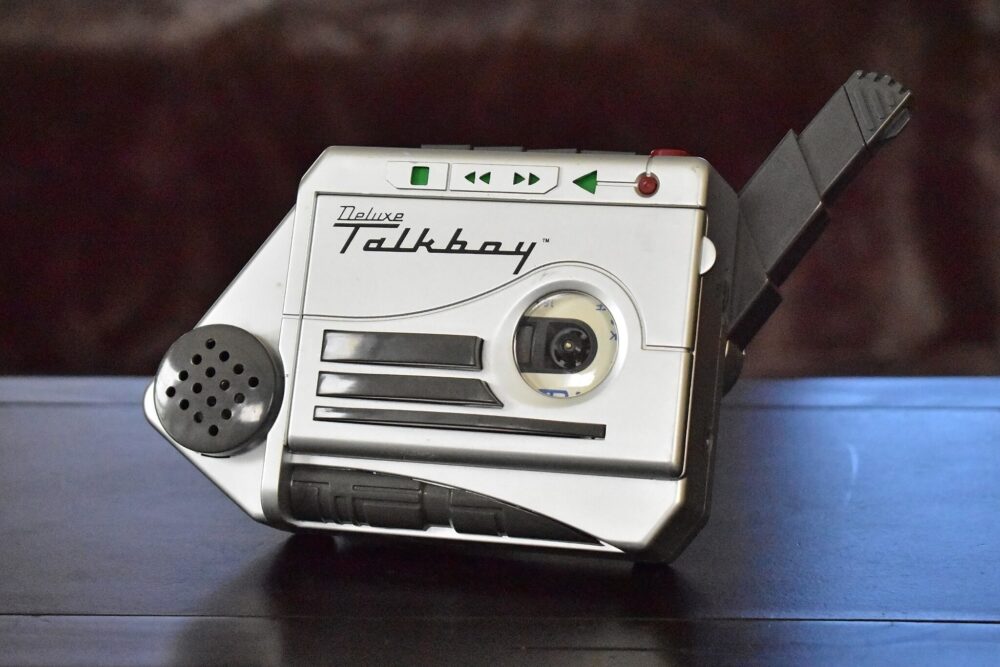
The Talkboy, shaped like a futuristic silver recorder, blended novelty with function by letting kids record and distort their own voices. Made iconic by a certain holiday film, the cassette-based device was built to prank, narrate, or even pass as low-grade production equipment.
Decades on, content creators have picked up old Talkboys to use as lo-fi podcasting tools or prop microphones. Their retro buzz adds texture to voiceovers or interviews, much like analogue film adds a layer of grit to digital media—and working models now fetch steady resale value on collector sites.
3. The Game Boy Camera that inspired early selfie experimentation.

Nintendo’s Game Boy Camera plugged into the handheld console like a squat cartoony lens, snapping tiny grayscale photos at 128×112 pixels. Users filtered, framed, or even added stamps to their shots, back when selfies meant using the mirror in the background.
That playful experimentation helped early adopters discover image making not as perfection, but as expression. Today, digital artists embrace the camera’s crude sensors to create zine-worthy portraits or pixelated albums, sometimes reselling cartridges bundled with original printouts on niche platforms where visual nostalgia has high status.
4. The Casio keyboard used for DIY music and garage gigs.
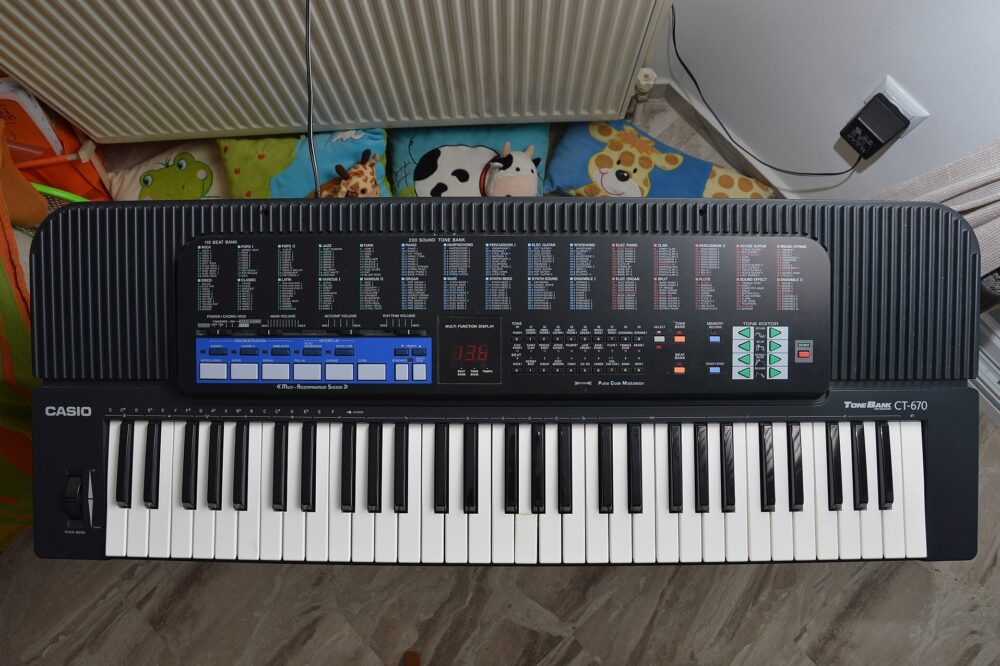
The Casio keyboard—compact, plastic, and often battery-powered—served as a gateway instrument for kids exploring chords and basic beats. Many models featured built-in rhythms or sound effects that could loop beneath amateur melodies in bedrooms or basements.
Small-time musicians later repurposed these same boards for garage recordings, beat demos, and local gigs. With a warm hiss and near-toy acoustics, old Casios exude charm that modern plugins often try to replicate; on resale sites, functioning units paired with working adapters can command surprising prices from hobbyists and sound designers alike.
5. The Yak Bak toy that fostered custom jingles and voiceovers.
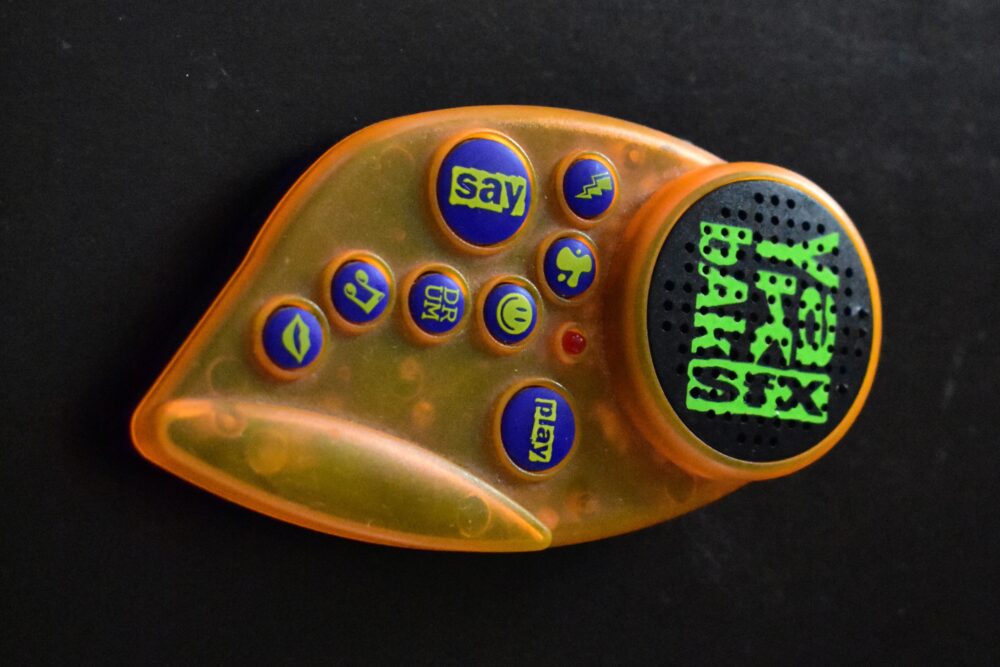
Yak Baks recorded short phrases and played them back with simple distortions, turning a few seconds of speech into high-pitched jokes or clever rhymes. They fit in a pocket and came in outrageous colors like neon green and grape purple.
Today, voice artists and micro-creators experiment with Yak Baks as tools for making quirky jingles, podcast idents, or character tags. Even if the sound isn’t studio-grade, the format itself offers creative constraints—and units in working shape with original stickers often get scooped up quickly at collector fairs or online auctions.
6. The HitClips music player used to share early mixtape samples.

HitClips shrank popular songs into one-minute mono snippets played through keychain-sized players. Kids used them like social tokens, swapping titles from boy band hits to bubblegum pop in cafeteria corners or carpool lines.
Retro music fans nostalgic for minidisc-era quirks now hunt for full sets—player and chips still sealed in plastic bubbles. Sellers with working units can appeal to collectors interested in early portable audio, especially models shaped like glitter radios or boom boxes, packaged with paper inserts or fake radio station branding.
7. The Easy-Bake Oven reimagined as a snack-selling starter kit.
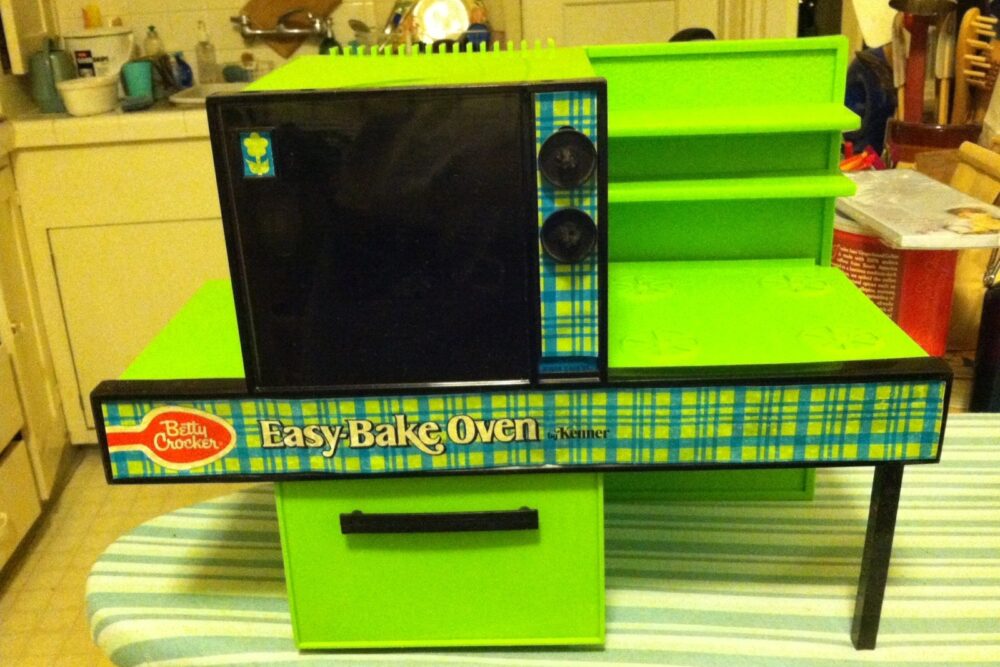
The Easy-Bake Oven baked cookies and cakes from mix packets using a small internal bulb. Its pastel shell and plastic trays delivered just enough warmth to create a fudgy brownie bite or undercooked cupcake topped with sugar crystals.
Beyond play, it introduced some kids to the basics of portion control, timing, and flavor tweaking. Years later, those ovens reappear as nostalgic food props or novelty sellers’ tools—used to offer tiny treats at pop-ups or local events, where kitsch and flavor combine. Working models in clean condition often sell well when paired with replacement mixes.
8. The See ‘n Say toy adapted for playful language tutoring.

See ‘n Say toys used a spinning arrow and pull-string to match pictures with recorded sounds. Known for cow moos, pig oinks, or foreign language phrases, they doubled as both game wheel and mechanical speech trainer housed in loud, flat plastic.
Later, enterprising tutors modified or dubbed over the voice wheel to teach basics like alphabet phonics or vocabulary terms. Their analog mechanisms allowed personalization with light DIY effort, and tech-savvy educators sometimes used them in early-language settings where tactile interaction beat screen fatigue. Functional toys with intact strings often find eager resale buyers.
9. The Tiger handheld games flipped for profit at weekend markets.
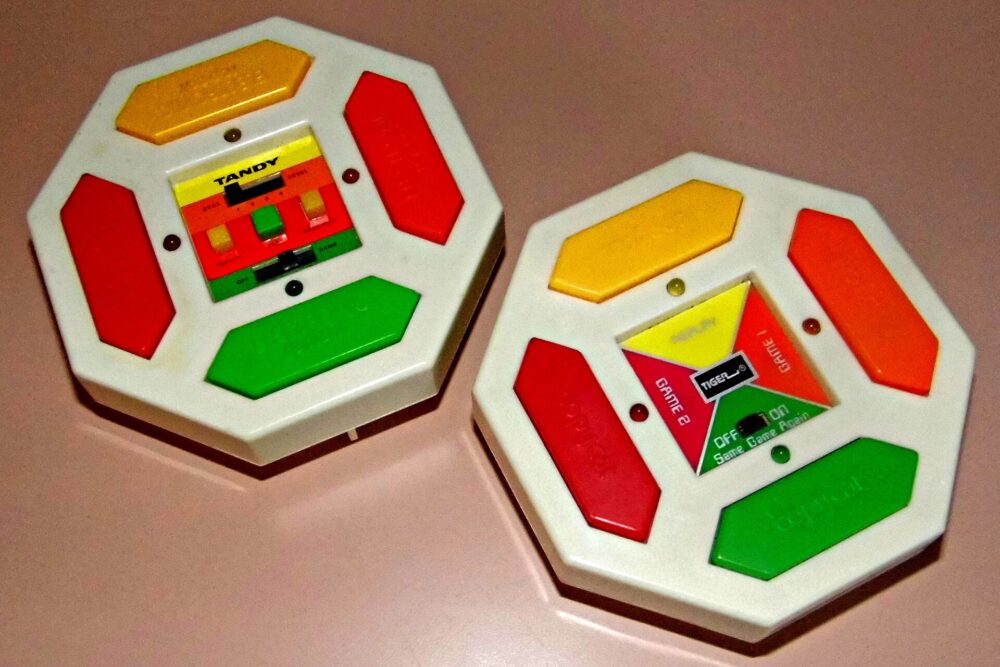
Tiger handheld games came in molded cases decorated with bright decals and a single-color LCD screen. Each one played a slimmed-down, repetitive version of a single title—often relying on reflexes and pre-set actions rather than choice.
As retro gaming surged, complete collections or rare variants gained traction at flea markets and seller forums. Gamers searching for childhood titles, especially those with movie tie-ins or working sound buttons, see these as affordable alternatives to pricier console cartridges. Crisp casing, readable screens, and original blister packaging sharply raise resale interest.
10. The that helped launch early mobile businesses.

The Pagemate beeper clipped onto beltloops or backpacks as a sign of early digital connectivity. Messages were numeric or short-word codes sent through pager networks, most commonly used by tweens feeling tech-forward or small businesses hoping to stay in touch.
Over time, some young entrepreneurs used beepers to coordinate curbside services—dog walking, tech help, or bike messengers operated largely by word of mouth. Collectors now seek units that still power on or come with leather holsters and matching user guides, seeing them as relics of pre-smartphone hustle in a plastic-and-LCD shell.