
Overcrowding shifts from inconvenience to disruption, changing how we experience and access nature’s landmarks

As visitor numbers rise in national parks, the experience of natural wonder increasingly collides with human congestion. Packed parking lots, crowded trails, and restricted access are becoming the norm rather than the exception. The very qualities that define these spaces—solitude, scenery, and stillness—can feel compromised. Understanding how overcrowding reshapes visits helps travelers navigate changing conditions, while encouraging choices that protect both enjoyment and environmental integrity for future explorers.
1. Longer lines form at visitor centers and popular trailheads.
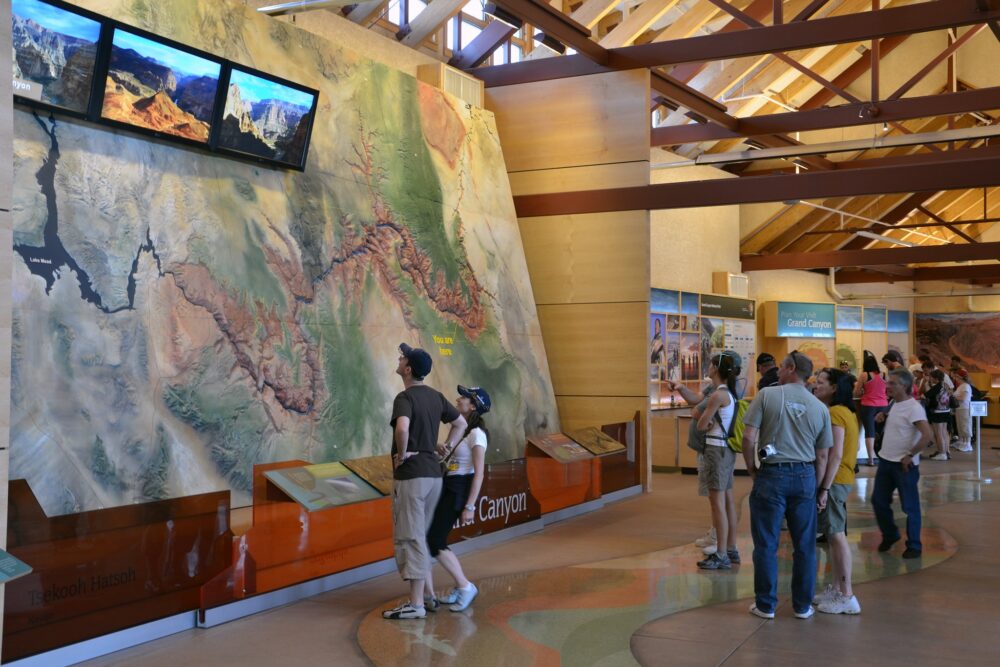
Crowd buildup starts early at national parks, often centering first around visitor centers and major trailheads. Staff distribute maps and guidance while long queues form by midmorning, stretching past interpretive signs and shaded benches meant for brief stops, not extended waits.
As the day warms, delays ripple outward: information desks slow, shuttle pickups stall, and lines at snack shops lengthen. A family hoping to head out quickly may instead wait 30 minutes just to speak with a ranger about trail conditions.
2. Parking lots fill early, leaving fewer options for late arrivals.
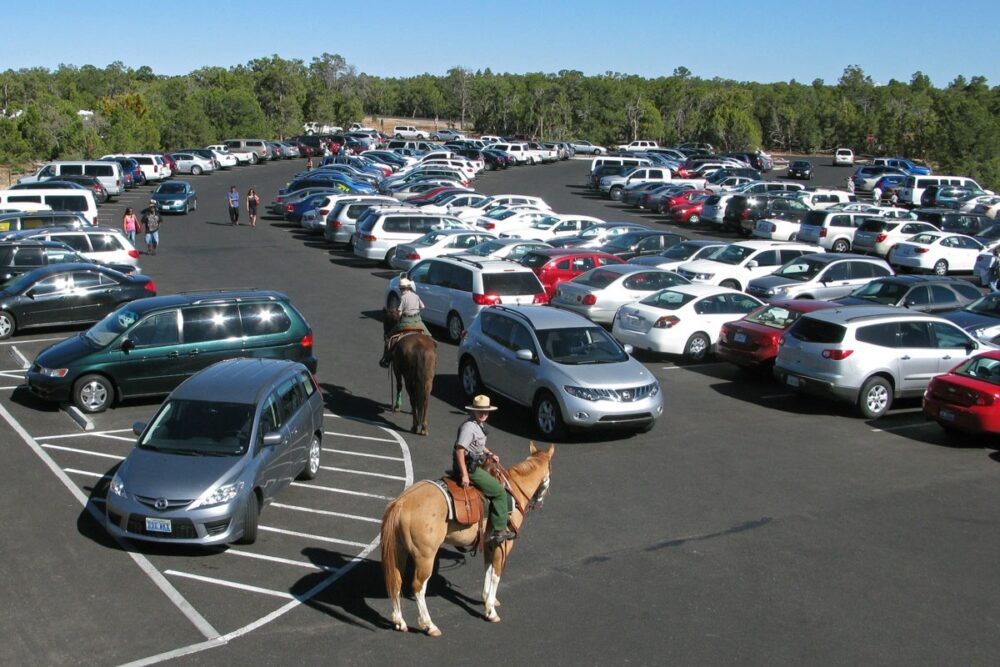
Empty parking spots vanish quickly, especially near trailheads with panoramic payoffs or waterfall access. At sunrise, lots start to fill with rooftop tents and bike racks, despite the day’s heat still hiding behind the ridge.
When formal lots reach capacity, makeshift parking begins. Cars spill into grassy shoulders or block service entrances, drawing citations that sour what should have been a relaxed arrival. Latecomers drive in circles, burning gas and patience while searching for a clearing near the park’s busiest zones.
3. Trails become congested, making solitude harder to find.
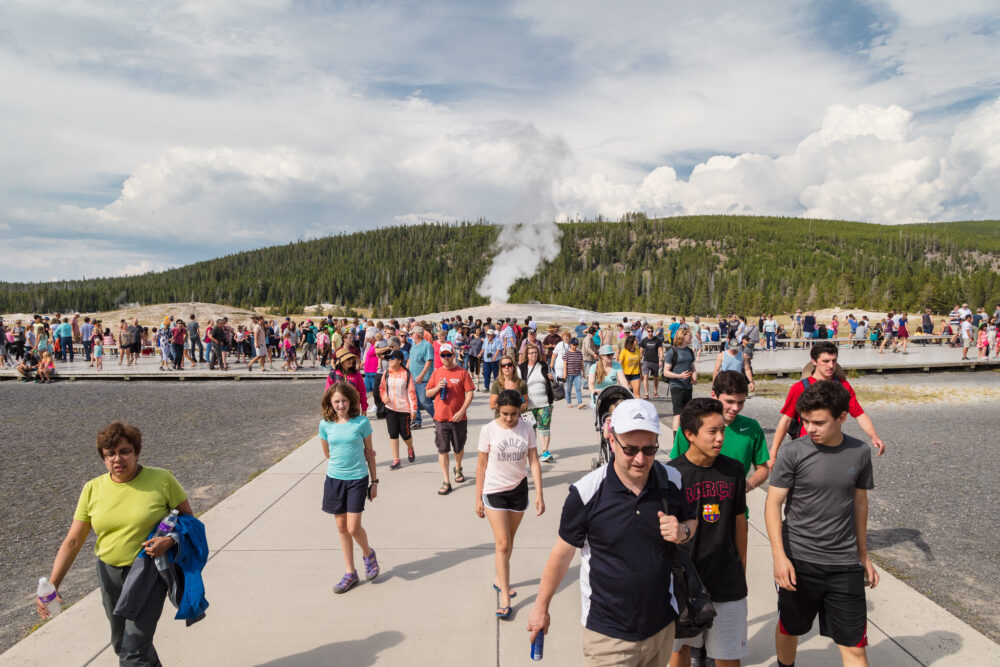
Trails designed for quiet reflection now carry a pulse of constant foot traffic. Hikers pause not for views but to let queueing groups pass, stepping aside into pine needles or gravel while voices echo ahead.
On narrower paths, bottlenecks form where switchbacks or overlooks limit movement. People bunch near summit markers or creek crossings, trading solitude for chatter and camera shutters. A trail once rhythmic transforms into a shuffle of elbows and apologies.
4. Reservations may be required for hikes once open to all.
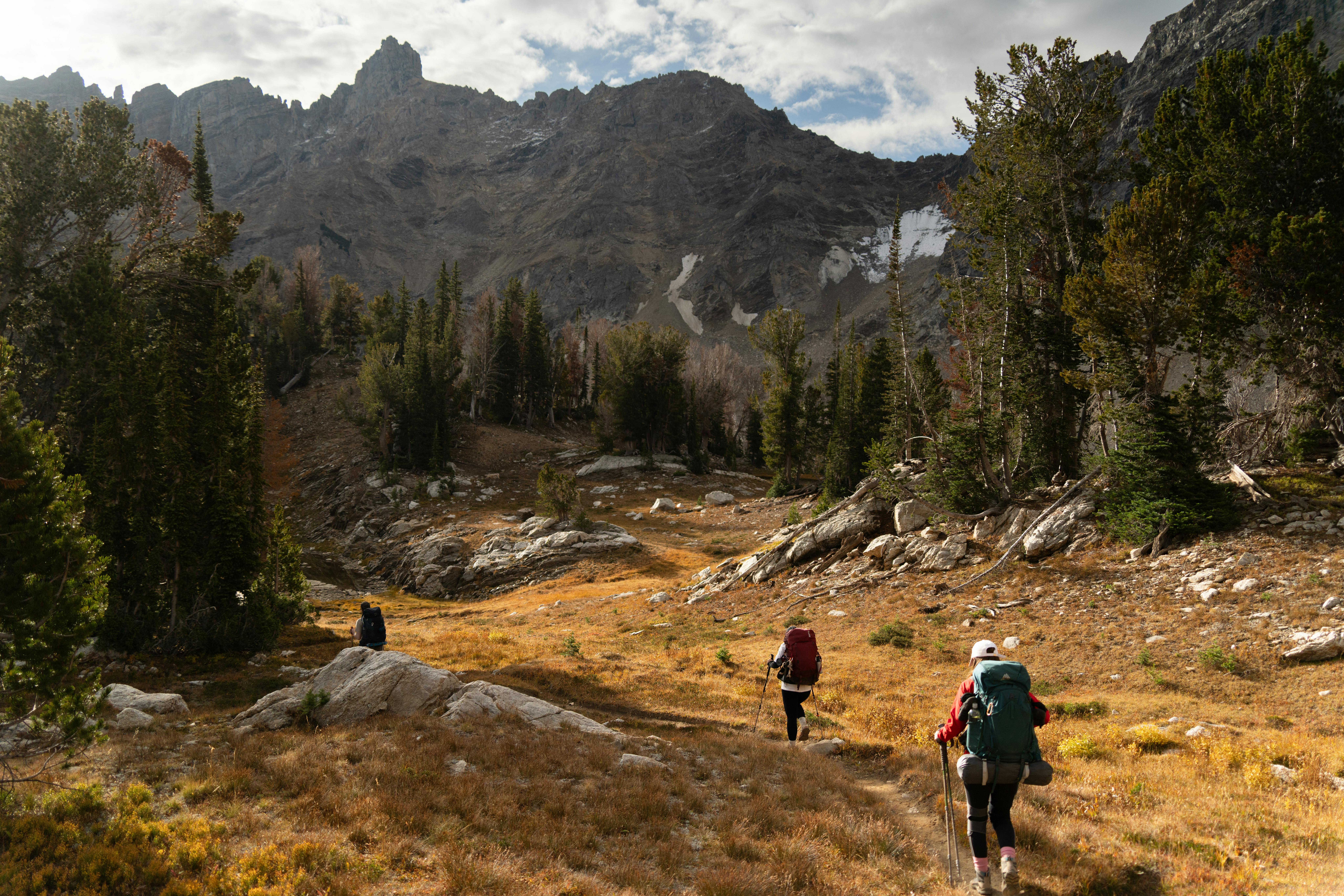
Permits once unnecessary are now gatekeepers for access at high-demand sites. Iconic hikes such as narrow canyon slots or cliffside ledges often cap entries through timed reservations managed weeks in advance.
Without one, even eager hikers may find themselves turned away from trailheads or rerouted entirely. The shift emphasizes planning over spontaneity, reshaping how many approach wilderness—not as open terrain, but as scheduled rendezvous with nature’s highlights.
5. Wildlife sightings decrease as animals retreat from heavy traffic.

Deer, bears, and songbirds often withdraw when humans arrive in numbers. The brush stays still, and birdsong fades, as morning’s calm gives way to movement and echoing voices across meadows and streams.
Increased presence and noise push wildlife deeper into less accessible areas. Spotting even a squirrel becomes rare where once marmots poked from rock piles or elk grazed beside roads. For many, the absence becomes the most noticeable feature of the visit.
6. Ranger programs reach capacity faster, limiting educational access.
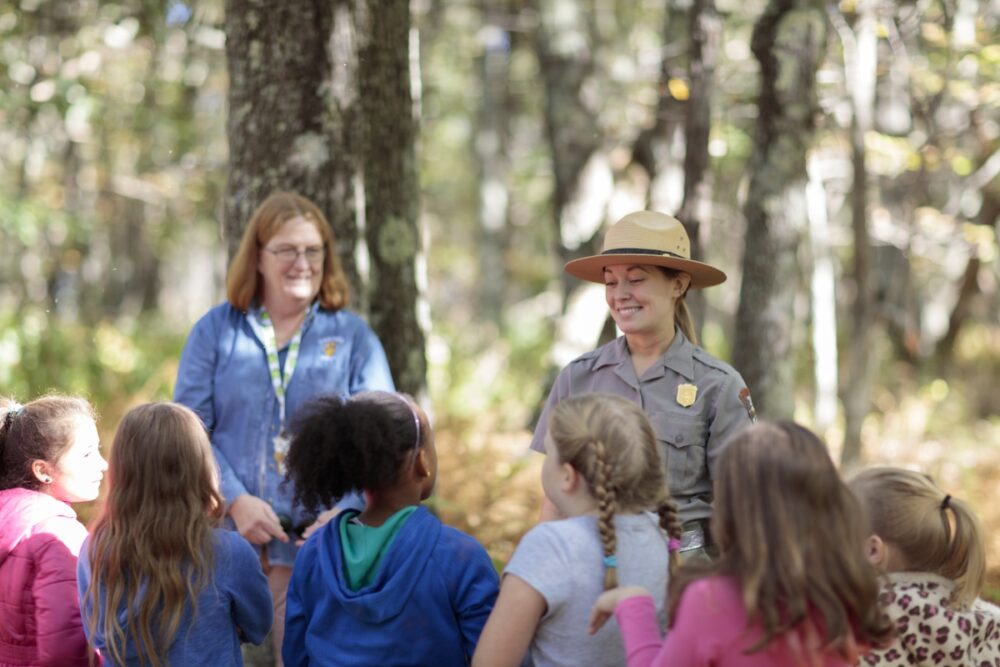
Ranger-led talks once delivered under spreading pines now hit attendance limits minutes after being posted. Acoustic guides strain their voices to reach larger crowds, while children push forward for a better view of animal pelts or fossil casts.
Some late arrivals stand beyond earshot, missing not just the session but the interpretive context that gives landscapes meaning. When programs can’t accommodate all, those informal lessons—how a glacier shaped a valley, how fire regenerates a forest—are lost in the shuffle.
7. Restrooms and facilities face more wear and longer wait times.
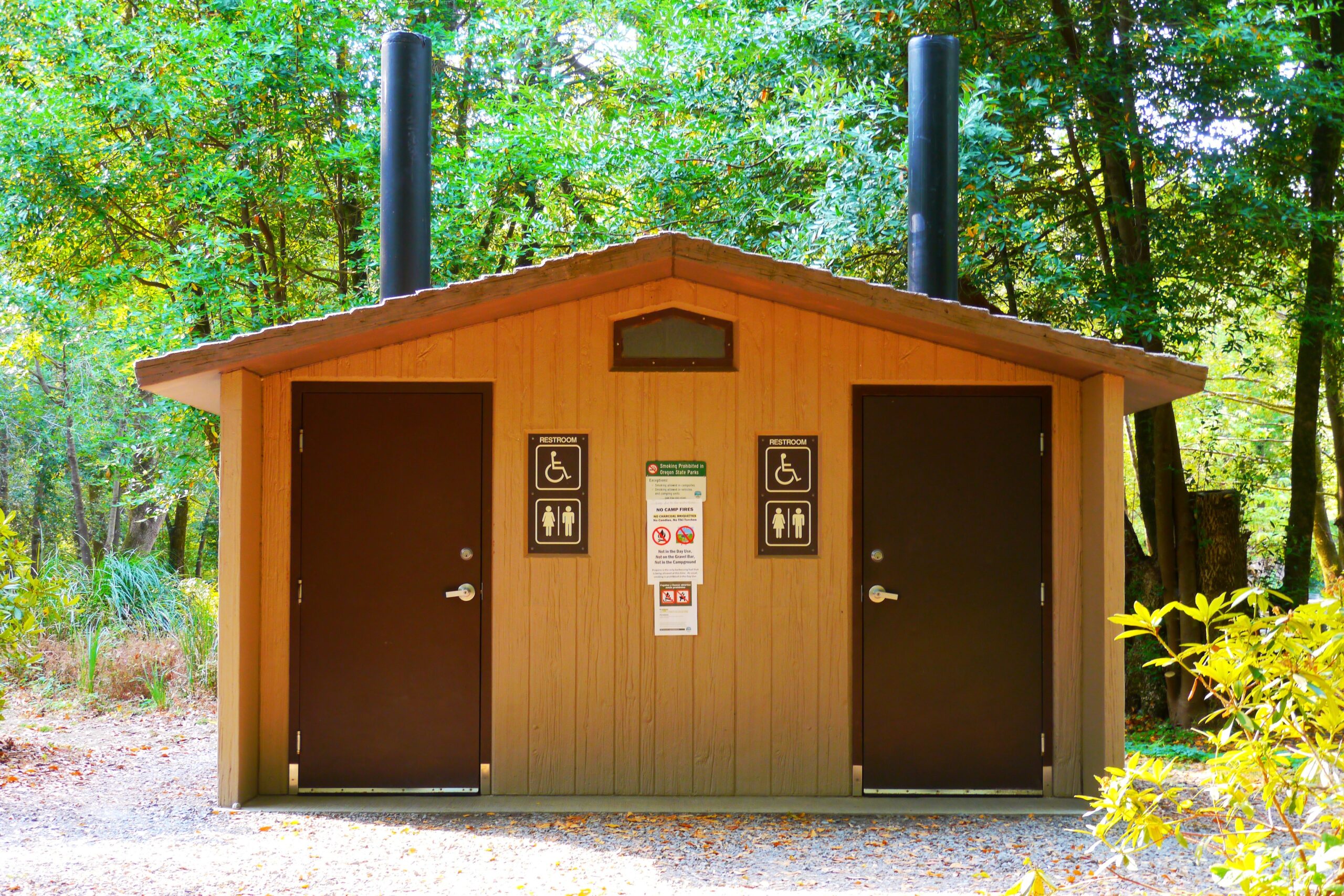
Facility strain creeps in where infrastructure never scaled with visitation. Restrooms built for dozens now serve hundreds; soap dispensers run dry by noon, stalls stay occupied long past comfort, and trash bins overflow with snack wrappers and sunscreen wipes.
Waiting for a restroom can rival the length of a short trail. Maintenance crews work double shifts, but high use dulls paint, breaks fixtures, and spreads wear that quickly shows in chipped tile and water-stained corners.
8. Overcrowding increases noise, changing the natural soundscape.
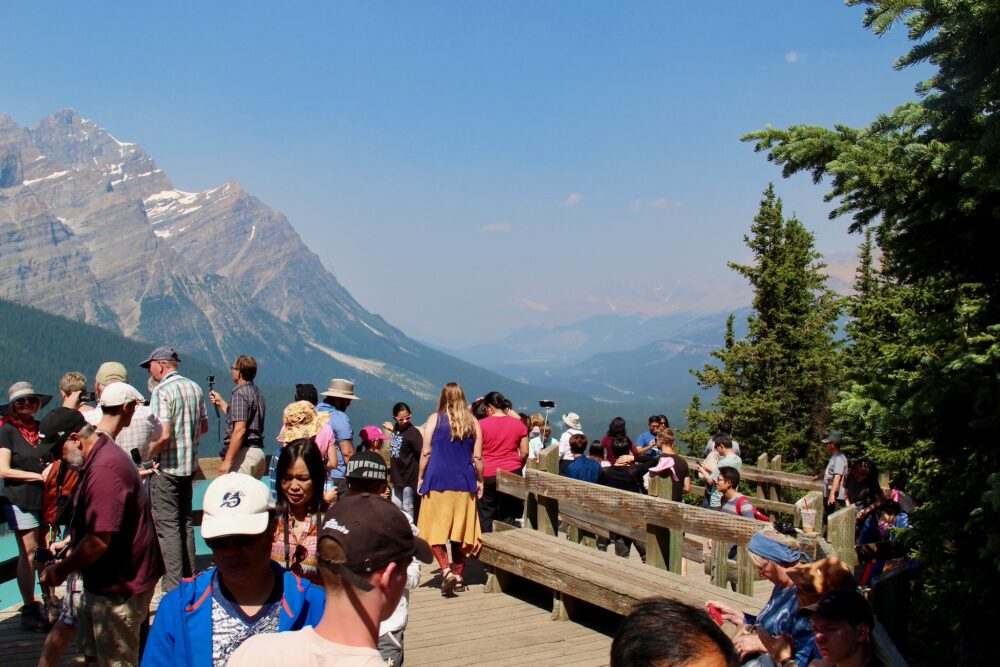
Birdsong and wind through trees once immersed visitors in the natural quiet. Crowds replace that soundscape with snippets of conversation, ringtone chirps, and the crunch of hundreds of boots over gravel.
High noise levels don’t just interrupt reflection—they also affect wildlife behavior. Songbirds may avoid nesting near trails, while predators rely on acoustic cues that human commotion drowns out. Nature isn’t silent, but in crowds, its sounds are often missing.
9. Campsite competition rises, making spontaneous trips less feasible.
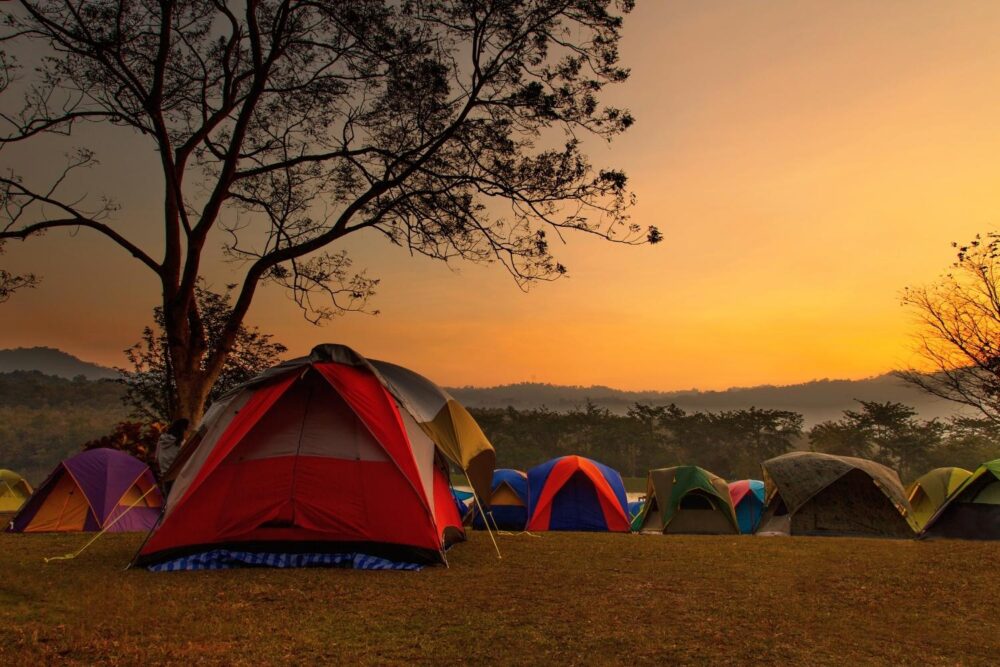
Campsites that once offered flexibility now book out months ahead. Tent pads require advance reservations, and walk-in options vanish before noon, even at quiet campgrounds where chipmunks dart across fire rings.
Spontaneous travelers struggle to find room, especially on weekends. The unease grows as car trunks stay loaded, heads scan clipboards on full reservation boards, and dusk approaches with no open site in view. Flexibility gives way to logistics.
10. Scenic views may be obstructed by crowds and camera phones.
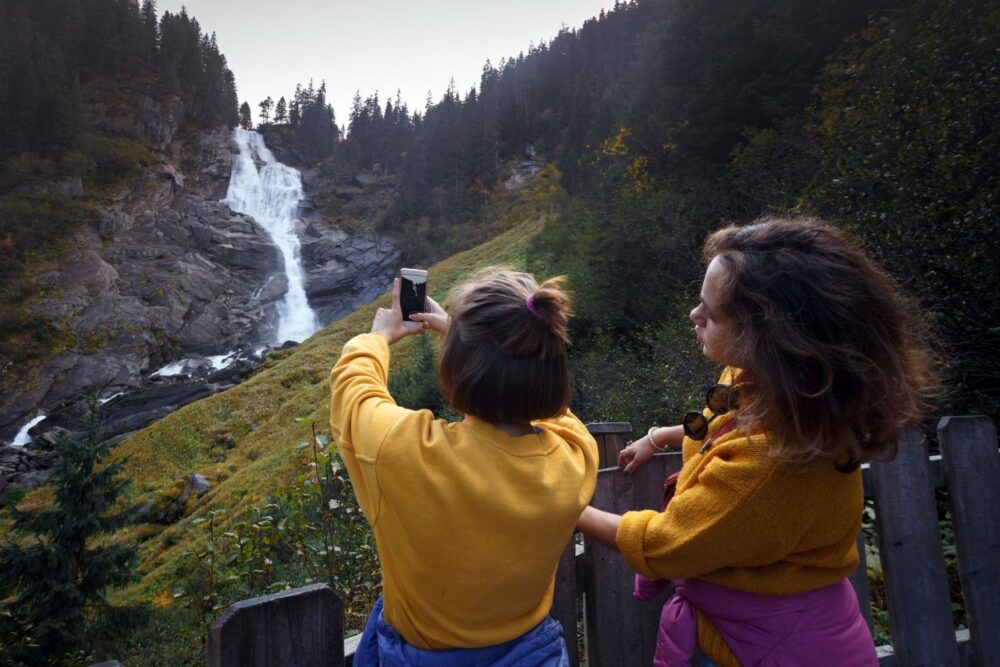
Popular overlooks resemble festivals more than mountaintops. Sunset-seekers cluster with telescoping selfie sticks and tripods, staking territory an hour early on outcrops meant for fleeting pauses.
What was once a sweeping vista becomes layered with silhouettes—hikers overlapping horizon lines, arms raised mid-capture, flashes firing in rapid succession. The landscape remains unchanged, but the perspective shifts, altered by the crowd framing the view rather than nature itself.
11. Park staff shift focus to crowd control over conservation.

Park rangers divide their attention between ecology and human flow. Tasks once centered on trail ecology or flora monitoring now include directing foot traffic and managing shuttle queues by laminated signs.
Time once spent tagging wildlife or restoring habitats funnels instead into controlling congestion. As visitor management becomes a larger job, fewer hands support backcountry upkeep or scientific research, tilting the balance between stewardship and logistics in daily operations.
12. Some areas close temporarily to allow nature a break.
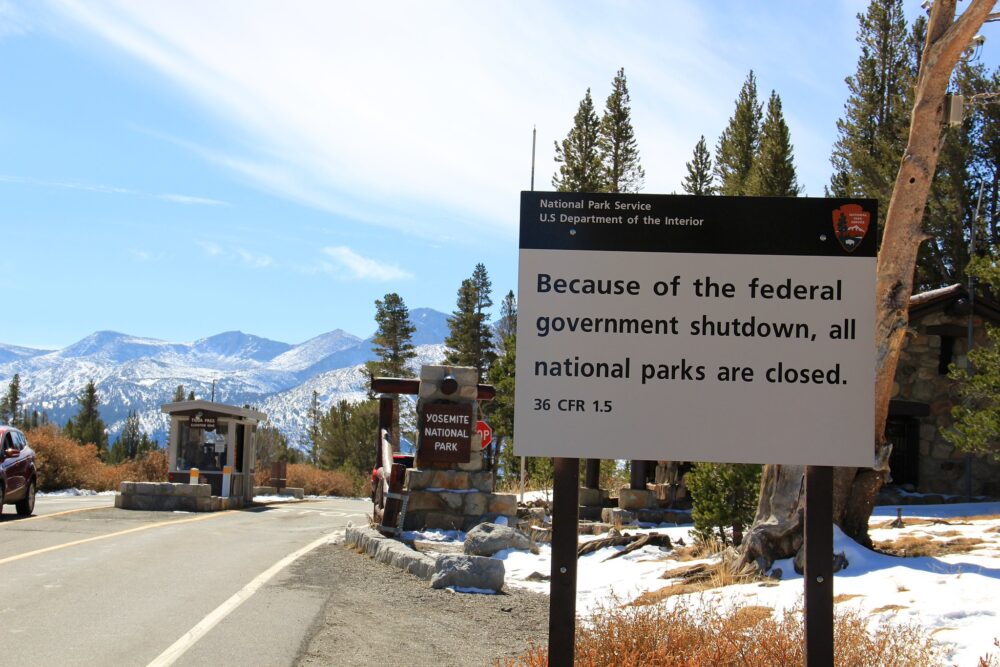
Heavy use can force temporary closures when natural systems show signs of stress. Trail erosion worsens, soil compacts, and rare plants disappear from trampling, prompting rotating area shutdowns that last weeks or more.
Signs go up fast: ropes across paths, bilingual notices posted at junctions, orange mesh fencing near sensitive wetlands. While closures protect fragile ground and give it a break, they also shape visitor flow and reduce hands-on access to parts of the terrain.