
Artists whose bold visions went unnoticed in life but shaped culture long after their deaths

History often misjudges brilliance in the moment. Many artists now seen as legendary were once dismissed, forgotten, or ignored entirely during their lifetimes. Only after their deaths did shifting tastes and deeper cultural reflection bring their work into focus. From painters and poets to photographers and musicians, posthumous fame reveals how art can outlast its own era, changing minds and redefining influence long after the artist is gone.
1. Vincent van Gogh, the painter behind sunflowers and starry nights.

Vincent van Gogh sold only a few paintings in his lifetime, often struggling with poverty and mental illness. His thick, impasto brushstrokes and moody skies were not aligned with the prevailing tastes of late 19th-century Europe.
After his death, the emotional voltage of his work attracted new audiences as art patrons shifted toward modernist expression. The yellow dining chairs and swirling stars now feel iconic, but once, they puzzled viewers used to pastoral realism or classical idealism.
2. Emily Dickinson, the reclusive poet celebrated for her spare style.
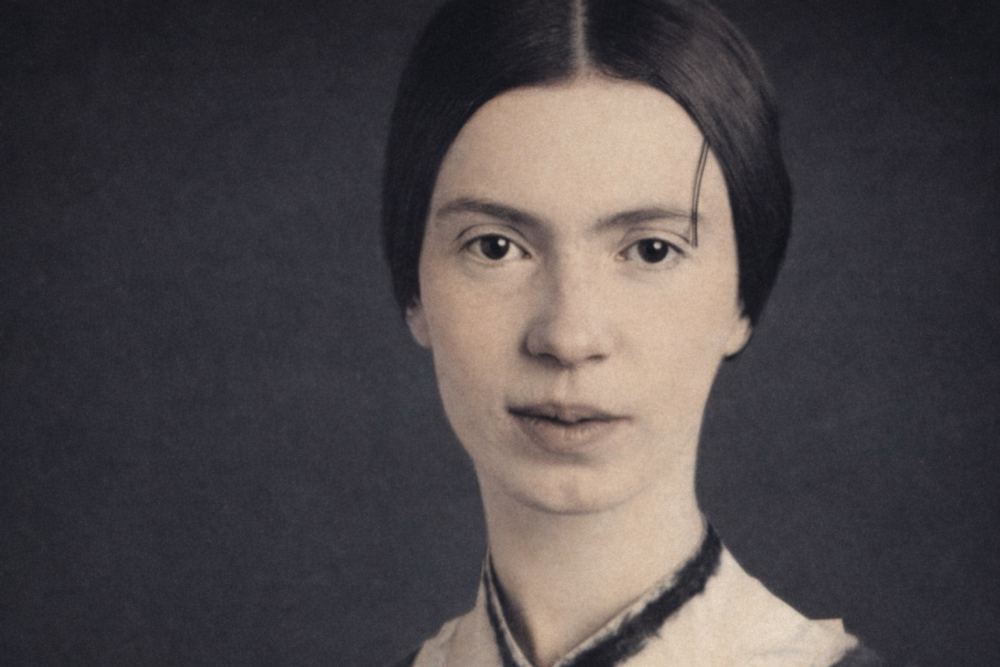
Emily Dickinson wrote nearly 1,800 poems, most of them unpublished or heavily edited when released during her life. In her white dresses, she rarely left her Amherst home, channeling intensity into short lines instead.
A posthumous collection revealed the bold syntax and explosive imagery she’d kept close for decades. Phrases like “a certain slant of light” captured inner weather in a way critics later called revolutionary, though many neighbors never knew her as more than a quiet gardener.
3. Franz Kafka, the novelist whose surreal tales shaped modern fiction.
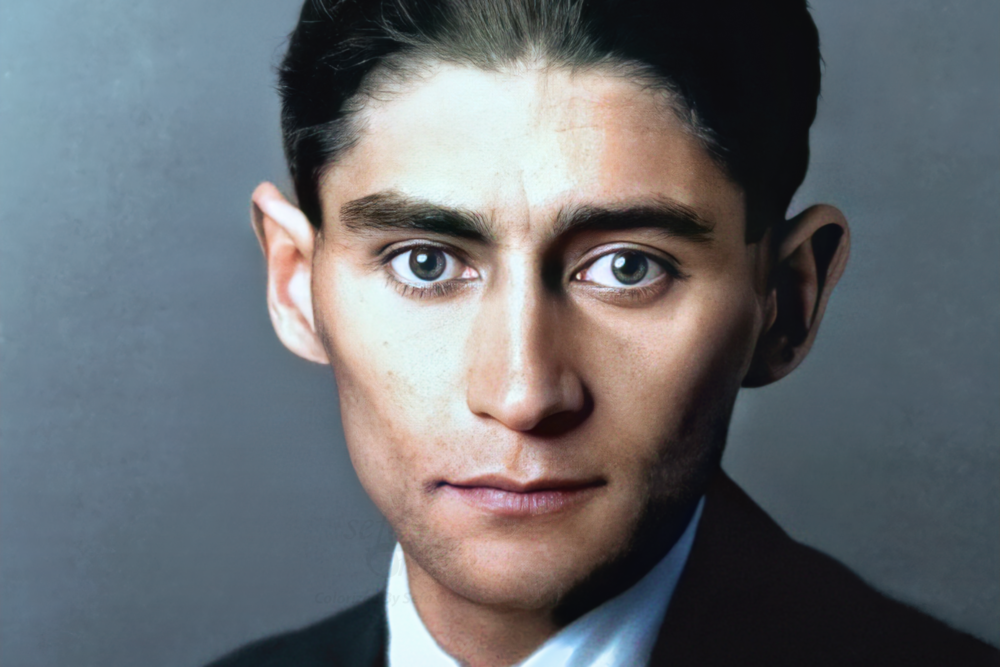
Franz Kafka died young, asking for most of his work to be burned unread. His friend Max Brod defied that request, preserving manuscripts filled with faceless bureaucracy and insect transformations.
As 20th-century readers grew attuned to alienation and existential dread, Kafka’s anxious, looping narratives struck a chord. The cracked tile floor of Gregor Samsa’s bedroom became a strange, relatable stage for those confronting modern life’s absurdities.
4. Jean-Michel Basquiat, the street artist who redefined fine art.
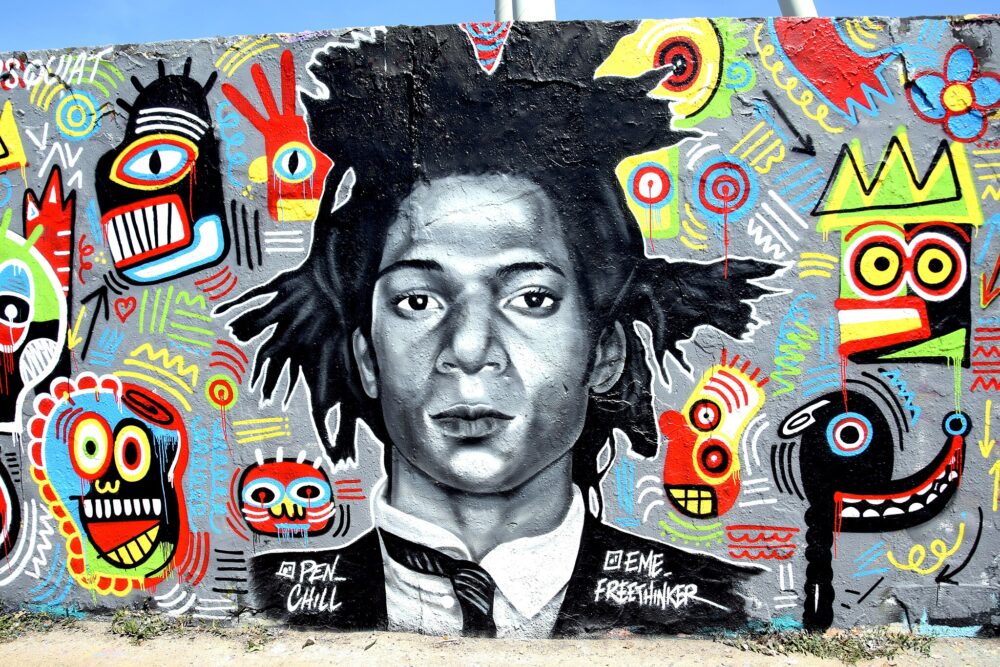
Jean-Michel Basquiat started painting in New York City streets, blending text, color, and anatomy with a spray can and fierce precision. Early art circles dismissed his work as graffiti—a label coded with disregard.
Only after his death did major institutions begin treating his canvases with the weight they gave Warhol or Pollock. Today, bold strokes of crimson and bone-white reference both Haitian heritage and anatomical textbooks, recast as fine art with cultural urgency.
5. Vivian Maier, the nanny whose street photography stunned the world.

Vivian Maier worked as a nanny, storing over 100,000 negatives in boxes and lockers. She wandered cities with a Rolleiflex hanging from her neck, photographing sidewalk life with quiet focus.
Decades later, her undeveloped film revealed an eye for timing and empathy—a child brushing crumbs from her sleeve, a man in mirrored sunglasses caught mid-turn. Critics and curators now regard her snapshots as masterworks of candid documentary photography.
6. Henry Darger, the janitor who created massive outsider art epics.
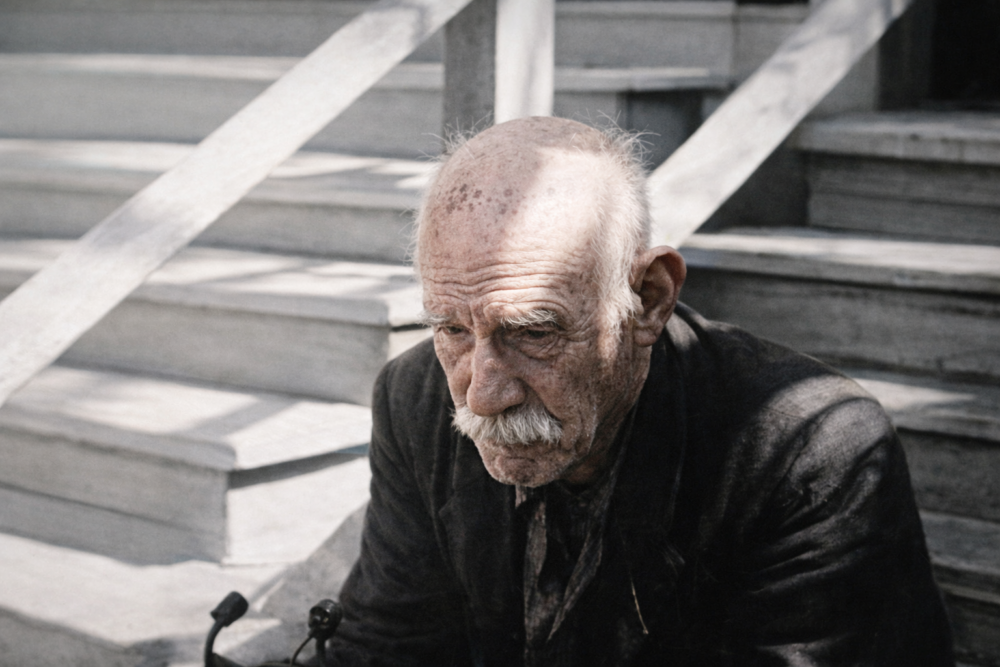
Henry Darger kept his colossal, illustrated manuscript—over 15,000 pages—locked in his small Chicago apartment. He worked alone for decades, detailing the harrowing sagas of the Vivian Girls in surreal battle.
After his death, landlords discovered his archive: watercolor scenes filled with stormy skies, child warriors, and serpentine monsters. Art historians, formerly uninterested in such private mythology, began mapping his influence on outsider and visionary art.
7. Claude Vivier, the composer whose work gained reverence long after death.
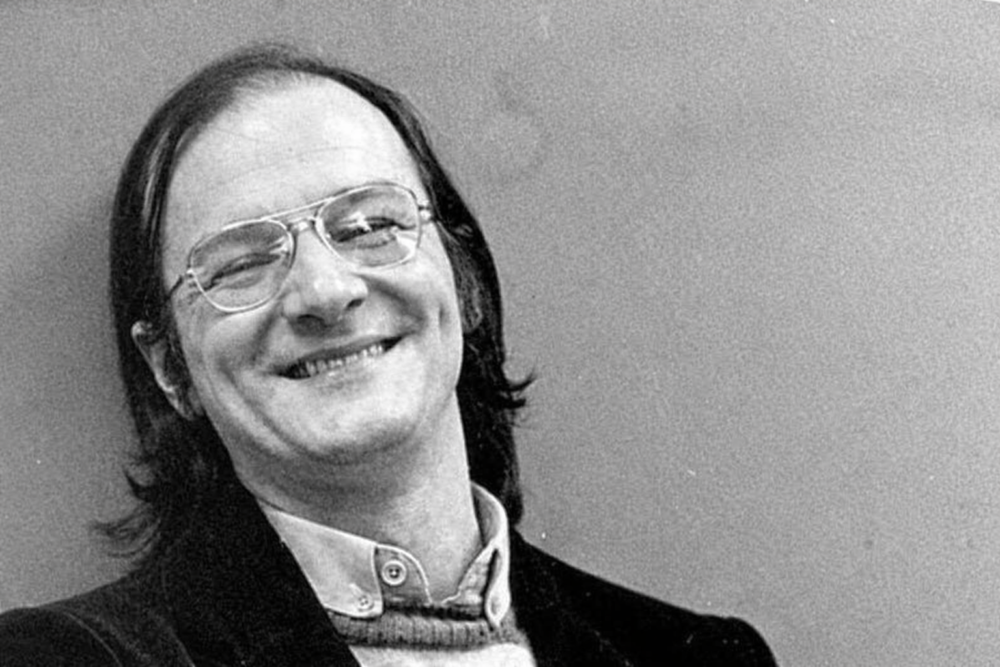
Claude Vivier composed orchestral pieces filled with invented languages and fractured rhythms. He blended Gregorian chants with electronic textures, tracing sounds from his travels across Asia and Europe.
During his life, major institutions overlooked his experimental works, and he died young under violent circumstances. Only afterward did conductors and musicologists unearth scores tucked away in archives—like Lonely Child, which builds emotional suspense with quiet, shimmering bell tones.
8. Diane Arbus, the photographer known for intimate portraits of outsiders.
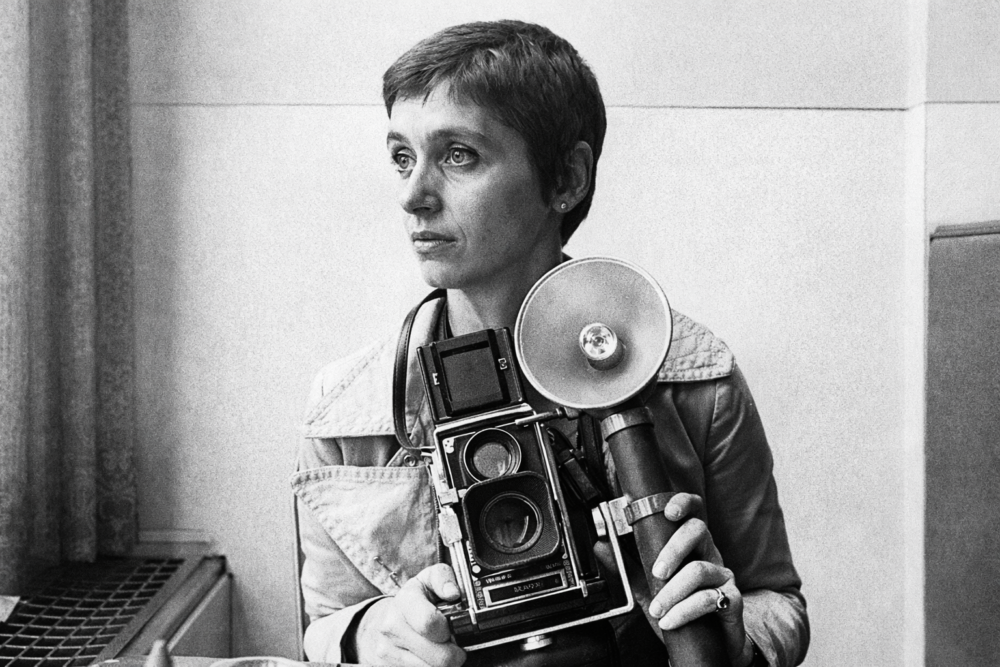
Diane Arbus chose subjects often marginalized by society—carnival performers, elderly couples, children caught off-guard—but photographed them with neither ridicule nor celebration. Her square-frame portraits invited stillness and directness.
Many critics found her work difficult when she was alive, uneasy with its closeness. Later reappraisal saw her intention not as spectacle, but as radical intimacy: a boy in curlers, staring back, refusing simplification.
9. Egon Schiele, the Austrian painter whose raw figures gained fame later.
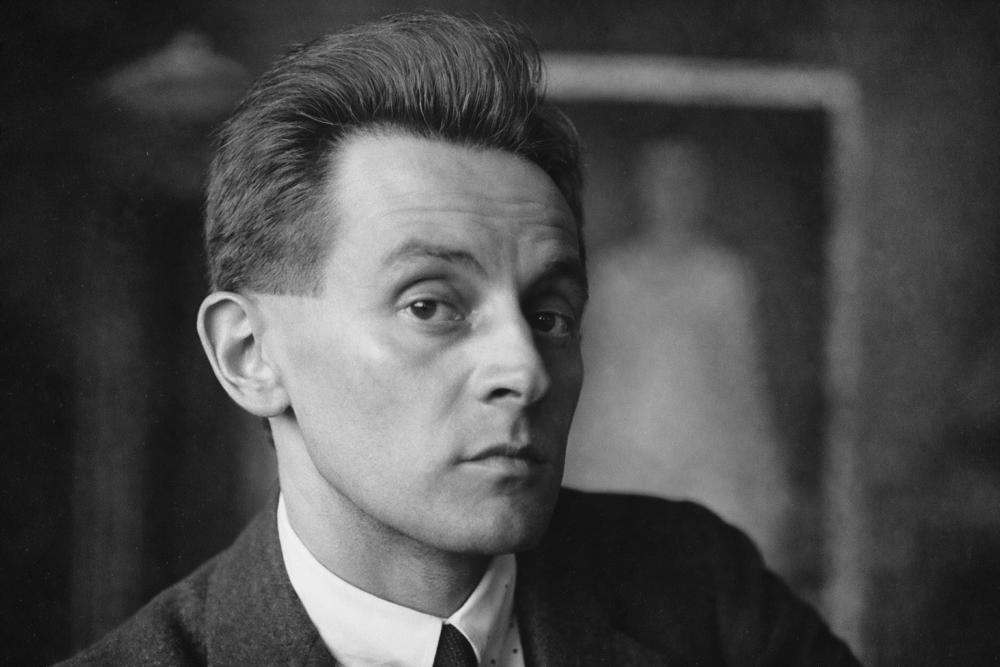
Egon Schiele’s spindly self-portraits and nude studies shocked early 20th-century Vienna. His jagged lines and unidealized bodies disrupted the graceful curves of Art Nouveau, leading to police charges and brief imprisonment.
When he died at 28, few had recognized the psychological force of his figures—bony hands clutching air, elbows too sharp. Later movements in expressionism and modern portraiture traced roots back to his unsettling honesty.
10. Nick Drake, the folk musician whose albums found fans posthumously.
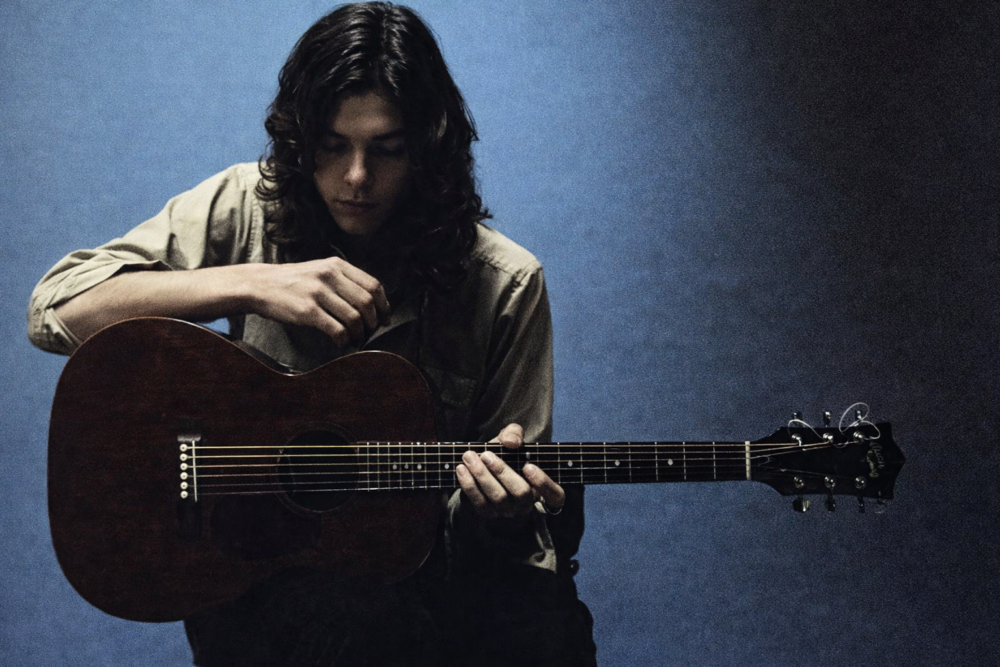
Nick Drake recorded three albums of gentle guitar melodies and introspective lyrics, but none sold well in his lifetime. Shy and self-effacing, he avoided live performances and rare interviews.
Later generations embraced his hushed voice and melancholic tone, pushing tracks like “Pink Moon” into coffee shop playlists and movie soundtracks. A mossy stone wall on an album cover came to echo the quiet, persistent beauty of his music.
11. Modigliani, whose expressive portraits reached acclaim after his passing.
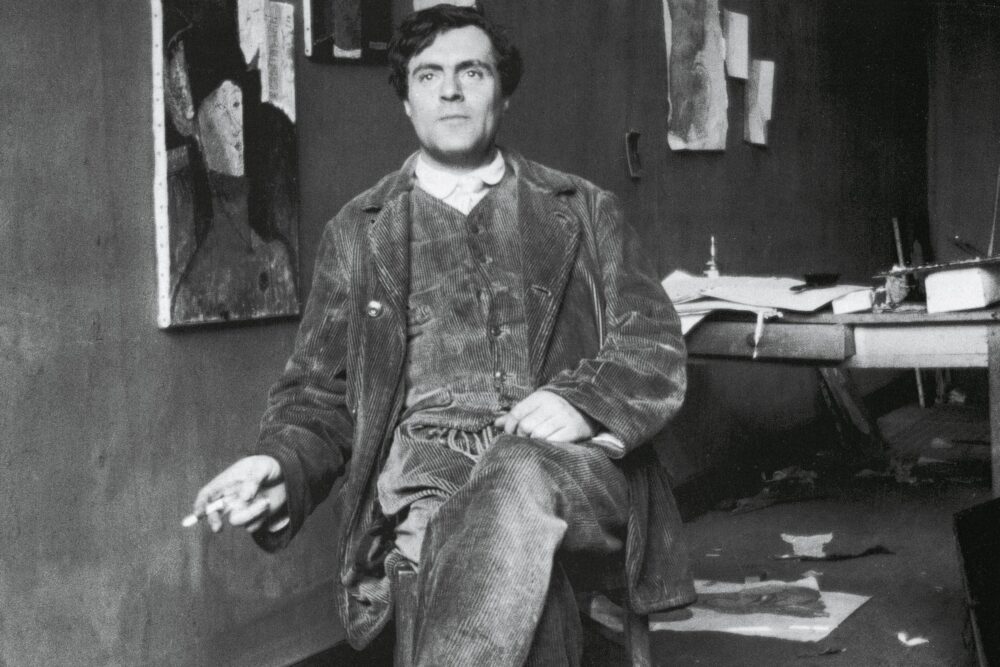
Modigliani painted elongated portraits with almond eyes and swan-like necks, influenced by African masks and Renaissance sculpture. Galleries showed little interest while he lived, and he died young, impoverished.
Afterward, his stylized faces became archetypes of bohemian beauty. The chalky tones of a tilted head against a plain backdrop now carry a depth that critics once dismissed as decorative or incomplete.
12. Arthur Rimbaud, the young poet whose verse inspired generations of writers.

Arthur Rimbaud wrote hallucinatory poetry as a teenager, blending mysticism, politics, and sensation. By 21, he quit writing entirely, choosing instead to work abroad in shipping and trade.
His poems resurfaced years later, striking a nerve with modernist circles and surrealists. A single line, like “I is another,” hinted at identity in flux, long before the term appeared in theory conversations or art manifestos.