
One weird thrift-store purchase can turn into a full-blown movement.
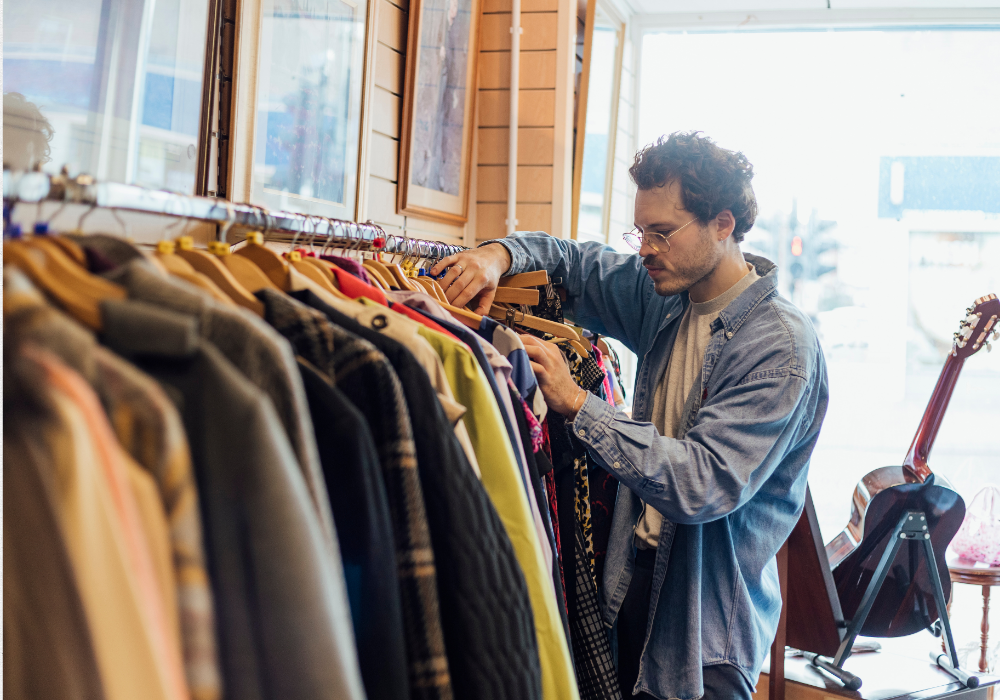
It always starts small, like a $6 jacket that somehow fits perfectly or a vintage dress that looks like it escaped a movie set. Then someone posts it online, the algorithm gets hungry, and suddenly the entire internet decides thrift shopping is a sport.
That’s basically what happened in 2026, when a single secondhand find helped ignite a wave of viral eco-challenges on TikTok and Instagram. Thrifting stopped being a personal hobby and became a public mission with rules, tags, and bragging rights.
1. The original “find” wasn’t expensive, it was oddly meaningful.
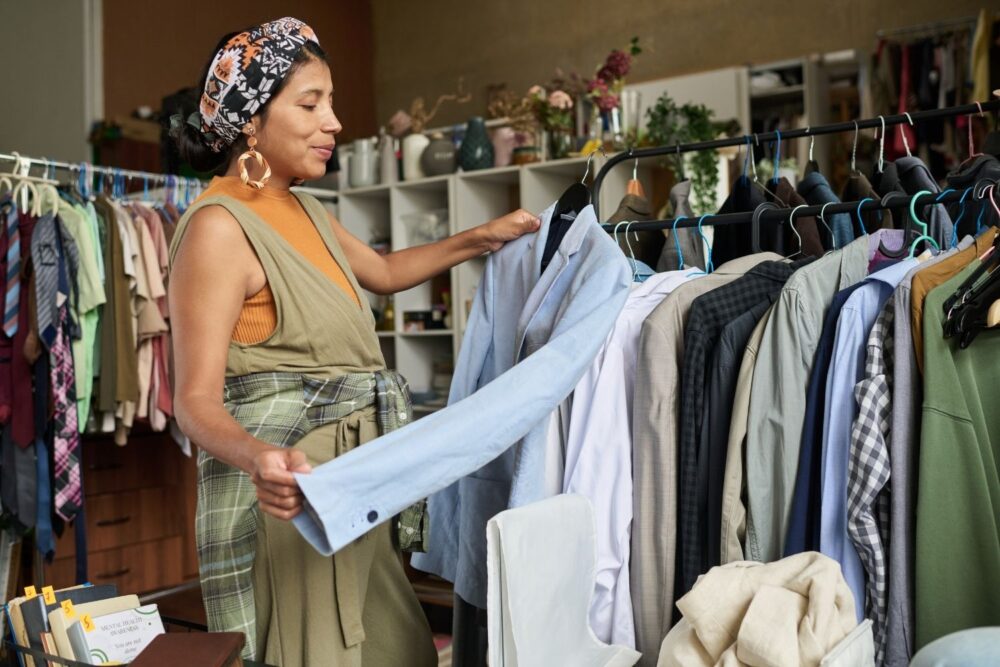
The item itself didn’t have to be rare or valuable. In fact, the best thrift-store finds usually feel special because they’re personal, not because they’re prestigious. Someone discovers a piece that looks unique, fits like it was tailored, and feels like it has a past life. That’s the spark.
Then they post it with the kind of caption that invites a story. Not “look what I bought,” but “look what I rescued.” That shift matters. It turns shopping into a mini narrative of saving, styling, and making something old feel relevant again. People don’t copy products, they copy feelings.
2. Social media loves a challenge because it tells people what to do next.

Random thrifting content is fun, but a challenge gives it structure. It’s suddenly not just a haul video. It’s a mission with rules. One item. One budget. One week of outfits. No buying new. That kind of constraint makes people creative and keeps viewers hooked.
The best part for platforms is that a challenge creates repeatable content. Everyone can join without needing money, sponsorships, or a perfect closet. You just need a thrift store and a phone. Once one person starts the format, thousands can follow it, and the algorithm loves anything that looks like a trend with momentum.
3. The eco angle made it feel smarter than regular fashion content.
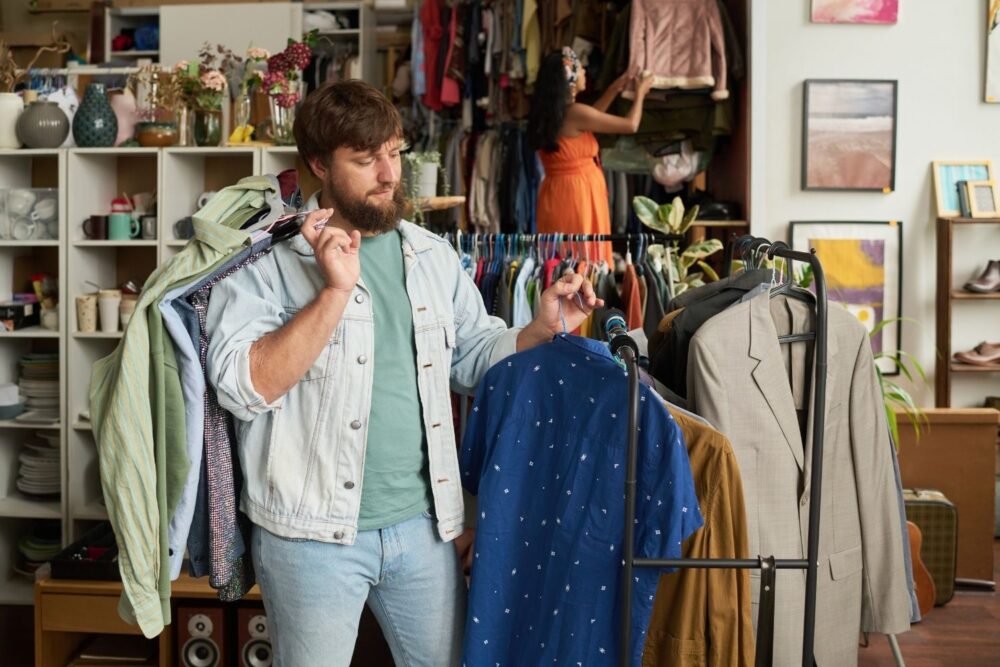
Fashion content can easily slide into shallow territory. But when thrifting challenges took off in 2026, they came packaged with a sustainability message that gave people moral confidence. It wasn’t just “I look cute.” It was “I’m doing something responsible.”
That’s powerful because it makes participation feel like self-expression and activism at the same time. You’re not just buying a sweater, you’re rejecting fast fashion, reducing waste, and proving style doesn’t require constant consumption. The eco framing makes it easier to share, because it feels less like showing off and more like contributing.
4. One thrifted item became the centerpiece of an outfit remix culture.
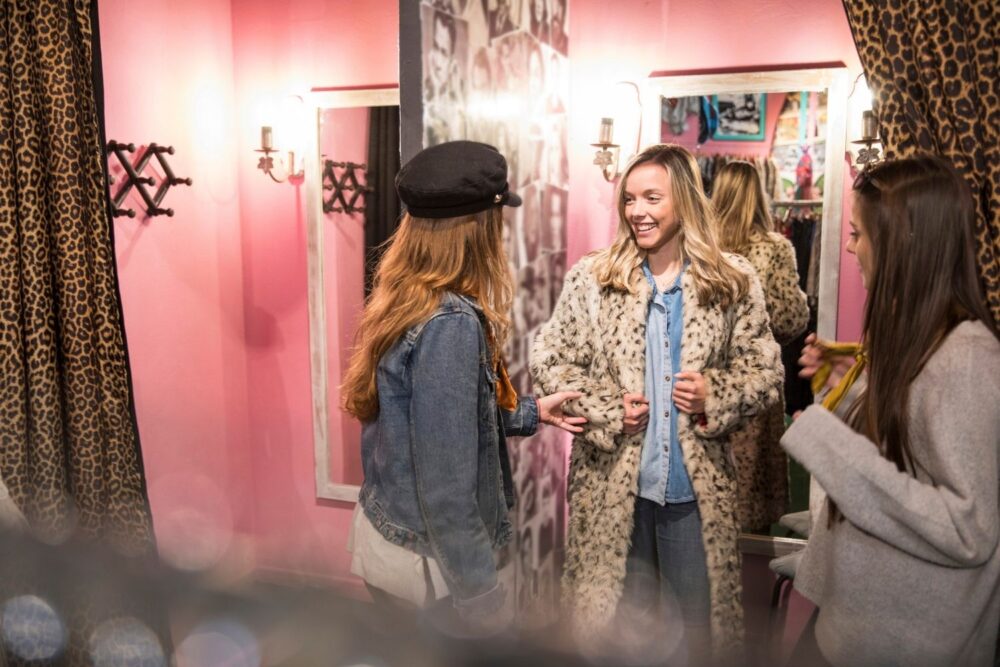
Once a creator finds that perfect secondhand piece, the real fun begins. People start building outfits around it, remixing it for different vibes. Work outfit, date outfit, messy errand outfit, “I’m in a movie” outfit. The item becomes a character, not just clothing.
That’s where the movement energy comes in. The challenge becomes a form of styling creativity, not shopping addiction. It rewards people for repetition, not constant new purchases. It’s the opposite of haul culture. Instead of showing how much you can buy, you show how many ways you can reinvent one thing you already have.
5. The viral moment happened because it was relatable and achievable.

A luxury fashion trend always has a ceiling. Most people can’t join. Thrifting challenges feel different because entry is easy. You can walk into almost any secondhand store with $10 and come out with something worth posting. Even when the find isn’t perfect, the attempt is still entertaining.
The relatability is what makes it spread. Viewers aren’t watching a celebrity closet tour. They’re watching someone like them hunt for treasure in a fluorescent-lit store with chaotic racks. It’s messy, funny, and human. That energy travels fast, especially when the rewards feel possible for anyone.
6. It turned sustainability into something people could actually see.

Sustainability can feel abstract, like you’re supposed to care but you can’t visualize the impact. Thrifting challenges made sustainability visible. You can literally see the “before” and “after.” You see something unwanted get chosen again, styled again, loved again.
That kind of transformation hits people emotionally. It’s not a climate statistic. It’s a real object getting a second chance. Even people who don’t care about fashion get the point. Less waste, less production demand, less consumption pressure. It’s one of those rare eco messages that doesn’t sound like a lecture.
7. The internet turned thrift stores into treasure hunts with winners.
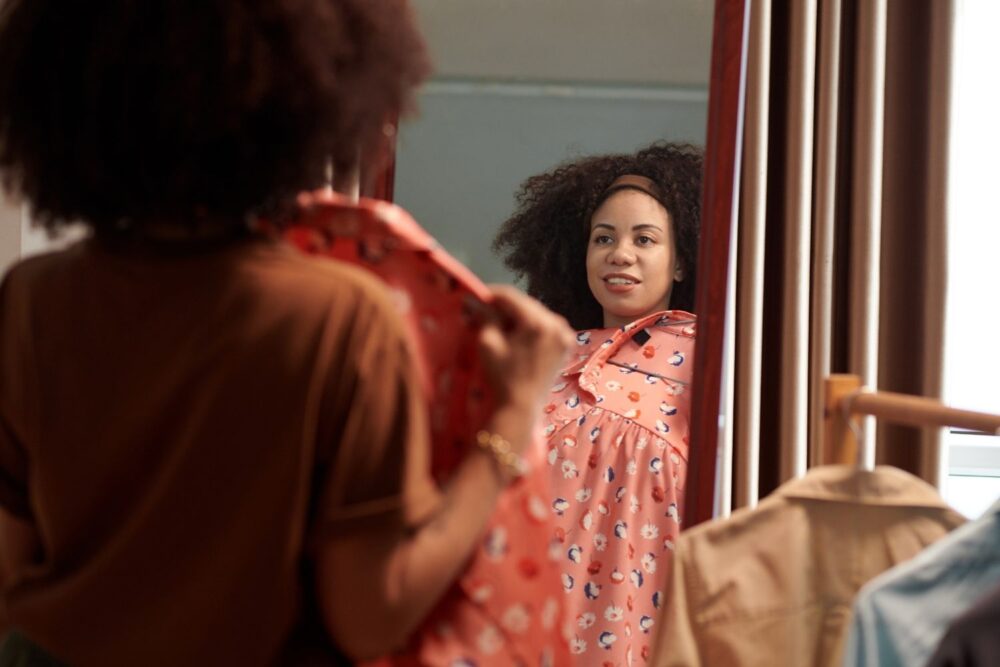
The challenge format also gamified thrifting. People started treating it like sport. Who found the best item? Who spent the least? Who styled it the most creatively? Who pulled off the biggest glow-up? The comment sections became like judges at a reality show.
This energy created a feedback loop. Thrifting became more exciting because it had an audience. People who never cared about secondhand clothing suddenly started going just to see what they could find. It wasn’t only about saving money. It was about the dopamine hit of discovery and the social reward of sharing it.
8. It pushed back against fast fashion without sounding preachy.

Fast fashion critiques can sound moralizing, which makes people defensive. But thrifting challenges didn’t lead with shame. They led with fun. The message was basically, “Look how cool this is,” not “Look how terrible you are.” That’s why it worked.
People don’t like being scolded into better behavior. They like being pulled into something that makes them feel clever and stylish. The eco angle stayed in the background like a bonus feature. You could join because you care about the planet, or because you want a great outfit for cheap. Either way, the behavior still helps.
9. The trend also created tension in local thrift communities.
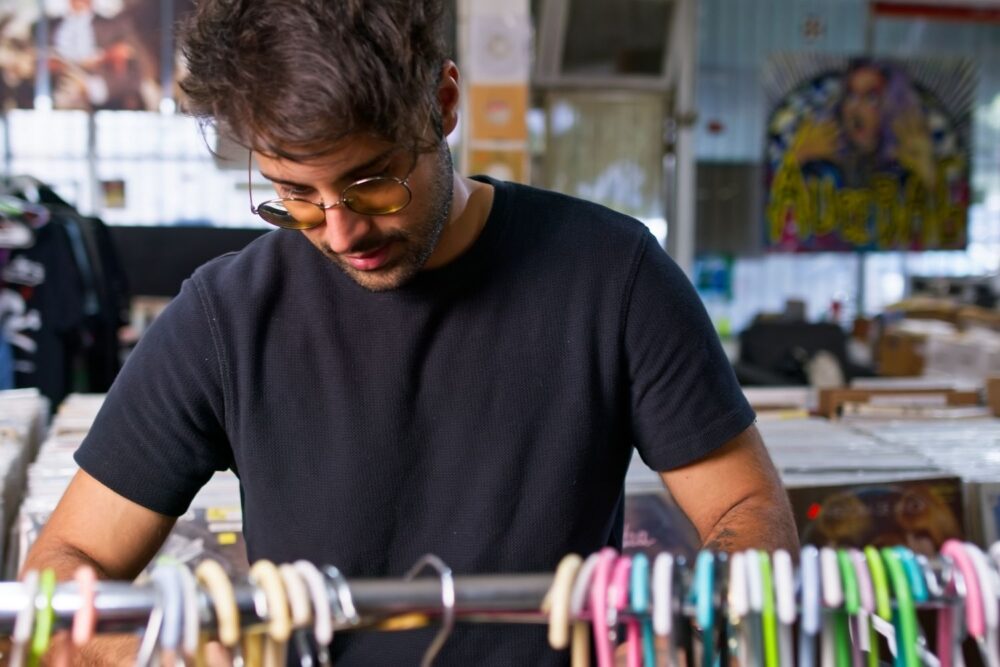
Not everything about the boom was perfect. When thrifting gets trendy, some local shoppers feel squeezed out. Prices can rise. Good items can vanish faster. Resellers can swarm stores like it’s Black Friday, which changes the vibe for people who rely on thrift stores for affordability.
That’s the uncomfortable tradeoff: a sustainability movement that becomes popular can start behaving like the consumer culture it was trying to fix. It doesn’t mean the trend is bad, but it means it needs awareness. A challenge can be eco-friendly and still cause ripple effects. Intent matters, but impact matters too.
10. The biggest takeaway was that people wanted a new relationship with stuff.
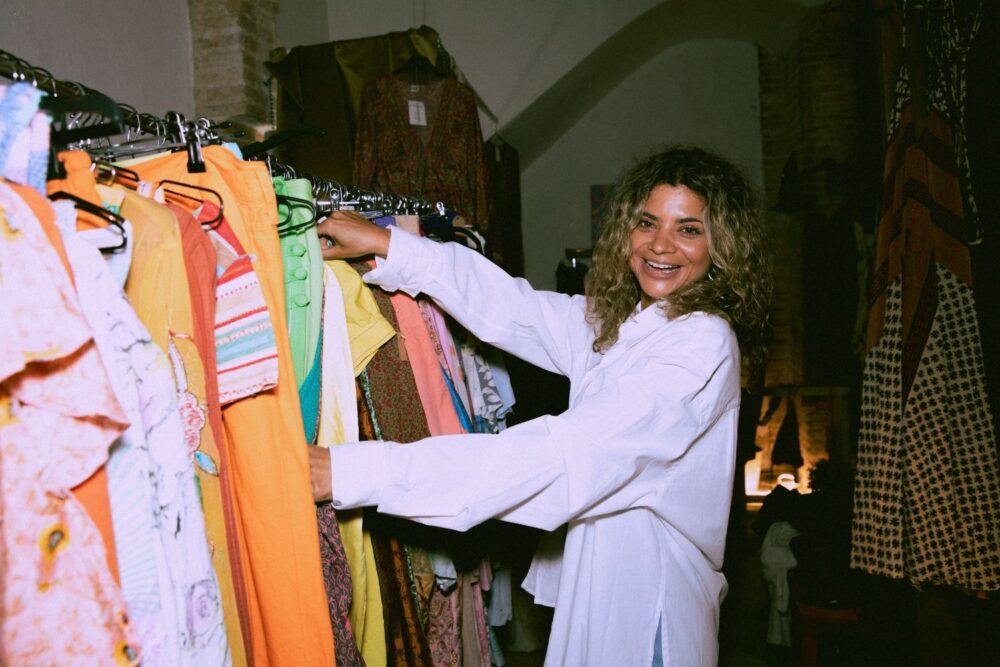
The reason this movement hit in 2026 is because people were already feeling tired. Tired of overbuying. Tired of closets full of “nothing to wear.” Tired of trends changing every five minutes. Thrifting challenges offered a different relationship with clothing, one based on creativity instead of constant replacement.
That’s the deeper story behind the viral moment. It wasn’t only about saving money or being sustainable. It was about reclaiming style as something personal. A thrifted item doesn’t come pre-approved by an influencer. You have to make it work yourself. That’s what made it feel empowering, not just trendy.