
Maternal cells can linger in your body for decades, shaping tissues and influencing immunity.

Inside most of us, a small population of our mother’s cells continues to live quietly. This biological phenomenon, known as microchimerism, begins during pregnancy when maternal cells cross the placenta and take up residence in the developing fetus. These cells can persist in the body for decades, often blending into tissues like the heart, liver, or brain. Research from institutions like UC San Diego and NASA continues to uncover their long-term effects on health.
1. Every person carries a small number of their mother’s cells.

During pregnancy, a small number of cells cross the placenta from mother to fetus. These maternal cells enter the developing child’s bloodstream and settle in various organs, creating a long-lasting cellular imprint. Known as microchimerism, this biological sharing begins early and doesn’t necessarily end at birth.
At the everyday level, a bit of your mother remains inside—possibly in your liver, your skin, or even your lungs. It’s not genetic inheritance, but a separate population tucked among your own. Few people grow up knowing they carry a microscopic gift from the womb.
2. These maternal cells can persist in your body for decades.

What begins as a temporary exchange can endure across decades. Maternal cells introduced during fetal development sometimes stick around into adulthood, quietly integrating into tissues. Like relics of early connection, they persist through adolescence, reproduction, and aging.
Some of these maternal cells divide and become part of the body’s system, blending in with existing tissue. One study found maternal DNA in adult blood samples decades after birth. While invisible in daily life, they have become part of the body’s long-term cellular landscape.
3. The process is known to scientists as microchimerism.
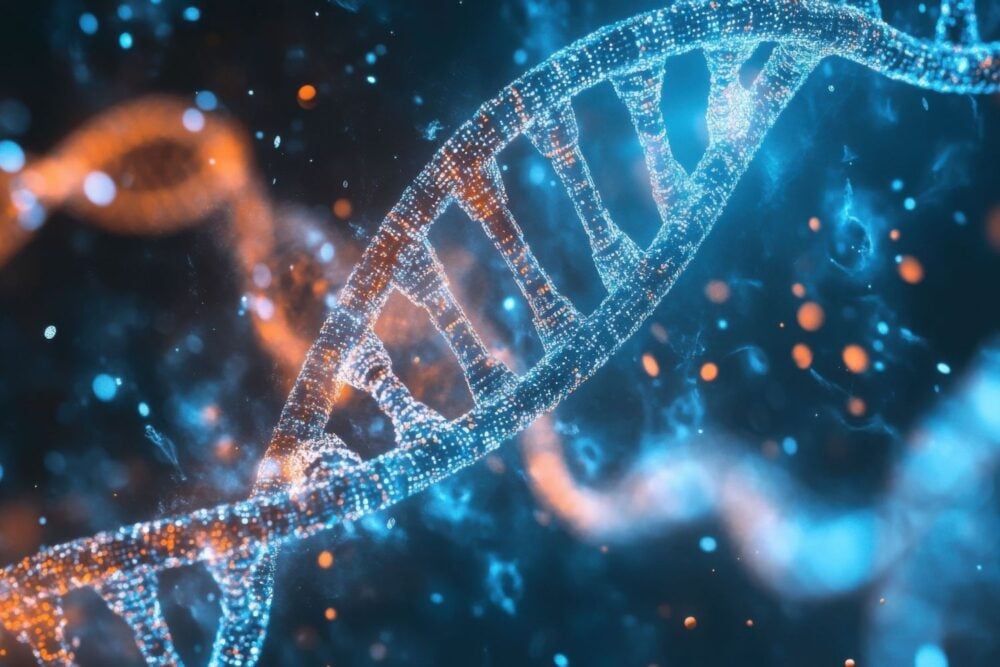
Scientists call this persistent presence of genetically distinct cells microchimerism. Unlike inherited DNA, these cells have their own genetic signature and aren’t from the egg or sperm. They’re a chimera: multiple cell lines in one individual.
Microchimerism exists outside science fiction. It occurs across mammals, not just humans, often without symptoms or visible traits. In some people, maternal cells may take root more deeply, while in others, they fade away quietly after a few years.
4. Cells can transfer from mother to fetus during pregnancy.

The placenta acts as a selective filter, but it doesn’t entirely block cell traffic. During pregnancy, maternal cells can cross into the fetus’s bloodstream through the placental barrier. Some immune-related and stem-like cells find paths through this interface.
These transfers usually happen unnoticed, without causing injury or inflammation. In a healthy pregnancy, the fetus receives helpful exposures—nutrients, hormones, some antibodies, and occasionally a few cells that stay. Though small in number, those cells may leave a permanent mark.
5. Some maternal cells may help with tissue repair and healing.
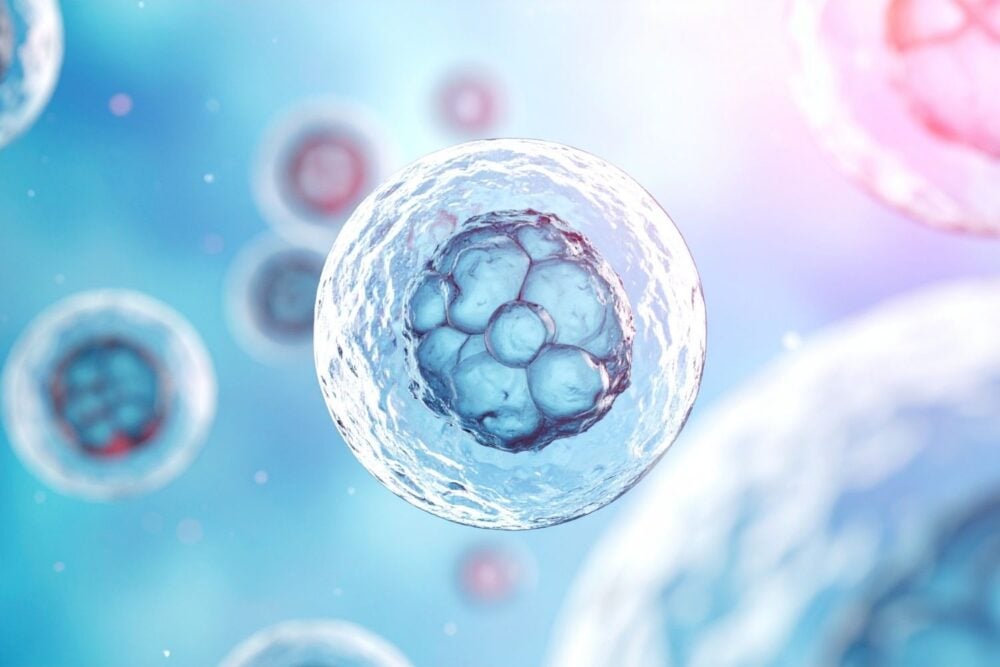
In certain studies, maternal cells appear to promote recovery after injury. These cells sometimes behave like stem cells, migrating to sites of damage and contributing to tissue repair. Their ability to adapt within foreign tissue makes them a subject of therapeutic interest.
For example, scientists have found maternal cells near healed heart tissue in some individuals with cardiac conditions. Though research is early, the possibility that a mother’s cells continue working in the child’s body offers a new layer to cellular cooperation across generations.
6. Researchers have found maternal DNA in the brain and heart.
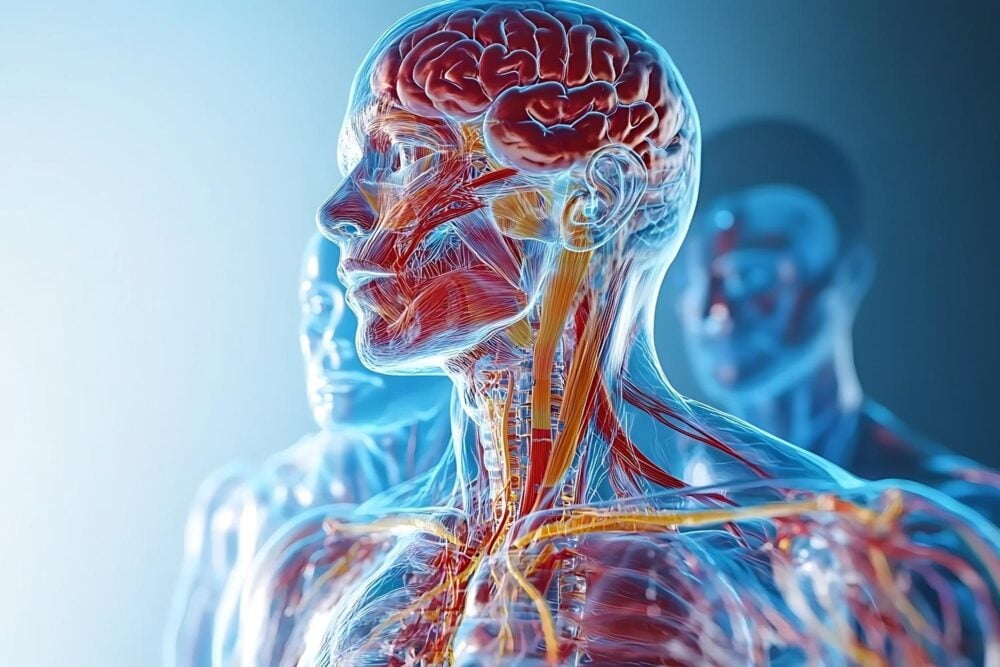
Traces of maternal DNA have been detected in the heart muscle and even in brain tissue. These discoveries suggest that some foreign cells cross not only body systems but also some of the body’s stronger physical barriers, like the blood-brain barrier.
In the brain, maternal cells may integrate subtly into the architecture, though their exact function remains unclear. Some researchers propose they help with healing or act as immune regulators, especially in events like inflammation or disease flare-ups. The heart, too, can carry these silent visitors for life.
7. This cellular exchange happens even in seemingly healthy pregnancies.

Even when pregnancy seems textbook-normal, cellular exchange can still take place. Chronic illness or complications aren’t necessary conditions—microchimerism unfolds in the background of most gestations. It’s a built-in part of how placental mammals reproduce.
A quiet moment in the third trimester, like sitting on a couch with a hand on the belly, may coincide with the transfer of maternal stem-like cells into fetal tissue. The mother may never know, and the baby won’t remember, but the exchange can leave a biological signature.
8. Mothers can also carry cells from their children for life.
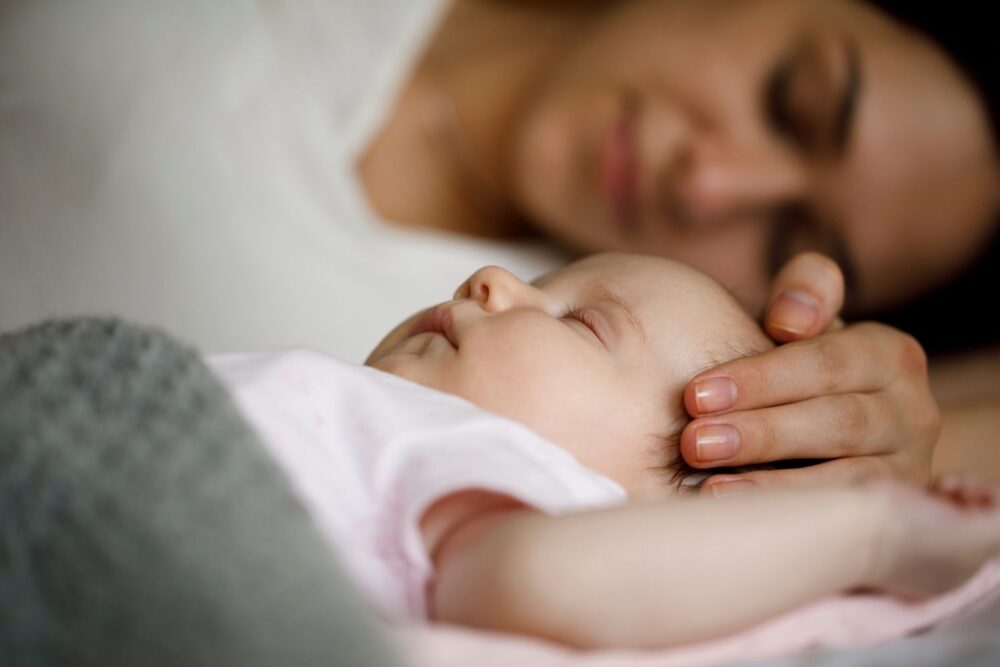
The flow of cells between mother and fetus isn’t one-way. Fetal cells also pass into the mother’s circulation and may settle in her tissues, forming fetal microchimerism. Some of these cells persist long after the child’s birth.
In one case, researchers found male fetal DNA in the brains of women who’d given birth to sons decades earlier. These small cellular stowaways can influence maternal health over time, for better or worse, depending on how the immune system responds to their presence.
9. Microchimerism may influence your immune system without you knowing.
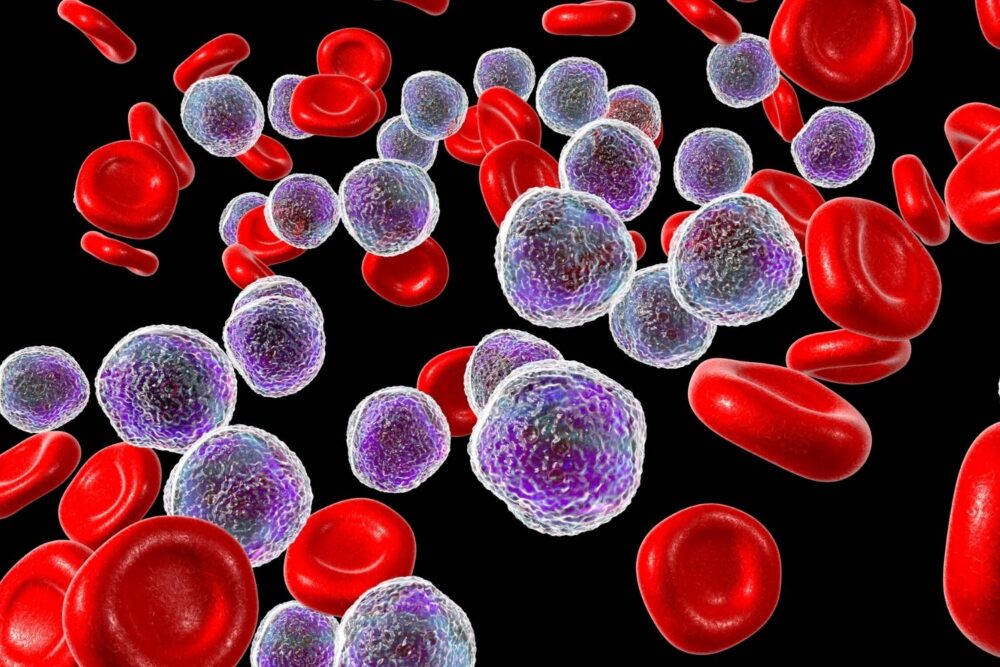
Microchimeric cells often carry immune markers different from the host’s, which can quietly shape immune tolerance. Some scientists believe maternal cells may nudge the child’s immune system toward resilience or, in rare cases, trigger confusion that contributes to autoimmune responses.
In daily life, someone might develop a mysterious flare of symptoms, unaware that maternal cells are part of their immune history. Though not always harmful, these cells can complicate how the body interprets self versus non-self, potentially influencing how it reacts to its own tissues.
10. Scientists are still exploring how these maternal cells affect health.

Current research explores whether maternal cells influence inflammatory conditions, cancer response, or long-term regeneration. Scientists use tissue samples, genetic sequencing, and immune profiling to observe how these cells behave over time and in different organs.
Unlike standard genetic traits, microchimerism doesn’t follow inheritance but operates along cell-level partnerships. The emerging picture is nuanced: maternal cells might sometimes protect, sometimes provoke. What they never do is vanish entirely without a trace.