
Acting quickly and calmly can make all the difference when disaster disrupts your travel plans.

A natural disaster striking mid-trip is every traveler’s nightmare, but knowing what to do first can help you stay safer and more in control. From locating emergency services to following official instructions, each decision made in the early moments matters. Good preparation, such as creating a communication plan or storing copies of vital documents, also pays off. The key is to stay grounded, gather information quickly, and respond with purpose—not panic.
1. Stay calm and assess your immediate surroundings for safety.

Fear can cloud quick thinking, but in emergencies, a calm mind makes faster choices. Start by grounding yourself—notice your location, exits, and who or what is nearby. Even something as specific as a red fire extinguisher tucked behind glass can become a mental anchor.
Once calm sets in, scan for hazards like broken glass, unstable walls, or exposed wires. Responding with reason—not panic—improves your odds of staying safe and helping others keep control too, especially in crowded spaces like a hotel lobby or a busy train station.
2. Move to higher ground if flooding or rising water is a threat.

Rapid floods often move like displaced furniture in a tipped-over room—forceful, messy, unpredictable. If you’re nearby water and see levels rising, elevation becomes your greatest asset. Head for a higher floor, a hill, or a nearby building on solid footing.
Minutes can matter. More than a soaked suitcase, water poses electrocution and entrapment risks. In a low-lying beach town or near a river, even shallow water can gain speed and depth fast, especially if drainage can’t keep up or nearby dams overflow without warning.
3. Follow evacuation instructions from local authorities right away.

Emergency officials use evacuation orders only when remaining in place would likely cause injury or death. Following them isn’t just required by law in many regions—it’s the safer choice. Roads, shelters, and aid are often pre-arranged based on those alerts.
Delaying departure to gather belongings or check for updates can turn a planned exit into a chaotic scramble. In a coastal city during a cyclone warning, for instance, waiting too long may mean driving through wind-blasted debris or missing the last open evacuation route out of town.
4. Turn on your phone’s emergency alerts to receive real-time updates.
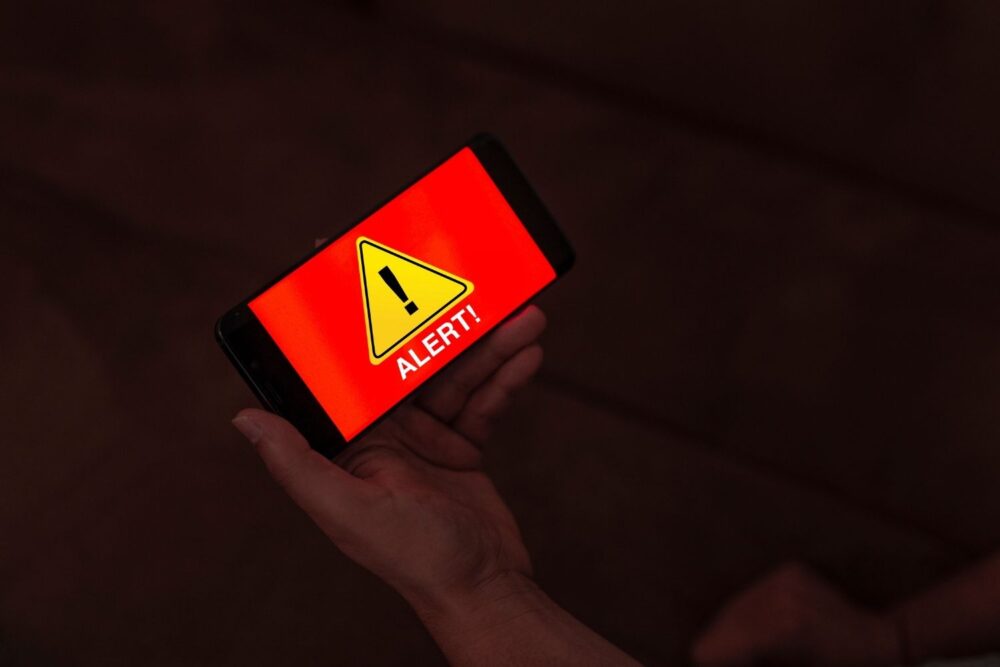
Emergency alerts, once activated on your phone, come through with a distinct sound and urgent wording. They bypass silent mode and reach you in real time—even without Wi-Fi—as long as you have a mobile signal and haven’t disabled public notifications.
Everything from tsunami warnings to civil advisories can come through this feature, making phones a lifeline when other systems, like hotel intercoms or TV broadcasts, go down. In the chaos following a tremor, tones from a phone might be the first sign of incoming aftershocks or evacuation orders.
5. Avoid elevators and use stairs in case of power outages.

Elevators rely on stable power and structural integrity—both of which natural disasters compromise quickly. Even minor outages can trap people inside, while quakes or floods may strand cars mid-shaft or disrupt door mechanisms without warning.
Using stairs conserves agency. A dim stairwell, though claustrophobic, usually holds more predictable risks than a sealed elevator box. In a mid-rise hotel during a storm surge or blackout, taking the steps may be exhausting but keeps options open if conditions shift fast.
6. Locate the nearest emergency shelter or safe public space.
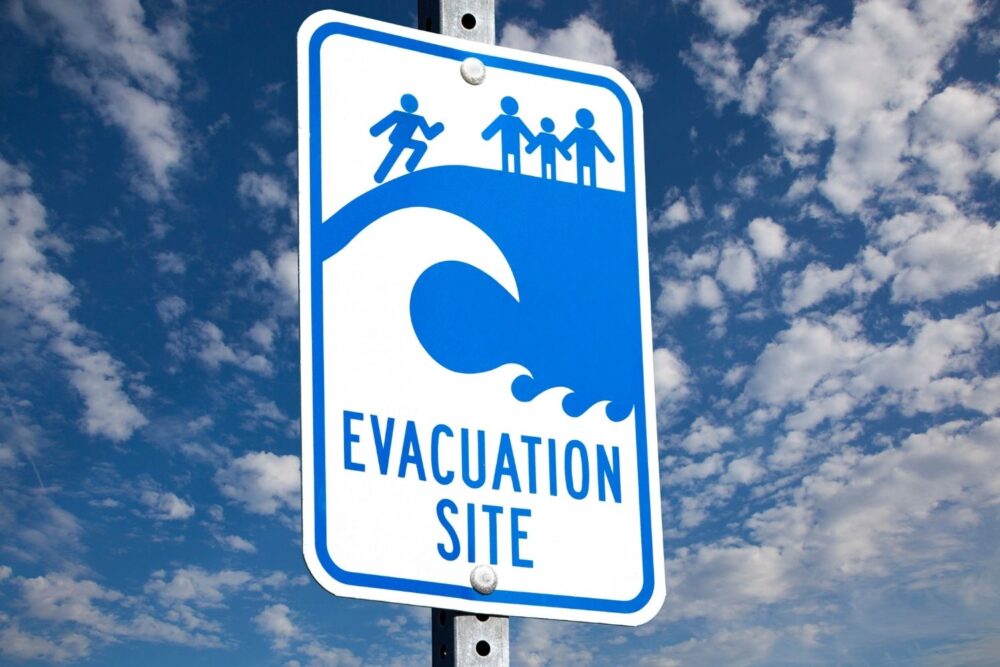
Official shelters or designated safe spaces are often announced through local news or posted signs. These places—civic centers, schools, sports halls—are selected for their structural strength and emergency supplies. Inside, you’ll often find water, blankets, and some medical aid.
If you’re in an unfamiliar city, the nearest shelter may be around a corner you’d never otherwise round. For example, a concrete school with steel doors two blocks from a market might offer more stability than your booked bungalow on stilts during high winds.
7. Keep your travel documents and essential belongings close at hand.

Travel documents aren’t just bureaucratic—they prove who you are and support reentry, boarding, and lodging. In emergencies, paper copies tucked into a dry bag or passport pouch offer continuity when electronics fail or digital files become unreachable.
Think boarding passes, visas, ID cards, and insurance details—all items that can become irreplaceable if forced to evacuate with limited time or no power. A sudden landslide or citywide blackout may leave you with only what’s in your backpack or jacket pocket.
8. Contact your country’s embassy or consulate for guidance and support.

Consulates and embassies serve as lifelines for travelers caught in disasters abroad. Staff can help confirm travel documents, coordinate evacuation options, and clarify government announcements in your native language. Their role becomes vital when local infrastructure or communications falter.
For travelers stuck in a storm-torn capital or isolated by wildfire roadblocks, embassies often act as coordination points with airlines, insurers, and emergency responders. A brief phone call or email sets this connection in motion, whether from a hotel lobby or a borrowed landline.
9. Limit phone use to conserve battery and prioritize emergency calls.

In longer emergencies, devices often outlast power sources. Each message, search, or refresh drains your battery. Cutting use to essential functions—emergency updates, verified alerts, contact with loved ones—extends your phone’s usefulness when chargers are far away.
That last 12 percent can stretch hours if managed. In a remote mountain town during a landslide response, a single text to confirm your safety uses far less power than opening a full map app or scrolling through social feeds for reassurance.
10. Use offline maps or downloaded guides to help navigate if needed.
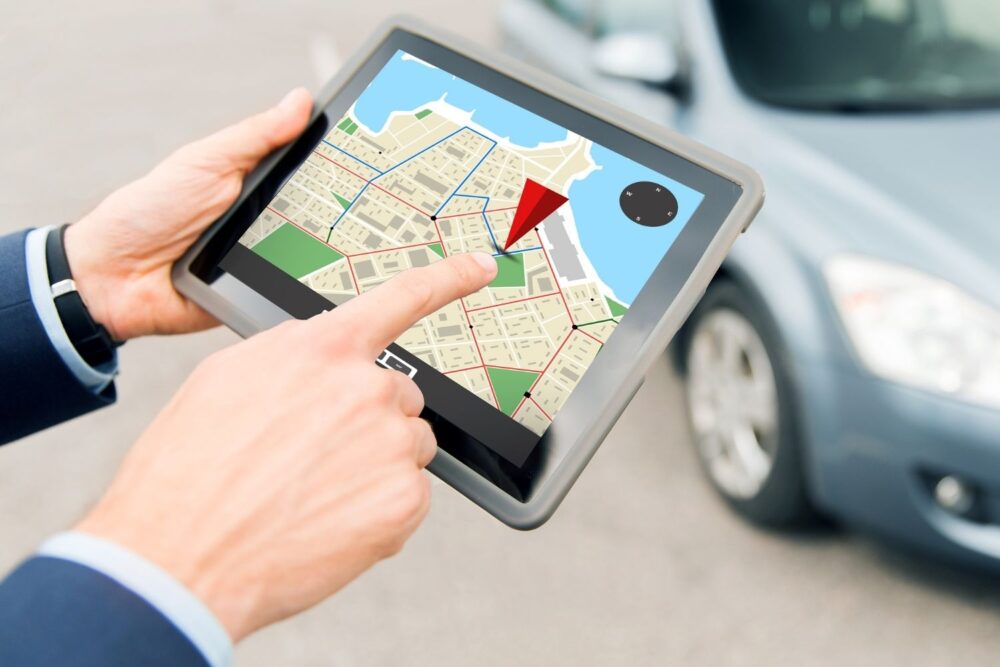
Offline maps and downloaded city guides work without signal and may show routes not marked with clear signage. Whether in a hotel room or stuck in a transit hub, these tools turn your phone into a functioning compass—no signal bars needed.
Digital reliance becomes fragile fast. A buried bridge or flooded underpass in a new town may not appear on preloaded tourist apps but can show on offline maps updated before travel. Having basic orientation tools helps when streets become unfamiliar or unrecognizable.
11. Avoid driving unless absolutely necessary during hazardous conditions.

Driving through natural disasters introduces challenges even advanced safety features can’t override. Roads can wash out, signage disappears in fog or smoke, and debris may puncture tires or trap vehicles mid-route. The car becomes less safe than shelter on foot.
Unless evacuation demands it, staying parked conserves fuel, lowers confusion, and avoids sudden obstacles. In a storm-swollen valley, for example, a familiar-looking road may now hide beneath water or lead to a collapsed bridge, even if it appeared clear minutes earlier.
12. Watch for aftershocks if an earthquake has just occurred.

Earthquakes rarely strike once. Aftershocks—some strong enough to rival the initial jolt—ripple through affected areas for hours or even days. Buildings stressed by the first quake may weaken silently until a follow-up tip or shake brings them down completely.
Just because furniture stopped swaying doesn’t signal all-clear. In crowded city streets or public squares, lingering near brick facades or glass towers may expose you to falling debris. Even moments of calm may precede another unexpected rumble underfoot.
13. Monitor official weather channels for updates and emergency instructions.
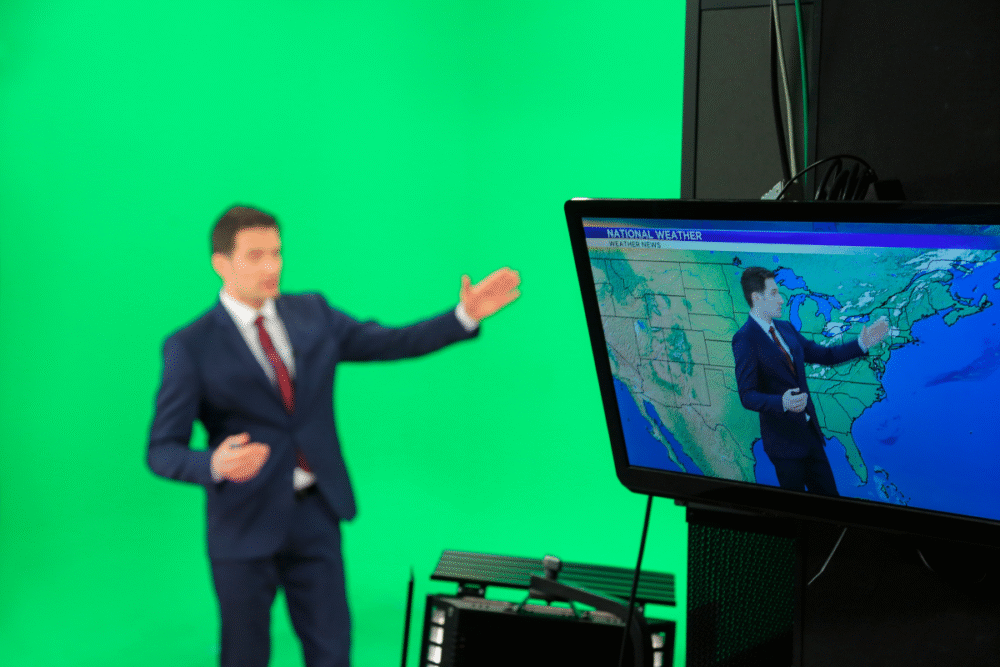
Official weather channels—national meteorological agencies or radio advisories—offer vetted updates that cut through rumor and guesswork. When tropical systems stall or wildfires shift direction, these sources relay verified paths, risks, and timing before social feeds or hearsay catch up.
Staying tuned clears confusion. During a dust storm in a desert transit hub, for example, official alerts might provide timelines for air clearing and safe travel resumption, while informal messaging leads to conflicting claims from panicked visitors or overtaxed hotel staff.
14. Help others around you if you are safe and able to assist.

Disasters often jumble routines, isolate people, and upend directions. Yet in that swirl, even modest help—guiding someone to a shelter, translating an advisory, offering water—pushes back against fear. Communities often form spontaneously, even among strangers from different languages and walks of life.
If uninjured and in a secure spot, assisting others creates a ripple of stability in the chaos. Inside a crowded train station after a quake, sharing accurate news or helping someone locate a missing charger can calm more than one set of nerves.