
Discover how these legendary rock drummers shaped sound, influence, and intensity across decades
Drummers often set the heartbeat of a band, but in rock music, they do much more. The greatest rock drummers have changed how rhythm works in a song and how power is delivered onstage. From the intricate patterns of prog rock to the relentless drive of punk or the swing of funk-infused rhythms, these artists left bold imprints on music history. This ranked overview honors the impact and artistry behind the kit.
1. Neil Peart elevated progressive rock drumming with skill and complexity.
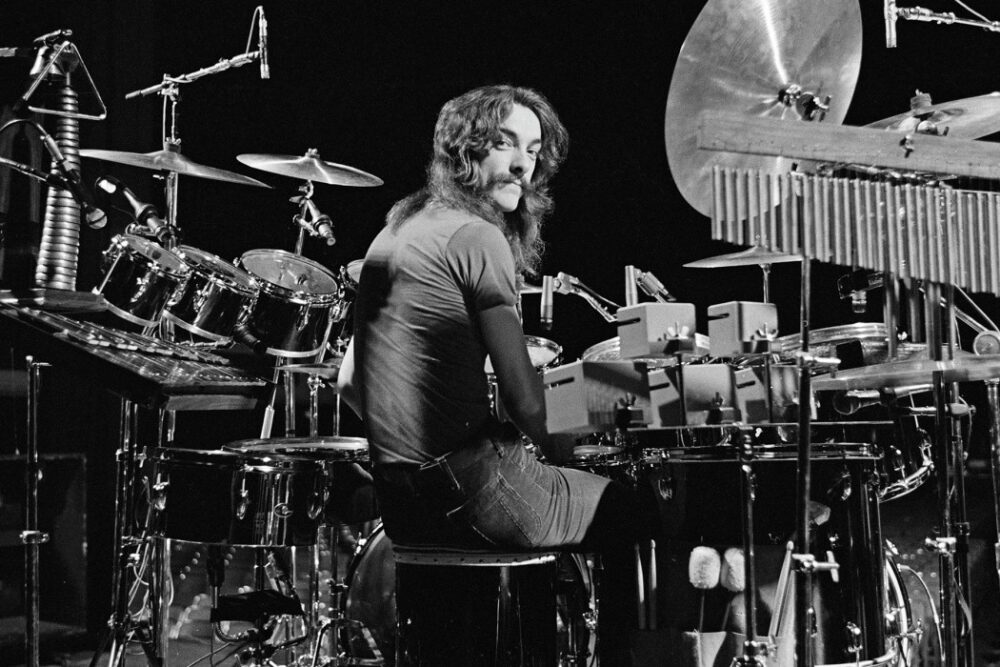
Neil Peart built intricate rhythmic patterns like puzzle boxes, nesting odd time signatures within progressive rock suites. His drumming with Rush didn’t just keep time—it laid out architectural blueprints for entire songs using ride cymbals, bells, and double bass pedals.
Beyond technical mastery, Peart’s parts spoke with clarity and intention, shaping lyrics and arrangements as equal collaborators. A studio session might see him revising a fill for days, crafting detail with surgical care that matched the band’s grand, conceptual themes.
2. John Bonham brought unmatched power and groove to Led Zeppelin’s sound.
John Bonham anchored Led Zeppelin with a thunderous feel that never lagged. His feet played fast and heavy while his hands stayed loose, creating a swing deep enough to drive massive guitar riffs without ever feeling rigid.
Unlike many peers, Bonham made volume musical. His iconic Ludwig drums, especially that booming bass drum, gave songs like “When the Levee Breaks” an earthbound weight, even as Robert Plant’s vocals soared. Every hit landed with both force and fluidity.
3. Keith Moon played with explosive energy and unpredictable creativity.
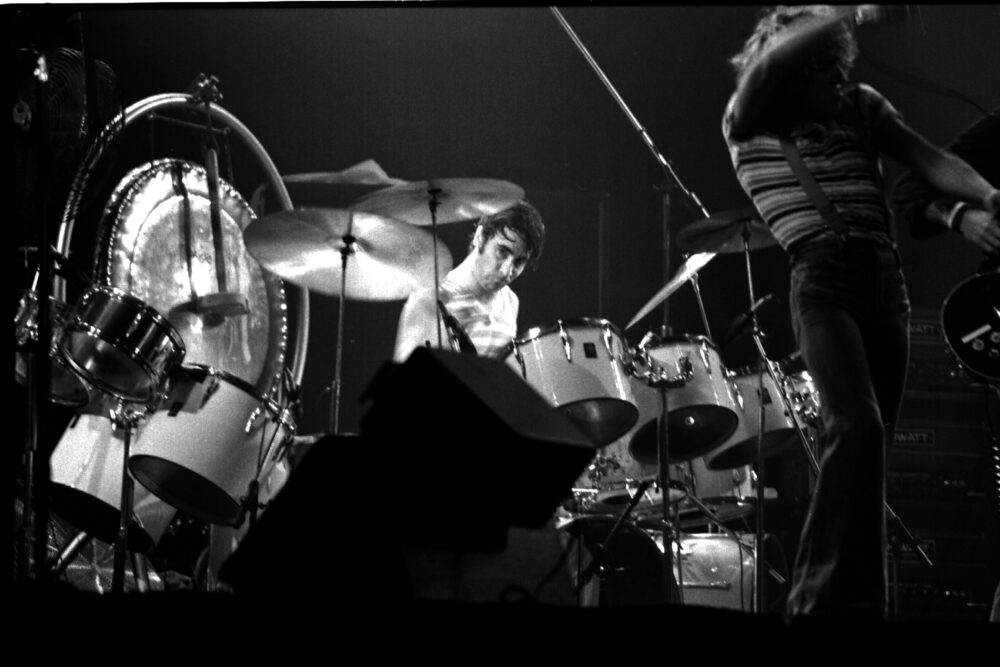
Keith Moon turned drumming into a chaotic sculpture, flinging fills like paint across the canvas of The Who’s live shows. He often skipped hi-hat patterns and played lead lines on toms and cymbals instead of basic backbeats.
Moon’s kit looked like an avalanche of chrome—multiple crash cymbals, twin bass drums, and scattered toms—which suited his improvisational style. One moment he blasted tension apart, the next he stitched fury into melodic collapse, all while barely looking at the rest of the band.
4. Stewart Copeland fused punk and reggae into a sharp rhythmic style.
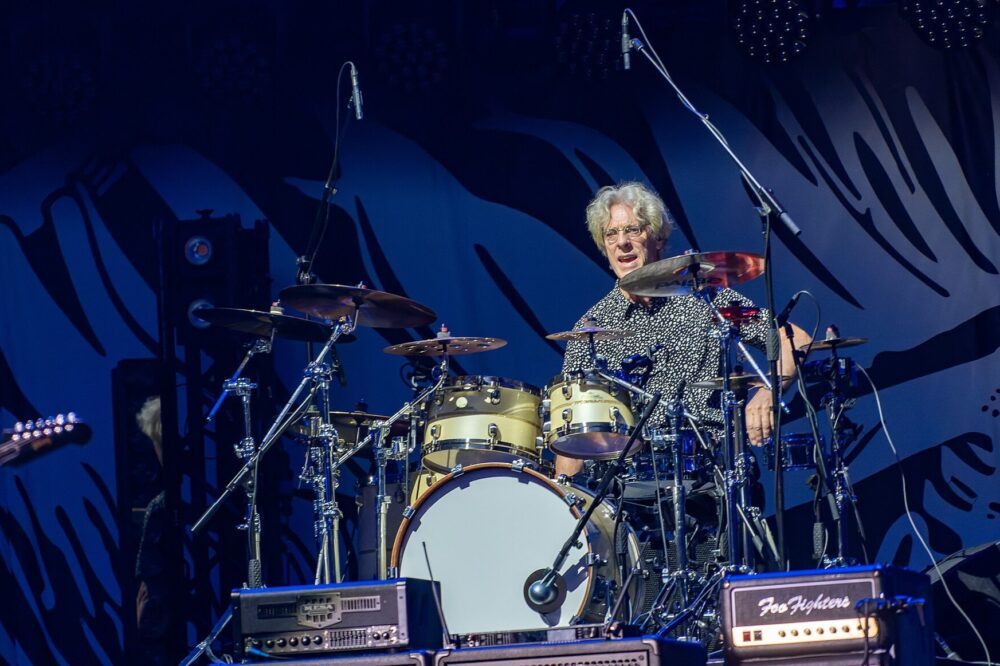
Stewart Copeland sliced through The Police’s arrangements with staccato snare hits, tight hi-hat work, and an off-kilter swing shaped by reggae and jazz. Each groove buzzed with nervous energy, pushing punk tempo into polyrhythmic motion.
Tension gave Copeland’s style its punch. While Andy Summers added chordal drift and Sting floated melodies, Copeland snapped everything back into rhythm with surgical precision like a crack of salt on a tequila rim—sharp, necessary, and unforgettable.
5. Dave Grohl made drums roar with raw force in Nirvana’s breakout era.
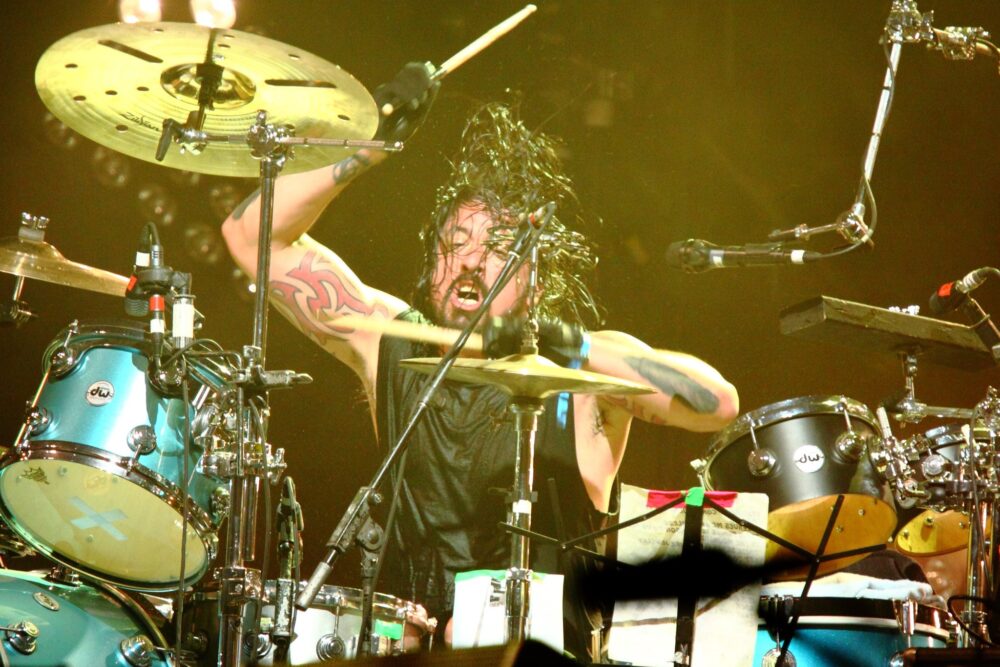
Dave Grohl didn’t just play loud—he attacked the drums with volume and grit that matched Nirvana’s raw edge. During ‘Smells Like Teen Spirit,’ his snare hit cracked open grunge’s polished image, a sonic sledgehammer that helped define the early 1990s.
In studio, producers had to dampen Grohl’s overwhelming sound, sometimes layering microphones inside pillow-stuffed kick drums. Yet his feel stayed precise, balancing aggression with emotion even when his parts seemed deceptively simple on the surface.
6. Ringo Starr kept The Beatles grounded with steady, soulful beats.
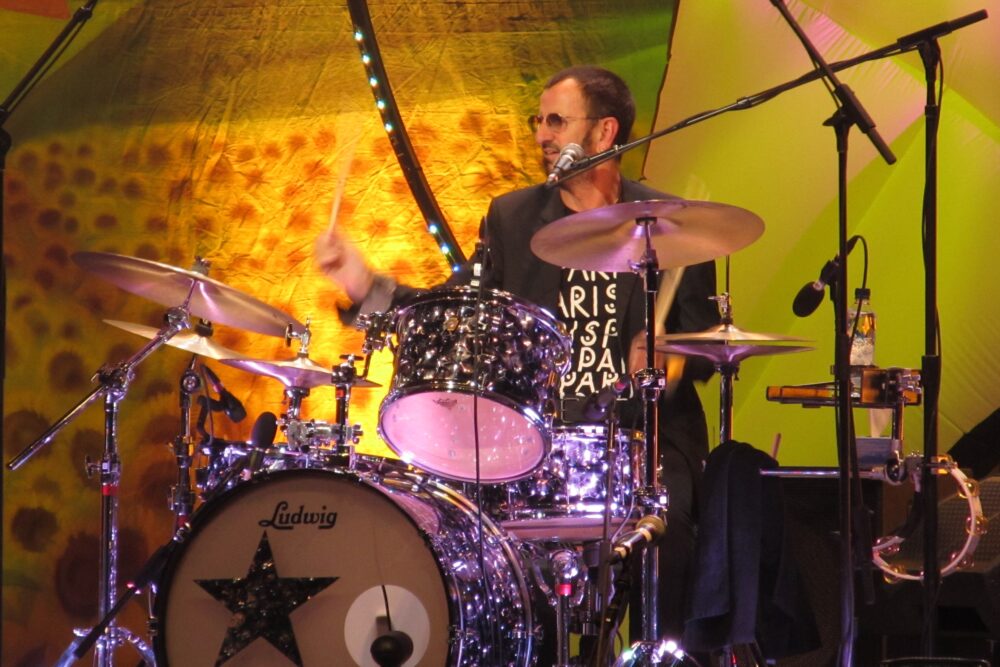
Ringo Starr brought patience and empathy to an instrument often driven by ego. His early work with The Beatles featured clean, steady rhythms that never fought the melody yet somehow made each measure memorable.
Listen to “Come Together” or “Something”—the quiet swing of the ride, the tastefully timed fill—and his restraint reveals itself as creative choice, not limitation. He played for the song, and over time, shaped rock’s understanding of what that truly meant.
7. Phil Collins blended technical precision with pop-rock accessibility.
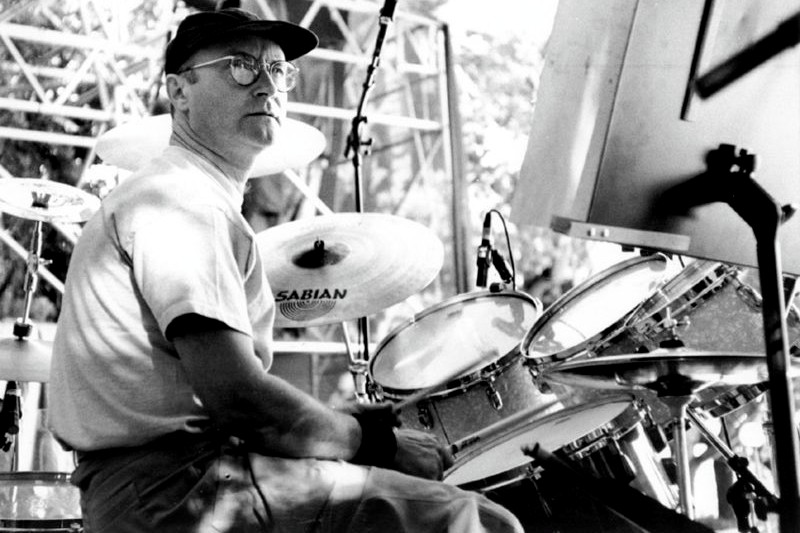
Phil Collins often paired complex phrasing with mainstream accessibility, building layered drum sounds that felt both precise and emotional. He pioneered the gated reverb effect, which gave songs like “In the Air Tonight” a distinct, cinematic quality.
Though widely known for his solo work and pop leanings, Collins sharpened his skills in Genesis’s prog-heavy catalog. His ability to shift between delicate rolls and sharp accents gave texture to otherwise synth-heavy arrangements, making rhythm feel human even in electronic spaces.
8. Ginger Baker merged jazz and rock into a wild, primal technique.
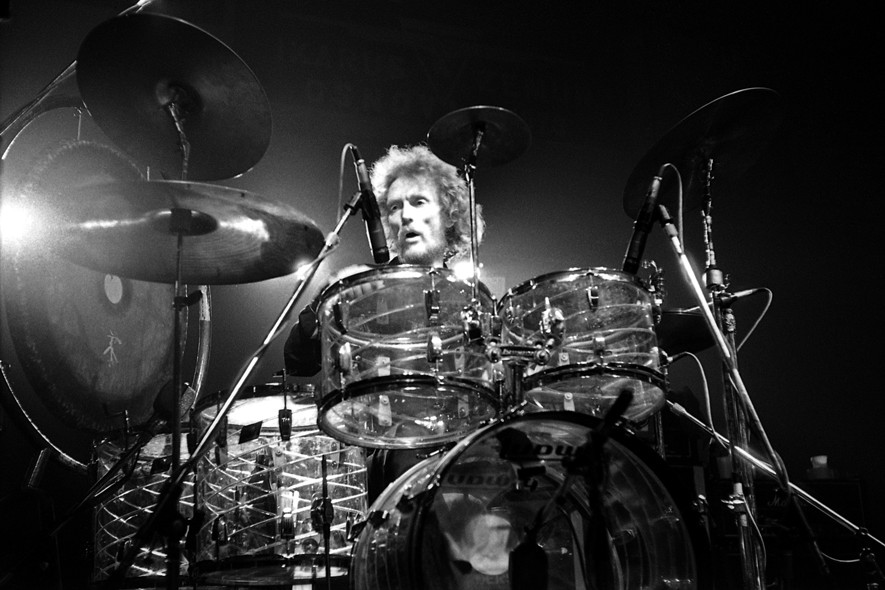
Ginger Baker refused to play rock like rock. Drawing from jazz roots, his work in Cream overflowed with fast syncopations, odd-meter grooves, and sudden dynamic turns. His solos bristled with tension even as they looped through improvisational spirals.
He didn’t merely adapt jazz technique—he smuggled it into rock’s center. One live recording might catch him sidestepping straight-four beats entirely, choosing instead to rage through cross-rhythms and cymbal splashes that felt more Bernard Purdie than Bill Ward.
9. Carter Beauford dazzled with ambidextrous flair and fluid improvisation.
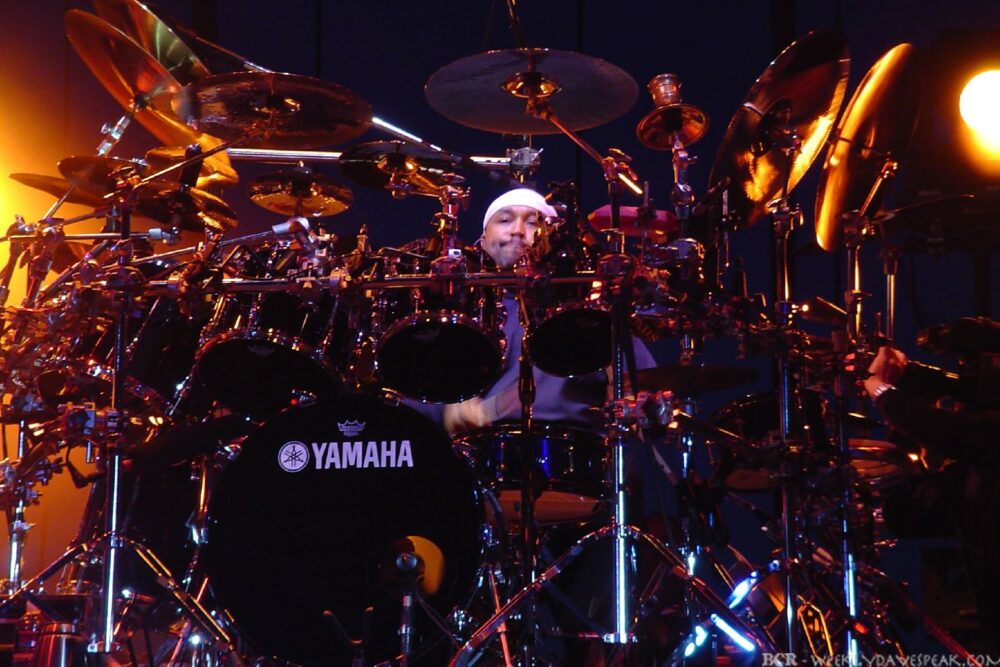
Carter Beauford’s hands seemed to move independently of his thought—effortless yet exact. His open-handed playing let smooth rolls and syncopated accents swirl around the drum kit, often making it hard to tell left from right.
During Dave Matthews Band’s fluid live performances, Beauford functioned like a river current. He seldom repeated parts exactly, instead weaving improvisation through technical skill to maintain momentum while inviting surprise. His cymbal flourishes often echoed the band’s violin or piano lines.
10. Sheila E. brought versatility and stage presence to percussion excellence.
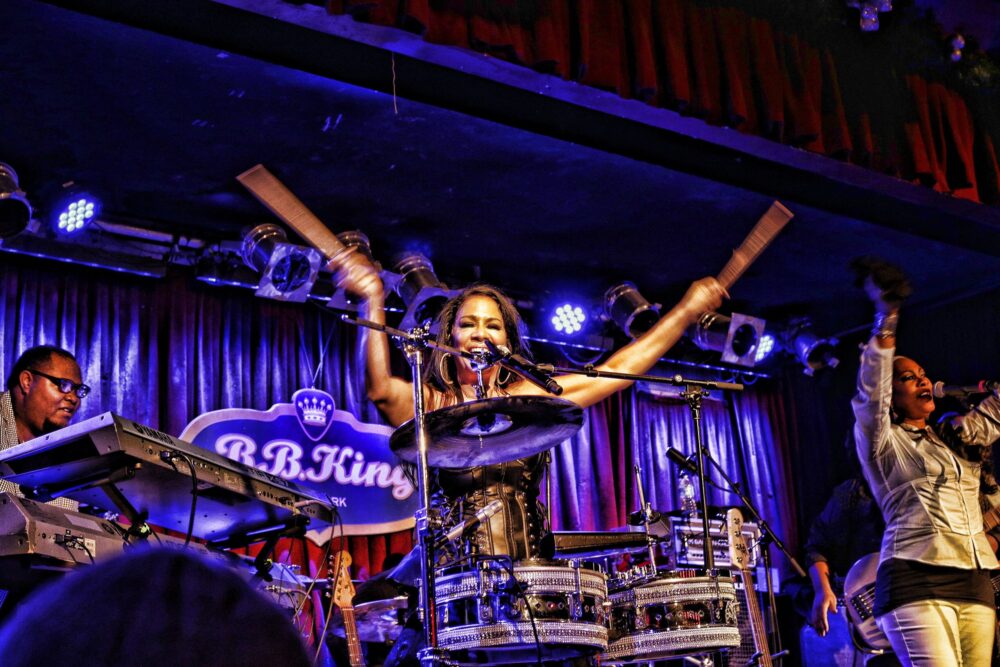
Sheila E. treated percussion as performance. Whether backing Prince or leading her own projects, she infused Latin influences, funk accents, and drum kit prowess into tight, expressive showcases. Her timbales carried as much emotional weight as a lead vocal.
Onstage, she moved between instruments with athletic grace—congas, bongos, cymbals—never missing tempo. She specialized in making rhythm visual, blending sound and movement so that each beat added both a pulse and a presence to the show’s energy.