
Why the birds you want may already be nearby but not stopping.
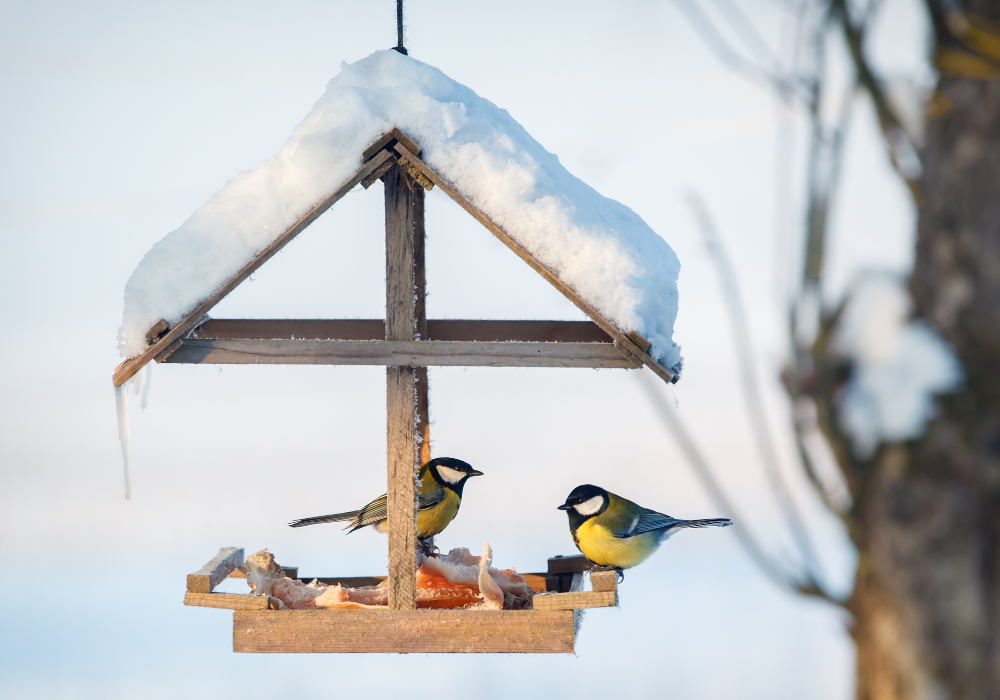
Setting up a bird feeder seems simple. Hang it, fill it with seed, and wait. But many people quickly notice the same birds showing up again and again, while the species they hoped to see never appear.
The reason usually isn’t luck. Birds pay close attention to placement, food type, cover, and timing. Small details send clear signals about whether a feeder is safe, useful, or worth the effort.
Slide by slide, this guide explains how birds decide where to feed and how a few intentional choices can turn a quiet feeder into one that attracts the species you actually want.
1. Birds notice location before food

Before a bird ever sees the seed, it evaluates where the feeder sits. Height, visibility, and nearby cover matter more than many people realize. A feeder placed too far from shelter feels risky.
Most songbirds prefer feeders within quick flying distance of shrubs or trees. That nearby cover offers protection from predators and a place to retreat. If birds feel exposed, even the best seed will go untouched.
2. Height changes who feels comfortable
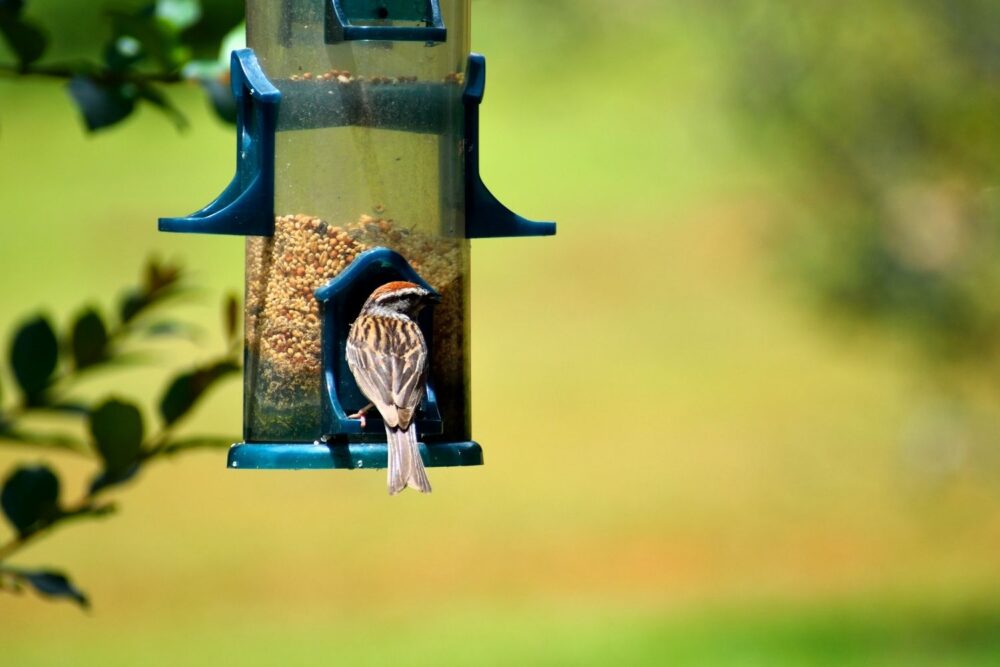
Different species prefer feeding at different heights. Finches and chickadees are comfortable mid-level, while ground-feeders like juncos prefer lower access.
Mounting all feeders at the same height limits variety. Adjusting height by just a few feet can dramatically change which birds visit. Matching feeder height to species behavior signals that your yard fits their natural feeding style.
3. Seed choice sends a clear message
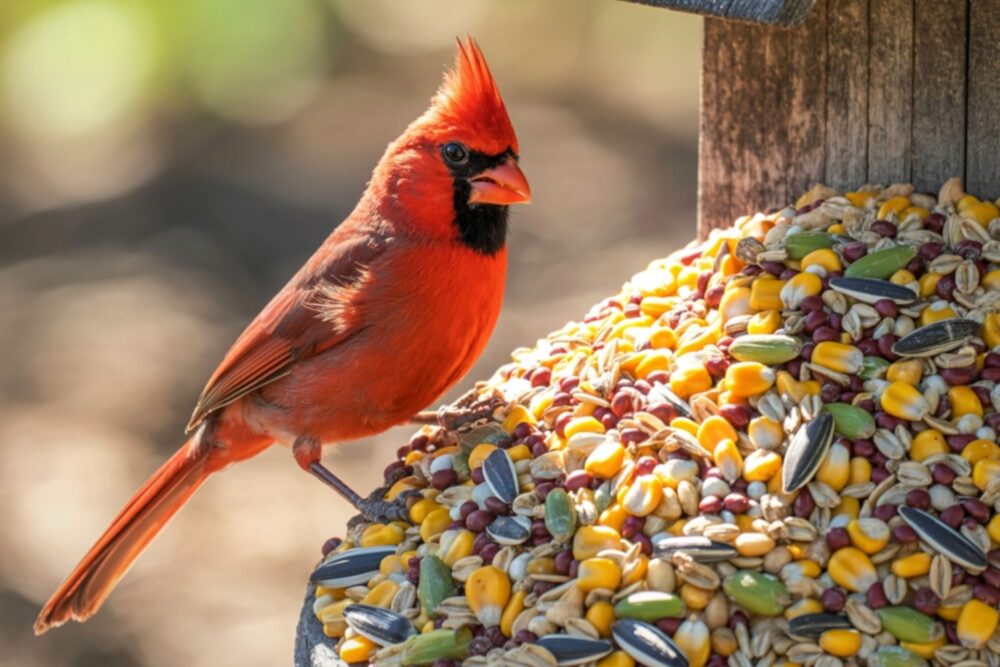
Birdseed is not interchangeable. Black oil sunflower seeds attract many species, but others prefer specific foods. Nyjer appeals to finches, cracked corn draws ground birds, and suet attracts woodpeckers.
Using a single seed blend often favors aggressive generalists. Offering targeted food types reduces competition and gives more selective species a reason to stop and stay.
4. Feeder style matters more than decoration
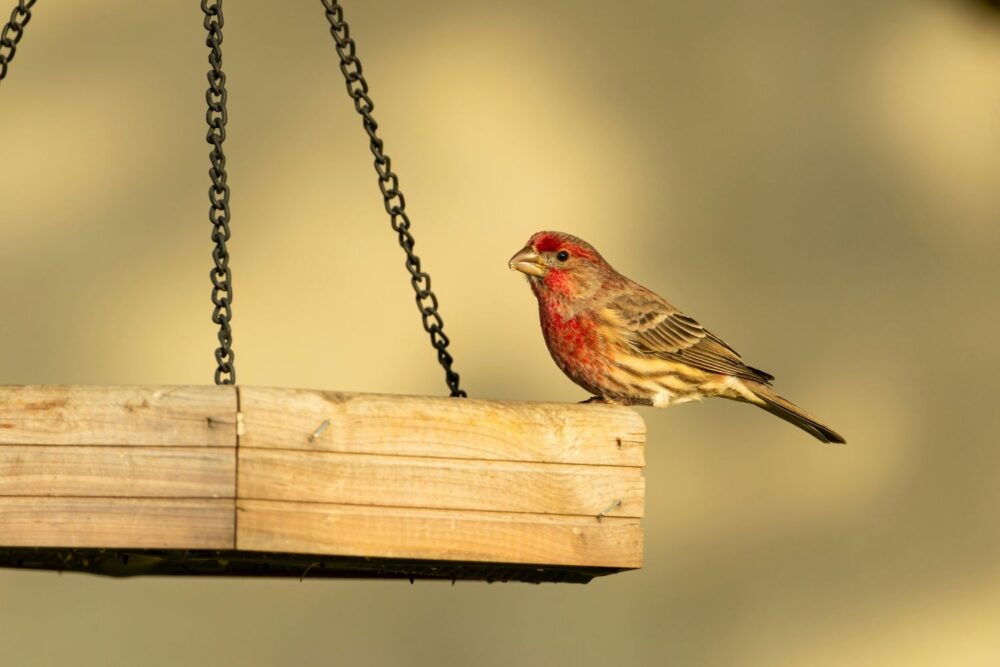
Birds care about function, not appearance. Tube feeders suit finches and chickadees, platform feeders welcome a wide range of species, and hopper feeders appeal to larger birds.
If the feeder style doesn’t match how a bird eats, it won’t use it. Watching how birds feed in nature helps guide feeder choice better than store labels or designs.
5. Cleanliness affects trust

Dirty feeders spread disease and discourage repeat visits. Birds quickly learn which feeding spots feel safe. Moldy seed, wet buildup, or droppings send warning signals.
Regular cleaning builds reliability. When birds associate a feeder with safe food, they return consistently and may bring others. Clean feeders support both bird health and long-term visitation.
6. Timing influences discovery

Birds establish feeding routines early. Introducing a feeder during migration or colder months increases visibility and need. In warmer seasons, natural food sources compete with feeders.
Consistency matters. Filling feeders at the same times helps birds learn when food is available. Irregular supply can cause birds to stop checking altogether.
7. Sun and shade shape comfort

Too much sun can spoil seed quickly, while deep shade may feel unsafe. A balance helps maintain food quality and visibility.
Morning sun with afternoon shade often works well. Birds prefer feeders where they can see approaching threats without overheating or feeding in damp conditions.
8. Noise and activity change behavior
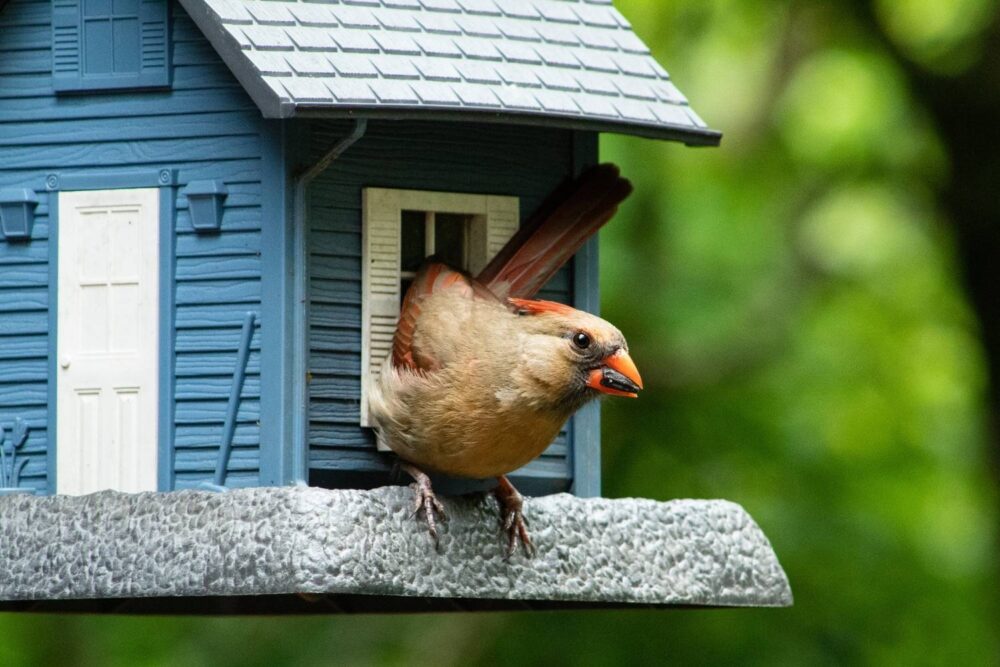
Birds tolerate some human activity, but constant disturbance reduces visits. Feeders placed near doors, play areas, or busy walkways may be ignored.
Quieter edges of a yard feel safer. Once birds establish trust, they may tolerate more movement, but initial placement away from constant noise helps attract cautious species.
9. Water completes the invitation

Food alone doesn’t always seal the deal. Birds prioritize water for drinking and bathing. Adding a birdbath nearby increases feeder traffic.
Moving water, like drippers, is especially attractive. A feeder paired with water tells birds your yard meets multiple survival needs, increasing the chance they return regularly.
10. Patience allows patterns to form

Birds don’t always appear immediately. It can take weeks for species to notice and test a new feeder. Early visitors help signal safety to others.
Avoid frequent changes during this period. Stability helps birds learn your yard’s layout. Once patterns form, adjustments can fine-tune which species become regulars.
11. The feeder becomes part of their map
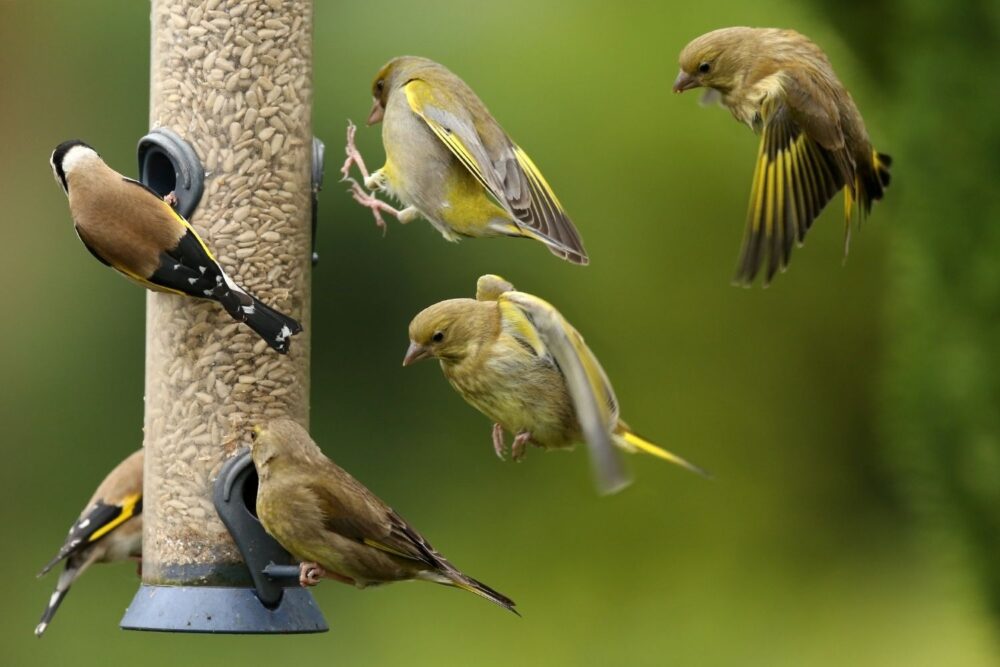
Over time, birds incorporate reliable feeders into their daily routes. Your setup becomes a known stop rather than a random option.
When placement, food, and safety align, birds return year after year. Attracting specific species isn’t about forcing behavior, but about meeting needs they already have.