
Automated delivery is changing how restaurants serve, staff, and connect with today’s tech-savvy diners
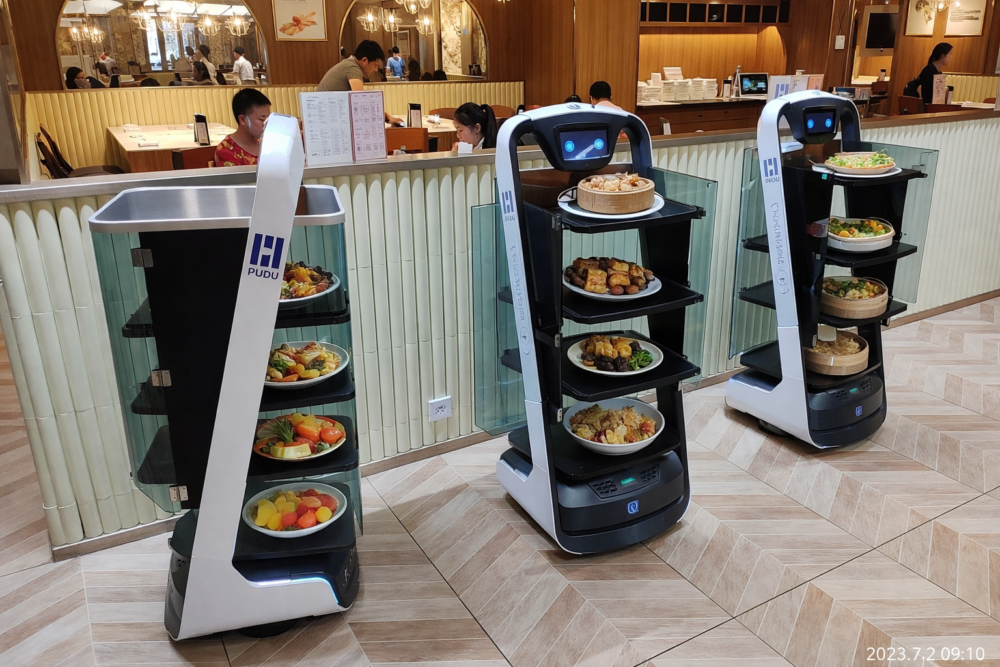
Robot food delivery is no longer a novelty—it’s becoming a practical shift in restaurant operations. From reducing wait times to enabling late-night service, self-driving delivery bots offer consistent, contact-free options for both diners and kitchens. Experts from institutions like MIT and the US Department of Energy highlight how these systems can streamline logistics while reshaping customer interactions. As adoption grows, the dining experience is evolving toward speed, convenience, and careful integration of human and machine roles.
1. Robot couriers will shorten wait times for takeout and delivery orders.

Self-driving delivery robots use GPS tracking and on-board sensors to follow mapped routes from restaurants to doorsteps. With no driver shift changes or traffic detours, they can cut handoff times dramatically, especially for short-range deliveries within dense city blocks.
In a residential tower lobby or a sidewalk café, one fewer wait can mean hotter food and fewer crowding problems. Restaurants that prep orders in sync with bot pickups avoid bottlenecks at the counter, turning over tables faster or focusing staff on dine-in service instead of bagging takeout.
2. Neighborhoods may see fewer cars thanks to automated food transport.
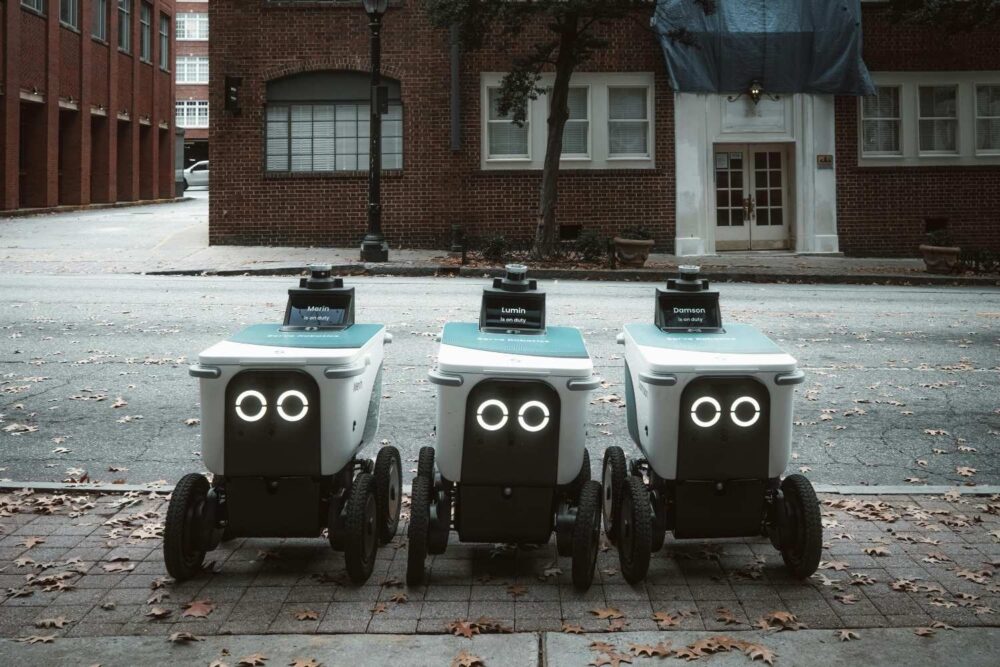
Wheeled delivery bots or compact autonomous vehicles travel short distances without gas engines, which means fewer individual car trips across the same stretch of residential street. Over time, that could mean less congestion near busy dining clusters and popular takeout zones.
On a typical Friday, 15 to 20 car couriers might serve a block anchored by a popular noodle shop. If bots replace even a portion of those errands, a quieter curb and clearer bike lanes follow—especially during high-demand days when traffic stacks up.
3. Smaller restaurants can expand access without adding dining space.
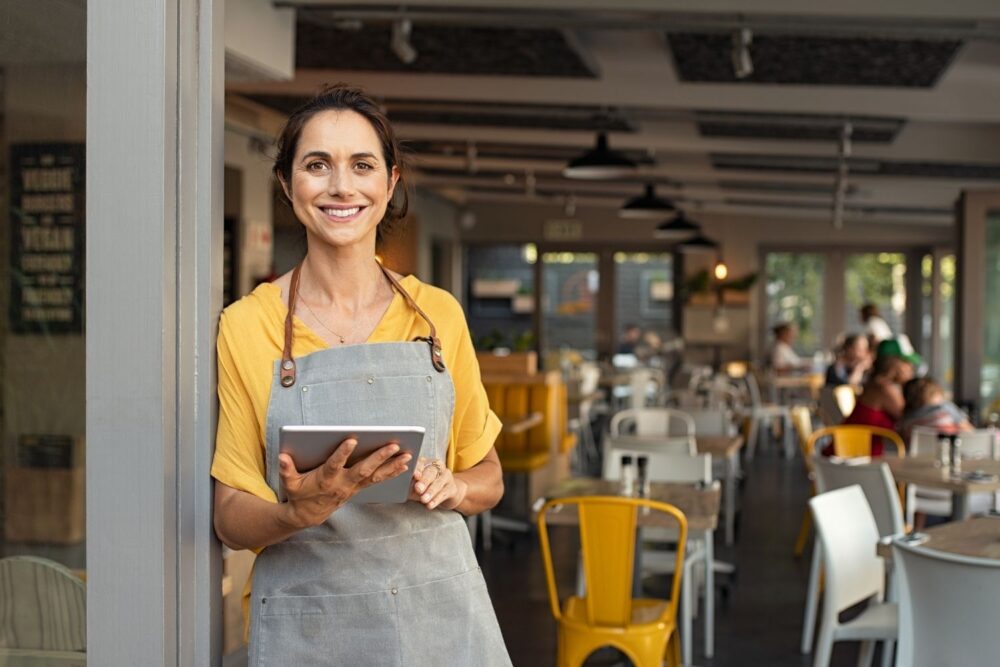
For a small bistro with just ten tables, pushing out meals to homes within five blocks becomes feasible with robotic delivery. These machines offer a consistent service model without splitting staff between dining guests and phone orders.
Owners no longer need to lease larger spaces or hire fleets of drivers. Instead, they send food from their kitchen to nearby households using precise time windows. That shift lets restaurants grow revenue from a steady base without changing how the dining room looks or runs.
4. Late-night meals will become easier to get with robotic service.
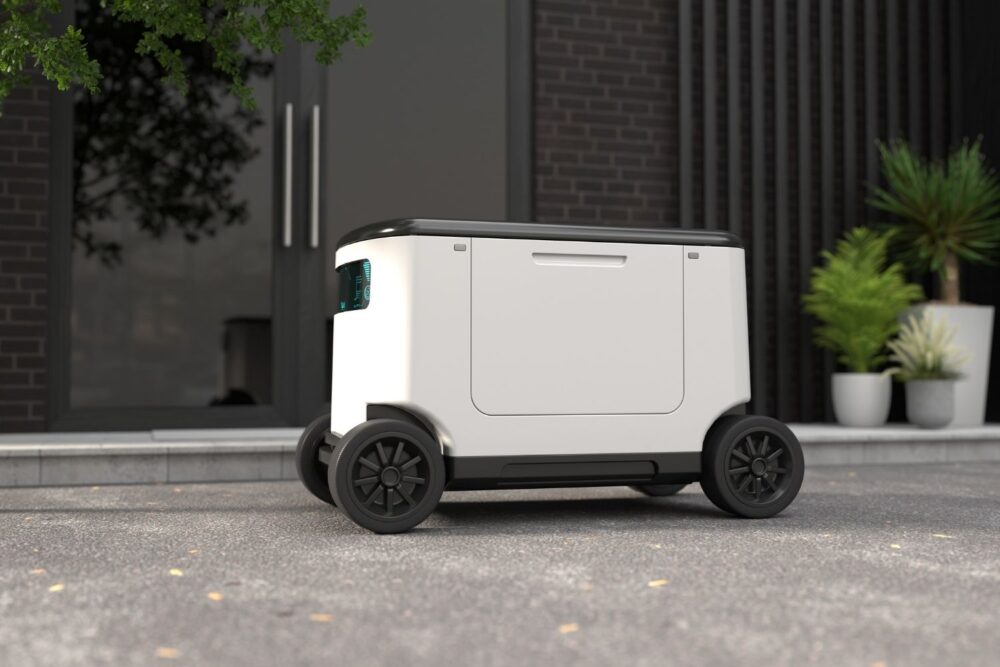
Autonomous bots don’t rely on human schedules. Once loaded, they depart any hour—early evening, after midnight, or at dawn—so long as local rules allow machines on sidewalks or bike paths during off-peak hours.
For shift workers or late studiers, the appeal is clear: a warm burrito or soup arrives without needing to leave the apartment, track a driver, or hope a 24-hour diner’s still open. Restaurants can shift staff toward prep and packaging to meet overnight demand.
5. More diners will discover local spots through algorithm-based options.
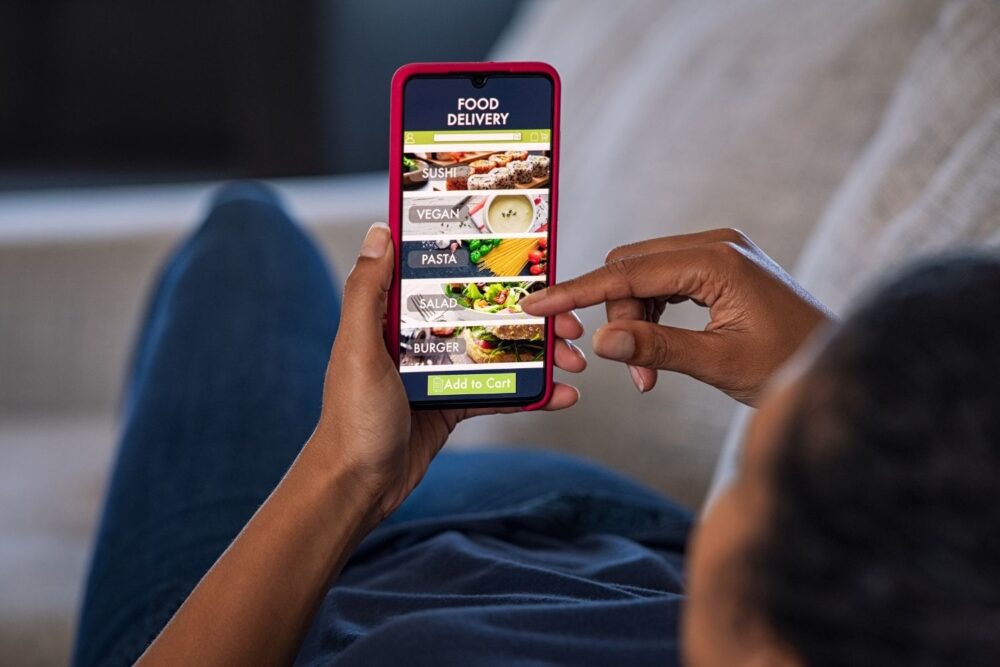
Digital platforms use location trends and repeat patterns to partner robots with restaurants a customer might not search for. If an algorithm spots someone ordering curry nearby, it may suggest a similar Thai café a few streets over.
With each delivery, the system learns what travel times and distances bots can cover comfortably. As routes expand, so do suggestions, subtly nudging diners to try new kitchens even if they never tapped that restaurant’s name into a search box.
6. Outdoor dining areas might evolve to support robotic entry points.

Sidewalk bots and compact delivery vehicles need clear, bump-free access to front entrances or designated zones. That means patios and parklets may shift layouts to include ramps, curb cutouts, or bot-sized gates for easier pickup and drop-off.
An outdoor brunch table beside a herb planter might see routed paths widened or marked with sensors. As restaurants adapt spaces, human guests and robot couriers may end up sharing more of the same terrain—but with clearer signals to keep movement smooth.
7. Pickup stations will replace traditional counter service in some areas.

Rather than lining up at a register, diners may scan a code, wait for a ping, and retrieve meals from climate-controlled pickup lockers or cubbies. These stations handle orders without staff intervention and support faster turnover during lunch crowds.
By decoupling payment, prep, and pickup, restaurants reduce back-and-forth with counter servers. A sandwich joint in an office lobby might serve hundreds through eight locker doors, each assigned a code. For kitchens, this means fewer order mix-ups and steadier rhythms.
8. Food safety could improve with tighter automation in transit.
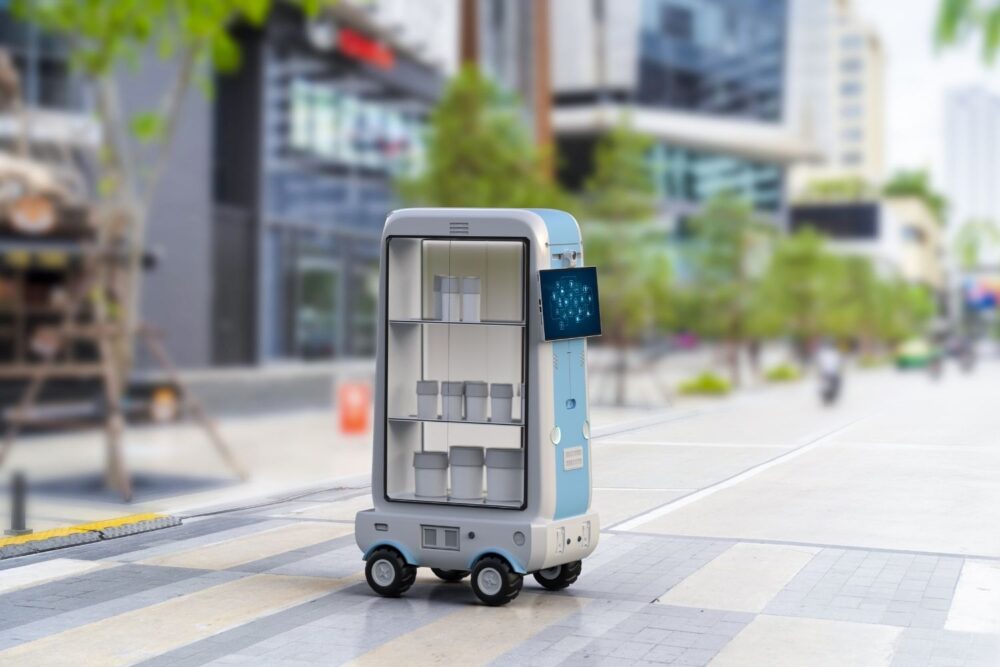
Temperature sensors, motion tracking, and sealed compartments help robots maintain strict delivery conditions. Unlike open-air bike baskets or shared driver bags, autonomous units follow settings closely, logging routes and internal heat data in real time.
A bot ferrying sushi or gelato can adjust internal cooling or send alerts if delays risk spoilage. Each minute counts when serving raw or delicate items, and robotic consistency helps cut chances of melted ice cream or warmed lettuce before arrival.
9. Contact-free delivery will reduce friction for solo or busy diners.
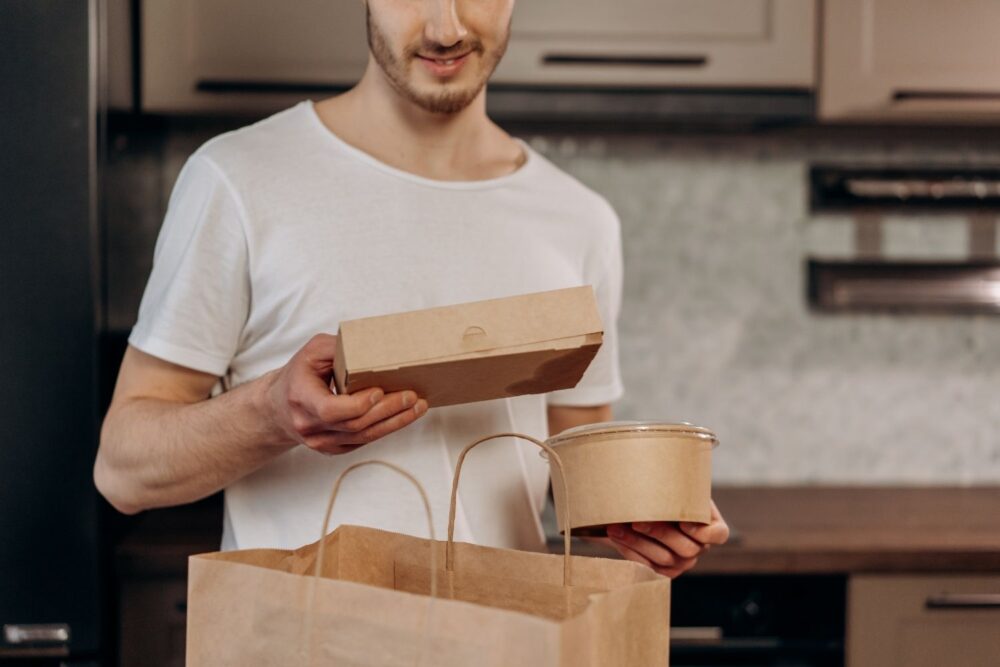
For people juggling work calls or mornings without a free hand, robot drop-offs provide autonomy without conversation or precise meetups. The bot rolls up, opens on command, and records receipt without small talk or waiting outside.
Solo apartment dwellers or parents with sleeping kids may prefer this rhythm. They retrieve meals quietly and directly, skipping unexpected delays or incorrect instructions. The exchange feels transactional—but that simplicity suits many during busy weekdays or off-hours.
10. Restaurants might save money by reducing reliance on third-party apps.
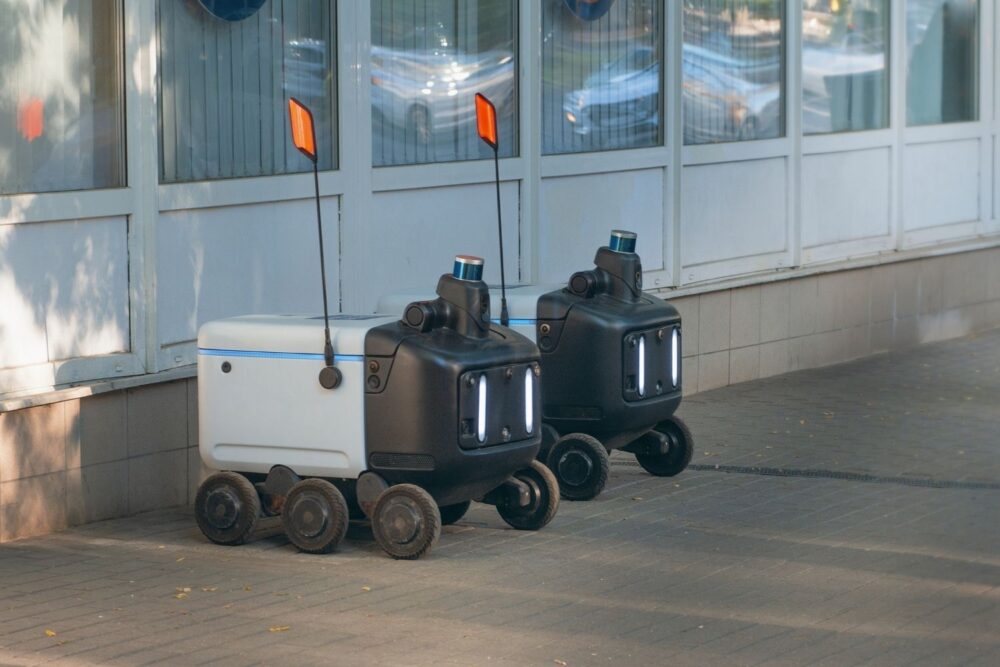
Third-party platforms often collect fees from both the restaurant and the diner, impacting profits and pricing. By using their own robotic fleets, restaurants manage logistics directly and retain more income per order.
A vegan café with narrow margins might invest in two street-legal bots to serve an eight-block radius. After a few months, reduced commission costs may cover upkeep, with fewer order substitutions and faster returns from nearby diners. The control reshapes both budget and guest feedback.
11. Dining routines will shift as robot services grow into suburbs.
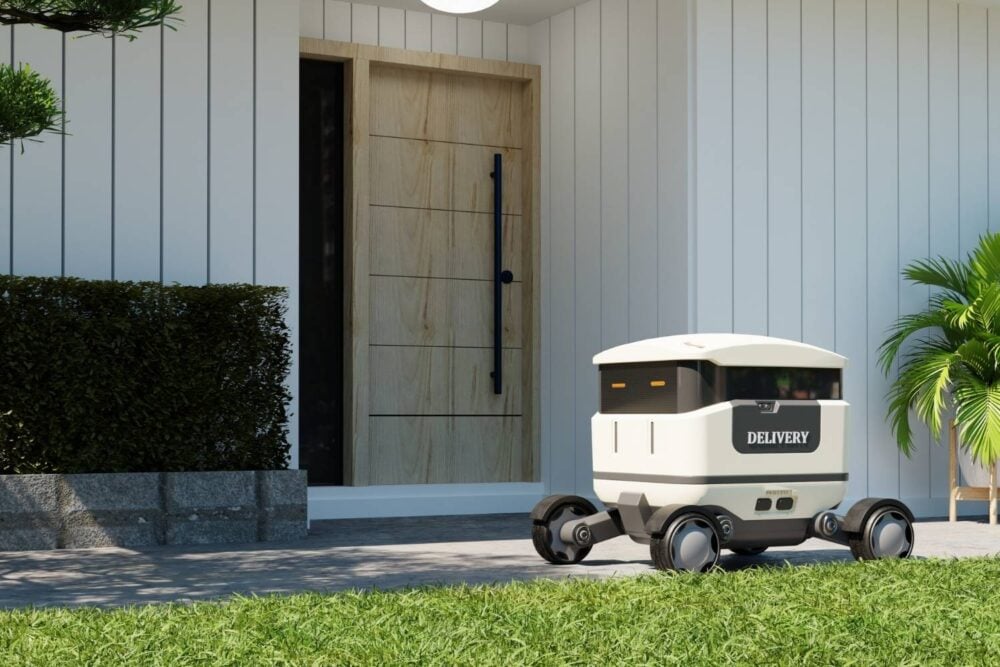
City centers absorb new tech first, but suburbs follow as density and demand grow. Sidewalk bots and compact rovers already run short loops in mapped residential zones, unlocking access to restaurants miles away.
On a quiet cul-de-sac, a roast chicken or pasta bowl can now arrive the same way as urban Thai or pizza. More consistent robotic circulation may lead suburban families to swap weekly bulk shopping trips for fresh delivery from their community’s smaller kitchens.
12. Weather-related delays may decrease with climate-resilient delivery bots.

Unlike humans, bots don’t mind rain or cold so long as parts are sealed and conditions mapped. Their shells resist mud splashes and icy sprinkles, and they stay on course using lidar and temperature-resistant motors.
A windstorm might ground scooters or delay drivers, but a dunk-resistant robot keeps cruising to the same apartment building. Regular maintenance checks scan for corrosion or slowdowns, making the machines more predictable than a car running late during sleet or strong gusts.