
What scientists are hearing fade away, why silence is spreading, and what it reveals about ecosystem health.

What we hear every day shapes how the world feels, even when we barely notice it. Birds at dawn, insects at night, wind through trees. Scientists now say many of these familiar sounds are fading faster than expected, often without people realizing anything has changed.
Unlike visible environmental damage, sound loss happens quietly. It doesn’t leave cracks or scars, but it alters how places function and how wildlife survives. Once a soundscape changes, it’s hard to restore.
Listening closely is becoming a form of awareness. These everyday sounds aren’t just background noise. They’re signals that ecosystems are still working, and their disappearance tells a much bigger story.
1. Morning Birdsong Is Growing Thinner Each Year

Birdsong once defined early mornings in cities and rural areas alike. Researchers tracking soundscapes have found fewer overlapping calls and shorter dawn choruses in many regions. The change isn’t dramatic day to day, but it’s consistent over time.
Habitat loss, heat stress, and shifting migration patterns all play a role. When fewer birds sing, it signals population strain. What sounds like a quieter morning is actually an ecosystem losing redundancy and resilience.
2. The Nighttime Insect Hum Is Fading
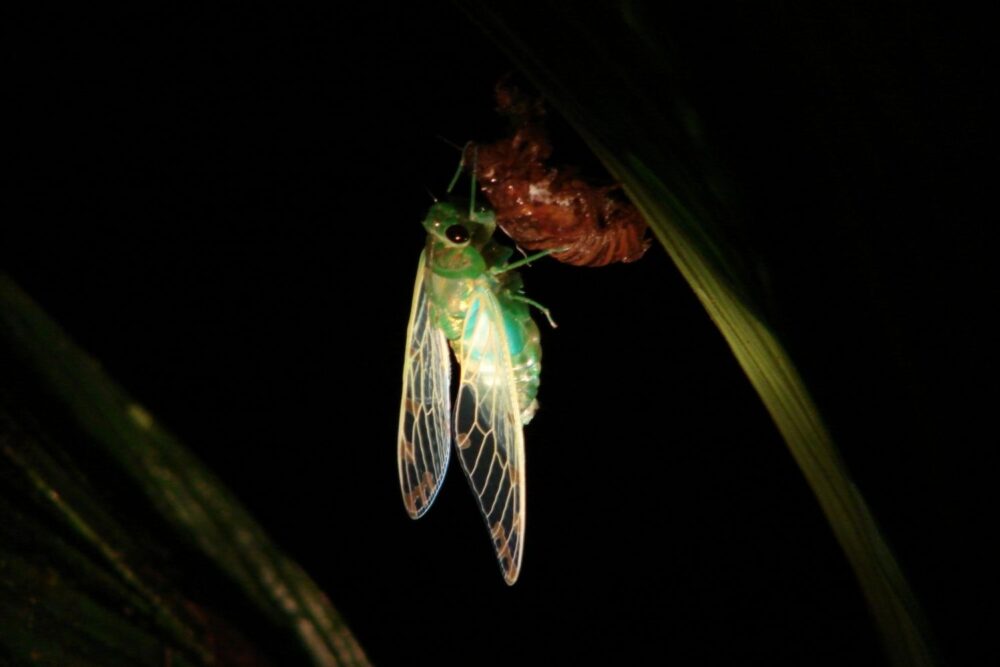
Crickets, cicadas, and other insects once created a steady nighttime backdrop. In many places, that constant hum has become patchy or absent. Long-term acoustic recordings show sharp declines in insect-generated sound.
Light pollution, pesticides, and rising temperatures disrupt insect life cycles. When insects disappear, the silence feels subtle at first. But the loss affects food chains, pollination, and nighttime balance across entire landscapes.
3. Frogs Are Falling Silent Near Waterways

Wetlands used to pulse with frog calls during breeding seasons. Now many ponds and streams are noticeably quieter. Scientists use frog calls as indicators because amphibians respond quickly to environmental stress.
Pollution, disease, and habitat fragmentation reduce populations fast. When frogs stop calling, it often means water quality has already declined. Their silence is an early warning long before visible damage appears.
4. Wind Through Trees Sounds Different Than It Used To

Forests once produced layered sounds as wind moved through dense canopies. As tree diversity declines, those sound patterns change. Thinner forests create sharper, emptier wind noise instead of rich movement.
Deforestation and selective logging reduce structural complexity. That changes how air moves and how sound carries. The difference is subtle, but trained listeners can identify degraded forests just by how the wind sounds.
5. Coastal Waves Are Losing Their Natural Rhythm

Healthy coastlines absorb and shape wave sounds through reefs, marshes, and dunes. As these features erode, wave noise becomes harsher and more uniform. Acoustic monitoring shows altered patterns along damaged shores.
Loss of coral reefs and wetlands removes natural buffers. The sound shift reflects physical changes that increase erosion and storm vulnerability. What you hear at the shore reveals what’s already been lost underwater.
6. Forests Are Becoming Acoustically Empty
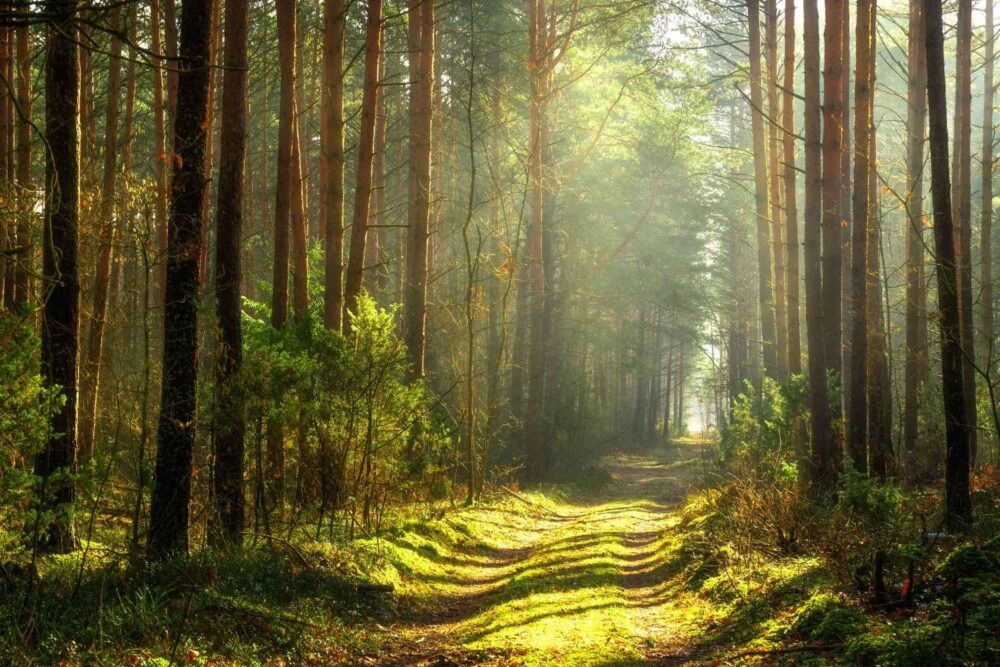
In intact forests, multiple species fill different sound ranges, creating a full acoustic spectrum. In degraded forests, those layers vanish. Researchers call this “acoustic thinning,” and it’s spreading globally.
Fewer sounds mean fewer interactions between species. Pollination, mating, and territory signals break down. Silence isn’t peaceful here. It’s a sign that ecological communication has collapsed.
7. Seasonal Sound Cues Are Shifting

Many natural sounds arrive like clockwork each year. Migratory birds, insects, and amphibians follow seasonal cues. Climate change is disrupting that timing, creating gaps where sound once existed.
When species arrive earlier or later, their calls no longer overlap. That mismatch affects breeding and survival. The landscape still looks familiar, but the timing of its sounds tells a different story.
8. Urban Nature Sounds Are Vanishing First

Cities once supported surprising amounts of wildlife sound. Now traffic, construction, and constant noise drown out or displace natural sources. Acoustic studies show steep declines near expanding urban areas.
Animals either leave or stop vocalizing to avoid danger. The result is quieter urban nature even when green spaces remain. Noise doesn’t just mask sound. It reshapes behavior.
9. Why Silence Can Be a Warning Signal

Silence often feels calming, but in nature it can indicate stress. Healthy ecosystems are noisy, chaotic, and layered. When sounds disappear, it usually means systems are under strain.
Researchers increasingly treat silence as data. Missing sounds can reveal population declines faster than visual surveys. What isn’t heard can be more important than what is.
10. Technology Is Tracking What Ears Miss

Long-term acoustic sensors now record soundscapes continuously. These tools reveal gradual losses humans adapt to without noticing. The data shows change happening faster than expected.
Because sound responds quickly to disruption, acoustic monitoring offers early detection. It allows scientists to spot trouble before ecosystems visibly collapse. Listening has become a scientific method.
11. Why Sound Loss Is Hard to Reverse

Restoring sound requires restoring species, not just space. Once populations drop below certain thresholds, recovery becomes difficult. Silence can persist even after habitats improve.
This lag makes sound loss especially dangerous. By the time people notice, rebuilding complexity may take decades. Prevention matters far more than repair.
12. What Paying Attention Can Still Change

Noticing sound reconnects people to place. Protecting habitats, reducing noise, and supporting conservation all help preserve soundscapes. Awareness shifts how landscapes are valued.
When everyday sounds remain, ecosystems are still functioning. Listening isn’t passive. It’s a way of recognizing health before silence becomes permanent.