
Natural pest control, quieter nights, and what experts say makes a yard owl-friendly.

Seeing an owl in your yard feels magical, but it’s not just luck. These quiet hunters are selective about where they settle, and small choices around your home can matter. Many people don’t realize how close owls already live to suburban areas.
Beyond the wonder factor, owls play a practical role. They help control rodents naturally, often reducing the need for traps or chemicals. When conditions are right, an owl may quietly adopt your yard as part of its routine.
Attracting owls isn’t about forcing wildlife closer. It’s about creating a safe space that fits their instincts. When that happens, the results can be fascinating and helpful.
1. The First Thing Owls Look For Is Quiet

Owls don’t just wander into any yard. They notice patterns most people miss, especially noise and nighttime disruption. Bright lights, constant motion, and loud activity after dark signal danger rather than opportunity. A yard that settles down at night feels safer to them.
When things go calm after sunset, owls pay attention. They hunt silently and prefer places where human activity fades into the background. Quiet doesn’t mean rural, but it does mean predictable.
2. Why Darkness Matters More Than Most People Think
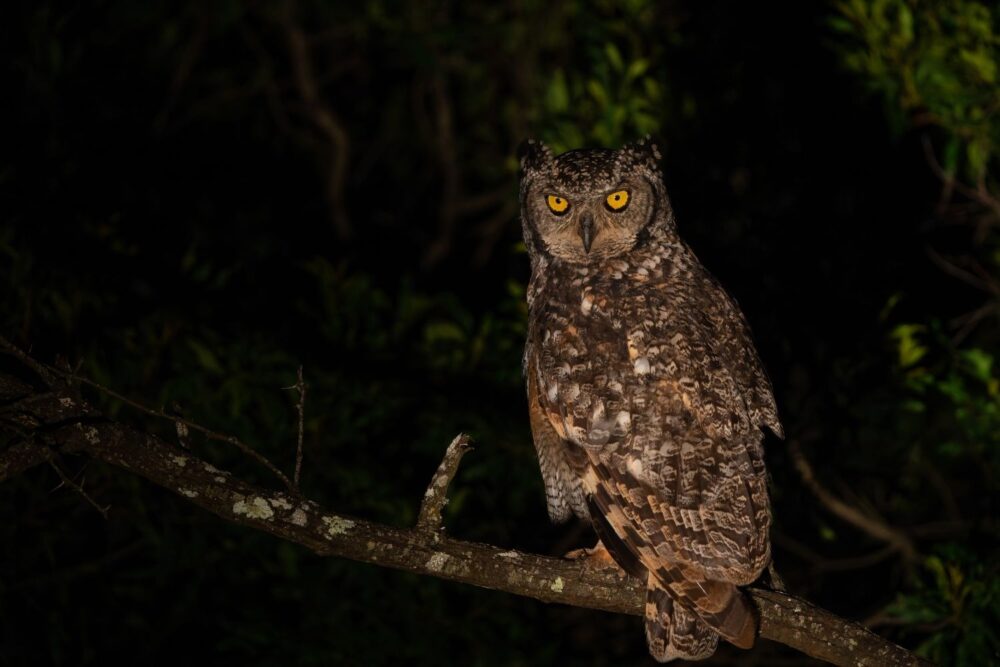
Owls rely on darkness to hunt effectively. Excessive outdoor lighting can disrupt their vision and make prey harder to spot. Even well-intended security lights can quietly push owls away without you realizing it.
Reducing unnecessary lighting doesn’t mean turning your yard into a hazard. Shielded lights, motion sensors, or warmer bulbs can help. Subtle darkness signals a landscape that still follows natural rhythms.
3. Old Trees Are Like Real Estate Listings for Owls

Mature trees offer exactly what owls want: height, cover, and stability. Dead limbs, cavities, and thick branches create perfect roosting spots. To an owl, an old tree isn’t messy—it’s valuable infrastructure.
If you remove every aging tree feature, owls lose interest. Leaving safe deadwood or mature trees intact sends a strong signal that your yard offers long-term shelter.
4. The Role of Prey You Didn’t Realize You Were Hosting
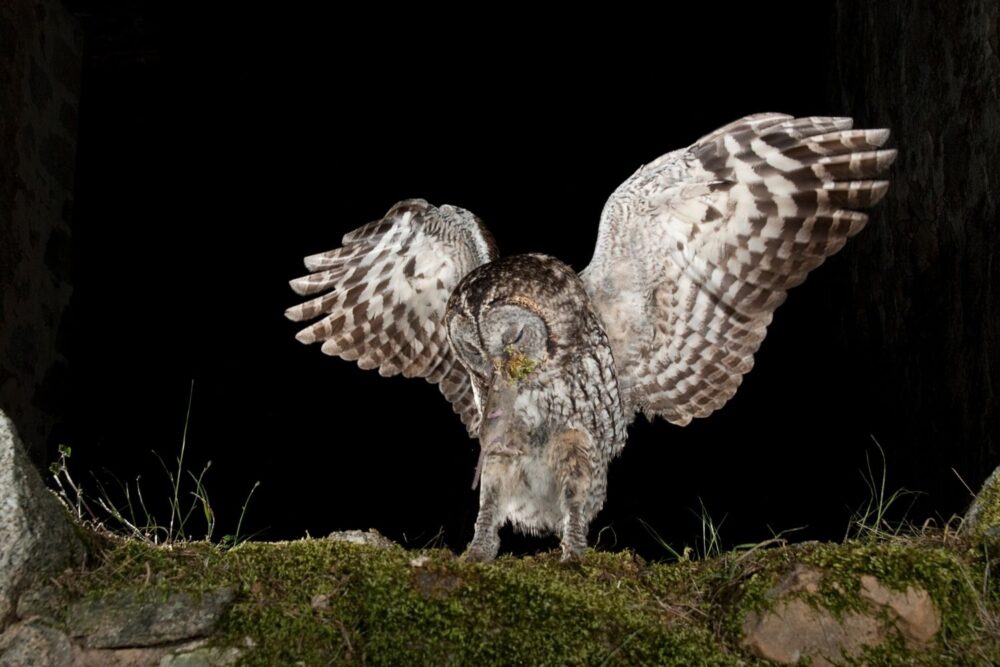
Owls don’t come for bird feeders or water features. They come for mice, voles, and small mammals already living nearby. If prey exists, owls notice quickly.
Ironically, a perfectly “clean” yard can be less appealing. Natural ground cover, native plants, and edges between open and wooded areas support the food chain owls depend on.
5. Why Open Space Matters as Much as Shelter
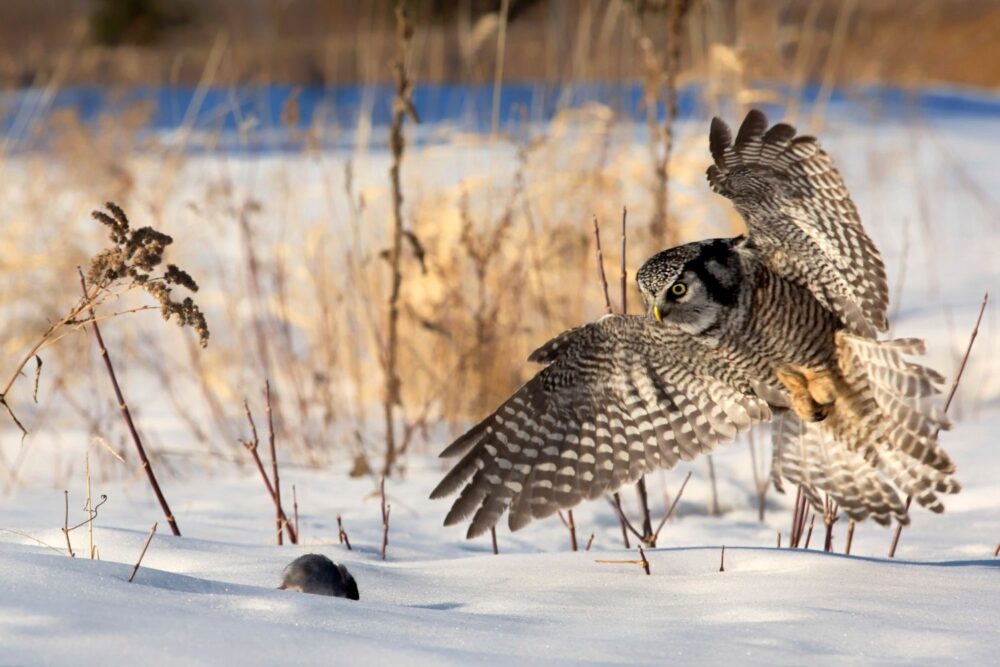
Owls hunt in open areas where they can swoop low and strike quickly. Lawns, meadows, and clearings near cover are ideal. Dense landscaping everywhere makes hunting inefficient.
A balanced yard matters. When open space connects to trees or fence lines, owls gain both visibility and escape routes. It’s about flow, not perfection.
6. Nest Boxes Can Help, But Only If They’re Right
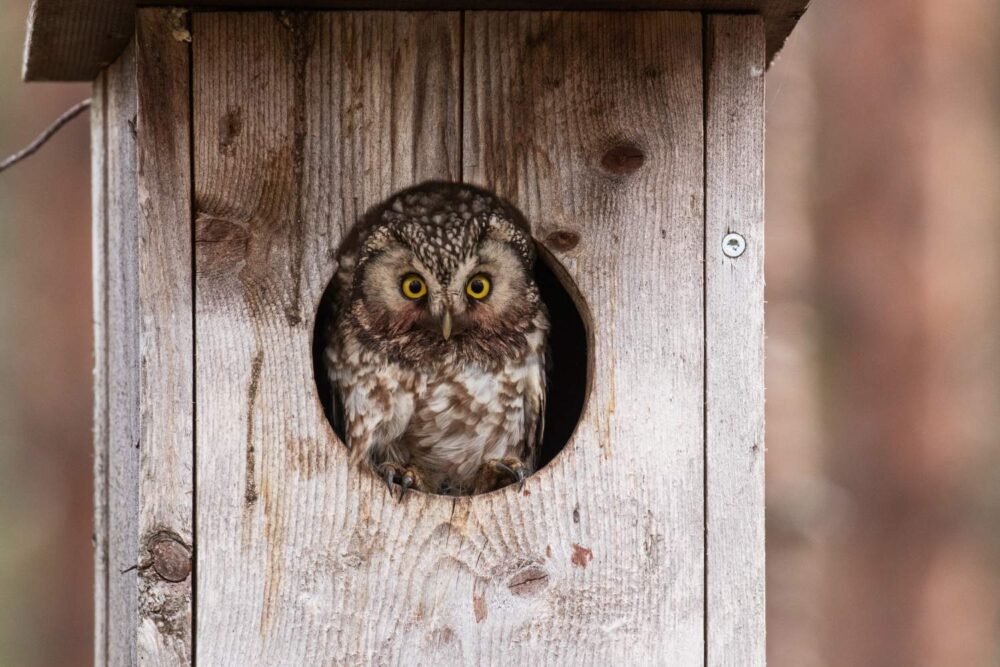
Owl boxes work best when placed thoughtfully. Height, orientation, and location all matter. A poorly placed box can sit unused for years, while a good one may attract attention fast.
Boxes near open hunting areas and away from heavy activity perform better. They supplement natural cavities, not replace them. Think of them as invitations, not guarantees.
7. Why Rodent Poison Is a Deal Breaker

Owls are extremely sensitive to toxins passed through prey. A poisoned mouse doesn’t just die once. It can harm or kill the predator that eats it. Owls avoid areas where prey seems unsafe.
Even occasional poison use can break the trust owls place in a territory. Natural pest control works best when the entire food chain remains intact and healthy.
8. How Owls Slowly Test a New Yard
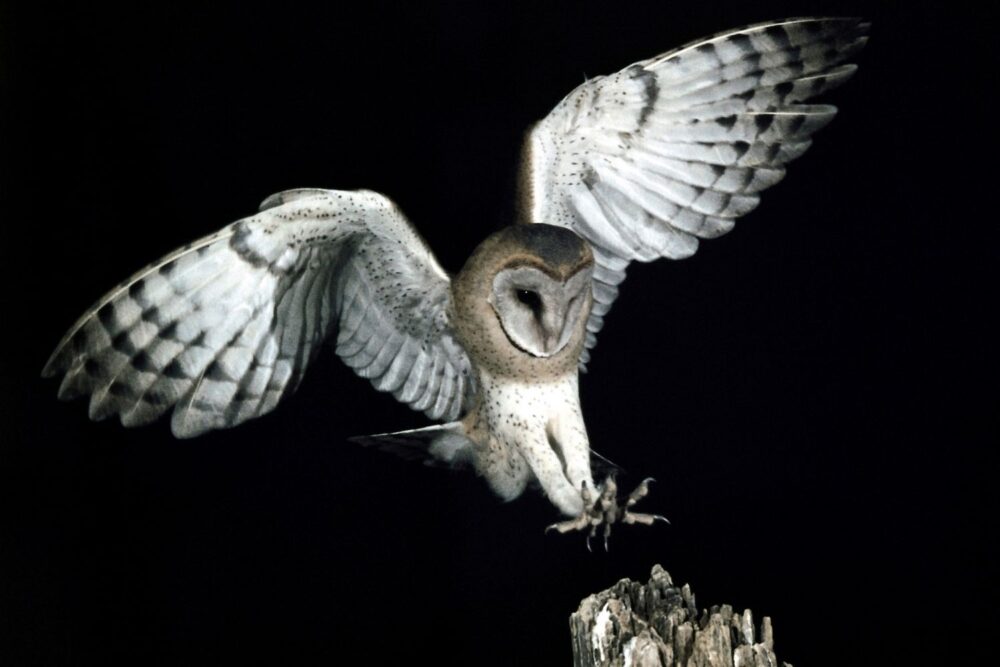
Owls don’t move in overnight. They observe from a distance, using nearby trees or poles to scout. Repeated flyovers often come before regular visits.
This testing phase can last weeks. Consistency matters more than sudden changes. When conditions stay stable, owls grow comfortable enough to include your yard in their routine.
9. The Moment People Realize an Owl Has Moved In

Most people don’t see the owl first. They hear it. A soft hoot at dusk or a sudden silence among rodents is often the clue. Activity shifts quietly.
Owls rarely announce themselves. Once present, they blend into the landscape. That subtlety is part of what makes the experience feel special rather than intrusive.
10. What Changes After Owls Become Regular Visitors
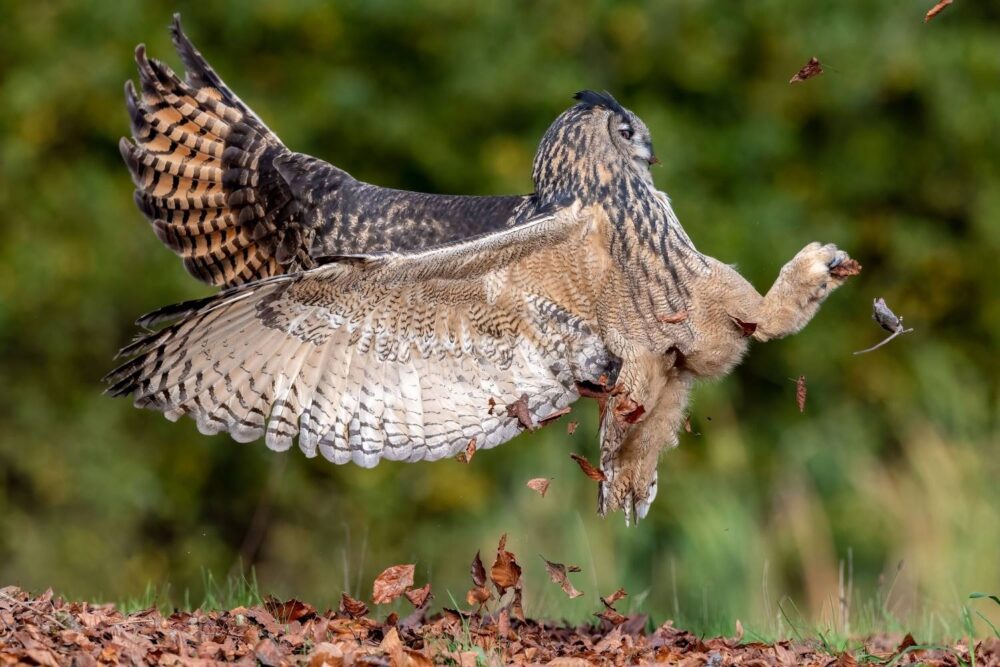
Rodent activity often drops, sometimes dramatically. Yards feel calmer at night. People report fewer sightings of pests without doing anything extra.
Owls don’t eliminate problems instantly, but they create balance. Their presence reflects an ecosystem working as it should, without constant human intervention.
11. Why Attracting Owls Is About Coexisting, Not Controlling

Owls aren’t decorations or pets. They choose where to live. The goal isn’t to lure them, but to allow space for them to exist naturally.
When a yard supports owls, it usually supports many other species too. The reward isn’t just seeing an owl. It’s knowing your space fits into something bigger.