
What looks loving to humans can feel stressful to dogs.
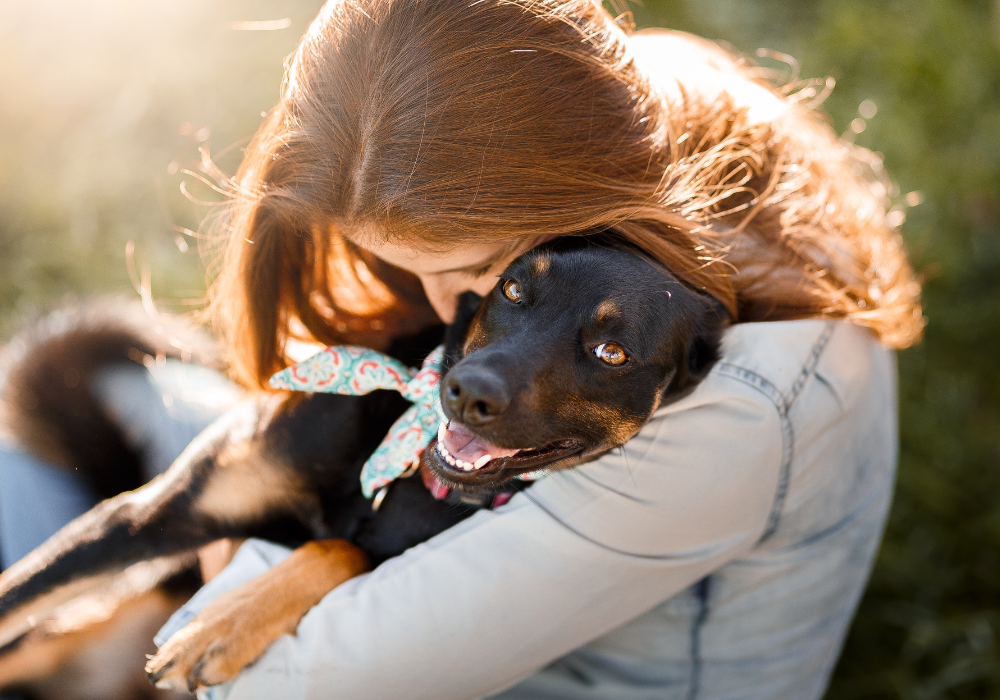
Most dog owners show affection the same way they would to another person—hugging, kissing, squeezing, or leaning in close. It feels natural, loving, and harmless. After all, dogs are family, and affection is how we bond.
But dogs don’t interpret touch the same way humans do. What feels comforting to us can feel confusing, stressful, or even threatening to them, especially when it limits their movement or invades their space.
Veterinarians and behavior experts say many dogs quietly tolerate these moments rather than enjoy them. Learning how dogs actually experience affection can strengthen trust, reduce stress, and help your dog feel safer around you.
1. Hugging feels safe to humans, but not to most dogs

Hugs are a human comfort signal, but dogs don’t naturally embrace each other. When arms wrap around their chest or shoulders, many dogs feel restrained rather than loved. That loss of control can trigger stress, even in dogs that otherwise trust their owners.
Some dogs freeze, turn their head away, or stiffen during hugs—classic signs of discomfort. They may tolerate it because they’ve learned humans expect it, not because it feels good. Over time, repeated hugging can increase anxiety rather than strengthen the bond.
2. Face-to-face closeness can feel threatening

Humans often lean in close, make eye contact, and bring their face near a dog’s face to show affection. In dog language, however, direct face-to-face contact can feel confrontational or invasive.
Many dogs respond by turning their head, licking their lips, or blinking rapidly—signals meant to defuse tension. Ignoring those cues can make a dog uneasy. Giving dogs space and approaching from the side respects how they naturally communicate comfort and trust.
3. Kissing mimics a behavior dogs don’t enjoy

Kissing may feel gentle and loving to people, but to dogs it can feel unpredictable. A human face suddenly moving toward theirs can trigger discomfort, especially if the dog can’t easily move away.
Some dogs accept kisses from familiar owners, but that doesn’t mean they enjoy them. Behavior experts note that dogs rarely initiate this kind of contact themselves. When kisses are repeated or unexpected, stress can build even if the dog doesn’t growl or pull away.
4. Patting the head isn’t as friendly as it seems
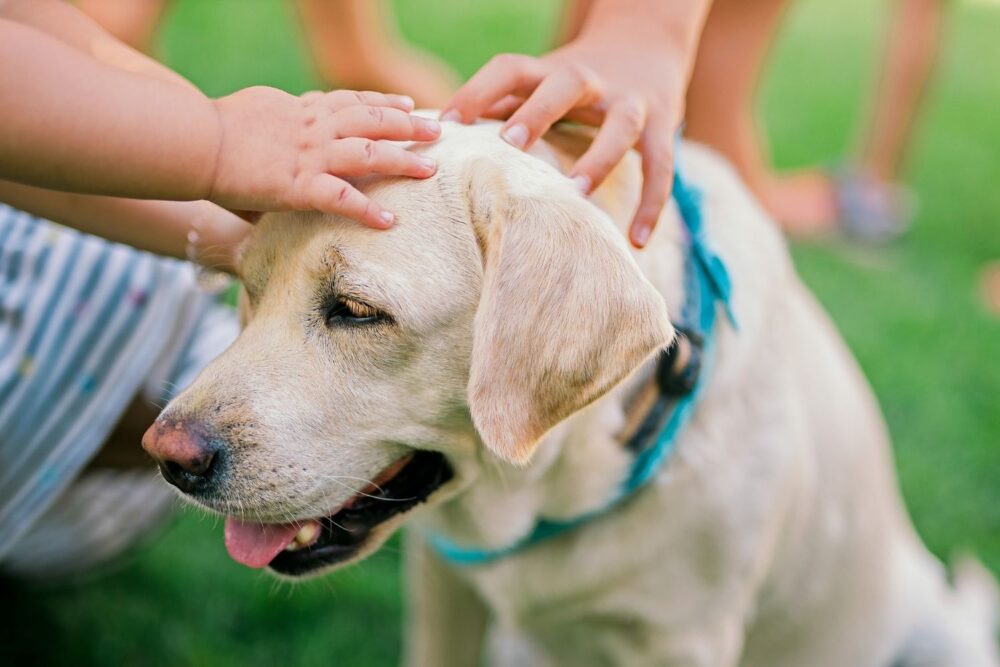
Reaching over a dog’s head is a common gesture for humans, but many dogs find it unsettling. In dog interactions, looming movements from above can signal dominance or threat rather than affection.
Dogs often prefer touch on the chest, shoulders, or side of the body, where they can see what’s happening. Head pats may be tolerated, but they’re not always welcomed. Choosing safer touch zones can help dogs relax instead of brace themselves.
5. Squeezing during excitement overwhelms some dogs

When dogs get excited, people often respond by grabbing, squeezing, or pulling them close. While the intention is joyful affection, the dog may already be overstimulated and struggling to regulate emotions.
Adding physical restraint during high excitement can push a dog into stress mode. Some dogs respond by jumping, mouthing, or pulling away—not out of misbehavior, but because they’re overwhelmed. Calm, gentle contact works better during energetic moments.
6. Picking dogs up removes their sense of control

For many dogs, especially small ones, being picked up without warning can feel unsettling rather than comforting. When their paws leave the ground, they lose the ability to move away, adjust their position, or decide what happens next.
That sudden loss of control can trigger stress, even in dogs that seem outwardly calm or compliant. Some dogs tolerate being carried because they trust their owner, not because they enjoy it.
Veterinarians and behaviorists say letting dogs stay grounded, or giving clear signals before lifting them, helps reduce anxiety and builds a stronger sense of safety and trust.
7. Holding eye contact can raise tension
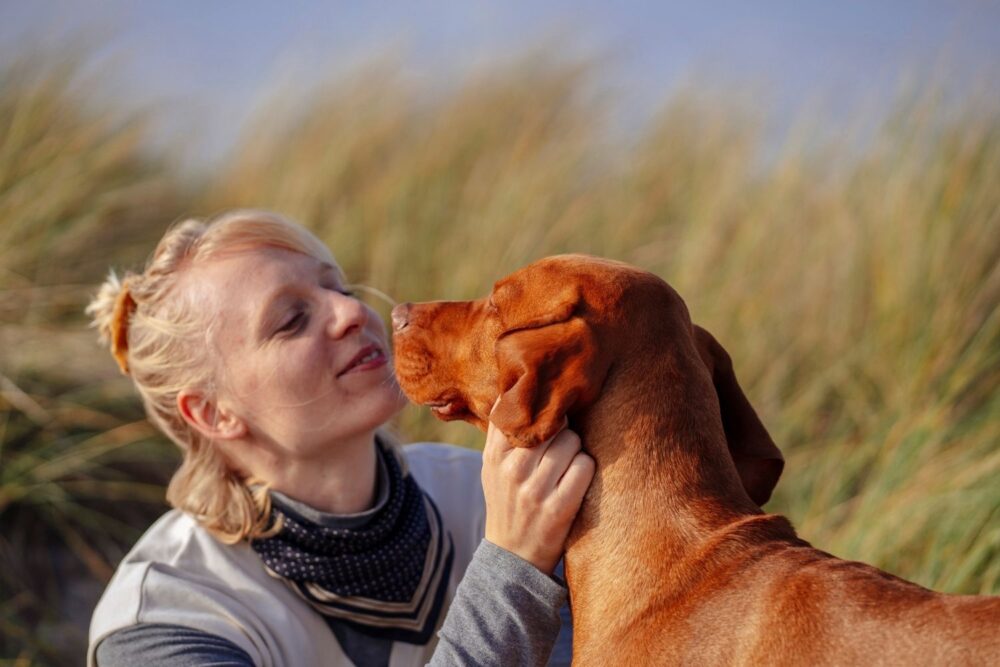
Humans often associate eye contact with connection, but dogs use it differently. Prolonged, direct staring can be uncomfortable, especially during close physical contact.
Dogs that avert their gaze are not being disobedient—they’re trying to reduce pressure. Soft, brief glances paired with relaxed body language are more comforting. Understanding this difference prevents unintentionally making affectionate moments feel intense or stressful.
8. Dogs often freeze instead of pushing back
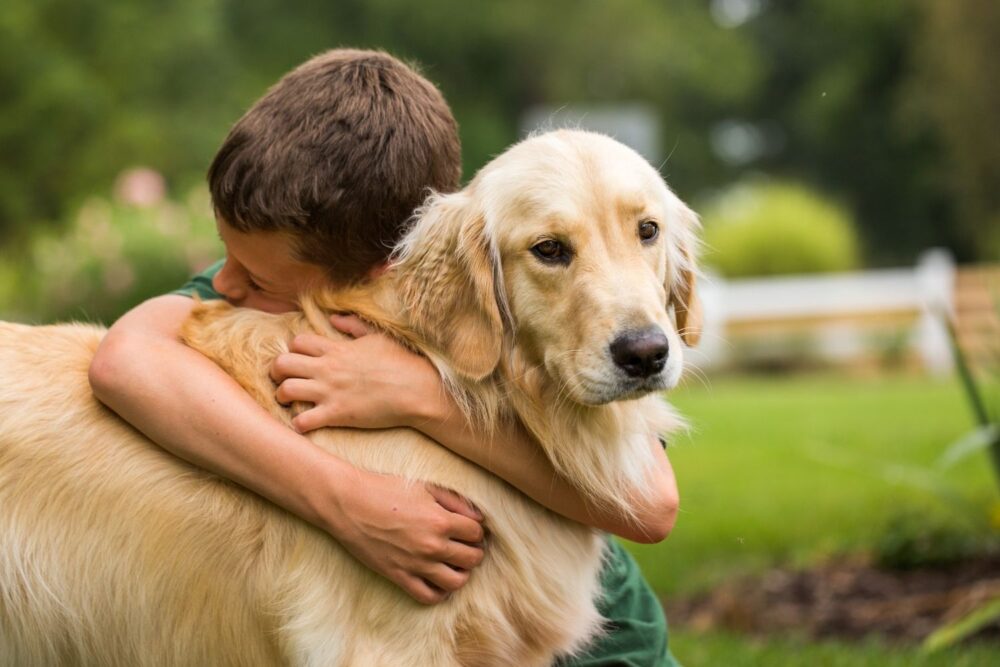
One reason this issue goes unnoticed is that many dogs don’t react dramatically. Instead of growling or snapping, they freeze, yawn, lick their lips, or hold their breath.
These subtle signs are easy to miss, but they’re meaningful. Dogs learn that resisting affection doesn’t work, so they endure it quietly. Recognizing these signals helps owners adjust behavior before stress turns into fear or reactivity.
9. Affection timing matters more than quantity
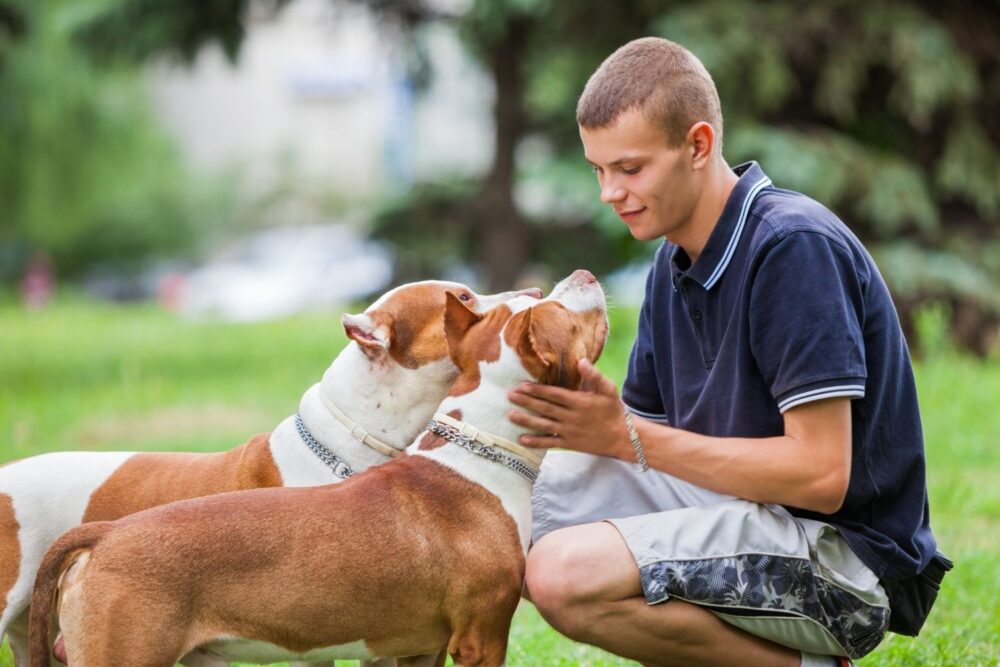
Dogs are more receptive to affection when they’re relaxed and choosing interaction. Interrupting rest, play, or exploration for cuddles can feel disruptive rather than loving.
Letting dogs initiate contact—by leaning in, nudging, or sitting nearby—creates positive associations. Affection that respects timing feels safe and rewarding, while affection forced at the wrong moment can slowly erode trust.
10. Dogs show love differently than humans expect

Dogs express affection through proximity, following their owner, relaxed body posture, and calm engagement—not constant touch. Interpreting these signals correctly helps owners recognize when their dog is already expressing closeness.
Misreading dog affection can lead people to overcompensate with physical contact. Understanding canine love languages helps owners respond in ways dogs actually appreciate, rather than projecting human expectations onto them.
11. Respecting boundaries strengthens the bond
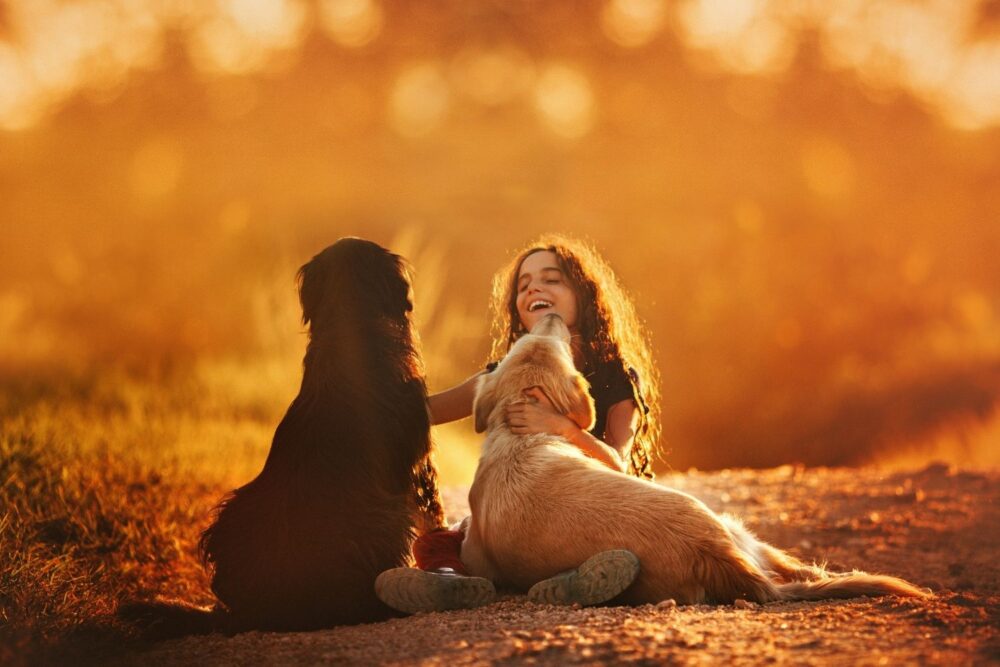
The strongest human-dog relationships are built on trust, choice, and respect. When dogs feel heard and understood, they become more affectionate on their own terms.
Adjusting how affection is shown doesn’t mean loving your dog less—it means loving them better. Small changes in how and when touch happens can reduce stress, deepen trust, and make companionship more comfortable for both sides.