
Scientists say nature would reclaim the city in unexpected ways.
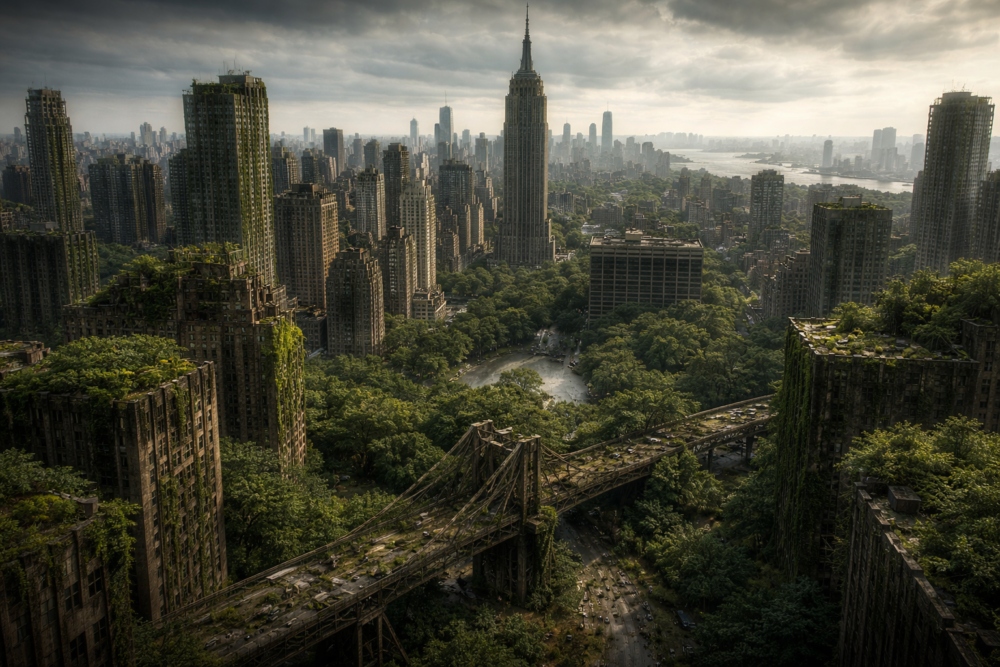
Imagine New York City without people. No traffic, no maintenance crews, no lights switching on at dusk. At first, the city would look frozen in time, almost intact, like a paused movie scene waiting for someone to press play.
But cities only function because humans constantly hold them together. Pumps move water, power keeps systems dry, and repairs stop small failures from spreading into disasters. When that attention disappears, the systems that make the city livable begin to unravel.
Researchers who study abandoned cities, ecology, and infrastructure say New York would not stay empty or stable for long. Nature, weather, and decay would move in quickly, reshaping the city in ways that feel dramatic, uneven, and surprisingly fast.
1. The power would fail within hours
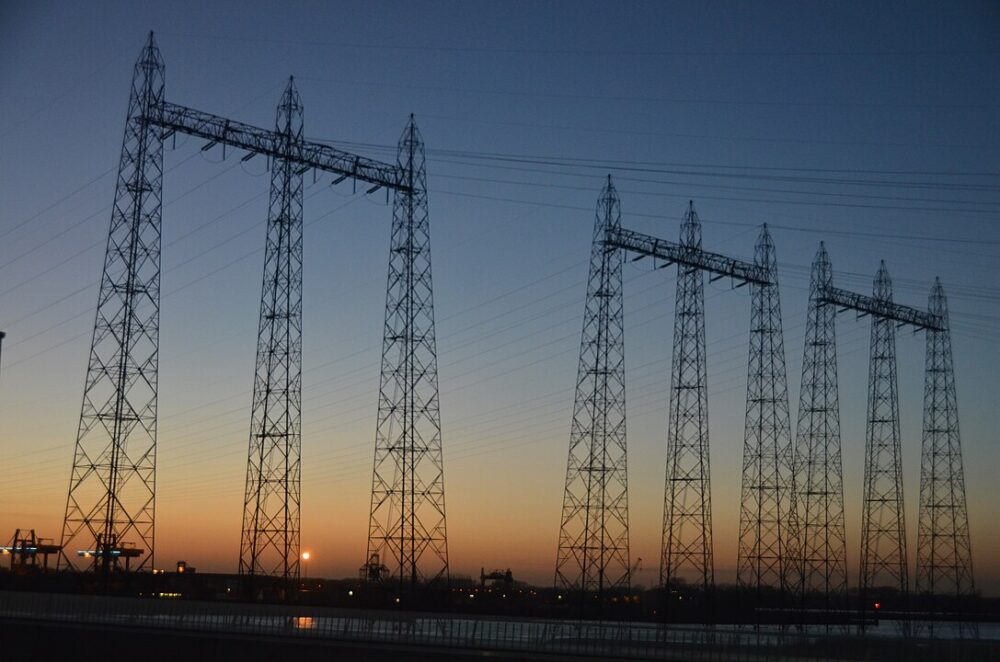
Without people, power plants would shut down quickly. Lights would flicker out, elevators would stop, and traffic signals would go dark.
Backup generators would keep some facilities running briefly, but without refueling or oversight, they would fail as well. Once electricity disappears, nearly every other system begins to break down. Darkness would mark the true start of the city’s transformation.
2. Water would become the biggest threat
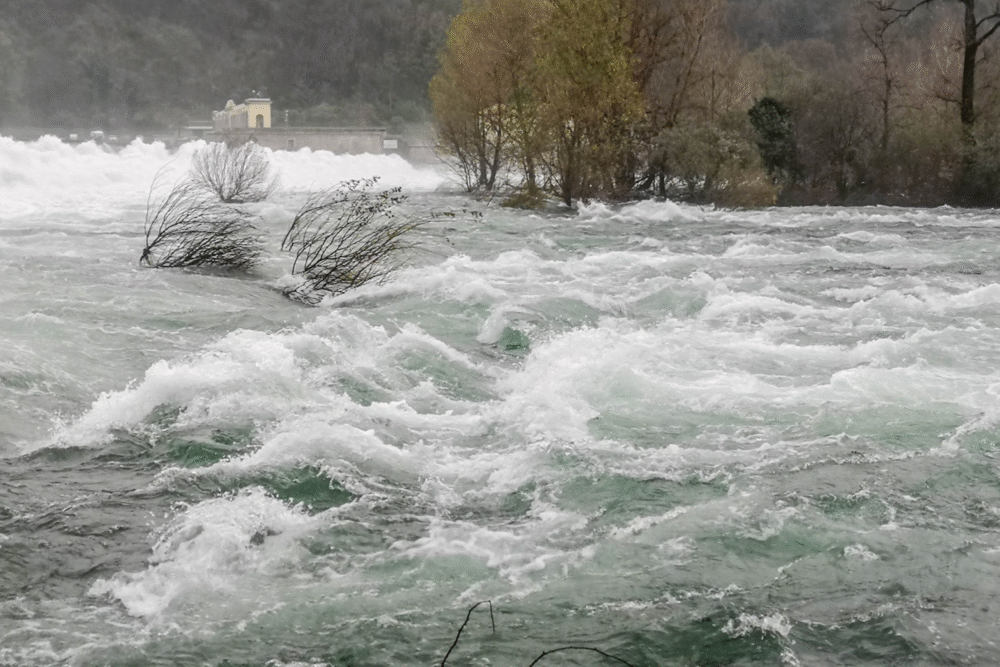
New York depends on constant pumping to keep water where it belongs. Once pumps stop, basements, tunnels, and underground infrastructure would begin to flood.
Fresh water systems would lose pressure, allowing contaminants to seep in. Saltwater from surrounding rivers would creep into low-lying areas, accelerating corrosion. Over time, water damage would undermine foundations and weaken entire neighborhoods.
3. Subways would turn into underground rivers
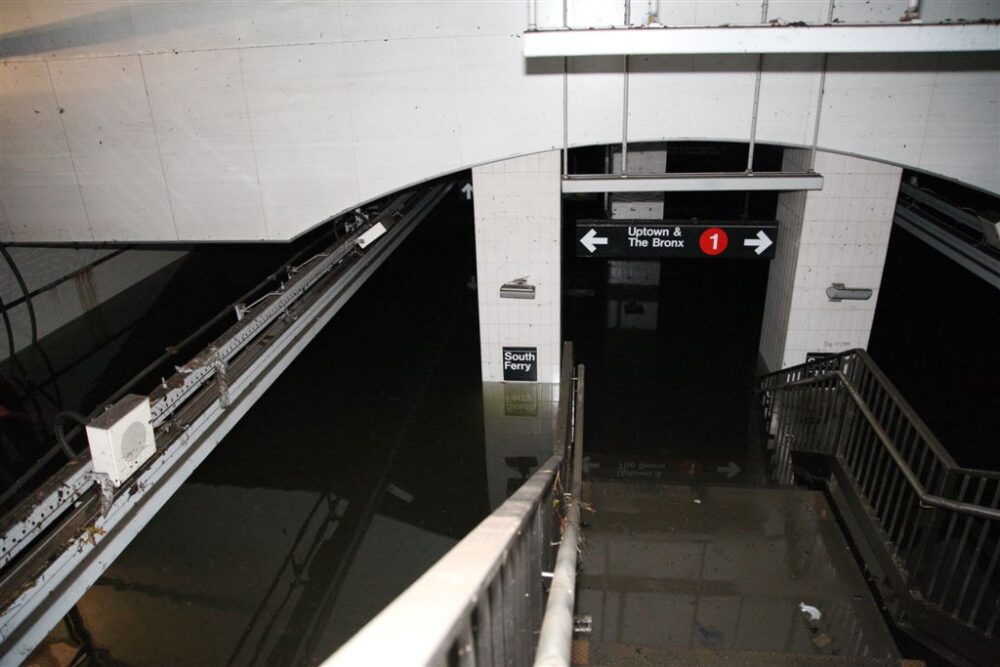
Without active drainage, rainwater and groundwater would flow into subway tunnels with nowhere to go. The system would begin flooding almost immediately.
Within days or weeks, many tunnels would be fully submerged. Over longer periods, these underground spaces would become aquatic habitats. What was once transportation infrastructure would evolve into a network of slow-moving underground waterways.
4. Streets would crack, then disappear
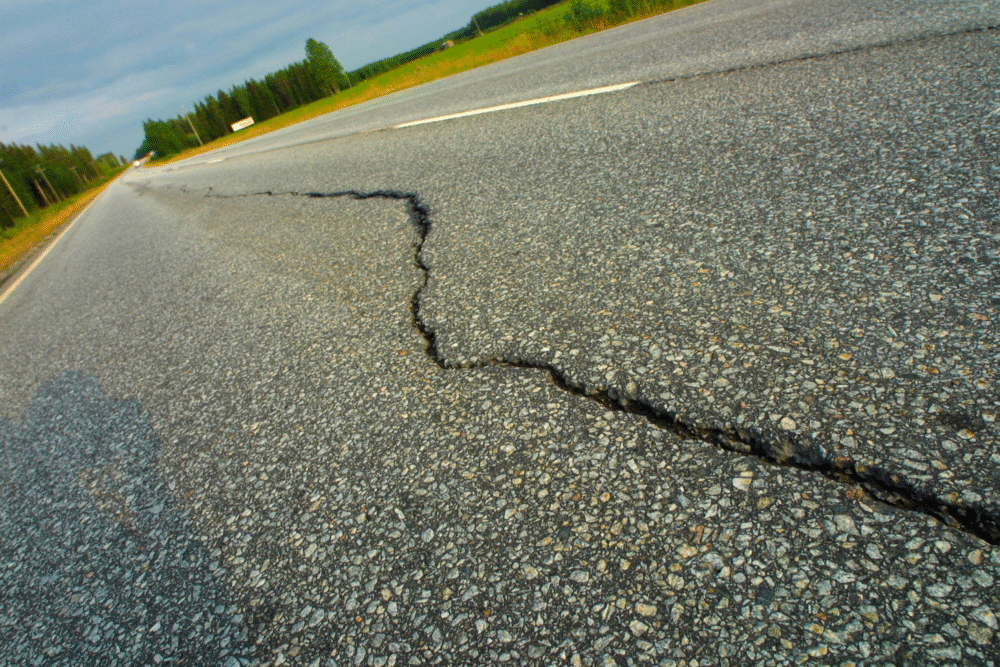
Without maintenance, small cracks in asphalt would expand quickly. Freeze-thaw cycles would split pavement apart year after year.
Plants would take advantage of every weakness. Weeds would become grasses, grasses would give way to shrubs, and eventually small trees would break through sidewalks. Streets would slowly transform into green corridors shaped by roots and erosion.
5. Rats wouldn’t rule for long
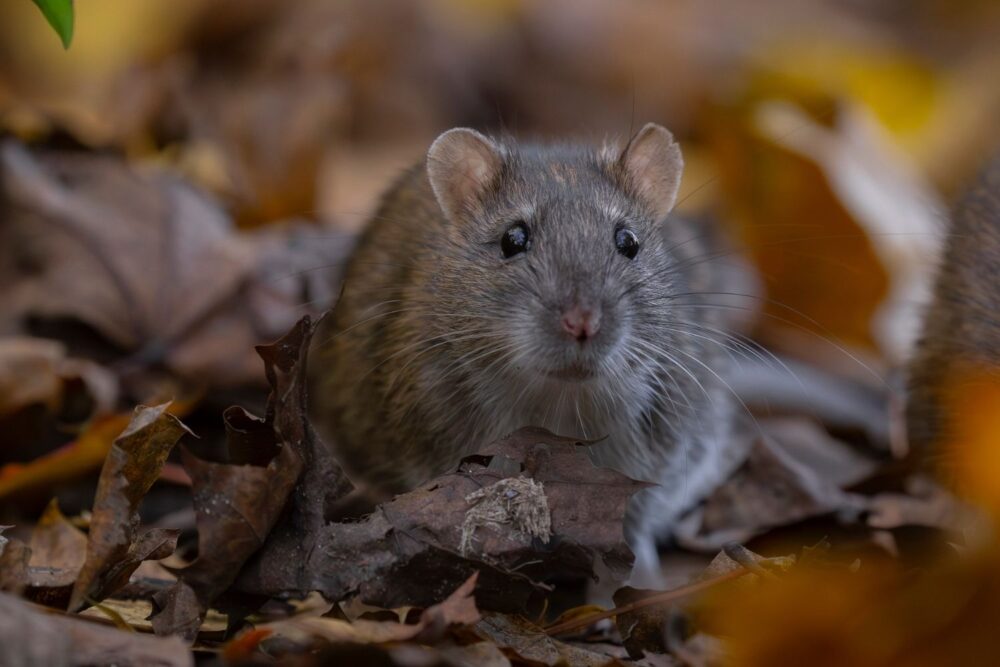
At first, rats and pigeons would flourish on abandoned food supplies. Their populations would spike briefly as human waste remained available.
But without new trash, those food sources would vanish. Predator species like hawks, owls, foxes, and raccoons would move in. Over time, the ecosystem would rebalance in favor of wildlife adapted to natural food chains.
6. Buildings would decay faster than expected
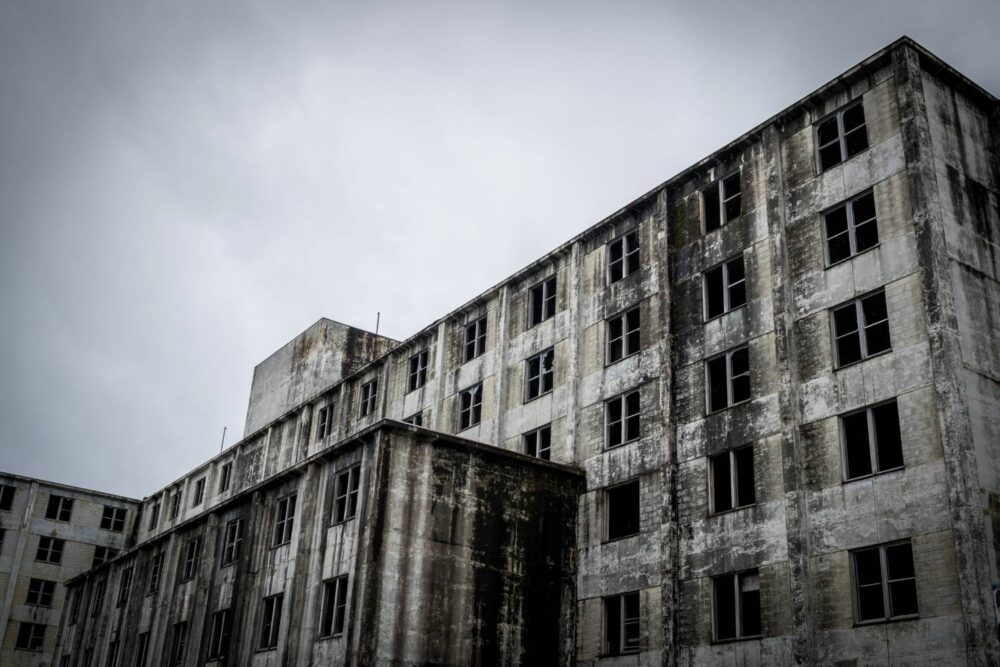
Modern buildings depend on climate control to stay dry and stable. Without heating, cooling, and ventilation, moisture would build up inside walls, ceilings, and foundations.
Mold would spread rapidly, especially in enclosed spaces. Steel supports would rust, concrete would crack, and wooden structures would rot from the inside out.
Within a few decades, many buildings would become structurally unsafe even if they still looked intact from the outside. Collapse would come not from dramatic events, but from slow, unstoppable decay.
7. Trees would return to unexpected places
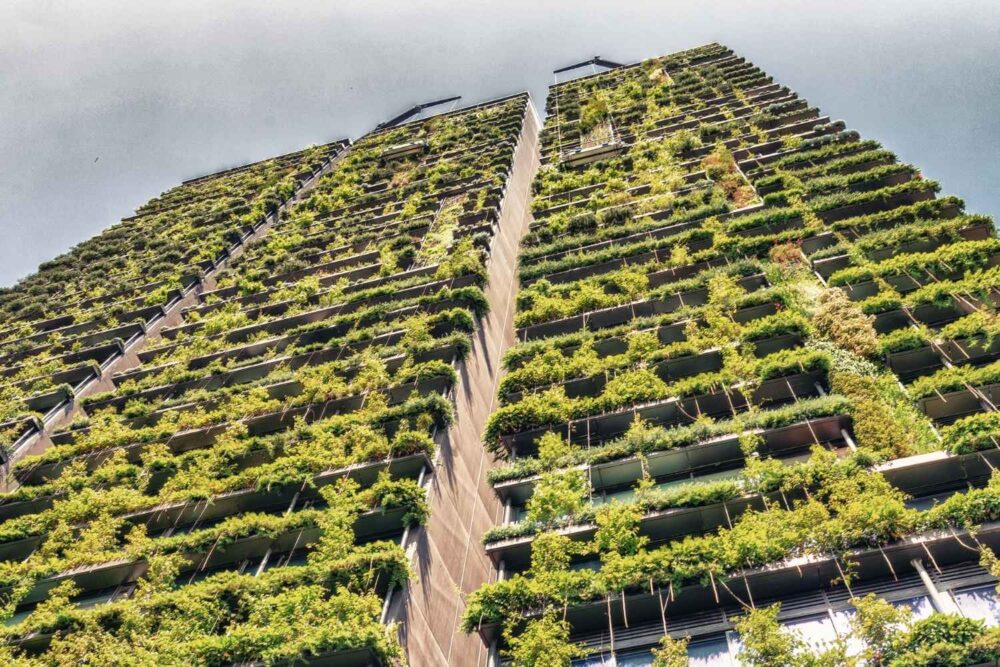
Seeds already lie dormant across the city, carried by wind, birds, and water. Once sunlight and soil become available, trees would begin sprouting in surprising locations.
Rooftops, balconies, and abandoned apartments would host early plant growth. As roofs fail and debris accumulates, small forests would take hold. Over time, vegetation would climb vertically as much as it spreads horizontally.
8. Bridges would start to fail
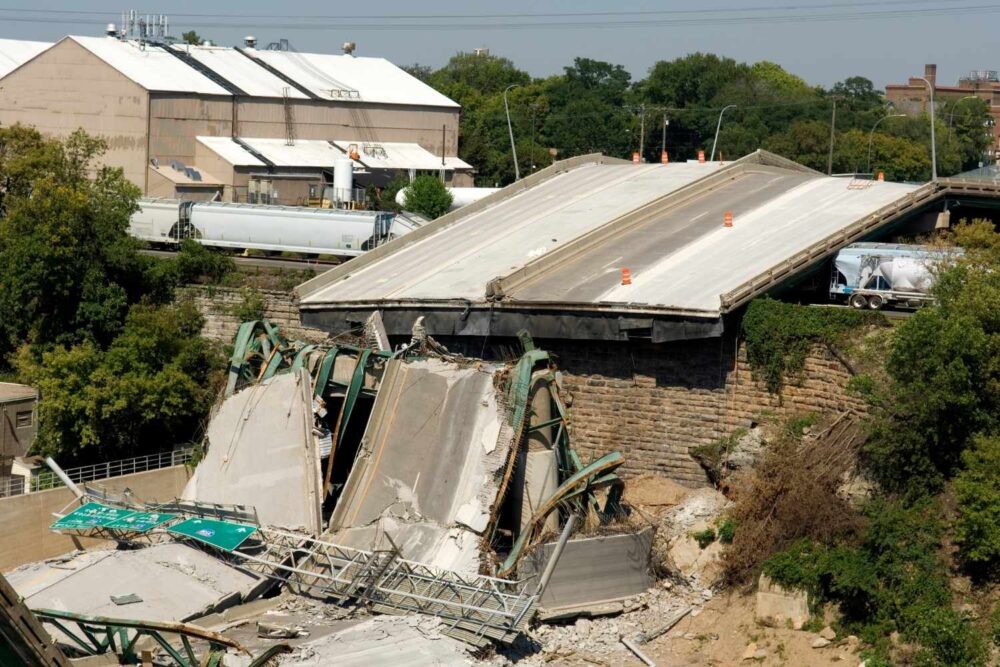
New York’s bridges are built to last, but only with constant inspection and repair. Without maintenance, salt air and moisture would steadily weaken steel and concrete.
Corrosion would spread silently. Eventually, joints would fail and sections would collapse into rivers below. These fallen structures would alter water flow and create new habitats for fish and aquatic plants.
9. Wildlife would move in cautiously, then confidently
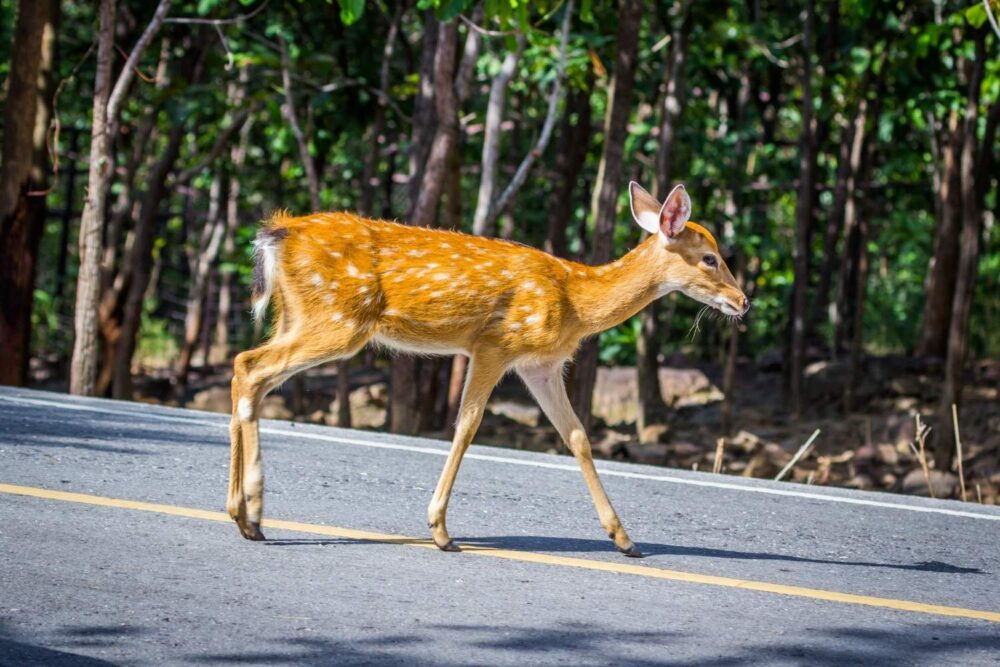
At first, animals would avoid the city’s unfamiliar structures. Silence and vegetation would slowly change that.
As green corridors expand, larger animals would follow. Deer, coyotes, and even bears could pass through parts of the city. The absence of human noise would make urban spaces feel safer to wildlife than surrounding suburbs.
10. Central Park would become a true forest
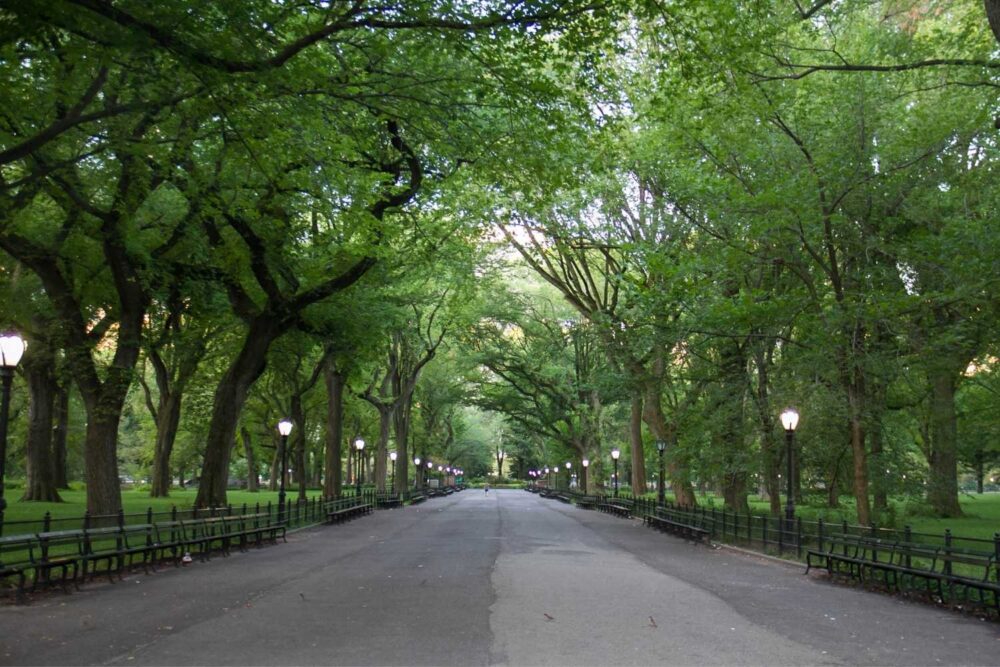
Without landscaping crews, Central Park would stop being curated. Lawns would disappear, replaced by shrubs, saplings, and fast-growing trees.
Over centuries, the park would resemble the forests that existed before the city. Layered canopies, dense undergrowth, and diverse animal life would replace carefully planned paths and open fields.
11. The skyline would slowly fall
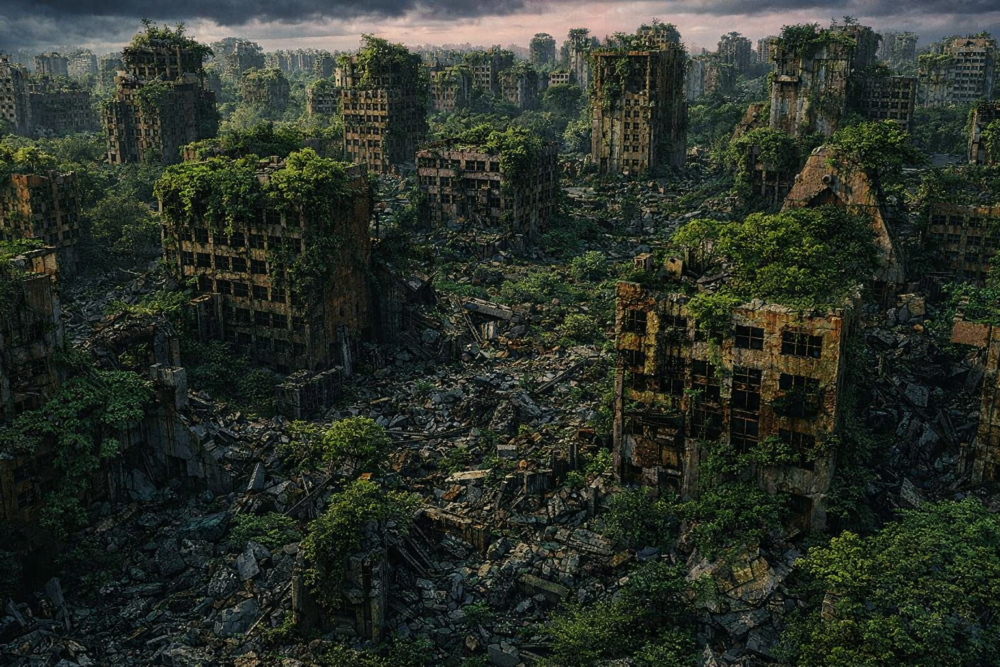
Skyscrapers are designed to withstand weather, but not centuries without care. Wind, storms, and corrosion would weaken structures bit by bit.
Windows would shatter, letting rain and wind inside. Over decades, some towers would partially collapse. Rubble fields would form, quickly colonized by plants and insects that thrive in disturbed ground.
12. Nature wouldn’t erase the city, it x`would absorb it
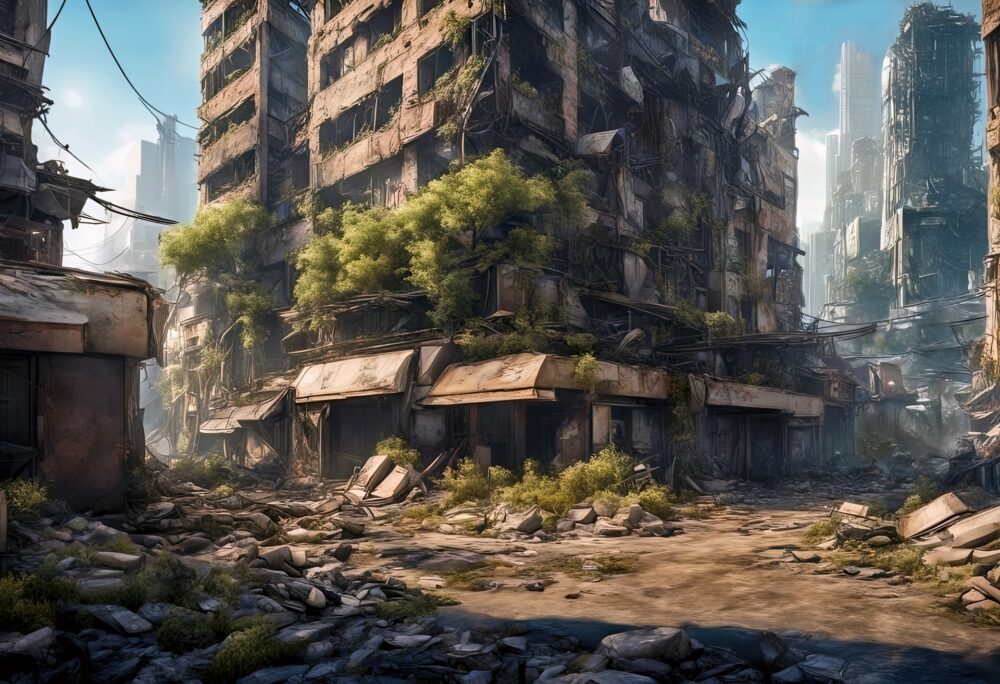
Even after centuries, traces of New York would remain. Foundations, tunnels, and street grids would still shape the landscape beneath vegetation.
But the city would no longer dominate its environment. Instead, it would become part of it, layered under soil, roots, and water. The result would be a reminder that without constant care, even the largest human creations are temporary.