
Authorities search for answers as sightings spread across neighborhoods.

Seeing a loose dog is one thing. Seeing a monkey on a fence is something else entirely. That’s the situation some St. Louis residents found themselves in when reports of monkeys roaming neighborhoods began circulating in recent days.
What initially sounded like a prank quickly turned serious as multiple sightings were confirmed. City officials and animal control acknowledged the animals were real and likely exotic, not native wildlife.
As authorities work to locate and safely capture them, the situation has raised questions about public safety, animal welfare, and how something this unusual could happen in the first place.
1. It started with sightings that sounded unbelievable

At first, reports of monkeys jumping fences and climbing trees sounded like social media exaggeration. A few photos and videos changed that quickly.
Residents in multiple neighborhoods reported seeing small monkeys moving through yards and alleys. Once sightings matched across locations, officials confirmed the situation was real and began responding.
2. These aren’t native animals — officials say they appear to be vervet monkeys

Authorities say the monkeys spotted around St. Louis appear to be vervet monkeys, a species native to parts of Africa, not North America. That detail matters because it immediately rules out local wildlife and points toward captivity or illegal ownership.
Vervet monkeys are small, fast, and highly adaptable, which helps explain how they’ve been able to move through neighborhoods unnoticed at times. But they’re not suited to Midwestern winters or urban hazards, raising concerns about both public safety and the animals’ welfare.
3. Officials moved carefully instead of rushing in

Animal control and wildlife authorities did not attempt an aggressive capture right away. Chasing primates can cause panic, leading to injuries for both animals and people.
Instead, officials focused on tracking sightings, gathering information, and planning a humane response designed to keep everyone safe.
4. The animals appeared surprisingly comfortable outdoors
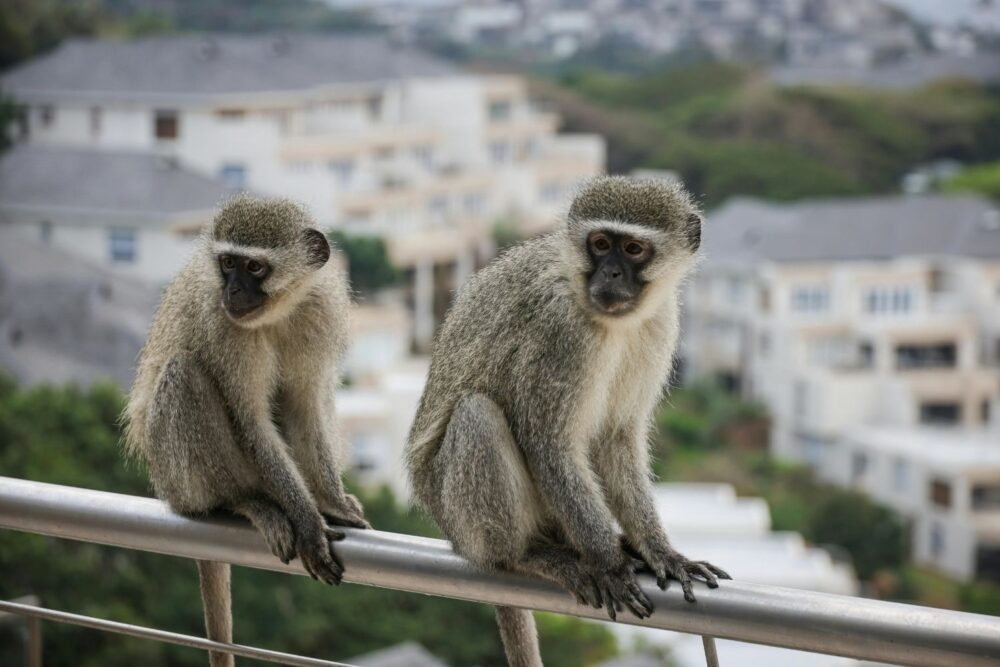
Witnesses described the monkeys climbing fences, perching on roofs, and moving through trees with ease. Their agility made them hard to track.
That comfort raised concerns that the monkeys had either been loose for some time or were previously kept in conditions that allowed outdoor access.
5. Residents were told not to approach them

Authorities warned people not to try feeding, touching, or capturing the monkeys themselves. Even animals that look calm can react unpredictably.
Officials emphasized that curious residents could unintentionally provoke aggression or help the animals move farther from capture efforts.
6. Questions quickly turned to how this happened

As sightings multiplied, curiosity shifted into concern. Residents and officials alike wanted to know how monkeys ended up roaming city neighborhoods at all.
Were they escaped pets, animals released intentionally, or part of an illegal operation that went wrong? Each possibility raised different worries, from public safety to animal welfare.
Authorities acknowledged they didn’t yet have clear answers. That uncertainty fueled speculation online and off, making the situation feel more unsettling. Until the source is confirmed, officials say the priority remains finding the animals safely rather than assigning blame.
7. This isn’t the first time monkeys have adapted to U.S. neighborhoods

The situation in St. Louis isn’t without precedent. In Dania Beach, a population of free-roaming monkeys has lived near people for years after escaping decades ago, creating ongoing challenges for officials and residents.
That example shows how quickly an unusual escape can turn into a long-term issue. Once monkeys learn to navigate neighborhoods and avoid capture, managing them becomes far more complicated, expensive, and controversial than preventing the problem in the first place.
8. Animal welfare groups urged calm and patience

Groups familiar with primate behavior stressed that stress makes capture harder. Loud crowds and viral attention can push animals into more dangerous situations.
They urged residents to report sightings quietly and let professionals handle the response.
9. Social media amplified the story fast

Photos and short videos spread quickly, turning a local issue into a national curiosity. Memes appeared almost immediately.
Officials warned that viral attention could complicate the situation by drawing crowds and spreading misinformation about the animals’ locations.
10. The focus stayed on safe recovery, not punishment

Authorities said the priority was locating and securing the monkeys safely. Investigations into responsibility would come later.
This approach aimed to prevent harm and avoid pushing the animals farther into hiding.
11. The situation highlighted a bigger issue
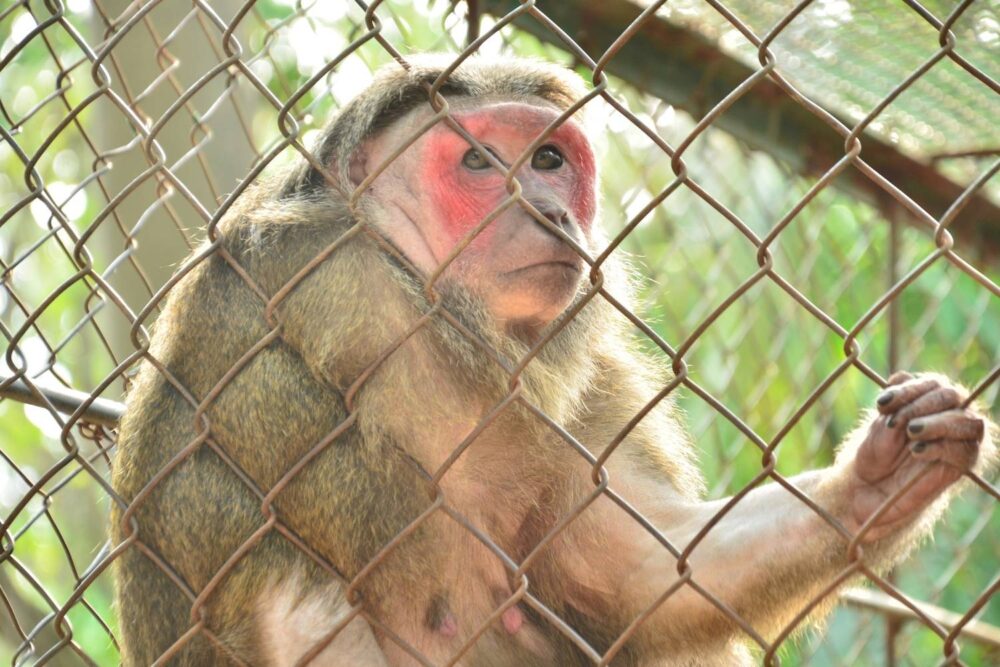
Beyond the novelty, the incident exposed ongoing challenges around exotic animal ownership and enforcement.
Experts say unusual cases like this are reminders that wildlife and urban spaces don’t mix easily, and prevention is far easier than response once animals are already loose.